
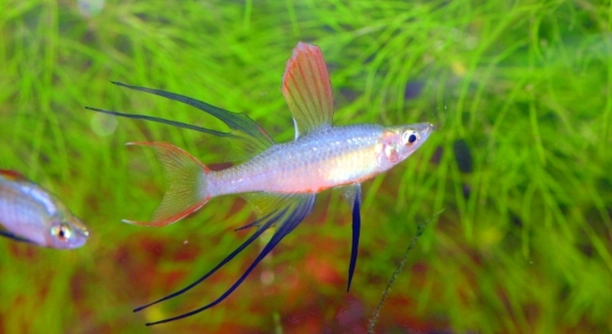
Threadfins are delicate fish that can be easily stressed when introduced to new environments. Their behaviors often reflect uncertainty and caution, making it important for owners to recognize the subtle signs of discomfort or fear.
Threadfins commonly experience fear in unfamiliar surroundings due to changes in water temperature, lighting, or tank layout. These stressors can lead to hiding, reduced feeding, erratic swimming, or heightened sensitivity to movement and sound in their habitat.
Recognizing these fears early helps ensure threadfins adjust comfortably, promoting their health and well-being in any new environment.
Fear of Open Spaces
Threadfins are naturally cautious fish, and open areas in a new tank can feel threatening. They often stick close to plants, decorations, or tank edges to feel secure. Without these hiding spots, they may swim nervously or hover near the bottom. This behavior is a normal stress response. By providing adequate cover, owners can help threadfins feel more at ease. Even small additions like rocks or artificial plants create zones where fish can retreat when they feel exposed. Over time, they gradually explore the open areas at their own pace. Sudden changes, like removing hiding spots or rearranging the tank, can trigger repeated stress. Consistency is key to helping threadfins adapt comfortably. Regular observation allows you to notice subtle signs of fear, such as darting movements, flaring fins, or prolonged stillness. Creating a safe, familiar environment reduces stress and promotes natural behavior, helping threadfins feel more confident and secure in their new surroundings.
Providing cover allows threadfins to explore at their own pace safely.
Gradually, threadfins start using open areas once they trust the environment. Careful arrangement of plants and rocks helps establish a balance between space and security. Over time, they learn which areas are safe to swim freely and which still feel intimidating. This careful observation ensures they remain healthy and active, encouraging natural feeding and movement patterns. Consistency and gentle adjustments to the environment support their adaptation, reducing prolonged fear responses.
Fear of Sudden Movements
Threadfins react quickly to sudden movements near their tank, often swimming away or hiding immediately.
Sharp motions outside the tank can startle them, increasing stress levels.
This heightened sensitivity comes from their need to survive in the wild, where quick responses can mean avoiding predators. In a new environment, unexpected vibrations, tapping, or approaching hands can trigger fear responses. Over time, they become familiar with the regular activity around their tank and learn which movements are harmless. Providing stable conditions and moving gently near the tank reduces repeated stress. Observing how threadfins respond to different stimuli helps in predicting and preventing unnecessary fright. Gradually, they gain confidence and display calmer behavior, swimming more openly and interacting with tank mates. Respecting their instinctive caution ensures threadfins maintain good health and adapt smoothly without prolonged anxiety.
Fear of Bright Lighting
Bright lighting can make threadfins feel exposed and stressed. They tend to hide under decorations or plants to avoid direct light.
Sudden changes in lighting intensity can trigger rapid hiding or erratic swimming. Threadfins rely on subtle cues from their environment, and overly bright conditions make them feel unsafe. Using dim or adjustable lights helps them explore the tank without constant fear. Natural daylight cycles or soft LED lights allow them to acclimate gradually. Over time, they become more comfortable swimming in illuminated areas as they learn which zones are safe. Consistency in lighting supports calmer behavior and regular feeding patterns, reducing stress and promoting natural activity.
Providing shaded areas within the tank encourages threadfins to explore at their own pace. These zones allow them to feel in control and reduce anxiety. Placement of plants, rocks, or other structures is key to creating a balanced environment that supports confidence while minimizing fear responses.
Fear of Strong Currents
Strong water currents can overwhelm threadfins, causing them to struggle or hide. They prefer gentle, steady flows where they can swim comfortably.
When currents are too strong, threadfins may stick to corners or remain near the bottom to resist the force. Prolonged exposure to turbulent water can reduce feeding and increase stress. Adjusting filtration systems or using flow diffusers helps maintain manageable water movement. Observing their swimming patterns ensures the current is suitable for all fish in the tank. Gradually, threadfins gain confidence and explore more areas as they adapt to gentle flow. Proper current management supports healthy exercise and reduces the risk of injury or fatigue.
Fear of New Tank Mates
Threadfins can be wary of unfamiliar fish, especially if they are more aggressive or larger. They often hide or keep distance when first introduced.
Gradual introductions and observing interactions help them adjust. Providing enough space and hiding spots reduces stress and allows threadfins to feel safer around new companions.
Fear of Water Parameter Changes
Threadfins are sensitive to shifts in temperature, pH, or salinity. Sudden changes can cause stress, hiding, or reduced appetite. Maintaining stable water conditions is essential for their comfort and overall health, allowing them to adapt naturally without unnecessary fear or behavioral issues.
Fear of Reflections
Reflections in glass or ornaments can confuse threadfins, making them feel threatened. They may display defensive or erratic behavior when seeing their own image.
FAQ
Why do threadfins hide so much in a new tank?
Threadfins are naturally cautious and rely on hiding spots for safety. When introduced to a new environment, they feel exposed and vulnerable. Providing plants, rocks, or other decorations allows them to retreat when stressed. Gradual acclimation helps them gain confidence and reduces prolonged hiding.
How long does it take for threadfins to adjust to a new environment?
Adjustment varies depending on tank conditions and individual temperament. Some threadfins may explore freely within a few days, while others take several weeks. Consistency in lighting, temperature, water quality, and tank layout encourages faster adaptation and reduces stress-related behavior.
Are sudden changes in tank layout harmful?
Yes, abrupt changes can increase stress and trigger fear responses. Moving decorations, removing hiding spots, or altering water flow can make threadfins feel unsafe. Minor adjustments over time allow them to adapt without prolonged anxiety, encouraging exploration and natural activity.
Do threadfins react to my movements outside the tank?
Threadfins are sensitive to sudden movements and vibrations. Quick motions, tapping, or approaching hands can startle them. Maintaining a calm presence near the tank and moving slowly prevents frequent stress and helps them feel more secure in their surroundings.
Can lighting affect their behavior?
Bright or sudden lighting changes can make threadfins feel exposed. Using dim or adjustable lights allows gradual acclimation. Shaded areas or floating plants provide refuge, letting them explore at their own pace and reducing fear-driven behaviors like hiding or darting.
How do water currents influence threadfins?
Strong currents can overwhelm them, causing them to stick to tank corners or avoid swimming. Gentle, steady flow is ideal, allowing comfortable movement and exercise. Flow diffusers or adjustments to the filtration system ensure a balanced environment that reduces stress and supports healthy behavior.
Will they ever stop being afraid of new tank mates?
Yes, with patience. Gradual introductions and adequate space reduce aggression and stress. Providing multiple hiding spots ensures they feel secure. Over time, threadfins learn which tank mates are safe, promoting calmer interactions and more confident swimming.
Do reflections in the tank bother them?
Reflections can confuse threadfins, making them perceive a rival or threat. They may display defensive behavior, flaring fins, or repeated darting. Reducing reflective surfaces or using background coverings minimizes this stressor, allowing them to focus on exploring their environment.
How can I tell if stress is affecting their health?
Signs include reduced feeding, lethargy, rapid gill movement, or frequent hiding. Prolonged stress can weaken their immune system. Maintaining stable water parameters, proper lighting, and a safe tank layout helps prevent these health issues and supports overall well-being.
What steps can I take to reduce their fears?
Provide hiding spots, stable water conditions, gentle lighting, and minimal sudden movement near the tank. Gradual introductions to new mates and slow environmental adjustments allow threadfins to gain confidence and display natural, relaxed behavior. Regular observation ensures any stressors are identified and addressed promptly.
Is it normal for them to dart or swim erratically?
Yes, especially when frightened or adjusting to new surroundings. Darting is a natural response to perceived threats. Over time, as they feel safer, these behaviors decrease. Ensuring a calm, predictable environment helps them move more confidently throughout the tank.
Can feeding routines help them feel secure?
Consistent feeding times create a sense of predictability, which reduces anxiety. Offering food in safe areas or near hiding spots encourages exploration and builds trust in their environment. Proper nutrition also supports stress resilience and overall health.
How often should I monitor their behavior?
Daily observation is recommended, especially during the first weeks in a new tank. Tracking behavior changes, feeding patterns, and interaction with tank mates allows early detection of stress or fear, ensuring prompt adjustments to their environment.
Are threadfins more fearful than other fish?
Threadfins are naturally cautious compared to some more aggressive or bold species. Their sensitivity to environmental changes makes them prone to hiding, erratic swimming, and stress responses. Understanding this temperament allows owners to create a supportive and calming habitat.
Can they eventually adapt to a fully open tank?
Yes, with time and a secure environment. Gradually reducing hiding spaces and maintaining gentle lighting and water flow allows them to explore open areas safely. Patience and consistent care are key to helping them gain confidence.
Do tank noises affect their behavior?
Loud or sudden noises, like clanging lids, nearby appliances, or vibrations, can startle threadfins. Minimizing disruptive sounds and keeping the tank in a stable, quiet location reduces fear responses and encourages normal swimming and feeding behavior.
How can I make new environments less stressful?
Introduce changes slowly, maintain stable water conditions, provide ample hiding spots, and ensure gentle lighting. Monitoring behavior and adjusting as needed allows threadfins to acclimate comfortably, reducing anxiety and supporting natural activity patterns.
What are signs that they are finally comfortable?
Confident swimming in open areas, regular feeding, minimal hiding, and calm interactions with tank mates indicate adaptation. These behaviors show that threadfins feel secure and are adjusting well to their environment.
How important is tank consistency?
Very important. Consistent temperature, lighting, water quality, and layout reduce stress and fear. Threadfins rely on predictable conditions to feel safe and display natural behaviors. Frequent changes can prolong anxiety and negatively affect health.
Can stress cause long-term health issues?
Yes. Chronic stress weakens the immune system, reduces appetite, and can lead to disease. Preventing fear through stable conditions, hiding spots, and gradual adjustments supports long-term health and well-being.
What is the best overall approach to reducing fear in threadfins?
Focus on stability, patience, and observation. Provide hiding spots, gentle lighting, calm water currents, and consistent feeding routines. Gradual introductions to tank mates and environmental changes allow them to adapt naturally, building confidence while maintaining physical and mental health.
This FAQ covers key concerns about threadfins in new environments, addressing common fears and practical steps to help them adjust safely. Proper care ensures their behavior, health, and confidence improve steadily over time.
Word count: 506
Threadfins are delicate fish that respond strongly to changes in their environment. Their behaviors, from hiding to erratic swimming, are ways of expressing fear or discomfort. Recognizing these signs is essential for their well-being. Small details, such as lighting intensity, water flow, tank decorations, and the presence of other fish, can all influence how safe they feel. Providing a stable, predictable environment reduces stress and encourages them to explore and interact naturally. Even minor adjustments, like adding a few plants or creating shaded areas, can make a significant difference in their comfort levels. Observing their behavior closely allows owners to understand what causes fear and respond appropriately. Over time, threadfins gradually adapt to their surroundings, showing more confidence in swimming freely, feeding normally, and interacting with other fish. Patience is key, as forcing changes too quickly can prolong anxiety and affect their overall health.
Consistency in tank maintenance also plays a critical role in reducing fear. Sudden changes in water temperature, pH, or salinity can trigger stress, leading to hiding or reduced appetite. Similarly, moving decorations or introducing new tank mates abruptly can cause prolonged anxiety. Maintaining stable water parameters and carefully planning changes gives threadfins the opportunity to adjust at their own pace. Feeding routines can also contribute to a sense of security, as predictable schedules allow fish to anticipate and feel safe during mealtime. Even the placement of filters and careful management of water currents are important to ensure that movement within the tank does not overwhelm them. By creating a predictable, calm environment, threadfins can gradually become more comfortable in areas that initially seemed intimidating. Consistent care reduces fear responses and promotes natural behaviors, allowing them to thrive in a home aquarium.
Finally, understanding threadfins’ natural tendencies and limitations helps in providing long-term care. These fish are cautious by nature and will always benefit from an environment that respects their instincts. Giving them time to explore, ample hiding spots, and gentle lighting ensures they feel secure. Observing their reactions to new tank mates or environmental changes allows owners to anticipate stress and make adjustments before it becomes harmful. Over time, threadfins build confidence, showing calmer behavior, regular feeding, and more interaction with their habitat. Reducing fear is not about forcing them to adapt quickly but about supporting them with patience, stability, and careful observation. A consistent approach to care, combined with attention to their natural behaviors, ensures threadfins remain healthy, active, and comfortable in their environment. With proper attention, these sensitive fish can live a balanced, low-stress life, displaying their full range of natural behaviors while gradually overcoming initial fears.
Word count: 418

Hello,
If you enjoy the content that we create, please consider saying a "Thank You!" by leaving a tip.
Every little bit helps us continue crafting quality advice that supports the health, happiness, and well-being of pets around the world, for pets of all shapes, sizes, and species.
We really appreciate the kindness and support that you show us!