
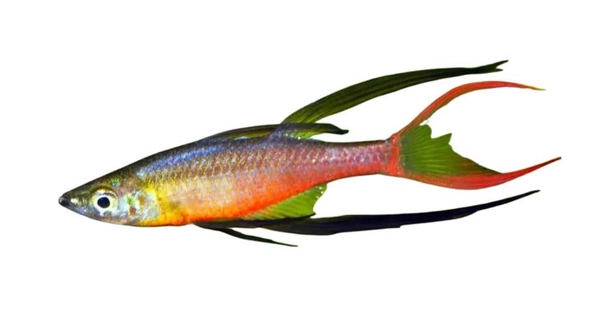
Do your threadfins seem unsettled when changes happen in their tank? Many aquarists notice that these fish respond differently to rearrangements, making their behavior an interesting aspect of home aquariums to observe.
Threadfins are sensitive to sudden environmental changes, including tank rearrangements. Rapid alterations in decor or layout can induce stress, disorientation, and abnormal behavior, impacting feeding patterns and overall health. Gradual adjustments are recommended to maintain stability and welfare.
Understanding the way threadfins react can help you create a calmer, more predictable habitat for them to thrive in. Observing their responses provides insight into better care practices.
Recognizing Stress in Threadfins
Threadfins can show subtle signs when they are stressed by sudden tank rearrangements. Changes in swimming patterns, hiding more than usual, or refusing food are common indicators. Some threadfins may pace along the tank edges or appear jittery, reflecting unease in their environment. Watching these behaviors closely helps determine whether the tank layout is causing distress. Stress can also weaken their immune system, making them more vulnerable to illness. Maintaining a consistent environment with familiar hiding spots and plants can reduce these negative effects. Even minor changes, like moving decorations or changing the substrate, can provoke a response. By introducing adjustments gradually, threadfins have time to adapt without significant disruption. Observing how they interact with new objects or rearranged areas provides insight into their comfort level. Creating a predictable environment encourages natural behavior and supports overall well-being, ensuring that threadfins remain active, healthy, and responsive to their surroundings.
Stress recognition is essential for effective aquarium management, helping threadfins thrive.
Threadfins react differently based on their personality and previous experiences. Younger fish may adapt faster, while older or more timid individuals need extra care. Some fish may explore new items quickly, whereas others remain cautious. Even rearranging a single decoration can impact social dynamics among tank mates. When threadfins are stressed, providing additional hiding spots and minimizing sudden activity around the tank can be beneficial. Keeping water parameters stable while making gradual changes allows them to acclimate safely. Observing their behavior over days can help identify specific triggers, making it easier to plan future adjustments. Regular monitoring and gentle modifications ensure that threadfins maintain a healthy routine, including proper feeding, swimming, and interaction with other fish. By prioritizing consistency and patience, you can create an environment that balances enrichment with security.
Minimizing Disruption During Tank Changes
Gradual adjustments are key when rearranging a tank to protect threadfins from stress.
When you plan to modify a tank, it is helpful to do so in small steps. Introduce new decorations one at a time, spacing out changes over several days. Avoid moving multiple items simultaneously, as this can confuse fish and increase stress. Keeping familiar elements like plants, rocks, and substrate in consistent positions provides comfort. Observe threadfins after each adjustment to ensure they are coping well before proceeding further. If they show signs of distress, pause any further changes and allow them time to settle. Maintaining stable water parameters during rearrangements is also crucial, as fluctuations can amplify stress responses. Gentle lighting adjustments and limiting sudden movements around the tank contribute to a calm atmosphere. By following these practices, the tank remains stimulating without overwhelming the fish. Prioritizing gradual, predictable changes ensures threadfins continue to exhibit natural behavior and stay healthy in their environment.
Creating Safe Zones in the Tank
Providing areas where threadfins can retreat reduces stress. Dense plants, rocks, or artificial caves give them a sense of security. These zones allow fish to rest and adjust when changes occur, helping maintain normal behavior and feeding routines.
Safe zones act as anchors in the tank environment. Threadfins use them to escape perceived threats and regain comfort. When rearrangements are necessary, these areas help reduce panic or erratic swimming. Proper placement near familiar spots encourages exploration while keeping a retreat available. Observing which zones are preferred gives insight into their comfort, guiding future tank adjustments to minimize stress.
In addition to hiding spaces, consider vertical elements like tall plants or background decorations. These features provide visual barriers, reducing exposure to sudden movement in the tank. By offering multiple retreat options, you support social dynamics and reduce conflicts among tank mates. Safe zones also encourage natural behavior, such as foraging and territory establishment, without causing overwhelming stress. Consistent placement and gentle introduction of new structures make transitions smoother and improve long-term welfare.
Monitoring Water Quality Closely
Stable water conditions are crucial when rearranging a tank. Sudden changes can amplify stress responses, making fish more vulnerable.
Threadfins are highly sensitive to fluctuations in temperature, pH, and ammonia levels. Even minor deviations during a tank rearrangement can trigger abnormal behavior, including loss of appetite, lethargy, or increased hiding. Maintaining regular water testing schedules ensures that parameters remain within safe ranges. Using gentle filtration and avoiding overfeeding further helps preserve water stability. Introducing changes gradually, such as partial water replacements instead of full water changes, minimizes environmental shock. Observing the fish daily allows for quick intervention if stress indicators appear, keeping their health intact.
Consistent monitoring also helps detect subtle issues before they escalate. Adjustments like adding dechlorinated water, checking filter performance, and maintaining oxygen levels support threadfins’ well-being. Ensuring clean substrate and removing waste promptly reduces toxins that may stress the fish further. Gradual modifications combined with careful observation reinforce a secure environment where threadfins can maintain natural behaviors. Water stability, combined with safe zones and gradual rearrangements, creates a balanced habitat that supports both physical health and mental comfort for the fish.
Gradual Rearrangement Techniques
Making small changes over time helps threadfins adjust. Move one decoration at a time, allowing fish to explore and settle before proceeding. This approach reduces stress and keeps their daily routines stable.
Observing their reactions after each change is important. If threadfins seem uneasy, pause and let them adapt. Gradual steps maintain comfort and encourage natural behavior.
Consistent Feeding Locations
Keeping feeding spots the same helps threadfins feel secure. Fish can associate specific areas with food, reducing anxiety during tank adjustments. Regular feeding routines support stability and prevent stress-related aggression or food competition.
Minimizing External Disturbances
Limit sudden movements around the tank and avoid loud noises. External disturbances can heighten stress, especially during rearrangements, making threadfins more vulnerable to erratic behavior or illness.
Observation and Adjustment
Regularly watch threadfins to understand how they respond to changes. Adjust tank modifications accordingly to maintain calm and healthy behavior in the aquarium environment.
FAQ
Do threadfins immediately recognize new tank layouts?
Threadfins may not immediately understand new arrangements. They rely on familiar visual cues to navigate their environment. Sudden changes can cause confusion, leading to erratic swimming or hiding. Observing their behavior after a rearrangement helps identify which areas feel safe and which provoke stress. Gradual introductions of new elements are recommended.
How long does it take for threadfins to adjust to a change?
Adjustment time varies depending on the individual fish and the complexity of the changes. Some threadfins may adapt within a few hours, while others can take several days. Patience is key. During this period, maintaining stable water conditions and consistent feeding routines helps them acclimate without additional stress.
Are certain tank decorations better for minimizing stress?
Yes. Threadfins benefit from hiding spots, dense plants, and vertical structures that provide shelter and visual barriers. Rocks, caves, and artificial ornaments can create secure zones. Placement should consider swimming space and social interactions, ensuring that fish can retreat when needed while still exploring comfortably.
Can sudden changes lead to long-term health issues?
Yes. Sudden environmental changes can increase stress hormones in threadfins, weakening their immune system. Prolonged stress may result in loss of appetite, lethargy, or susceptibility to disease. Gradual adjustments and stable conditions are crucial to prevent long-term health complications.
Is it safe to move multiple decorations at once?
It is not recommended. Moving multiple items simultaneously can overwhelm threadfins, causing anxiety and disorientation. Smaller, incremental changes allow fish to explore new layouts without panic. This method ensures that their normal routines, like feeding and social interactions, remain uninterrupted.
How can I tell if my threadfins are stressed?
Signs include excessive hiding, rapid swimming, loss of appetite, and unusual aggression. Some threadfins may cling to corners or edges of the tank. Careful observation is necessary to distinguish between temporary curiosity and stress-related behavior. Timely adjustments can prevent escalation.
Does lighting affect their response to rearrangements?
Lighting plays a role in comfort. Bright or sudden changes in light intensity can increase stress during rearrangements. Gradual light adjustments, using consistent day-night cycles, help threadfins feel secure and reduce anxiety associated with new tank layouts.
Are young threadfins more adaptable than older ones?
Typically, younger threadfins adapt faster because they are more curious and less set in their routines. Older or more timid fish may need extra time and careful observation. Providing consistent safe zones and gradual changes supports all age groups equally.
Should water quality be checked after every change?
Yes. Any tank modification, even minor, can disturb the substrate or decorations, potentially affecting water parameters. Monitoring temperature, pH, and ammonia levels ensures stability, preventing stress and maintaining overall health during adjustments.
Can social dynamics influence how threadfins react?
Absolutely. Rearrangements can affect territories and pecking order, especially in groups. Observing interactions and adjusting decorations to reduce conflict supports harmony. Ensuring multiple hiding spots and open swimming areas helps all fish feel secure and reduces stress.
How often should tank rearrangements occur?
Frequent rearrangements are not recommended. Changes should be occasional and deliberate, allowing threadfins time to acclimate. Overfrequent alterations increase stress, disrupt routines, and may lead to behavioral or health issues if fish cannot adapt properly.
Is feeding behavior a good indicator of adaptation?
Yes. Threadfins that continue to feed normally after rearrangements are likely adjusting well. Hesitation, refusal, or selective feeding can indicate discomfort or stress. Maintaining consistent feeding locations supports adaptation and helps monitor their well-being.
Can enrichment items reduce stress during changes?
Enrichment like floating plants, gentle water currents, or new hiding structures can help threadfins explore without fear. Introducing enrichment slowly alongside gradual rearrangements encourages natural behavior while keeping stress minimal.
Are there signs that a threadfin has fully adapted?
Once threadfins resume regular swimming patterns, normal feeding, and social interaction, it generally indicates successful adaptation. Continued observation ensures that changes are well-tolerated and that their environment remains comfortable and stable.
What is the best approach for introducing new decorations?
Introduce one item at a time, preferably in a familiar location. Allow the fish to explore gradually, monitoring behavior for signs of stress. Combining this with stable water conditions and safe zones ensures a smooth adjustment and minimizes anxiety.
Final Thoughts
Managing a tank with threadfins requires attention to detail and patience. These fish are sensitive to their surroundings, and sudden changes can easily cause stress. Rearranging decorations, plants, or substrate without consideration may disrupt their routines, making them hide or swim erratically. Providing a stable environment with familiar objects helps threadfins feel secure, allowing them to maintain normal behavior. Consistent feeding spots, safe zones, and gradual changes in the tank layout are effective strategies to reduce anxiety. Observing the fish regularly gives insight into how they respond to modifications and which areas they prefer for comfort. Over time, small, careful adjustments create a more harmonious habitat that balances visual interest with security for the fish.
Water quality is another critical factor in supporting threadfins during changes. Even minor disturbances to the substrate or decorations can affect temperature, pH, and ammonia levels, which in turn impacts their stress levels. Regular monitoring and maintenance are essential, especially when rearranging items. Stable water parameters, combined with minimal disruption to lighting and other environmental conditions, help the fish adapt more quickly. Gradual modifications allow threadfins to explore new spaces while keeping essential routines intact. By paying attention to both behavioral cues and water stability, caretakers can maintain the health and well-being of their fish even during necessary changes to the tank layout.
Ultimately, threadfins thrive in environments where predictability and safety are prioritized. While rearranging a tank may seem simple, the impact on these fish can be significant if not handled thoughtfully. Creating secure zones, introducing changes incrementally, and maintaining consistent routines encourages natural behavior, proper feeding, and healthy social interactions. Observing the fish during and after modifications provides valuable feedback for future adjustments. With careful planning, patience, and attention to detail, threadfins can adjust comfortably to new tank arrangements, reducing stress and promoting long-term health. This approach ensures that the aquarium remains a stimulating yet safe environment, benefiting both the fish and the caretaker’s overall experience.

Hello,
If you enjoy the content that we create, please consider saying a "Thank You!" by leaving a tip.
Every little bit helps us continue crafting quality advice that supports the health, happiness, and well-being of pets around the world, for pets of all shapes, sizes, and species.
We really appreciate the kindness and support that you show us!