
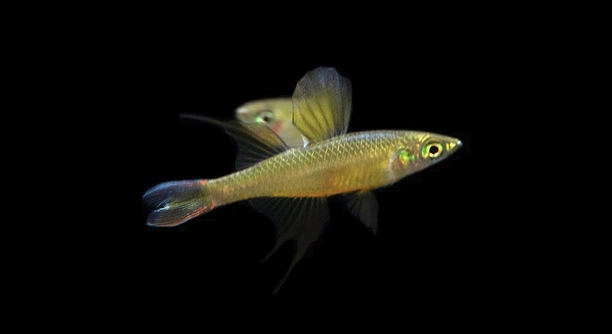
Do you enjoy keeping freshwater fish but sometimes notice their unusual behaviors at night? Threadfin rainbowfish are active during the day, yet they exhibit calm, subtle movements as darkness falls in their tanks.
Threadfin rainbowfish do not typically sleep with their fins fully tucked. During rest periods, their fins may relax slightly, but they generally remain extended. This behavior supports stability in water and allows them to respond quickly to potential threats.
Observing their nighttime habits can reveal much about their comfort and environment, helping you ensure a healthy and stress-free aquarium life.
How Threadfin Rainbowfish Rest
Threadfin rainbowfish often appear calm at night, gliding slowly near plants or decorations. Their fins do not fold tightly but remain mostly extended, which helps them stay balanced. They tend to hover in midwater or near the tank’s bottom, choosing spots that feel safe. Movement is minimal, but they can respond quickly if disturbed. Lighting also affects their rest; dim or natural light encourages a regular pattern, while sudden bright lights may startle them. Tankmates play a role as well, as peaceful companions create a secure environment. Water temperature and quality influence their comfort, and stable conditions promote regular rest. Feeding schedules indirectly affect nighttime behavior, as full stomachs encourage relaxation. Observing patterns over days can help identify normal versus stressed behavior. Their scales may reflect soft light, making it easy to notice subtle fin adjustments. Patience and observation are key to understanding how these fish rest.
Resting positions can vary, but their fins remain relaxed and mostly extended.
Some threadfin rainbowfish choose slightly hidden spots, like behind decorations or plants, while others hover midwater. Their preference depends on comfort, light, and tank activity. Regular observation helps notice shifts in behavior that could indicate stress, illness, or changes in the tank environment. A well-maintained habitat with consistent feeding and proper water conditions encourages normal resting patterns, while sudden disturbances can cause fin clamping or unusual movement at night.
Factors Affecting Fin Position
Fin position can indicate overall health.
Stress, water quality, and lighting can all influence how threadfin rainbowfish hold their fins during rest. Poor water conditions or incompatible tankmates may lead to more noticeable fin clamping.
Monitoring fin position gives insight into their environment. Changes may appear slowly, such as slight curling or tighter fins. These subtle signs are easier to spot if the tank is quiet and predictable at night. Water quality parameters, like pH, ammonia, nitrite, and temperature, directly affect comfort levels. Sudden drops or spikes can cause stress responses. Light cycles also matter; consistent, gentle lighting helps maintain normal resting behavior. Tank setup, including plants, hiding spots, and open swimming areas, supports natural fin posture. Observing their interactions with other fish can reveal social stress or dominance behavior influencing fin positioning. Regular observation combined with proper care ensures threadfin rainbowfish maintain relaxed, extended fins while resting, reflecting their overall well-being and comfort in their aquatic environment.
Nighttime Behavior
Threadfin rainbowfish slow their movements at night and hover in midwater or near plants. Their fins remain mostly extended, allowing them to stay balanced and ready to respond quickly if any disturbance occurs in the tank.
At night, these fish often choose quiet areas in the tank. Some hover near tall plants, while others prefer corners or spaces behind decorations. They rarely stay completely still but move gently, adjusting their position as needed. The fins are relaxed, not tucked tightly, which helps them maintain stability. Lighting affects their behavior, and dim or consistent lighting encourages a natural resting pattern. Their interactions with other fish are also calmer at night.
Observing their nighttime behavior over several days helps identify what is normal versus unusual. Some may slightly shift positions while resting, and this is typical. Sudden changes in activity or fin posture can indicate stress or poor water conditions. Ensuring stable water quality, gentle lighting, and peaceful tankmates promotes healthy resting habits. Nighttime feeding patterns also influence movement, as fish with a full stomach tend to rest more calmly. Watching these behaviors builds understanding of their natural rhythm.
Tips for Healthy Rest
Maintaining stable water conditions is essential for proper rest.
Consistent temperature, clean water, and gentle lighting help threadfin rainbowfish relax. Avoid sudden changes, as these can trigger stress responses and fin clamping.
Adding hiding spots and plants supports their comfort at night. Quiet areas allow fish to hover safely and maintain relaxed fin positions. Avoid overcrowding, as too many fish can increase stress and disrupt normal resting behavior. Regularly monitor water parameters like pH, ammonia, and nitrite to ensure optimal conditions. Tank lighting should mimic natural cycles, providing predictable day and night periods. Even minor disturbances, such as sudden tapping or movement near the tank, can startle them. Providing consistent feeding schedules ensures they are not restless from hunger at night. Proper maintenance and thoughtful tank setup encourage natural, extended fin posture, reflecting healthy, stress-free rest.
Common Misconceptions
Threadfin rainbowfish are often thought to tuck their fins while sleeping, but this is rare. Their fins mostly remain extended, even during rest, allowing for stability and quick reactions if needed.
Another misconception is that fin clamping always indicates sleep. In reality, it usually signals stress, illness, or poor water conditions.
Observing Fin Health
Regular observation of fin condition helps track overall well-being. Healthy fins are fully formed, intact, and move naturally with the fish’s body. Damage, fraying, or unusual curling can indicate poor water quality, physical injury, or disease. Routine checks allow early intervention, preventing long-term issues.
Creating a Comfortable Environment
A balanced tank setup with plants, open swimming areas, and hiding spots supports relaxed behavior and extended fin posture.
FAQ
Do Threadfin Rainbowfish sleep at night?
Yes, threadfin rainbowfish do rest at night. They slow their movements and hover in quieter parts of the tank. While they remain alert, this period allows them to conserve energy. Their fins stay mostly extended to maintain balance, so they are never fully motionless.
Why don’t their fins tuck in while sleeping?
Threadfin rainbowfish rely on extended fins for stability and quick movement. Tucking fins tightly could reduce balance in water and make them slower to react. Their fins relax but remain spread, which is normal and healthy behavior.
How can I tell if my fish is stressed?
Stress often causes unusual fin behavior. Clamped fins, erratic swimming, or hiding excessively can indicate discomfort. Check water quality, tankmates, and feeding schedules. Sudden changes in lighting or decorations can also trigger stress responses. Regular observation helps identify issues early.
Can lighting affect their sleep patterns?
Yes, consistent lighting encourages regular rest. Bright or irregular lighting may startle fish and disturb their natural nighttime behavior. Soft, predictable light cycles help maintain relaxed fin posture and calm movements during rest periods.
Do tankmates influence their nighttime behavior?
Peaceful tankmates promote calm behavior. Aggressive or overly active fish can cause stress, leading to tighter fins or restless movement at night. Keeping compatible species together ensures a comfortable environment and proper resting behavior for threadfin rainbowfish.
What role does water quality play?
Water quality is critical. Ammonia, nitrite, or drastic pH changes can make fish uneasy, affecting fin position and rest. Stable temperature and clean water are essential. Regular testing and maintenance create a secure environment that supports natural sleeping patterns.
Are hiding spots necessary for rest?
Yes, plants and decorations provide safe areas. Fish often hover near or behind these during rest. Hiding spots reduce stress and allow them to maintain relaxed fins. A well-planned tank balances open swimming areas with secure corners for comfort.
Do feeding habits impact their sleep?
Feeding schedules influence nighttime behavior. Fish that are hungry may move around more at night, while well-fed fish rest calmly. Providing food consistently and avoiding overfeeding supports normal activity and rest patterns.
How often should I check their fins?
Regular monitoring is important. Observing fins daily helps detect damage, curling, or clamping early. Prompt attention to minor issues prevents infection or long-term stress. Keeping a routine check of fin condition contributes to overall fish health.
Can illness affect fin position at night?
Yes, illness often shows in fins. Clamped, frayed, or discolored fins can signal infection, parasites, or nutrient deficiencies. Early recognition and treatment improve recovery. Monitoring both daytime and nighttime behavior gives a complete picture of health.
Are there signs of aging in their fins?
Older fish may have slight wear or fraying at the edges of fins. This is normal if minor. Sudden deterioration, however, indicates stress or poor water quality, not just aging. Understanding natural changes versus health issues is key to proper care.
How can I make my tank more comfortable at night?
Provide gentle lighting, clean water, and secure hiding spots. Keep tankmates peaceful, maintain regular feeding, and avoid sudden disturbances. These steps help threadfin rainbowfish rest with extended fins, reflecting calmness and well-being.
Should I worry if fins occasionally curl?
Minor curling can occur occasionally, especially during quick movements or brief stress. Persistent curling, fraying, or clamping is a warning sign. Address water quality, diet, or tank environment to maintain fin health and prevent long-term problems.
Do they ever rest in groups or alone?
Threadfin rainbowfish may rest in small groups or individually, depending on tank dynamics. Schooling behavior continues during rest but at a slower pace. Group resting offers safety, while some may prefer slightly hidden spots, which is perfectly normal.
How do I know if their rest is sufficient?
Sufficient rest is indicated by calm, slow movements and relaxed fins at night. Fish remain alert but not overly active. Regular patterns, consistent daytime activity, and healthy fin posture show that they are resting properly.
Can changes in the tank disrupt their sleep?
Yes, rearranging plants, decorations, or introducing new fish can temporarily disturb rest. Fish may hide more or clamp fins in response. Keeping changes gradual helps maintain a stable, stress-free environment for proper nighttime behavior.
What’s the best way to track nighttime behavior?
Observation during quiet periods is effective. Watch how fins are positioned, movement patterns, and interactions with tankmates. Taking notes over several days allows identification of normal behavior and early detection of stress or illness.
Do males and females rest differently?
Differences are subtle. Males may display slightly more active movements or color display at night, but fin behavior remains largely similar. Both sexes rely on extended fins for balance and comfort while resting.
Can seasonal changes affect sleep?
Yes, temperature and daylight changes can influence behavior. Threadfin rainbowfish may adjust resting periods slightly, but consistent tank conditions minimize noticeable effects. Stable water temperature, light cycles, and diet maintain normal sleep patterns year-round.
Is it normal for fins to move slightly during rest?
Yes, slight fin movement is natural. Fish adjust position, respond to currents, or maintain balance. Completely still fins are rare, and subtle motion indicates a healthy, alert resting state.
What should I do if fins remain clamped for hours?
Persistent clamping indicates stress, poor water quality, illness, or aggressive tankmates. Test water parameters, check for disease, and observe behavior. Taking corrective actions promptly improves health and restores normal fin posture.
Can diet improve fin health?
Yes, balanced nutrition strengthens fins. Providing high-quality food with vitamins and protein supports growth and repair. Poor diet can lead to fraying or weak fins, making fish more vulnerable to stress and disease.
Are there tools to monitor nighttime behavior?
Night-vision cameras or dim tank lighting help observe fish without disturbance. This allows detailed tracking of fin position, movement, and interactions. Continuous observation ensures issues are noticed early and addressed appropriately.
How long do threadfin rainbowfish typically rest each night?
Rest periods generally last several hours during dark cycles. Fish remain calm but alert, conserving energy while maintaining extended fin posture. Duration varies slightly based on lighting, tank environment, and feeding schedules. Consistency supports overall health and behavior patterns.
Do fin injuries affect resting behavior?
Yes, damaged fins can lead to clamping or uneven movement. Fish may hide more or adjust positions to compensate. Treating injuries and improving water conditions encourages normal resting patterns and fin recovery.
Can stress from handling impact nighttime rest?
Handling or sudden tank changes can temporarily disturb rest. Fish may clump fins or move erratically. Limiting handling and providing quiet periods after disturbances helps restore relaxed nighttime behavior and fin posture.
How does age affect rest patterns?
Older fish may rest slightly more or choose sheltered areas. Fin behavior remains extended if healthy. Subtle changes are normal, but sudden inactivity or fin clamping is a sign to check water quality and overall health.
Are nocturnal tank decorations beneficial?
Soft or minimal nighttime lighting with safe decorations creates secure resting spots. Fish feel safe and maintain relaxed fin posture, reducing stress and encouraging natural nighttime behavior. Proper arrangement balances open swimming areas with hiding spaces for comfort.
Do threadfin rainbowfish require total darkness?
Not completely. Low or dim lighting is sufficient. Total darkness is not necessary and may make observation difficult. Consistent light cycles with gradual transitions help maintain normal rest and extended fin positions.
Is it common for fins to touch tank decorations while resting?
Occasionally, fins may brush plants or décor. This is normal and does not harm fish. Persistent rubbing or fraying, however, indicates the need for sharper inspection of tank setup or fin health.
How quickly do they recover from stress at night?
Recovery depends on cause. Mild disturbances result in brief clamping, while poor water quality or aggressive tankmates may take longer to resolve. Restoring stable conditions promotes normal extended fin posture and relaxed nighttime behavior within hours to days.
Do all threadfin rainbowfish behave the same at night?
Individual variation exists. Some prefer open water, while others seek shelter. Fin behavior is consistent—relaxed and mostly extended—but movements, hiding choices, and responses to stress differ slightly between fish.
Are there signs that nighttime behavior is abnormal?
Yes. Persistent fin clamping, erratic swimming, hiding excessively, or sudden inactivity indicate stress, illness, or poor water conditions. Early detection allows timely intervention, preserving health and normal resting patterns.
Can water flow affect fin posture during rest?
Yes, strong currents may cause fish to adjust fins to maintain balance. Gentle, moderate flow is ideal, allowing natural fin extension while resting. Excessive flow can lead to stress or fatigue, affecting nighttime behavior.
Should I separate fish showing unusual nighttime fin behavior?
If abnormal fin behavior persists, temporary separation may reduce stress or aggression. Combine this with water checks, feeding adjustment, and observation. Isolation allows healing and stabilizes normal fin posture, minimizing long-term health risks.
Can fin parasites impact nighttime behavior?
Yes, parasites can cause clamped, frayed, or uneven fins. Fish may hide more, move less, or display restless movements at night. Treatment and improved tank hygiene restore comfort and proper fin extension during rest.
Are there differences between young and adult fish in resting fin behavior?
Young fish may appear slightly more active, adjusting fins frequently, while adults are calmer. Extended fins remain standard for both. Minor differences in hovering locations or movement patterns are normal and reflect growth stage rather than health issues.
How do I maintain consistent nighttime comfort?
Stable water quality, gentle lighting, compatible tankmates, adequate hiding spots, and regular feeding schedules ensure consistent comfort. Monitoring fin posture and behavior provides feedback, allowing adjustments to maintain a healthy, stress-free environment for threadfin rainbowfish.
Do sudden temperature changes affect rest?
Yes, abrupt drops or rises in temperature stress fish, causing fin clamping or unusual movement. Gradual changes and stable conditions help maintain relaxed fins and natural resting behavior. Monitoring heaters and thermostats is important for consistent comfort.
Can tank size influence nighttime behavior?
Yes, overcrowded tanks increase stress, reduce hiding space, and disrupt fin posture. Larger tanks with sufficient swimming and hiding areas encourage natural, relaxed resting behavior, supporting extended fins and healthy nighttime activity.
Is fin color linked to nighttime health?
Healthy fins retain vibrant color. Pale, dull, or discolored fins during rest may signal stress, illness, or poor nutrition. Observing color along with posture helps assess overall health and comfort during night periods.
How long should I observe fins to understand behavior?
Regular observation over multiple nights is best. Short-term checks may miss subtle changes. Tracking patterns provides a clear picture of normal versus unusual fin posture, allowing proactive care and adjustments in the tank environment.
Can new tank setups temporarily disrupt rest?
Yes, new decorations, plants, or fish introductions may cause temporary stress, leading to fin clamping or unusual movement. Gradual acclimation and stable conditions restore relaxed fins and natural nighttime behavior within days.
Are nocturnal water parameters important?
Yes, nighttime pH, temperature, and oxygen levels affect comfort. Even subtle fluctuations can influence fin posture. Monitoring and maintaining consistent parameters ensures safe, calm resting conditions and healthy fin extension.
Do feeding supplements influence fin health?
Supplements rich in vitamins, protein, and minerals support fin strength, repair, and overall health. Balanced nutrition reduces risk of fraying, weakening, or clamping, ensuring natural, relaxed fin posture during rest.
Can external noises affect nighttime rest?
Loud sounds or vibrations can startle fish, causing brief fin clamping or erratic movement. A quiet, stable environment minimizes disturbances, helping threadfin rainbowfish maintain calm, extended fins while resting.
Is occasional fin clamping at night normal?
Yes, minor clamping due to small disturbances or movement is natural. Persistent or repeated clamping, however, indicates stress, poor water quality, or illness, and should be addressed promptly to maintain fin health.
How do I tell if the tank lighting is suitable?
Lighting should provide a clear day-night cycle with gradual transitions. Too bright or abrupt lighting can disturb rest, while dim, consistent illumination encourages calm, extended fin posture and natural nighttime behavior.
Do tank decorations need to be soft for fin safety?
Soft or smooth decorations prevent fin fraying during rest. Sharp edges or rough surfaces can damage fins when fish hover or move close. Proper setup ensures comfort and reduces injury risk.
Is it normal for fish to hover in midwater during rest?
Yes, hovering is typical. Extended fins maintain balance, allowing fish to stay alert while conserving energy. Some may also choose hidden spots, depending on personality and tank environment.
Do sudden tank movements affect fin posture?
Yes, tapping or rapid motion near the tank can startle fish, causing temporary fin clamping or unusual swimming. Minimizing sudden disturbances helps maintain normal rest behavior and extended fins.
Can stress from poor water flow disrupt sleep?
Yes, uneven or strong currents may force fish to adjust fins constantly, preventing full relaxation. Gentle, consistent flow allows natural fin extension and calmer nighttime behavior.
Are there signs of fatigue in fins?
Fatigue may appear as drooping, slower movement, or slight curling. Persistent signs often indicate stress, injury, or poor water quality. Addressing the cause restores normal fin posture during rest.
How does aging affect fin recovery from stress?
Older fish may recover more slowly from disturbances or injury. While extended fins remain standard, careful monitoring and stable conditions support quicker recovery and maintain healthy nighttime behavior.
Can breeding behavior affect fin posture at night?
Yes, males may display fins slightly more prominently during courtship or territorial interactions, even at night. This is normal if other stress signs are absent, and fins remain largely extended.
Are there seasonal lighting adjustments for fin health?
Minor adjustments to simulate natural seasonal changes can help maintain activity and rest patterns. Consistency is key, avoiding abrupt changes that could disturb fins or overall comfort.
Do nocturnal reflections in glass affect rest?
Reflections may momentarily startle fish, causing fin adjustments. Limiting reflective surfaces or providing background décor minimizes disturbances, supporting relaxed, extended fin posture at night.
Can sudden drops in oxygen affect fins at night?
Yes, low oxygen can lead to fin clamping, rapid movement, or hovering near the surface. Maintaining adequate aeration and monitoring oxygen levels ensures proper rest and extended fin posture.
Is fin deterioration reversible?
Minor fraying or curling can improve with proper water quality, nutrition, and reduced stress. Persistent or severe damage may require targeted care but gradual improvement is often achievable with attentive management.
How does tank placement affect nighttime comfort?
Placing the tank away from vibrations, bright lights, or frequent foot traffic reduces stress. Quiet, stable placement allows threadfin rainbowfish to maintain calm, extended fins and healthy rest patterns.
Do all fish show the same stress responses in fins?
No, individual fish vary. Some may clamp fins briefly, others hide. Observing patterns for each fish helps determine what is normal and what indicates an environmental or health issue.
Can water hardness impact fin behavior?
Yes, extreme hardness or sudden changes may stress fish, causing clamped fins or unusual movement. Maintaining moderate, stable water hardness supports relaxed fin posture during rest.
Are there supplements specifically for fin repair?
Certain vitamin and mineral supplements support fin strength and healing. Including these in a balanced diet promotes recovery from minor damage and maintains natural fin extension during rest.
How often should I observe nighttime behavior?
Frequent, consistent observation over multiple nights is ideal. Daily checks allow early detection of stress, illness, or environmental issues, ensuring fins remain healthy and extended.
Do fish respond to human presence at night?
Yes, sudden movements near the tank may startle fish. Gentle observation and minimal disturbance maintain calm fin posture and uninterrupted resting behavior.
Can algae or tank debris affect fin health?
Algae buildup or debris can irritate fins, causing clamping or fraying. Regular cleaning and maintenance prevent irritation, supporting healthy, extended fins during nighttime rest.
Is it normal for fins to brush decorations at night?
Occasional contact is fine. Persistent fraying or injury from decorations indicates a need to adjust tank setup to prevent damage and maintain relaxed fin posture.
Do older fish sleep longer?
Older fish may rest slightly more or seek shelter more often. Extended fins remain normal, but any sudden inactivity should be checked for water quality or health issues.
How does fin symmetry affect resting comfort?
Balanced, symmetrical fins allow stable hovering and movement. Uneven fins can make fish less stable, causing extra effort to maintain position. Ensuring fin health promotes natural, relaxed nighttime behavior.
Are fin infections common at night?
Infections can show as clamped, frayed, or discolored fins. Early detection during nighttime observation helps prevent spread and ensures healthy fin extension during rest.
Do temperature fluctuations at night cause stress?
Yes, sudden changes can trigger fin clamping or restless swimming. Stable temperatures, ideally within their preferred range, allow calm, extended fin posture and proper nighttime rest.
Can fin growth be observed during night periods?
Growth occurs continuously, including at night. Observing fin condition during rest provides insight into health and recovery, as relaxed fins indicate minimal stress and proper development.
Do seasonal tank adjustments affect fin posture?
Yes, abrupt seasonal changes in lighting or temperature can stress fish. Gradual adjustments maintain extended fins and natural resting behavior, supporting overall comfort and well-being.
Is it normal for fins to flare occasionally at night?
Yes, minor flaring may occur due to small disturbances or tankmates. Persistent flaring could indicate stress or aggression, requiring attention to maintain proper nighttime fin behavior.
How does diet affect fin coloration at night?
Balanced nutrition supports vibrant, healthy fins. Pale or dull fins during rest may signal dietary deficiencies or stress, highlighting the importance of proper feeding routines.
Are there differences in fin health between males and females?
Males may display slightly larger or more prominent fins during interactions, but overall resting fin posture remains similar. Extended, relaxed fins are typical for both sexes during rest.
Can tank size affect fin development and comfort?
Yes, overcrowding or limited space can stress fish, impair fin growth, and disrupt nighttime behavior. Providing adequate swimming and resting areas promotes healthy fins and relaxed posture.
Is nighttime observation necessary for long-term health?
Yes, monitoring fins and behavior at night helps detect stress, illness, or environmental issues early. Consistent observation ensures threadfin rainbowfish maintain healthy, extended fins and proper rest patterns.
Do fin parasites affect movement during rest?
Parasites can cause fin clamping, fraying, or restless movement. Early detection and treatment prevent long-term damage and help maintain natural resting behavior and fin extension.
**Are there signs
Threadfin rainbowfish are small, peaceful fish that can brighten any freshwater tank. Observing their behavior, especially at night, can teach a lot about their needs and well-being. They do rest during the dark periods, slowing down their movements and finding calmer areas of the tank. While they rest, their fins do not tuck tightly but remain mostly extended. This fin posture is natural and allows them to maintain balance in the water, react quickly if startled, and hover comfortably in midwater or near plants. Many people assume that fish sleep like humans, completely still and hidden, but threadfin rainbowfish show that rest in fish is more about reduced activity and subtle movements rather than complete inactivity. Watching these patterns over time helps notice what is normal and when something might be wrong.
Creating a comfortable tank environment plays a key role in healthy rest. Stable water quality, consistent temperature, and gentle lighting all contribute to relaxed behavior and proper fin posture. Plants, decorations, and hiding spots give them safe spaces to hover or rest without feeling exposed. Tankmates also affect how calm they are during rest periods, with peaceful species supporting calmer behavior. Feeding schedules influence nighttime activity as well; well-fed fish are more likely to rest calmly, while fish that are hungry or overfed may move around more. Even small disturbances, like sudden bright lights, tapping on the tank, or vibrations, can startle them and temporarily affect their fin posture. Keeping conditions stable and predictable allows threadfin rainbowfish to rest naturally and maintain healthy, extended fins throughout the night.
Regular observation is important for long-term care. Watching how fins move, how fish hover, and how they respond to the environment can reveal potential health or stress issues early. Minor changes, like slightly clamped fins or unusual hiding, might indicate water quality problems, dietary deficiencies, or tankmate stress. Addressing these concerns quickly prevents long-term health problems and supports normal behavior. Proper care, combined with attention to fin health, rest patterns, and overall comfort, ensures that threadfin rainbowfish remain active, healthy, and content during both day and night. With patience and careful observation, it is possible to create an environment where these fish can thrive naturally and show their typical calm resting behavior while keeping their fins extended. Healthy rest is a reflection of a well-maintained tank and attentive care, and paying attention to these details helps fish stay balanced, stress-free, and happy in their aquatic environment.

Hello,
If you enjoy the content that we create, please consider saying a "Thank You!" by leaving a tip.
Every little bit helps us continue crafting quality advice that supports the health, happiness, and well-being of pets around the world, for pets of all shapes, sizes, and species.
We really appreciate the kindness and support that you show us!