
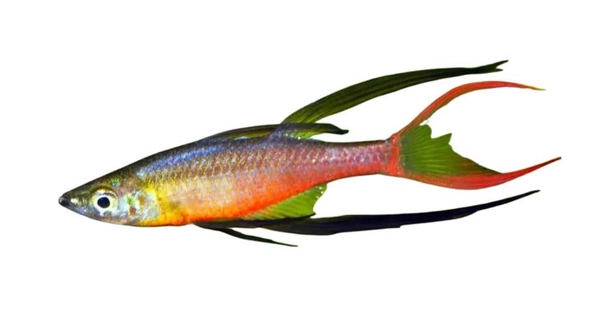
Do you ever notice your Threadfin Rainbowfish acting restless or hiding more than usual in their tank? Maintaining a healthy and visually appealing environment can be tricky, especially as plants and decorations grow or shift over time.
A Threadfin Rainbowfish tank requires rescaping when overgrown plants, accumulated debris, or poorly arranged decorations begin to disrupt water flow, limit swimming space, or reduce visual appeal. Regular assessment ensures fish health, prevents stress, and maintains an optimal aquatic environment for these vibrant species.
Even small changes in tank layout can significantly improve fish activity and overall tank balance. Observing these signs early helps maintain a thriving and harmonious underwater habitat.
Overgrown Plants Restricting Swimming Space
When plants in your Threadfin Rainbowfish tank grow too tall or dense, they can block swimming paths and make the fish feel confined. These fish are active swimmers and need open water areas to move freely. Overgrown plants also reduce water circulation, which can lead to uneven temperatures or oxygen levels. Dead leaves and decaying plant matter can accumulate at the bottom, increasing the risk of harmful bacteria and algae growth. Trimming and rearranging plants ensures that there is a balance between hiding spots and open swimming areas. When plants are arranged thoughtfully, fish feel secure without feeling trapped, and the tank remains visually appealing. Regular maintenance, like pruning and checking plant health, helps prevent these problems from escalating. This proactive care keeps the fish healthy and reduces stress, making the tank easier to manage over time. Paying attention to plant growth is essential for the wellbeing of both your fish and the overall tank ecosystem.
Trimming plants not only improves swimming space but also maintains proper water flow throughout the tank.
Healthy plant management promotes better oxygenation, limits debris buildup, and keeps fish active and stress-free, enhancing the tank’s overall balance.
Accumulated Debris and Uneven Substrate
Debris, leftover food, and detritus often collect on the substrate in a Threadfin Rainbowfish tank. These materials can decompose, affecting water quality and increasing ammonia levels, which is harmful to fish. Uneven substrate can trap waste in hidden pockets, making cleaning difficult and allowing bacteria to grow unnoticed. Over time, this can stress your fish, cause illness, and create unpleasant odors in the tank. Rescaping to remove debris, leveling the substrate, and adding clean decorations can improve water flow and make cleaning easier. Regular siphoning of the substrate and checking corners of the tank helps maintain a healthy environment. Adjusting the layout also prevents dead zones where debris accumulates and ensures the tank remains safe and attractive. Paying attention to these subtle changes keeps your fish swimming comfortably and reduces the risk of water quality issues.
Cleaning the substrate and removing waste helps fish remain healthy and maintains the tank’s visual appeal.
A well-maintained substrate also supports beneficial bacteria that break down waste naturally. Uneven or cluttered substrates can create pockets of decaying matter, leading to harmful chemical spikes. By rescaping and leveling the substrate, you reduce these risks and improve water circulation. Adding decorations thoughtfully allows for hiding spaces while keeping the tank open enough for swimming. This balance between aesthetics and function ensures fish stay active and stress levels remain low. Regular maintenance, including checking for trapped debris and rearranging items as needed, keeps the environment safe. Overall, paying attention to substrate and debris management is a key part of a thriving Threadfin Rainbowfish tank, ensuring long-term health and a visually pleasing setup.
Algae Overgrowth
Algae can quickly cover tank surfaces, decorations, and plants, reducing light and affecting water quality. Excessive algae signals an imbalance in nutrients or lighting, which can stress Threadfin Rainbowfish and make the tank look untidy.
Algae overgrowth competes with plants for nutrients and oxygen, slowing plant growth and creating murky water. Fish may avoid areas with heavy algae, reducing swimming activity and increasing stress. Light intensity, photoperiod, and excess nutrients contribute to rapid algae development. Regular cleaning of glass, decorations, and trimming affected plants helps manage algae levels. Introducing algae-eating species, such as snails or shrimp, can complement manual cleaning. Monitoring water chemistry, particularly nitrates and phosphates, is essential to prevent recurring blooms. A balanced approach maintains a healthier, cleaner, and visually appealing tank.
Managing algae ensures that plants and fish remain healthy. Removing buildup promptly prevents water quality issues and preserves the tank’s natural beauty. Regular observation helps catch growth early, keeping the environment balanced.
Worn or Deteriorating Decorations
Decorations in a Threadfin Rainbowfish tank can degrade over time, with paint chipping, plastics breaking down, or wood rotting. These changes can release harmful chemicals or sharp edges, endangering fish.
Old decorations may also trap debris or block water flow, creating dead zones. Broken or unstable items can harm fish during swimming or hiding. Regular inspection and replacement of damaged decorations are necessary to prevent injuries and maintain a safe habitat. Choosing non-toxic, durable materials reduces frequent replacements and ensures long-term tank safety. Rearranging decorations can also refresh the environment, providing new hiding spots and stimulating fish activity. Paying attention to decorations’ condition supports both aesthetics and fish wellbeing.
Maintaining safe decorations protects fish health while keeping the tank visually appealing. Replacing worn items prevents contamination, reduces stress, and encourages natural behaviors, ensuring the aquarium remains a balanced environment for Threadfin Rainbowfish.
Uneven Water Flow
Uneven water flow can create stagnant areas in the tank, where debris accumulates and oxygen levels drop. Threadfin Rainbowfish may avoid these zones, limiting their movement and increasing stress.
Adjusting filter placement or adding small powerheads can improve circulation, ensuring consistent water movement throughout the tank.
Crowded Tank
Overcrowding reduces swimming space and increases competition for food and oxygen. Threadfin Rainbowfish thrive in moderately populated tanks, so too many fish can lead to stress, aggression, and poor growth. Managing population density is crucial for maintaining a healthy and balanced environment.
Faded or Dull Fish Colors
Threadfin Rainbowfish can lose vibrancy when stressed or living in poor tank conditions. Faded colors may indicate inadequate nutrition, poor water quality, or insufficient lighting, signaling that rescaping or maintenance is needed.
FAQ
How often should I rescape my Threadfin Rainbowfish tank?
Most aquarists find that minor adjustments every few weeks and a full rescaping every 3–6 months works best. Frequent observation helps identify overgrown plants, debris buildup, or decorations shifting, allowing you to maintain an optimal environment without disrupting the fish too much.
What tools do I need for rescaping?
Basic tools include plant scissors, tweezers, a small net, a siphon for substrate cleaning, and containers to temporarily hold fish or plants. Using these tools carefully ensures you can rearrange or trim plants, clean decorations, and remove debris without stressing your fish.
Can I rescape without removing my fish?
Yes, small adjustments can often be done with fish in the tank, but major rearrangements, substrate leveling, or deep cleaning may require temporarily relocating the fish to a safe holding container. Always ensure water parameters in the temporary tank are stable.
How do I prevent algae from returning quickly?
Controlling light exposure, avoiding overfeeding, and maintaining proper water chemistry are key. Cleaning surfaces regularly and trimming plants helps prevent algae buildup. Adding algae-eating snails or shrimp can provide additional support while maintaining a balanced ecosystem.
Is it okay to move plants and decorations frequently?
Frequent changes can stress fish if done abruptly. Make small adjustments gradually to allow your Threadfin Rainbowfish to adapt. Rearranging can stimulate natural behaviors and reduce boredom, but always maintain open swimming areas and hiding spots.
What should I do if fish hide after rescaping?
Hiding is a normal response to change. Give your fish a day or two to adjust. Ensure the tank offers hiding spaces but also open swimming areas. Consistent water parameters and minimal disturbance help reduce stress during this period.
Can rescaping improve fish health?
Yes. Proper plant placement, open swimming areas, and clean substrate support natural behaviors, reduce stress, and improve water circulation. A well-maintained tank encourages active fish, enhances coloration, and minimizes the risk of disease.
How do I choose safe decorations?
Opt for non-toxic, aquarium-safe materials. Avoid sharp edges or painted items that could leach chemicals. Natural wood, smooth rocks, and durable plastics are ideal. Always rinse and clean decorations before placing them in the tank.
Should I change the substrate when rescaping?
Not always. Rescaping often involves leveling, cleaning, or adding small amounts of substrate. Complete replacement is only necessary if substrate is contaminated, overly compacted, or causing water quality issues. Regular maintenance is usually sufficient.
How can I balance aesthetics and fish comfort?
Arrange plants and decorations to provide both hiding spots and open swimming areas. Maintain water flow and oxygen levels while creating a visually appealing layout. Prioritizing fish wellbeing ensures a healthy, lively tank while still looking attractive.
What signs indicate it’s time for a full rescaping?
Overgrown plants blocking swimming paths, heavy algae, dull fish colors, uneven substrate, debris accumulation, or worn decorations are all signs. Observing fish behavior and tank condition regularly helps you determine when a full rescaping is necessary to restore balance and health.
Can rescaping reduce stress for Threadfin Rainbowfish?
Yes. Proper layout with adequate hiding spaces and open areas reduces competition and territorial conflicts. Clean substrate and decorations improve water quality, while maintaining a familiar yet stimulating environment helps fish feel secure and thrive.
How do I maintain stability after rescaping?
After changes, monitor water parameters daily for a week. Avoid sudden large adjustments and keep feeding consistent. Gradually introduce any new plants or decorations to allow the tank ecosystem to adapt while ensuring your fish remain comfortable.
Are there seasonal considerations for rescaping?
Temperature and light variations can affect plant growth and fish behavior. Spring and summer may require more frequent plant trimming, while winter may need adjustments to lighting and circulation. Observing seasonal changes helps maintain a stable, healthy environment year-round.
How long does it take for fish to adjust after rescaping?
Adjustment times vary but generally range from a few hours to a couple of days. During this period, fish may hide or swim less actively. Minimizing disturbances, monitoring water parameters, and keeping feeding routines consistent support a smooth transition.
Can rescaping improve tank cleanliness?
Absolutely. Rearranging decorations, trimming plants, and cleaning substrate reduces debris accumulation and prevents dead zones. Improved water flow and balanced plant placement help maintain cleaner, healthier conditions, reducing algae growth and keeping the tank visually appealing.
Is it necessary to rescape if fish seem healthy?
Even if fish appear healthy, regular rescaping prevents future problems. It maintains swimming space, supports plant growth, and ensures decorations remain safe. Proactive rescaping helps sustain long-term fish health and prevents stress or disease from unnoticed changes in the tank.
How do I safely introduce new plants during rescaping?
Rinse and inspect new plants to remove pests or contaminants. Trim any damaged leaves and plant them carefully in the substrate. Introducing them gradually helps the ecosystem adjust without disrupting fish behavior or water quality.
Can lighting changes affect the need for rescaping?
Yes. Strong or prolonged lighting can accelerate plant and algae growth, necessitating more frequent trimming and adjustments. Monitoring light intensity and duration helps manage plant size and prevents excessive algae, reducing the frequency of full rescaping sessions.
What role does water quality play in rescaping frequency?
Maintaining stable water parameters reduces stress, algae growth, and plant decay. Poor water quality can make rescaping urgent, as fish become more sensitive to environmental changes. Regular testing and adjustments support both rescaping efforts and overall tank health.
How do I make rescaping easier long-term?
Use durable, easy-to-clean decorations, maintain moderate plant growth, and regularly siphon substrate. Consistent observation and minor adjustments prevent major overhauls, making rescaping less stressful for both fish and the aquarist while sustaining a visually pleasing, balanced tank.
This FAQ covers common concerns and practical tips for maintaining a healthy, vibrant Threadfin Rainbowfish tank through careful and consistent rescaping practices.
Final Thoughts
Maintaining a Threadfin Rainbowfish tank is not just about keeping water clean or adding decorations. It is about creating a balanced environment where fish can thrive naturally. Over time, plants grow, decorations shift, and debris accumulates. These changes might seem small, but they can affect the comfort and health of your fish. Regular observation of your tank helps you notice these subtle changes before they turn into bigger problems. By paying attention to swimming behavior, plant growth, water clarity, and fish coloration, you can identify when it’s time to make adjustments. Rescaping is not a one-time task; it is part of ongoing care that ensures the tank remains suitable for the needs of your Threadfin Rainbowfish. A well-maintained tank supports active, healthy fish and keeps the environment visually appealing.
Rescaping involves more than just aesthetics. It improves water circulation, ensures adequate swimming space, and reduces stress for fish. When plants are overgrown, algae proliferates, or decorations deteriorate, the tank becomes less functional and can impact fish behavior. Proper rescaping addresses these issues by trimming plants, cleaning substrate, and arranging decorations thoughtfully. Even small changes, like leveling the substrate or repositioning plants, can make a noticeable difference in water quality and fish comfort. Taking the time to carefully plan and execute these adjustments shows a commitment to long-term fish health. Over time, this practice reduces the frequency of major maintenance and prevents sudden problems that might require more intensive intervention. A stable, clean, and organized tank allows fish to display their natural behaviors, swim freely, and maintain vibrant colors.
Consistency is key when caring for Threadfin Rainbowfish. Regular rescaping, along with monitoring water parameters and feeding routines, ensures that fish remain stress-free and the tank stays balanced. It also makes daily maintenance easier, as cluttered or overgrown tanks are harder to clean and manage. While the process might seem time-consuming at first, the benefits are clear. Fish are healthier, more active, and the tank remains attractive. Planning small, gradual changes rather than large, abrupt modifications helps fish adjust without stress. Maintaining a thoughtful balance between aesthetics and functionality creates a sustainable environment that benefits both the fish and the aquarist. Over time, consistent care builds a reliable routine, making rescaping a manageable and rewarding part of keeping a Threadfin Rainbowfish tank.

Hello,
If you enjoy the content that we create, please consider saying a "Thank You!" by leaving a tip.
Every little bit helps us continue crafting quality advice that supports the health, happiness, and well-being of pets around the world, for pets of all shapes, sizes, and species.
We really appreciate the kindness and support that you show us!