
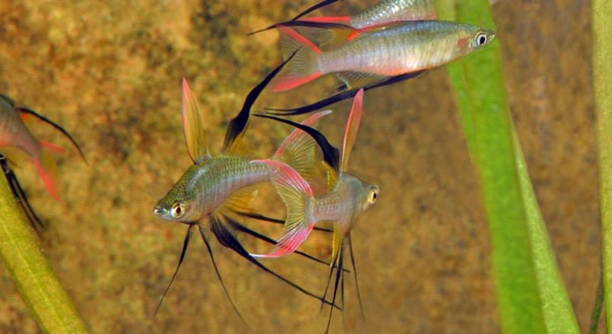
Have you ever noticed the unique presence of an alpha threadfin rainbowfish in a community tank? Their subtle behaviors often stand out, influencing both interactions and dynamics with other fish in a seemingly effortless way.
Alpha threadfin rainbowfish exhibit dominance through consistent territorial behavior, assertive swimming patterns, and subtle coloration changes. These traits establish hierarchy within groups, ensuring survival advantages and reproductive success, while maintaining social order in their natural or captive environments.
Observing these traits closely can reveal surprising insights into their social hierarchy and help aquarists manage their aquatic communities more effectively.
Recognizing Subtle Dominance
Alpha threadfin rainbowfish often assert their presence through small, consistent actions. They patrol the upper sections of the tank more frequently, glide past others with confidence, and maintain a slightly elevated posture. Observing these movements can help identify which fish naturally leads. In addition to physical behavior, subtle color changes may appear. During feeding times, the alpha fish often approaches first and secures prime locations, signaling dominance without direct aggression. Social interactions also reveal hierarchy; other fish yield or adjust swimming paths around the alpha, demonstrating their understanding of rank. Even minor movements, such as fin flicks or gentle nudges, can communicate authority within the group. Recognizing these traits early is useful for aquarists to maintain harmony in mixed-species or crowded tanks, preventing unnecessary stress. Alpha fish often balance assertiveness with calmness, ensuring their dominance does not provoke constant conflict. Watching these behaviors carefully can provide insight into their social strategies and influence over the community.
Observing territorial patterns helps maintain a healthy tank, ensuring every fish has space without constant aggression.
Paying close attention to these small signs allows aquarists to anticipate conflicts and make adjustments. Recognizing which fish leads can guide placement of decorations, feeding routines, and tank mates, creating a more balanced aquatic environment. This proactive approach minimizes stress, encourages natural behavior, and supports overall health, making it easier to sustain a thriving tank without ongoing disruption.
Behavioral Interactions with Tank Mates
Alpha threadfin rainbowfish interact with others in distinct ways, often initiating subtle social cues and maintaining dominance.
These fish show leadership by controlling feeding order, selecting preferred swimming areas, and signaling position through body language. Observing their interactions can reveal how they negotiate space and respond to challenges. Lower-ranking fish often mimic or adjust to the alpha’s movements, demonstrating a clear social structure. Understanding these patterns allows aquarists to arrange tank layouts effectively, provide adequate hiding spots, and ensure food distribution minimizes stress. Over time, the alpha’s consistent behaviors stabilize the group, reducing sudden skirmishes and maintaining equilibrium within the tank. Managing interactions carefully encourages natural behavior while preventing undue aggression. For breeders or hobbyists, recognizing these patterns supports better long-term health, breeding success, and tank harmony. Observing subtle gestures like slight nudges or synchronized swimming reinforces understanding of dominance without resorting to constant monitoring or intervention. Properly assessing social dynamics benefits every fish, fostering a peaceful and thriving aquatic environment.
Subtle Color Signals
Alpha threadfin rainbowfish often display slight color intensifications during interactions or feeding times. These changes are not dramatic but indicate confidence and social standing within the group. Observing these shifts helps identify the leading fish without relying on aggression.
Color changes serve multiple purposes. They communicate dominance to other fish and signal readiness during mating or territorial disputes. These subtle shifts can include brighter fins, slightly deeper body tones, or accentuated stripes. Monitoring these variations allows aquarists to understand hierarchy and social dynamics. Fish lower in rank typically exhibit duller colors, deferring visually to the alpha. Recognizing these cues reduces stress in the tank and aids in predicting behavior patterns before conflicts arise, making management of mixed groups more straightforward.
These visual cues are also critical during breeding periods. Alpha fish often intensify their colors to attract mates or assert authority over territory. Watching for these signs can guide tank arrangements, ensuring lower-ranking fish have safe areas while maintaining the alpha’s leadership role. Adjusting environmental features like plants or hiding spots around color changes helps prevent unnecessary confrontation and supports natural behavior expression.
Feeding and Resource Control
Alpha threadfin rainbowfish usually eat first and occupy preferred feeding spots, establishing clear access to resources. Lower-ranking fish adapt by feeding later or in less contested areas, reflecting the hierarchy.
Dominant fish demonstrate control over food distribution, often positioning themselves near high-value areas or the center of the tank. They may gently nudge others aside or assert subtle postures to maintain priority. This behavior ensures the alpha receives optimal nutrition while teaching subordinate fish their place. Observing these patterns allows aquarists to manage feeding schedules effectively, prevent stress, and distribute food evenly across the tank. Maintaining awareness of who claims resources first reduces competition and supports balanced growth for all fish.
Managing feeding routines with the alpha’s behavior in mind improves overall tank health. Rotating food locations, providing multiple feeding spots, and monitoring fish response ensures that lower-ranking individuals receive sufficient nutrition without confrontation. Over time, this structured approach reinforces natural social patterns while minimizing aggression. By recognizing these behaviors and planning accordingly, aquarists can create a stable environment where all fish thrive. Careful observation and proactive adjustments ensure dominance does not negatively impact subordinate fish, promoting harmony and long-term health within the aquatic community.
Territorial Awareness
Alpha threadfin rainbowfish maintain specific areas of the tank they patrol regularly. These zones often include prime swimming routes and hiding spots, which the fish monitor consistently.
Lower-ranking fish usually avoid these areas, respecting the alpha’s established territory. Recognizing these boundaries helps prevent conflicts and maintains tank harmony.
Subtle Fin Displays
Fin movements convey dominance without aggression. Slight flicks or flares communicate authority during interactions and reinforce social ranking. Observing these gestures helps identify the leading fish and understand group dynamics.
Social Grooming and Interaction
Alpha threadfin rainbowfish engage in gentle nudges or coordinated swimming patterns with other fish. These behaviors establish relationships, signal rank, and maintain cohesion within the group. Subtle interaction strategies reduce aggression and encourage predictable behavior, making tank management easier for aquarists.
Response to Environmental Changes
Alpha fish often react first to new objects, plants, or decorations in the tank. Their movement patterns and positioning provide cues to other fish, guiding group responses efficiently.
What makes a threadfin rainbowfish alpha?
An alpha threadfin rainbowfish is usually the fish that consistently shows confidence and control over its surroundings. Dominance is expressed through subtle behaviors such as patrolling preferred areas, taking the best feeding spots, and displaying slight color intensification. Unlike aggressive leaders, the alpha uses gentle nudges, posture, and positioning to maintain authority. Observing which fish receives deference from others or claims the central swimming routes is the easiest way to identify the alpha. Over time, their behavior stabilizes the social hierarchy within the tank, ensuring predictable interactions among the group.
How can I tell if my alpha is stressed?
Signs of stress in alpha threadfin rainbowfish include sudden loss of color, hiding more than usual, erratic swimming, or refusing to feed. Even dominant fish can experience stress when overcrowded, during water quality changes, or when tankmates challenge their authority. Monitoring their posture and interaction patterns can provide early warnings. Addressing stress involves ensuring proper tank size, water parameters, hiding spaces, and balanced feeding routines. Maintaining a stable environment helps the alpha preserve its natural behaviors while preventing disruption to subordinate fish.
Do alpha fish bully others?
Alpha threadfin rainbowfish rarely exhibit overt aggression unless competing for resources or during breeding periods. Most dominance is communicated through subtle signals such as positioning, fin displays, or color changes. Lower-ranking fish learn to avoid conflict by adjusting swimming paths or feeding order. This behavior minimizes stress in the tank while maintaining a clear social structure. Careful observation ensures that subtle bullying does not escalate. Providing multiple feeding areas and hiding spots can help subordinate fish feel secure while allowing the alpha to maintain its role naturally.
Can the alpha’s behavior change over time?
Yes, dominance in threadfin rainbowfish can shift, especially if the alpha becomes weak, ill, or is challenged by another assertive fish. Subtle signs such as reduced color intensity, slower swimming, or decreased control over resources indicate a possible change. Tank arrangements and social dynamics can influence hierarchy, so observing interactions regularly ensures the group remains stable. Adjusting feeding schedules and territory markers can help reinforce the alpha’s position if desired, or allow for natural succession without stressing the community.
Should I separate an aggressive alpha?
Separation is usually unnecessary unless aggression escalates to continuous attacks or injury risk. Most alpha threadfin rainbowfish assert dominance subtly, with lower-ranking fish naturally avoiding confrontation. If aggression becomes frequent, providing additional hiding areas, rearranging plants, or offering multiple feeding zones often resolves the issue. Only in rare cases of extreme conflict should temporary separation be considered, and reintroduction should occur carefully to maintain hierarchy. Monitoring interactions before taking drastic steps is essential to ensure all fish remain healthy and stress-free.
How do alpha traits affect breeding?
Alpha threadfin rainbowfish often have priority access to mates and territory during spawning. Dominance signals, such as intensified coloration and confident swimming, attract potential partners and signal readiness. Subordinate males usually defer, reducing competition and ensuring a stable breeding environment. Recognizing these traits helps aquarists plan breeding setups, providing adequate space and hiding areas to reduce stress and encourage natural reproductive behavior. Maintaining the alpha’s leadership role ensures smoother breeding interactions and healthier fry development.
Can I have multiple alphas in one tank?
Multiple alphas rarely coexist peacefully unless the tank is very large and has sufficient territory and hiding spaces. In smaller tanks, conflicts can escalate quickly, leading to stress and potential injury. Providing visual barriers, dense vegetation, or separate feeding zones can help mitigate disputes. Monitoring their interactions is crucial, as one fish will usually emerge as dominant over time, while others adopt subordinate roles. Balancing numbers, space, and resources ensures a more harmonious group and prevents constant competition for dominance.
How do environmental changes influence alpha behavior?
Alpha threadfin rainbowfish are often the first to respond to new tank decorations, changes in water parameters, or introduction of new fish. Their movements guide subordinate fish, demonstrating safe zones and feeding patterns. Environmental disruptions may temporarily challenge their dominance, but they usually reassert authority once the new equilibrium is established. Maintaining stable water conditions, consistent feeding, and gradual changes reduces stress for the alpha and preserves natural hierarchy, allowing the fish to continue leading the group effectively.
What is the role of subtle fin and body movements?
Slight fin flicks, flares, or gentle nudges are primary tools for alpha threadfin rainbowfish to communicate dominance. These movements are non-aggressive but highly effective in reinforcing hierarchy. Subordinate fish recognize these signals and adjust their behavior accordingly. Understanding these subtle gestures allows aquarists to monitor social dynamics without interfering, ensuring the tank remains balanced and stress-free for all inhabitants.
Alpha threadfin rainbowfish display a fascinating combination of subtlety and control within their social groups. Observing their behavior over time reveals how dominance is maintained through consistent, non-aggressive actions. The alpha’s patrolling of preferred areas, priority access to feeding spots, and gentle communication with other fish create a stable environment in the tank. These behaviors are not always obvious at first glance, but careful attention can reveal which fish leads. Understanding these dynamics is helpful for aquarists who want to maintain harmony and ensure the well-being of all fish in the community. Watching how an alpha interacts with others provides insight into natural social structures, helping to anticipate conflicts and adjust tank conditions when necessary.
The role of color changes and subtle movements cannot be underestimated. Slight intensifications in hue or gentle flicks of the fins often indicate confidence and leadership. These cues are key to understanding the social hierarchy and the alpha’s position. Fish lower in rank respond to these signals, adjusting swimming patterns, feeding order, and general behavior accordingly. Providing a tank environment that respects these interactions—through proper space, hiding spots, and feeding strategies—can reduce stress and encourage natural behavior. Recognizing these patterns allows for a more predictable and peaceful community, where subordinate fish can thrive without constant confrontation. In addition, attention to these details improves breeding outcomes by ensuring that dominant individuals have clear access to mates and territory while maintaining a safe environment for others.
Maintaining an alpha threadfin rainbowfish in a home aquarium requires observation, planning, and patience. Environmental stability, proper nutrition, and thoughtful tank layout all contribute to the alpha’s ability to assert leadership without causing undue stress. Changes to the tank, introduction of new fish, or shifts in hierarchy should be managed carefully, with attention to subtle signs of dominance, stress, or aggression. Over time, understanding the nuances of the alpha’s behavior fosters a balanced and thriving community. By observing territorial patterns, social interactions, feeding priorities, and visual signals, aquarists can support natural behaviors and maintain harmony among all fish. Recognizing these traits enhances the overall health, growth, and long-term well-being of the aquarium population. In the end, appreciating the subtle power of an alpha threadfin rainbowfish deepens the connection between caretaker and fish while promoting a stable, enriching aquatic environment.

Hello,
If you enjoy the content that we create, please consider saying a "Thank You!" by leaving a tip.
Every little bit helps us continue crafting quality advice that supports the health, happiness, and well-being of pets around the world, for pets of all shapes, sizes, and species.
We really appreciate the kindness and support that you show us!