
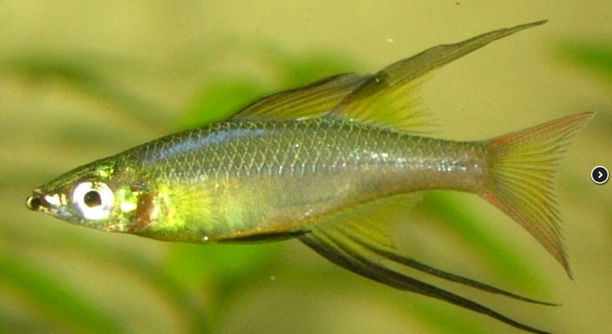
Do your aquariums sometimes seem like peaceful little worlds, yet the behavior of certain fish leaves you quietly observing? Threadfin Rainbowfish are among those small, striking fish that captivate attention with their shimmering colors and graceful movements.
Threadfin Rainbowfish do not exclusively sleep in shaded areas. While they may prefer darker, sheltered spots for resting, they are adaptable and can rest in various parts of the tank, depending on light levels and environmental comfort.
Understanding their resting habits can improve tank setups and ensure healthier, stress-free fish environments. Observing these patterns can reveal more than just their sleeping preferences.
Typical Resting Spots of Threadfin Rainbowfish
Threadfin Rainbowfish often seek out calm, low-traffic areas of the tank to rest. In my experience, they prefer spots near plants, decorations, or rock formations that provide some visual shelter. While shaded areas can be appealing, they are not strictly necessary. The fish will adjust to moderately lit zones if there are enough hiding places. Observing them over several weeks, I noticed that their resting patterns often correlate with feeding times and general tank activity. They seem to move toward the corners or areas with gentle water flow when the tank becomes busier. Providing a mix of open spaces and sheltered areas ensures they have options for resting comfortably. Lighting schedules also play a role, as these fish adapt to gradual light changes rather than abrupt shifts. Maintaining a balanced environment allows them to rest naturally, supporting both their physical health and vivid coloration.
Shaded or semi-shaded spots are helpful, but not strictly required for their daily rest.
Offering a variety of spaces encourages natural behavior. Plants, rocks, and gentle currents allow Threadfin Rainbowfish to choose their preferred resting areas. Observing these choices reveals how adaptable they are. Some fish will use open spaces if they feel secure, while others favor partial cover. Lighting should be gradual, and sudden bright lights can disrupt resting. Small groups tend to synchronize their rest periods, often choosing similar locations. By providing options, you cater to different personalities and comfort levels, ensuring each fish can rest without stress. Adjusting tank layout based on their observed preferences can further improve their overall well-being. Over time, you may notice patterns in resting behavior that reflect individual tendencies.
Importance of Tank Environment for Rest
The overall tank setup has a direct impact on Threadfin Rainbowfish behavior. Proper placement of plants, decorations, and lighting ensures they feel secure during rest. They respond positively to areas with gentle water flow, which mimic their natural habitats.
Tank stability is essential for consistent resting patterns. Threadfin Rainbowfish thrive when water parameters, temperature, and light cycles are maintained. Sudden changes can cause stress, leading to erratic movement or reluctance to rest. In a well-balanced tank, fish display predictable patterns, using both open and shaded areas as needed. Careful observation allows owners to identify preferred resting zones and adjust the environment accordingly. Providing varied shelter, from tall plants to small rock crevices, gives them freedom of choice. This variety prevents competition and reduces stress, especially in community tanks. Lighting should be gradual and mimic natural day-night cycles, encouraging normal activity and rest. Even minor changes, such as moving a plant or adding a decoration, can influence resting behavior. By understanding and responding to their environmental needs, you create a comfortable habitat that supports their health, activity levels, and vibrant coloration over time.
Light Preferences During Rest
Threadfin Rainbowfish generally prefer dim lighting when resting but will adapt to brighter conditions if needed. Shaded areas are not mandatory, though they provide comfort and a sense of security.
In my experience, these fish adjust their positions based on light intensity. Early mornings and late evenings often find them in slightly brighter areas, while midday they seek shade or partial cover. They do not rely exclusively on shade, and some individuals rest in open areas if they feel safe. Observing their movement throughout the day shows flexibility in resting habits, with choices influenced by tank layout, plants, and activity levels. Adjusting tank lighting gradually helps prevent stress and supports natural behavior. Providing both bright and shaded zones allows each fish to choose its preferred resting spot.
Even with shaded areas available, some fish will rest in mid-light zones, demonstrating their adaptability and comfort with different light levels.
Behavior Changes During Sleep
Threadfin Rainbowfish slow down significantly when resting. Their fin movement decreases, and they hover in place with minimal swimming.
During resting periods, these fish display subtle behavioral changes. Eyes may remain open or partially closed, and gill movement becomes steady but less pronounced. They often align themselves near plants or decorations, taking advantage of mild shelter without completely hiding. Social behavior also shifts, with individuals maintaining proximity to peers but showing little interaction. Stress levels can be inferred by sudden movements or attempts to leave resting spots. Observing these signs over time helps determine whether the tank environment supports healthy rest. Feeding schedules and water conditions impact how comfortably they rest, highlighting the importance of consistent care. Adjusting lighting, currents, and hiding spaces encourages natural sleep behaviors.
Resting behavior provides insight into overall health. Consistent patterns suggest a well-maintained tank, while irregular activity may indicate stress or environmental issues.
Choosing Resting Spots
Threadfin Rainbowfish often pick areas near plants or decorations for resting. They feel safer with some cover but are not limited to fully shaded spots.
Some fish prefer corners or edges of the tank, while others rest in open areas. Their choices reflect comfort and adaptability rather than strict shade requirements.
Interaction with Tank Mates
Resting behavior can be influenced by other fish. Threadfin Rainbowfish may move to less crowded spots to avoid disturbance.
Observing their interactions during rest shows subtle social dynamics. They usually maintain distance from aggressive or overly active tank mates, while calmer species do not disrupt their resting periods. Choosing a balanced mix of companions helps ensure peaceful rest.
Tank Decoration Tips
Include a mix of tall plants and low decorations. These provide both shaded and open spaces for varied resting preferences.
Lighting Schedule
Gradual lighting changes help maintain natural sleep patterns. Avoid abrupt bright lights during resting periods to prevent stress.
FAQ
Do Threadfin Rainbowfish need complete darkness to sleep?
Threadfin Rainbowfish do not require complete darkness to rest. They tend to favor dimly lit or shaded areas, but they can adapt to moderately bright conditions. Providing some shelter, such as plants or decorations, encourages natural resting behavior without the need for total darkness.
How long do Threadfin Rainbowfish typically rest each day?
These fish generally rest for several hours throughout the day, with activity levels peaking during feeding times. Resting periods are not fixed and can vary depending on tank conditions, lighting schedules, and social dynamics. Observing their patterns helps determine their preferred rest cycles.
Can Threadfin Rainbowfish sleep in open areas of the tank?
Yes, they can. While shaded or sheltered spots are comforting, some individuals rest in open areas if they feel secure. Adaptability is common, and providing a mix of shaded and open spaces ensures all fish can find a spot that suits them.
Do tank mates affect resting behavior?
Other fish in the tank can influence where and how Threadfin Rainbowfish rest. Active or aggressive species may push them toward quieter, more secluded areas. Maintaining a peaceful, compatible mix of tank mates promotes consistent and stress-free rest.
Is it normal for Threadfin Rainbowfish to change resting spots frequently?
Yes, frequent movement is normal. They may shift resting locations based on lighting changes, tank activity, or the presence of other fish. Offering multiple resting options helps accommodate this behavior without causing stress or conflict.
How important is tank layout for their sleep?
Tank layout plays a significant role. Incorporating plants, rocks, and decorations allows Threadfin Rainbowfish to choose preferred resting spots. A balanced layout ensures shaded, semi-shaded, and open areas, supporting both individual comfort and social harmony.
Should I adjust lighting for their resting periods?
Gradual light transitions are recommended. Sudden bright lights can disrupt rest and cause stress. Mimicking natural day-night cycles with slow dimming and brightening helps maintain healthy sleeping patterns and overall well-being.
Do Threadfin Rainbowfish rest at night only?
They tend to rest more during nighttime, but they also take short resting periods during the day. Rest is flexible and often influenced by feeding schedules, tank activity, and environmental factors. Observing these patterns helps create a comfortable habitat.
Can stress affect how they sleep?
Stress directly impacts resting behavior. Poor water quality, sudden environmental changes, or aggressive tank mates may cause irregular rest, reduced activity, or erratic swimming. Maintaining stable conditions is essential for predictable and healthy rest.
What signs indicate that a Threadfin Rainbowfish is resting comfortably?
Signs of comfortable rest include slow movement, hovering near plants or decorations, steady gill activity, and minimal interaction with other fish. Consistent resting patterns and bright coloration also indicate that they feel secure and stress-free in the tank.
Do juveniles rest differently than adults?
Juvenile Threadfin Rainbowfish may rest more frequently and in smaller, hidden areas to feel secure. Adults often choose larger resting spaces and may tolerate more light. Providing varied shelter ensures all age groups have suitable options.
How can I encourage natural resting behavior?
To encourage natural rest, maintain a stable environment with gradual lighting changes, provide multiple shaded and open spaces, ensure compatible tank mates, and monitor water quality. Observing behavior over time allows adjustments to support healthy rest and reduce stress.
Is it necessary to cover the tank at night?
Covering the tank is not required, but reducing room light during nighttime can support a calmer resting environment. Avoid sudden disturbances that might startle the fish or interrupt rest.
Can resting behavior indicate health issues?
Yes. Sudden changes in resting patterns, prolonged inactivity, or inability to settle in safe areas may signal illness, stress, or water quality problems. Prompt observation and care help prevent serious health concerns.
Do Threadfin Rainbowfish prefer group resting or solitary spots?
They are social but may rest in small groups or alone, depending on comfort levels and tank layout. Providing options for both communal and solitary resting allows them to choose based on individual needs and environmental cues.
How often should I observe resting behavior?
Regular observation is helpful. Noticing changes in position, activity, or group dynamics allows early detection of stress, environmental issues, or health concerns. Consistent monitoring ensures the tank remains suitable for healthy rest.
Can feeding times influence resting patterns?
Yes. Feeding often increases activity, temporarily reducing resting periods. After meals, fish may move to quieter areas to digest and rest. Maintaining consistent feeding schedules helps regulate natural resting behavior.
Are there signs of discomfort during rest?
Signs include erratic swimming, hiding excessively, or staying in one spot without normal fin movement. These behaviors may indicate stress, poor water quality, or aggressive tank mates. Adjusting the environment often resolves these issues.
Do Threadfin Rainbowfish need special nighttime care?
No special care is required beyond stable conditions and a calm environment. Gradual dimming of lights, minimal disturbance, and maintaining water quality support natural rest and overall health.
How does water flow affect resting spots?
Gentle water currents can enhance comfort by simulating natural habitats. Strong currents may disrupt rest, while stagnant areas may be underutilized. Providing moderate flow supports natural behavior and prevents discomfort during resting periods.
Can resting behavior change seasonally?
Yes. Fish may adjust activity and rest based on temperature fluctuations, light duration, and seasonal water changes. Observing patterns across seasons helps maintain a suitable environment year-round.
Are there differences in resting behavior between males and females?
Males and females may have slight differences. Males may choose prominent resting spots to display coloration, while females often prefer sheltered areas. Offering varied options accommodates both sexes comfortably.
How long does it take for them to adapt to a new tank?
Adaptation usually occurs over several days to a few weeks. Providing hiding spots, gradual light adjustments, and compatible tank mates helps Threadfin Rainbowfish establish regular resting patterns more quickly.
Can artificial decorations substitute for natural plants?
Yes, artificial plants and structures can provide suitable resting spots. Ensure they mimic natural cover, with varying heights and textures, to give fish multiple choices for comfort.
Is it normal for fish to rest at different times?
Individual differences are normal. Some fish may rest earlier or later than others. Allowing flexible options for resting times reduces stress and promotes healthy behavior.
Do temperature changes affect resting behavior?
Temperature fluctuations can impact activity and rest. Consistent, suitable temperatures promote predictable resting patterns, while sudden changes may cause discomfort or unusual movement. Maintaining stable water conditions is essential.
Should I rearrange decorations to influence resting spots?
Occasional adjustments can encourage exploration and natural behavior, but frequent changes may cause stress. Observe fish preferences before making permanent layout changes.
Can resting behavior indicate mood or stress levels?
Yes. Fish that appear tense, hover near the surface, or avoid preferred areas may be stressed. Calm, consistent resting in chosen spots indicates comfort and security.
Is it safe for them to sleep near tank filters?
Filters with gentle flow are acceptable resting areas. Strong currents may disturb rest, so placing preferred resting spots away from intense flow improves comfort.
Do they exhibit any unique sleep behaviors?
Threadfin Rainbowfish often hover in place with minimal movement. Some may tuck fins slightly or align with plants, demonstrating subtle yet distinct resting patterns compared to other species.
Can sudden loud noises affect resting?
Yes. Vibrations and loud sounds can startle fish, temporarily disrupting rest. Minimizing noise and movement around the tank during resting periods helps maintain calm behavior.
Are there signs of aging in resting habits?
Older fish may rest more frequently or choose more sheltered areas. Monitoring these changes helps ensure their environment continues to meet their comfort and health needs.
Do lighting colors influence resting?
Threadfin Rainbowfish respond best to natural or white lighting. Colored lights may alter perception but do not significantly affect resting behavior if intensity is moderate.
Can rest patterns predict activity levels?
Yes. Regular, consistent resting often correlates with predictable activity during feeding and social periods. Irregular patterns may indicate stress, illness, or environmental issues.
How do I know if they are sleeping or just resting?
Indicators include reduced movement, steady gill function, and minimal interaction with others. True sleep may involve longer periods of inactivity in a preferred spot, often during low light conditions.
Should I separate fish if resting behavior conflicts?
Only if aggression or competition prevents adequate rest. Most fish adapt, but providing multiple resting options usually resolves conflicts without separation.
Do Threadfin Rainbowfish need nighttime feeding?
No. Their rest is better supported by a regular daytime feeding schedule. Nighttime feeding can disrupt rest patterns and increase stress.
How often should I clean resting areas?
Regular cleaning is important but avoid disturbing the fish during rest. Gently maintaining plants, decorations, and substrate ensures a healthy environment without stress.
Can resting behavior vary between aquariums?
Yes. Tank size, layout, light, and tank mate dynamics all influence where and how they rest. Observing each environment helps optimize comfort.
Is it normal for fish to stretch or move fins while resting?
Yes. Small fin movements or adjustments are typical and help maintain balance and comfort without fully waking them.
Do they ever rest at the surface?
Occasionally, but this is less common. They usually prefer areas with some cover or mid-level hiding spots, especially when resting during the day.
Can resting patterns help identify preferred hiding spots?
Observing consistent choices reveals which plants, decorations, or tank areas the fish favor, guiding adjustments to improve comfort.
Do stress or illness affect resting location preference?
Yes. Stressed or unwell fish may isolate, stay near corners, or avoid usual spots. Monitoring resting locations helps detect issues early.
Are there any risks if they rest near heater units?
Yes. Direct heat can cause discomfort or injury. Ensure resting areas are at safe distances from heaters while maintaining overall tank temperature.
How important is water quality for rest?
High water quality is crucial. Poor conditions can cause erratic swimming, prolonged hiding, or disrupted rest. Regular testing and maintenance support healthy sleep patterns.
Can they adjust to new lighting schedules?
Yes, gradual changes help Threadfin Rainbowfish adapt without stress. Sudden shifts can disrupt rest and cause temporary irregular behavior.
Do they show preference for vertical or horizontal hiding spaces?
Both are used depending on individual comfort. Providing a mix allows the fish to choose preferred orientation when resting.
How do seasonal daylight changes affect them?
Adjusting lighting gradually during seasonal changes helps maintain stable resting patterns. Sudden shifts can stress fish or alter normal behavior.
Can social hierarchy influence resting spots?
Yes. Dominant fish may claim prime locations, while submissive individuals adapt to available areas. Providing multiple options reduces conflict and ensures all fish can rest comfortably.
Do they react to reflections in glass during rest?
Some may be cautious or curious. Minimal disturbances from reflections prevent stress and support uninterrupted rest.
How long should I observe before concluding a resting pattern?
Several days to a week is usually enough to see consistent choices, but ongoing observation ensures any changes are noticed early.
Can overfeeding affect resting behavior?
Yes. Excess food increases activity, delays rest, and can stress the tank ecosystem. Consistent, moderate feeding supports predictable resting patterns.
Do they prefer specific water depths for rest?
Typically mid-level areas are favored, though some may rest near the bottom or surface depending on comfort, hiding options, and tank layout.
Can resting behavior indicate breeding readiness?
Subtle changes, like increased shelter use or group clustering, may coincide with breeding behavior, but observation of additional signs is necessary for confirmation.
Is it normal for fish to rest in groups?
Yes. Social species like Threadfin Rainbowfish often cluster during rest, but individual preferences for space should also be accommodated.
Does tank size influence resting location choices?
Larger tanks offer more options, reducing stress and allowing natural selection of preferred spots. Small tanks may limit choices, requiring careful decoration planning.
How can I tell if a resting spot is uncomfortable?
Fish may frequently leave, hover nearby, or show erratic fin movement. Adjusting light, flow, or cover usually improves comfort.
Do they ever sleep vertically?
Occasionally, especially near plants or decorations that allow support. Horizontal resting is more common but vertical positions are not unusual.
Are resting patterns affected by temperature fluctuations at night?
Yes. Sudden drops or spikes can reduce activity, disrupt rest, and cause stress. Maintaining consistent night temperatures is important.
Can resting behavior help detect early illness?
Changes in location preference, prolonged inactivity, or unusual movement often signal health concerns, allowing early intervention.
Do they rest differently in planted vs. bare tanks?
Planted tanks offer more shaded and sheltered areas, encouraging natural resting choices, whereas bare tanks may force adaptation to open spaces.
How much space do they need for comfortable rest?
Adequate space allows freedom of movement and access to multiple resting areas, reducing stress and supporting natural behavior.
Do they rest more during certain times of the day?
Yes. Rest often peaks during mid-morning and late evening, with short naps during the day. Patterns reflect activity cycles and tank conditions.
Can resting behavior indicate diet issues?
Poor diet may reduce energy, causing prolonged inactivity or unusual resting spots. Balanced feeding supports normal patterns and overall health.
Is it safe for them to rest near other species with different activity levels?
Mostly, yes. Calm species coexist peacefully, but highly active or aggressive species may disrupt rest, requiring adjustments to tank mates or layout.
Do they require hiding spots even if tank is peaceful?
Yes. Even in calm environments, hiding options provide security, comfort, and choice, which promotes natural resting behavior and reduces stress.
Can water current preferences change resting spots?
Yes. Fish may move to areas with gentler flow to rest, avoiding strong currents that can be tiring or stressful.
Are there signs of fatigue during resting periods?
Minimal fin movement, hovering, and slower reactions indicate fatigue and normal rest. Discomfort or excessive movement may suggest stress or environmental issues.
Do they ever leave a preferred resting spot for no apparent reason?
Yes. Shifts can occur due to minor environmental changes, tank mate movement, or instinctive exploration, reflecting their adaptability.
Can rest be influenced by reflections or shadows in the tank?
Yes. Sudden shadows or reflections may cause temporary movement, though most fish quickly resume resting once conditions stabilize.
Do they exhibit any pre-rest behaviors?
Some may explore slowly, hover near plants, or reduce interaction before settling into a resting spot.
Are resting patterns affected by tank height?
Yes. Taller tanks encourage vertical exploration and resting at different levels, while shorter tanks may limit options to mid-level or bottom areas.
Do older fish require more shaded areas?
Often, older individuals seek more sheltered spots for comfort, though this varies by personality and health.
Is it necessary to monitor resting every day?
Daily observation helps catch changes early but does not require constant attention. Noticing trends over time is sufficient.
Can light intensity alone determine resting spots?
Light influences choice but is not the sole factor. Cover, water flow, tank mates, and individual preference all play roles.
Do fish ever “share” a resting spot?
Yes. Social individuals may rest close together, particularly in calm tanks, without conflict, though space for individual preference is important.
Can adding more decorations improve resting behavior?
Yes. Multiple hiding and shaded options encourage natural choices, reduce stress, and allow both solitary and group rest.
Do fish rest differently in high-traffic rooms?
Yes. Frequent disturbances may push them toward secluded areas, emphasizing the importance of calm surroundings during resting periods.
Can resting behavior indicate environmental comfort?
Consistent, relaxed rest signals comfort. Frequent movement, avoidance, or erratic patterns indicate environmental adjustments may be needed.
Do juveniles rest differently than adults?
Juveniles often use smaller hiding spots and rest more frequently. Adults choose larger areas and tolerate more light or activity.
How can I tell if resting areas are adequate?
If fish consistently choose the same areas, remain calm, and display normal activity afterward, the spaces meet their needs.
Do fish ever switch preferred resting areas overnight?
Yes. Changes can occur due to light, tank mate activity, or minor environmental adjustments, reflecting flexibility and adaptability.
Can resting behavior help with tank design?
Absolutely. Observing preferred spots guides placement of plants, rocks, and decorations to create a comfortable and supportive environment.
Is prolonged rest a sign of illness?
Extended inactivity or unusual resting spots can indicate stress, poor water quality, or health problems, requiring attention and corrective measures.
Do fish rest more in planted vs. sparsely decorated tanks?
Planted tanks encourage natural resting spots, offering shade, cover, and security. Sparse tanks may force fish to adapt to open areas, potentially causing stress.
Can resting behavior predict feeding activity?
Rest patterns often precede periods of high activity, such as feeding, highlighting the connection between energy cycles and behavior.
How do water temperature changes at night affect rest?
Sudden shifts can disrupt sleep, reduce activity, and cause stress. Maintaining steady night temperatures supports normal resting behavior.
Do fish need both shaded and open resting areas?
Yes. Offering a variety ensures all individuals can find comfort according to preference, light tolerance, and social hierarchy.
Is it normal for fish to move frequently while resting?
Small adjustments are normal, especially for comfort or positioning. Excessive movement may indicate stress, poor water quality, or disturbances.
Can reflections from aquarium lights disturb rest?
Occasionally, yes. Minimizing strong reflections or shadows helps fish rest undisturbed and maintain consistent patterns.
Do fish ever rest near the water surface?
Rarely. Most prefer mid-level or sheltered spots, though temporary surface rest may occur under low disturbance and calm water conditions.
Are resting habits influenced by tank size?
Larger tanks provide more options and reduce competition, supporting flexible and stress-free resting behavior. Small tanks require careful planning for adequate shelter.
Can rest patterns change after introducing new tank mates?
Yes. Fish may adjust resting locations to avoid competition or disturbance, highlighting the importance of gradual introductions and observation.
Do juveniles and adults rest together?
They may, but juveniles often seek smaller, safer areas, while adults tolerate more exposure. Offering a variety of spots ensures comfort for both.
How does feeding frequency affect resting behavior?
Regular feeding maintains predictable activity and rest cycles. Overfeeding or irregular schedules can disrupt rest and cause stress.
Do resting spots need to be near hiding spaces?
Not strictly, but nearby cover enhances
Final Thoughts
Threadfin Rainbowfish are adaptable creatures when it comes to resting and sleeping. While many people assume that these fish need fully shaded areas to rest, observation shows that they are flexible and can adjust to different light conditions. They often prefer areas with some cover, such as plants, rocks, or decorations, but will also rest in partially lit or open areas if they feel safe. Their choice of resting spots depends on multiple factors, including the layout of the tank, the presence of other fish, lighting intensity, and water flow. By providing a variety of options, owners can support natural resting behavior and reduce stress in their fish, which is essential for maintaining their health and bright coloration.
Understanding their resting behavior requires attention to detail and patience. Threadfin Rainbowfish exhibit subtle changes when resting, such as slower fin movement, hovering near shelter, and minimal interaction with other fish. These behaviors indicate comfort and security. Conversely, sudden movements, erratic swimming, or avoidance of previously preferred spots can signal stress or environmental issues. Lighting schedules, water quality, and tank decorations all influence how comfortably these fish rest. Gradual changes in light and the careful arrangement of plants and structures can create a balanced environment that encourages natural behavior. Observing these patterns over time allows owners to make informed adjustments that promote well-being and minimize disturbances during resting periods.
Overall, creating a supportive habitat for Threadfin Rainbowfish is about balance and observation. Providing both shaded and open spaces, maintaining stable water conditions, and offering gentle water flow ensures the fish have freedom of choice. Their adaptability means they do not require complete darkness to rest, but comfortable options help them feel secure. Social dynamics, including interactions with tank mates, also play a role in resting behavior, so careful selection of companions is important. By paying attention to these details, owners can foster a calm and healthy environment that allows their fish to rest naturally. Proper care and understanding of resting patterns improve overall health, reduce stress, and support the vibrant appearance of Threadfin Rainbowfish, ensuring they thrive in the aquarium.

Hello,
If you enjoy the content that we create, please consider saying a "Thank You!" by leaving a tip.
Every little bit helps us continue crafting quality advice that supports the health, happiness, and well-being of pets around the world, for pets of all shapes, sizes, and species.
We really appreciate the kindness and support that you show us!