
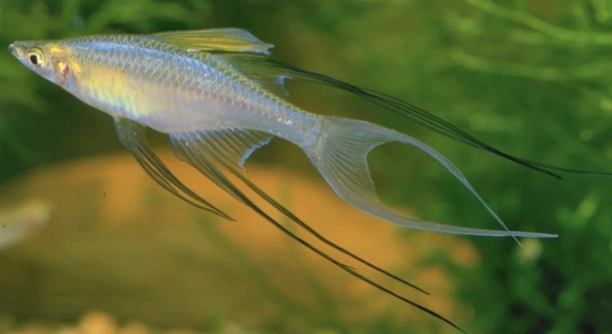
Do your aquariums include Threadfin Rainbowfish that brighten up the tank with their vibrant colors? Observing these fish can reveal fascinating behaviors, especially when a tankmate shows signs of illness. Their reactions often reflect social dynamics and care instincts.
Threadfin Rainbowfish typically exhibit subtle yet noticeable behaviors around sick tankmates. They may increase their attention, swim closer without aggression, or display protective tendencies, indicating a form of social awareness and a response aimed at maintaining group stability and cohesion.
Noticing these interactions can help you better manage the health and harmony of your aquarium community. Understanding their behavior ensures a safer, more balanced environment for all fish.
Recognizing Early Signs of Illness
Threadfin Rainbowfish are observant and sensitive to changes in their tankmates. Early signs of illness may include lethargy, loss of appetite, or unusual swimming patterns. As someone who has kept these fish, I’ve noticed they often linger near a sick fish, seemingly offering companionship or curiosity. Changes in coloration or clamped fins can also indicate stress or illness. It is important to monitor your tank closely, especially when introducing new fish or when water parameters fluctuate. These subtle cues can be lifesaving, allowing you to act before the illness worsens. Maintaining consistent feeding schedules, clean water, and a balanced diet supports overall health. Observing the interactions between healthy and sick fish can provide insight into both behavior and environmental factors. Paying attention to these details makes a noticeable difference in your aquarium’s overall stability and the wellbeing of every fish in the tank.
Early detection helps prevent widespread illness and maintains a harmonious tank environment.
Noticing even small changes can make all the difference. Healthy fish will often respond to ailing tankmates in calm, measured ways, signaling awareness. Monitoring interactions helps maintain both physical and social health within the aquarium.
How Rainbowfish Respond
Threadfin Rainbowfish display specific behaviors when a tankmate is unwell, including shadowing, gentle nudging, or increased proximity.
These fish often show heightened attention, reducing aggression and adjusting their routines. Their behavior indicates an innate social response, prioritizing group balance and minimizing additional stress on the sick individual.
Observing these responses over time can provide a clear understanding of the social structure within your tank. Threadfin Rainbowfish may swim slowly alongside a sick fish, offering non-invasive companionship while avoiding overcrowding. They may also subtly adjust their feeding habits, allowing the weaker fish space to eat without competition. This behavior highlights their awareness of the needs of others and the importance of maintaining group harmony. Changes in water conditions, tank size, and population density can influence the intensity of these responses. Recognizing patterns of care and attention can help in creating a more supportive environment. Maintaining proper diet, temperature, and cleanliness ensures that these social interactions remain healthy rather than stressful. Consistent observation allows you to intervene effectively if illness persists, helping both the sick and healthy fish thrive in a balanced aquatic setting.
Supporting a Sick Tankmate
Providing a calm environment helps sick fish recover faster. Reducing stress, maintaining clean water, and ensuring proper temperature are key factors in supporting their health and minimizing complications.
I’ve observed that Threadfin Rainbowfish often give space to ailing tankmates, letting them rest and recover. Adjusting feeding routines, such as offering smaller, more frequent meals, ensures the sick fish can eat without competition. Using gentle filtration and avoiding sudden movements around the tank further reduces stress. Monitoring water parameters daily, including ammonia, nitrite, and pH levels, keeps conditions stable and prevents secondary infections. Supplementing with vitamins or high-quality food can support immune function, especially for weaker fish.
Behavioral observation is essential. Healthy Rainbowfish may follow or hover near a sick fish without forcing interaction. This indicates a balance between social awareness and respect for the unwell fish’s space. Allowing this natural behavior while maintaining proper care supports recovery and keeps the tank environment stable for all residents.
Isolation and Quarantine Measures
Separating a sick fish can prevent the spread of illness. A quarantine tank should have similar water conditions to the main tank, minimizing stress during transfer.
Quarantining ensures the sick fish receives focused care without interference from more active tankmates. Threadfin Rainbowfish often react calmly when a tankmate is moved, but keeping environmental parameters stable prevents shock. Observing behavior, appetite, and recovery progress is easier in a separate space. Introducing medications or supplements in quarantine allows for targeted treatment while monitoring any adverse reactions closely. Maintaining the same temperature, pH, and filtration style as the main tank helps the fish adjust quickly.
During quarantine, it’s important to avoid overcrowding. Providing hiding spots and maintaining gentle water flow allows the fish to rest and regain strength. Recording daily observations helps track progress and determine when the fish is ready to return. Proper quarantine protocols reduce the risk of transmitting disease to healthy tankmates and support faster recovery, ensuring the aquarium remains balanced and harmonious.
Observing Social Cues
Threadfin Rainbowfish communicate through subtle movements and positioning. Watching how they interact with a sick tankmate can reveal levels of stress or concern.
Signs like following, hovering, or gentle nudging indicate awareness. Ignoring or avoiding the sick fish may suggest discomfort or heightened stress in the tank.
Adjusting Tank Conditions
Maintaining consistent water quality, temperature, and lighting helps all fish, especially those that are unwell. Changes in environment can either aid recovery or worsen stress. Regular water testing and careful monitoring are essential to support the health of both sick and healthy tankmates.
Encouraging Natural Behavior
Providing hiding spaces and open swimming areas allows Rainbowfish to act naturally, reducing stress and supporting recovery.
FAQ
How can I tell if a Threadfin Rainbowfish is sick?
Sick Threadfin Rainbowfish often show signs such as lethargy, clamped fins, faded coloration, or loss of appetite. Irregular swimming patterns, hiding more than usual, or staying at the bottom of the tank are common indicators. Monitoring behavior daily helps spot issues early.
Should I separate a sick fish immediately?
Separating a sick fish is usually the safest choice, especially if symptoms suggest a contagious illness. A quarantine tank with stable water parameters allows focused care, reduces stress from active tankmates, and prevents disease from spreading.
How do healthy Rainbowfish behave around a sick tankmate?
Healthy Threadfin Rainbowfish often hover near the ailing fish without being aggressive. They may swim alongside or gently observe the sick fish, showing subtle social awareness. This behavior helps maintain group balance without causing additional stress.
What water conditions are best for recovery?
Stable water temperature, clean filtration, and consistent pH are critical. Frequent water testing and partial water changes can support recovery. Avoid sudden changes in light, flow, or chemical treatments unless necessary. These factors reduce stress and promote immune function.
Can diet help a sick Rainbowfish recover?
Yes. Providing small, frequent meals of high-quality, nutrient-rich food can support the immune system. Supplements such as vitamins or specially formulated fish foods aid in recovery. Avoid overfeeding, which can stress the fish and reduce water quality.
How long does recovery usually take?
Recovery time varies depending on the illness and severity. Minor stress or mild infections may improve in days, while more serious diseases can take weeks. Consistent observation and care are essential to track improvement and adjust treatment if necessary.
Are there behaviors to watch for that indicate worsening health?
Rapid weight loss, severe fin deterioration, erratic swimming, or gasping at the surface are signs of serious illness. Immediate intervention, including water testing and possible medication, can prevent further deterioration and increase survival chances.
Is it necessary to medicate all tankmates when one is sick?
Not always. Healthy Rainbowfish should not be medicated unless there is a confirmed contagious disease. Treating only the sick fish in quarantine reduces stress and prevents unnecessary exposure to chemicals for healthy fish.
How can I prevent future illness in my tank?
Regular maintenance, clean water, proper diet, and monitoring for early signs of stress or disease are key. Quarantining new fish before adding them to the main tank minimizes risk. Keeping a consistent routine and avoiding overcrowding helps maintain long-term health.
Do Rainbowfish show stress differently than other species?
Yes. Threadfin Rainbowfish respond subtly to stress, often through changes in swimming patterns or social interactions rather than obvious symptoms. Watching both behavior and physical appearance helps identify problems before they escalate.
Can healthy fish help a sick tankmate recover?
Indirectly, yes. Their calm presence and non-aggressive interactions can reduce stress for the sick fish. Observing natural group behavior without interference allows the sick fish to maintain normal activity levels, supporting recovery.
What should I do if the fish does not improve in quarantine?
If there is no improvement after consistent care, consult a veterinarian or experienced aquarist. Some illnesses require targeted medication or advanced care. Continuing proper water maintenance and minimizing stress remains important while seeking professional guidance.
How often should I monitor a sick Rainbowfish?
Daily observation is recommended. Track changes in behavior, appetite, and appearance. Regular monitoring allows timely adjustments in feeding, water quality, or treatment, increasing chances of recovery and preventing further complications.
Is it normal for other fish to act differently around a sick Rainbowfish?
Yes. Some fish may avoid the sick individual, while others may hover or swim nearby. These reactions are natural social behaviors that help maintain balance and prevent additional stress in the group.
Can environmental enrichment aid recovery?
Providing hiding spots, gentle water flow, and areas for free swimming reduces stress. Allowing fish to act naturally while maintaining stable conditions supports immune function and overall wellbeing. This creates a more comfortable environment for both sick and healthy fish.
Should I adjust lighting for a sick fish?
Reducing light intensity can help minimize stress, especially if the fish is hiding or lethargic. Avoid sudden changes; keep lighting consistent and gradual to maintain a stable environment during recovery.
How do I know when it’s safe to return a quarantined fish to the main tank?
Wait until the fish shows consistent appetite, normal swimming, and healthy coloration. Ensure all symptoms have resolved and water conditions in both tanks match. Gradually reintroduce the fish to prevent shock or stress from sudden environmental changes.
What role does tank size play in illness and recovery?
Adequate space reduces stress, aggression, and competition for food. Crowded tanks can worsen illness, slow recovery, and increase the spread of disease. Ensuring sufficient room for swimming and hiding improves overall health and social interactions.
Are there signs that a Rainbowfish is stressed but not sick?
Yes. Stress can appear as rapid breathing, hiding, darting, or clamped fins without other illness symptoms. Stress often stems from overcrowding, poor water quality, or sudden changes in the environment, and addressing the cause can prevent illness.
Can interactions between fish signal potential problems?
Absolutely. Changes in social behavior, such as increased aggression, avoidance, or isolation, can indicate stress or early illness. Monitoring these interactions allows timely interventions to maintain a healthy and balanced tank.
What long-term habits help prevent future sickness?
Routine tank maintenance, consistent feeding schedules, stable water parameters, and careful observation are essential. Quarantining new fish, avoiding overcrowding, and providing a stress-free environment contribute to the long-term health of Threadfin Rainbowfish.
How important is patience during recovery?
Patience is critical. Recovery can take time, and rushing processes like reintroduction or changing water parameters can set back progress. Consistent, gentle care often results in the best outcomes for sick fish.
Can mild illness resolve without medication?
Sometimes, yes. Minor stress, poor diet, or temporary water fluctuations can cause mild symptoms that improve with proper care, clean water, and supportive feeding. Observing behavior and maintaining ideal conditions is often sufficient for recovery.
What precautions should I take when medicating a sick fish?
Follow dosage instructions carefully and avoid contaminating the main tank. Remove activated carbon if using chemicals and ensure water parameters remain stable. Monitor the fish closely for side effects while continuing supportive care.
How do I balance care for sick and healthy fish at the same time?
Keep the sick fish in quarantine when possible, provide adequate space, and maintain stable water quality for both tanks. Avoid overfeeding or stressing healthy fish while focusing treatment on the sick individual.
What is the most common mistake aquarists make with sick Rainbowfish?
Rushing treatment, overcrowding, or failing to monitor water quality are common mistakes. Patience, observation, and gradual adjustments in care are far more effective than aggressive interventions.
How can I maintain calm interactions in a mixed-species tank with a sick Rainbowfish?
Provide space, hiding areas, and minimize sudden movements. Ensure all species have adequate food and stable water conditions. Observing interactions and adjusting tank layout can reduce stress and support recovery.
Is it normal for recovery to fluctuate day to day?
Yes. Fish may show improvement one day and regress the next. This is often part of the healing process, and continued consistent care usually results in steady recovery over time.
What are signs that a fish has fully recovered?
Normal swimming, bright coloration, consistent appetite, and active social interaction indicate recovery. Once these behaviors are stable, it’s usually safe to return the fish to the main tank and resume regular care routines.
How do I prevent secondary infections during recovery?
Maintain clean water, minimize stress, and avoid overcrowding. Ensure proper nutrition and consider mild immune-supporting supplements. Early detection and supportive care reduce the risk of secondary infections.
Can stress from handling worsen illness?
Yes. Minimizing handling, using gentle nets if necessary, and keeping the fish in stable water conditions reduces stress and aids recovery. Handling should be limited to essential interventions only.
How do I know if my Rainbowfish needs a veterinarian?
If symptoms persist, worsen, or the fish shows signs of severe illness despite proper care, consulting a veterinarian or experienced aquarist is necessary. Professional guidance ensures targeted treatment and increases survival chances.
Are there preventive measures for future tankmates?
Quarantine new arrivals, maintain consistent water quality, provide proper nutrition, and avoid overcrowding. Observing fish behavior regularly helps detect early signs of stress or illness, keeping the tank healthy overall.
Can Rainbowfish help each other recover socially?
Yes. Calm, non-aggressive interactions allow the sick fish to maintain normal activity levels without stress. Healthy fish presence can reduce isolation and provide a sense of social stability during recovery.
How do I handle recurring illnesses?
Investigate water quality, diet, tank size, and stress factors. Persistent issues often indicate environmental or care problems rather than isolated illness. Adjusting conditions and maintaining careful observation helps prevent repeated health problems.
Is it necessary to change the entire tank water during illness?
Not always. Partial water changes are usually sufficient to maintain quality without shocking the fish. Consistency is more important than complete water replacement, which can cause additional stress.
How do I encourage eating during recovery?
Offer small, frequent meals and variety in diet. Soften dry foods or provide live/frozen options if appropriate. Feeding at regular times helps stimulate appetite and supports the immune system.
What signs indicate that quarantine has been effective?
The fish shows stable swimming, normal appetite, healthy coloration, and consistent behavior. No other tankmates display symptoms, indicating successful isolation and recovery.
How do I adjust care if multiple fish get sick simultaneously?
Treat each affected fish individually if possible, monitor water quality closely, and maintain gentle environmental conditions. Separate sick fish to prevent spread while ensuring healthy fish remain unstressed and well-fed.
How do I keep long-term tank health stable after recovery?
Continue regular water testing, maintain consistent feeding, and monitor behavior closely. Prevent overcrowding and stress to reduce future illness risks. Consistent routines create a healthy, balanced aquarium for all residents.
Can mild stress show similar signs as illness?
Yes. Reduced activity, hiding, and clamped fins can indicate stress from environmental changes rather than disease. Identifying the root cause helps prevent unnecessary treatment and promotes recovery.
Is it normal for Rainbowfish to act differently after recovery?
Yes. They may be more cautious or slightly withdrawn initially. Gradual return to normal social behavior is typical and indicates recovery is progressing well.
How often should I check tankmates after one recovers?
Continue daily observations for at least a few weeks. Early signs of stress or secondary illness are easier to address if noticed promptly, maintaining long-term tank stability.
How can I maintain balance between care and observation?
Observe behavior and physical signs consistently but avoid overhandling. Focus on water quality, feeding, and environmental stability while allowing natural social interactions to continue.
Threadfin Rainbowfish are fascinating to observe, especially when a tankmate becomes unwell. Their behavior often reflects subtle social awareness, showing attention without aggression and offering space when needed. Observing these interactions can provide insight into the health of the fish and the overall harmony of the aquarium. Noticing small changes, like swimming patterns or color shifts, can make a big difference in identifying illness early. Maintaining clean water, stable temperatures, and proper feeding routines helps prevent many common health problems and supports recovery when sickness occurs. Over time, watching how healthy fish respond to a sick tankmate can help aquarists understand the dynamics of their community and adjust care practices to keep all fish safe and comfortable.
Supporting a sick fish requires attention to detail and patience. Providing a calm environment with minimal stress is key to recovery. Quarantine tanks are often necessary for treatment and observation, reducing the risk of spreading disease to other fish. Threadfin Rainbowfish often respond calmly when a tankmate is separated, demonstrating an instinct for social balance. Feeding smaller, frequent meals, keeping water parameters consistent, and allowing the fish to rest in a secure space all contribute to faster recovery. Watching behavior daily, including appetite and movement, allows for timely interventions and adjustments. These steps, while simple, have a strong impact on the wellbeing of both sick and healthy fish. Ensuring adequate space, gentle filtration, and proper nutrition creates an environment where recovery is more likely and stress is minimized.
Patience and careful observation are essential in maintaining a healthy aquarium. Recovery from illness is rarely immediate, and consistent care is necessary to support the fish’s immune system. Healthy Rainbowfish can provide indirect support through calm social interactions, which helps reduce stress for the ailing individual. Preventive practices, such as quarantining new fish, maintaining water quality, and monitoring behavior, reduce the chances of future illness and keep the tank balanced. Understanding the needs of both sick and healthy fish allows aquarists to provide the best care possible while observing natural behaviors. With attention, care, and consistency, it is possible to maintain a thriving community where Threadfin Rainbowfish interact naturally and all fish remain healthy, active, and vibrant.

Hello,
If you enjoy the content that we create, please consider saying a "Thank You!" by leaving a tip.
Every little bit helps us continue crafting quality advice that supports the health, happiness, and well-being of pets around the world, for pets of all shapes, sizes, and species.
We really appreciate the kindness and support that you show us!