
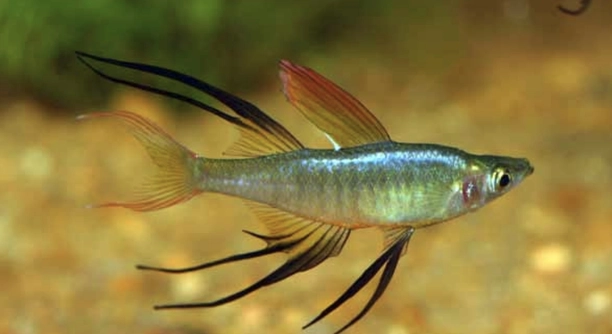
Do you ever set up a beautiful Threadfin Rainbowfish tank but notice some fish just don’t seem to fit? Maintaining harmony in your aquarium can be tricky, especially when species have conflicting behaviors or needs.
Certain fish species, such as aggressive cichlids, large predatory fish, and overly territorial varieties, are unsuitable companions for Threadfin Rainbowfish. These incompatible species can cause stress, injury, or even death, disrupting the delicate social balance of the tank environment.
Knowing which fish to avoid ensures a healthier and more peaceful tank. The following guide highlights seven species that do not belong with Threadfin Rainbowfish.
Aggressive Cichlids
Cichlids are known for their bold and sometimes hostile behavior, which can quickly overwhelm the calm Threadfin Rainbowfish. Even smaller cichlid species may become territorial, chasing or nipping at rainbowfish. Their dominant nature disrupts the tank’s social balance and can lead to chronic stress for more peaceful fish. Stress in Threadfin Rainbowfish can cause loss of appetite, faded colors, and vulnerability to disease. Aggressive interactions may also trigger injury or fin damage. Because Threadfin Rainbowfish thrive in groups of their own kind, introducing cichlids often undermines their natural schooling behavior. Even if the tank seems spacious, territorial disputes can spread across the entire environment, creating tension that is hard to resolve. Keeping species with similar temperaments is crucial to maintaining harmony. Observation is important; if aggression starts to appear, separating the species immediately is recommended. The health and happiness of your rainbowfish should always come first, and avoiding aggressive fish ensures a stable, peaceful tank environment for all inhabitants.
Aggressive cichlids are not compatible because they disturb the calm environment. Their presence can stress or injure Threadfin Rainbowfish.
Managing aggression is easier when the tank contains only compatible, peaceful species. Avoiding cichlids keeps your rainbowfish safe and allows natural behaviors to flourish without interference.
Large Predatory Fish
Large predatory fish may seem impressive, but they are a danger to smaller Threadfin Rainbowfish. Even if they are well-fed, their hunting instincts can trigger attacks, creating constant stress in the tank. Predators may view rainbowfish as food, making it impossible to maintain a peaceful environment. Their size alone can intimidate smaller fish, disrupting normal swimming and schooling behavior. Tanks with predatory species often require strict observation, barriers, or separate compartments to protect vulnerable fish, which complicates maintenance. Stress from predation threats can weaken immunity, increase susceptibility to disease, and reduce lifespan. Keeping predators and rainbowfish together rarely results in a harmonious tank. Even large tanks cannot fully mitigate these risks, as instinctive behaviors remain strong. A peaceful community tank benefits from avoiding species that induce fear or aggressive encounters. Ensuring all species are compatible protects both the physical and mental well-being of Threadfin Rainbowfish, allowing them to thrive in a safe and stable environment.
Large predatory fish pose a serious threat to rainbowfish due to size and natural hunting instincts.
A peaceful tank is achievable by selecting non-threatening species. Prioritizing harmony over impressive-looking fish ensures rainbowfish health and reduces constant stress, allowing for vibrant colors, natural schooling, and a safer overall environment.
Fin-Nipping Barbs
Fin-nipping barbs are energetic and aggressive swimmers that often bite the fins of slower fish like Threadfin Rainbowfish. Their behavior can damage fins and cause stress, leading to health issues in a peaceful tank.
Barbs have strong, sharp mouths designed for grazing, but in a community tank, they frequently nip fins out of habit or excitement. Threadfin Rainbowfish have long, flowing fins that make them easy targets. Continuous fin damage can lead to infections and reduce overall vitality. Even a single barb may provoke chaos, as others often follow its behavior. Avoiding barbs ensures that rainbowfish maintain their natural grace and coloration without constant stress or injury.
Threadfin Rainbowfish do best with calm, non-aggressive tank mates. Fin-nipping species disrupt schooling behavior, increase anxiety, and can significantly shorten their lifespan if left unchecked.
Large Gouramis
Large gouramis often become territorial, especially around breeding sites, and can intimidate smaller fish like Threadfin Rainbowfish. Their presence can create an unstable environment.
Gouramis are inherently competitive and assert dominance over tank space, food, and hiding spots. Threadfin Rainbowfish prefer open swimming areas and constant movement, but large gouramis tend to restrict these areas. Their territorial displays, including flaring fins and chasing, add stress to rainbowfish. Conflicts can lead to injuries or suppression of natural behaviors. Even without direct aggression, the presence of large gouramis forces rainbowfish into constant alertness, affecting feeding and resting habits. The size difference magnifies tension, making coexistence difficult.
Choosing only peaceful mid-sized or small fish prevents territorial disputes and ensures rainbowfish remain healthy. A tank without large gouramis allows more freedom, natural schooling, and a visually harmonious environment.
Red-Tailed Sharks
Red-tailed sharks are highly territorial and aggressive toward other tank mates, including Threadfin Rainbowfish. They often claim large sections of the tank, leaving little space for peaceful species.
Their dominance can cause continuous stress and disrupt the natural swimming patterns of rainbowfish. Even in larger tanks, conflicts frequently arise, as red-tailed sharks actively defend their chosen areas. Stress from territorial disputes may lead to faded colors, decreased appetite, and weakened immunity in rainbowfish. Avoiding red-tailed sharks in a community tank helps preserve calm behavior and ensures that rainbowfish can school freely without constant intimidation or harassment from aggressive neighbors.
Green Terror Cichlids
Green Terror Cichlids are aggressive and unpredictable, making them unsuitable companions for Threadfin Rainbowfish. Their size and temperament pose serious risks.
Green Terrors establish dominance quickly and chase smaller fish relentlessly. Their aggressive displays, including charging, flaring, and nipping, create constant tension in the tank. Threadfin Rainbowfish cannot compete with their speed and strength, often resulting in injuries or chronic stress. Even minor provocations trigger attacks, leaving rainbowfish in a constant state of alert. Housing green terrors with peaceful schooling species disrupts the tank’s social structure. Maintaining a calm, compatible environment requires avoiding aggressive cichlids, allowing rainbowfish to thrive safely.
Pacus
Pacus are large, omnivorous fish that can outgrow most community tanks, posing risks to Threadfin Rainbowfish.
FAQ
Which fish are safe to keep with Threadfin Rainbowfish?
Peaceful, similarly sized species are ideal companions. Small tetras, danios, rasboras, and other non-aggressive rainbowfish varieties work well. These fish share similar swimming habits, thrive in comparable water conditions, and do not stress Threadfin Rainbowfish with chasing or fin-nipping behaviors. Choosing compatible species ensures a calm, visually appealing tank.
Can Threadfin Rainbowfish live with cichlids?
Most cichlids are aggressive or territorial, making them unsuitable for rainbowfish tanks. Even small, seemingly peaceful cichlids can display dominance, chase, or nip fins. If a cichlid is introduced, continuous observation is necessary, but generally, separating these species is the safest approach to maintain harmony and avoid stress-related health issues.
Are barbs compatible with Threadfin Rainbowfish?
Barbs, including tiger or cherry barbs, are notorious fin-nippers. Threadfin Rainbowfish have long, flowing fins, making them frequent targets. Even if barbs are well-fed, their natural behavior often leads to damage or stress. Avoiding barbs is the simplest way to prevent injuries and maintain peaceful schooling behavior.
How do large predatory fish affect rainbowfish?
Large predatory fish create constant stress due to their hunting instincts and size. Even if they do not eat the rainbowfish immediately, the fear and intimidation reduce normal swimming, feeding, and social behavior. Continuous stress can lead to illness and shorter lifespan. Keeping predators out of a rainbowfish tank is essential.
Can gouramis live with Threadfin Rainbowfish?
Large gouramis are territorial, especially during breeding or when defending hiding spots. They may chase or block rainbowfish from preferred areas, limiting natural movement. The size difference makes rainbowfish more vulnerable. Only smaller, peaceful gourami species might coexist, but monitoring is required to ensure the tank remains stable.
What water conditions do Threadfin Rainbowfish prefer?
Threadfin Rainbowfish thrive in slightly acidic to neutral pH, moderate hardness, and temperatures between 24–28°C (75–82°F). They prefer clean, well-oxygenated water with regular filtration. Maintaining stable water parameters helps prevent stress and illness, supporting healthy coloration and active schooling behavior.
How many Threadfin Rainbowfish should I keep together?
Rainbowfish are schooling species, so keeping at least six individuals is recommended. A proper group ensures natural social interactions, reduces stress, and encourages active swimming. Smaller groups may lead to shy behavior or isolation, while larger groups help maintain a lively and visually engaging tank environment.
Do Threadfin Rainbowfish require hiding spots?
Yes, plants, driftwood, and rocks provide shelter and reduce stress. Hiding spots allow rainbowfish to rest, feel secure, and escape occasional tank disturbances. While they are active swimmers, a well-structured environment balances open swimming areas with places to retreat, supporting natural behavior and overall health.
What should I feed Threadfin Rainbowfish?
They thrive on a varied diet of high-quality flakes, pellets, frozen, or live foods. Including small insects, brine shrimp, or daphnia ensures proper nutrition. Feeding small amounts multiple times daily prevents overfeeding, maintains water quality, and supports vibrant colors and energy levels.
How can I prevent stress in a rainbowfish tank?
Avoid aggressive, fin-nipping, or predatory species. Maintain stable water conditions, provide adequate swimming space, and include hiding spots. Regular monitoring of fish behavior, consistent feeding, and proper tank maintenance all contribute to reducing stress, promoting healthy growth, natural coloration, and long-term well-being.
Is it safe to mix Threadfin Rainbowfish with other rainbowfish species?
Yes, but compatibility depends on size and temperament. Mixing with similar rainbowfish varieties often works well. Avoid introducing overly aggressive or much larger species, which can outcompete or intimidate Threadfin Rainbowfish. Matching swimming patterns, size, and peaceful behavior is key for a harmonious tank environment.
How do I know if a fish is stressing my rainbowfish?
Signs include faded colors, clamped fins, reduced appetite, hiding, or erratic swimming. Persistent aggression, chasing, or nipping indicates incompatibility. Monitoring behavior closely and addressing potential stressors, such as incompatible species or poor water conditions, ensures rainbowfish remain healthy and active.
Can I keep Threadfin Rainbowfish in a small tank?
A small tank is not ideal. They are active swimmers and require open space to school properly. Crowded conditions increase stress, aggression, and risk of disease. A minimum of 30 gallons is recommended for a small group, with larger tanks preferred for stability and proper social interactions.
Do Threadfin Rainbowfish need strong filtration?
Yes, moderate to strong filtration is important to maintain water clarity, oxygenation, and overall tank health. These fish produce waste that can accumulate quickly, so efficient filtration ensures a stable, clean environment, reducing the likelihood of stress and illness while supporting active swimming behavior.
How often should I monitor the tank?
Daily observation helps detect early signs of aggression, stress, or illness. Checking water parameters, feeding behavior, and interactions between species allows prompt intervention. Regular monitoring maintains a healthy tank and ensures that Threadfin Rainbowfish can thrive alongside compatible companions.
Threadfin Rainbowfish are beautiful, active, and peaceful fish that thrive best in calm, well-maintained community tanks. Their vibrant colors and schooling behavior make them a striking addition to any aquarium. However, not all fish are suitable companions, and choosing the wrong tank mates can quickly lead to stress, injury, or even death. Aggressive species, fin-nippers, large predators, and territorial fish can disrupt the natural harmony of the tank. Even fish that appear peaceful on the surface may behave unpredictably, especially when defending territory or competing for food. It is important to carefully evaluate the temperament, size, and habits of every potential companion before introducing them to a rainbowfish tank. A well-planned community tank allows rainbowfish to swim freely, display natural behavior, and maintain their vibrant coloration. Observing interactions during the early stages of introduction is also crucial, as this helps prevent conflicts and ensures a healthy environment for all inhabitants. By selecting compatible species, aquarists can create a visually pleasing and stress-free setting that supports the overall health of the rainbowfish.
Maintaining a Threadfin Rainbowfish tank requires attention to both water conditions and social dynamics. These fish prefer slightly acidic to neutral pH, moderate hardness, and stable temperatures within the range of 24–28°C (75–82°F). Clean, well-oxygenated water and regular filtration are essential to prevent disease and encourage active swimming. Providing plants, driftwood, and other hiding spots reduces stress and allows rainbowfish to retreat when necessary. A properly structured tank balances open swimming areas with sheltered spaces, supporting natural behavior and reducing conflicts. Feeding should be consistent and varied, including high-quality flakes, pellets, and occasional live or frozen foods such as brine shrimp or daphnia. Overfeeding can negatively impact water quality, so small, frequent feedings are preferable. The combination of proper tank setup, compatible companions, and attentive care ensures that Threadfin Rainbowfish remain healthy, vibrant, and active over time. Attention to these details may seem extensive, but it directly contributes to a more enjoyable and successful aquarium experience.
Understanding which fish do not belong in a Threadfin Rainbowfish tank is as important as knowing which fish are compatible. Avoiding aggressive, territorial, or predatory species protects both the rainbowfish and other peaceful tank mates. Similarly, fin-nipping fish and larger, dominant species can quickly destabilize the social structure, creating stress that affects feeding, behavior, and overall health. By prioritizing compatibility and maintaining proper water conditions, aquarists can foster an environment where Threadfin Rainbowfish flourish. These careful choices result in a harmonious tank where all inhabitants thrive, allowing for natural schooling, vibrant coloration, and active swimming. Thoughtful planning and consistent care are the keys to long-term success with Threadfin Rainbowfish, ensuring that they remain a beautiful and lively centerpiece in any freshwater aquarium.

Hello,
If you enjoy the content that we create, please consider saying a "Thank You!" by leaving a tip.
Every little bit helps us continue crafting quality advice that supports the health, happiness, and well-being of pets around the world, for pets of all shapes, sizes, and species.
We really appreciate the kindness and support that you show us!