
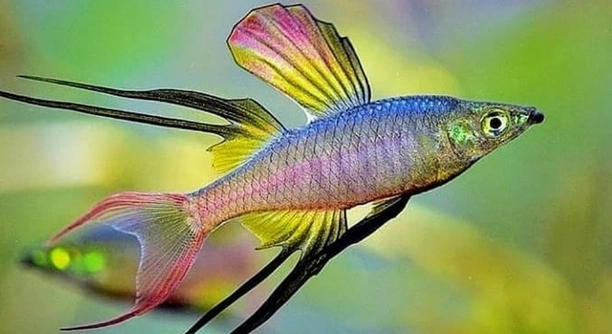
Have you ever noticed your Threadfin Rainbowfish swimming in groups and wondered how they recognize each other in their tank? These small, colorful fish have subtle behaviors that help them identify members of their own species. Observing them can be quietly fascinating.
Threadfin Rainbowfish demonstrate species recognition primarily through visual and behavioral cues. Their unique coloration patterns and specific schooling behaviors allow them to distinguish conspecifics from other fish, supporting social cohesion and reducing conflicts within mixed-species aquariums.
Understanding these patterns can help you create a more harmonious aquarium environment for your rainbowfish. It also reveals the subtle ways fish interact with each other in everyday tank life.
Visual Cues in Threadfin Rainbowfish
Threadfin Rainbowfish use their bright colors and patterns to recognize each other. In my own tank, I noticed that fish with slightly different shades often swam separately, while those with similar markings stayed together. Their reflective scales catch light, making even subtle differences visible. These visual cues are critical for social organization. The fish often form small groups that share similar colors. This grouping reduces stress and allows them to coordinate swimming more smoothly. Even minor differences in size or fin shape can influence who they swim with. Over time, you can observe these patterns, which seem almost like a silent conversation among the fish. Recognizing these visual signals helps in maintaining harmony in a mixed-species aquarium.
Visual identification is especially important during feeding, as they often follow those who look like them.
Careful observation shows that these visual cues influence mating, schooling, and hierarchy. They help fish avoid unnecessary conflict and focus on feeding or exploring safely. In larger tanks, having a mix of similar-looking individuals encourages natural group behaviors. The fish also respond to movement patterns; synchronized swimming is more common among those with matching colors. Over time, these patterns reinforce social bonds. Tank lighting can enhance these visual cues, making differences more noticeable. Observing how fish respond to changes in color or fin condition reveals how sensitive they are to these cues. Even minor stressors like water clarity affect recognition. These behaviors highlight that visual perception is central to their daily life, shaping how they interact, choose swimming partners, and establish territories.
Behavioral Recognition
Threadfin Rainbowfish also rely on familiar swimming behaviors to recognize each other.
Behavioral cues include patterns like how often a fish swims near the group, how quickly it reacts to movements, and its preferred position in the tank. In my experience, some fish immediately stick with familiar companions, while newcomers are often ignored or observed cautiously. These patterns are not random—they reflect memory and recognition abilities. Fish can remember specific companions for weeks, and their swimming styles serve as identifiers in crowded tanks. Pairing fish with similar behaviors reduces stress and aggression.
These behavioral signals go beyond schooling. They affect feeding order, mating interactions, and general tank harmony. Fish that recognize each other swim in coordinated ways, often mimicking the movements of familiar individuals. This synchronization helps protect against perceived threats, even in a controlled aquarium environment. In contrast, unfamiliar or mismatched fish may experience hesitation, swim erratically, or get excluded from the main group. Over time, behavioral recognition becomes stronger as fish settle into stable social hierarchies. Observing these behaviors can guide tank arrangements, ensuring that fish of compatible styles are grouped together. This improves overall activity levels and reduces conflicts. Keeping an eye on these subtle interactions makes maintaining a balanced, healthy tank easier.
Social Interactions
Threadfin Rainbowfish often form small groups based on familiarity. In my tank, fish that swam together regularly rarely drifted apart. These groups reduce stress and improve feeding efficiency, showing how social recognition shapes their daily routines and interactions.
Group dynamics affect hierarchy and movement. Fish that recognize each other follow similar swimming paths, often mirroring movements. In contrast, unfamiliar fish may be excluded or swim at the edges. Over time, these patterns create a stable social structure that balances competition and cooperation. Behavioral familiarity directly impacts feeding order, resting spots, and response to environmental changes in the tank.
Observing social interactions also reveals subtle signals like nudging or tail flicks. These gestures help maintain cohesion and prevent conflicts. Recognizing these behaviors allows you to manage group composition more effectively, pairing compatible fish and maintaining a harmonious tank. Social familiarity also affects breeding behaviors, with recognized individuals often showing less stress and more confidence in their movements.
Environmental Factors
Lighting and tank layout influence recognition among Threadfin Rainbowfish. Bright lights enhance color differences, making identification easier, while hiding spots can encourage or disrupt group cohesion.
Tank size, structure, and decoration affect swimming patterns. In a larger tank, familiar fish can maintain their preferred distance, avoiding stress. Decorations like plants and rocks provide landmarks, helping fish navigate and identify companions. Poorly lit or cluttered tanks may increase aggression, as visual recognition becomes harder. In my experience, adjusting lighting and layout improved group stability and reduced chasing.
Environmental stability reinforces recognition. Consistent water parameters, temperature, and minimal sudden changes allow fish to rely on visual and behavioral cues confidently. Sudden alterations can cause hesitation or confusion, disrupting schooling and feeding. Arranging plants and open swimming spaces strategically helps fish establish familiar routes and territories. This creates a sense of security, encouraging natural behaviors. Even minor changes, like moving a decoration, can temporarily affect recognition patterns, showing how sensitive they are to their surroundings.
Feeding Behavior
Threadfin Rainbowfish often feed more comfortably near familiar fish. In my tank, fish separated from their group seemed hesitant at first. Being close to recognized companions encourages quicker and more confident feeding, showing that social recognition affects daily routines.
Feeding order also reflects familiarity. Fish that know each other tend to take turns or follow the same patterns, reducing competition. Those less recognized may wait or stay on the periphery, highlighting the role of recognition in maintaining harmony during meals.
Mating Recognition
Threadfin Rainbowfish show species recognition through mating displays. Males often perform specific movements and show brighter colors to attract familiar females. These displays are more successful when potential mates are recognized, ensuring reproduction stays within the same species.
Stress Responses
Recognition impacts stress levels in Threadfin Rainbowfish. Fish in familiar groups appear calmer, with smoother swimming patterns and less erratic behavior.
FAQ
How do Threadfin Rainbowfish recognize their own species?
Threadfin Rainbowfish primarily use visual cues and behavior to identify members of their species. In my tank, I noticed that fish with similar colors and fin shapes often grouped together. They also respond to familiar swimming patterns, following companions whose movements they recognize. These signals help maintain social structure and reduce conflicts.
Can they recognize individual fish within their species?
Yes, they can. I observed certain fish consistently swimming with the same companions over weeks. This indicates memory and recognition at an individual level. Fish remember familiar tank mates and respond more confidently around them, while unfamiliar ones may be avoided or observed cautiously.
Do environmental factors affect recognition?
Lighting, tank layout, and water clarity significantly influence recognition. Bright lighting highlights color patterns, while hiding spots or clutter can disrupt social grouping. In my experience, adjusting tank decorations and maintaining stable conditions improved cohesion and reduced aggression among fish.
Is recognition important for feeding?
Absolutely. Fish tend to eat more confidently when near recognized companions. Those separated from familiar groups often hesitate or stay on the edges. Feeding order and coordination also reflect recognition, with familiar fish following predictable patterns that reduce competition.
Do Threadfin Rainbowfish show recognition during mating?
Yes, recognition plays a key role in mating behavior. Males display brighter colors and perform specific movements to attract familiar females. In my tank, these displays were more effective when fish had established familiarity, ensuring mating occurs within the same species.
Can stress affect their ability to recognize each other?
High stress can impair recognition. Sudden water changes, overcrowding, or poor lighting make visual and behavioral cues harder to interpret. Fish may swim erratically, avoid companions, or appear anxious. Keeping stable conditions supports normal recognition and reduces tension in the tank.
Do mixed-species tanks impact recognition?
Mixed-species tanks can challenge recognition, as different fish may not respond to the same cues. Threadfin Rainbowfish often stick with familiar conspecifics, avoiding other species. Providing clear swimming space and adequate hiding spots helps maintain social groups and minimizes stress in such tanks.
How long does it take for them to recognize each other?
Recognition begins quickly, often within a few days, but becomes stronger over weeks. In my experience, newly introduced fish initially keep some distance but gradually integrate into existing groups as familiarity grows. Consistency in environment and companions accelerates this process.
Do visual impairments affect recognition?
Yes. Poor lighting, cloudy water, or injuries that reduce visibility can hinder recognition. Fish rely on color patterns, fin shapes, and movement to identify each other, so clear, well-lit water is essential for maintaining social cohesion.
Can behavior alone signal recognition?
Behavior is a strong indicator. Swimming style, speed, and position in the group all help fish identify familiar companions. In my tank, fish with matching behavior often paired together, even if their colors were slightly different, showing that behavioral cues can complement visual ones.
Do they communicate during recognition?
While they do not vocalize, subtle gestures like tail flicks, nudges, or synchronized movements communicate recognition. I’ve noticed that these small behaviors help maintain group cohesion and prevent conflicts, showing how non-verbal communication reinforces recognition.
Why is recognizing their species important?
Recognition ensures social stability, reduces aggression, and supports feeding and mating behaviors. In my experience, tanks where fish can identify each other tend to be calmer, with more predictable interactions. Proper recognition creates a healthier, more balanced environment for Threadfin Rainbowfish.
Can juveniles recognize adults?
Yes, juveniles often follow adult patterns and stay close to familiar adults for safety. In my observations, younger fish learn group behaviors and gradually integrate into social hierarchies, showing that recognition develops early and continues to play a role as they mature.
Do they ever misidentify other fish as their own species?
Occasionally, fish with similar colors or movements may be temporarily accepted, but prolonged observation usually reveals true recognition. In my tank, initial curiosity sometimes led to brief interaction with other species, but consistent behavioral and visual cues eventually reinforced correct identification.
How can I improve recognition in my tank?
Maintain stable lighting, clear water, and consistent tank mates. Avoid sudden changes in layout or overcrowding. Observing your fish and arranging groups of compatible colors and behaviors promotes natural recognition, reduces stress, and encourages harmonious interactions among Threadfin Rainbowfish.
This FAQ provides practical insights and observations from real aquarium care, highlighting how recognition shapes social, feeding, and reproductive behaviors in Threadfin Rainbowfish. Proper management ensures a calmer, healthier tank environment.
Final Thoughts
Threadfin Rainbowfish are more aware of their surroundings and companions than many people realize. Watching them interact in a tank shows how important recognition is for their daily life. They rely on both visual cues and behavior to identify their species and individual companions. In my tank, I noticed that fish with similar colors and swimming styles naturally grouped together, while those with subtle differences often stayed slightly apart. These small patterns of recognition affect everything from feeding to social comfort. Fish that know each other tend to eat more confidently, swim more smoothly, and show fewer signs of stress. Their awareness of familiar companions helps them maintain harmony in a shared space, and observing this has made me appreciate their intelligence and subtle communication.
Recognition also plays a role in reproduction and maintaining social order. Males perform displays and show brighter colors, but these behaviors are most effective when other fish recognize them. In my experience, familiar pairs interact more confidently and successfully, while unfamiliar fish often hesitate or remain cautious. Social recognition reduces conflicts and supports a calmer environment. Behavioral cues, like synchronized swimming or gentle nudges, reinforce familiarity and trust among group members. These interactions are not loud or dramatic, but they create a stable structure in the tank that allows all fish to feel safe. Understanding these dynamics can help anyone who keeps Threadfin Rainbowfish provide a more natural, comfortable environment.
Finally, the tank setup itself influences recognition and social behavior. Lighting, water clarity, and tank layout can make it easier or harder for fish to identify companions. In my tank, I found that consistent water conditions and thoughtful placement of plants and decorations improved social cohesion. Providing enough open space for swimming and areas for hiding allows fish to move freely while maintaining connections with recognized companions. Over time, stable conditions help fish settle into predictable patterns of interaction. Watching these fish and seeing how recognition affects their behavior has been rewarding. It reminds me that even small fish have complex social lives, and attention to their needs can make a real difference in their well-being. Proper care, observation, and understanding of recognition are key to maintaining healthy, happy Threadfin Rainbowfish in any home aquarium.

Hello,
If you enjoy the content that we create, please consider saying a "Thank You!" by leaving a tip.
Every little bit helps us continue crafting quality advice that supports the health, happiness, and well-being of pets around the world, for pets of all shapes, sizes, and species.
We really appreciate the kindness and support that you show us!