
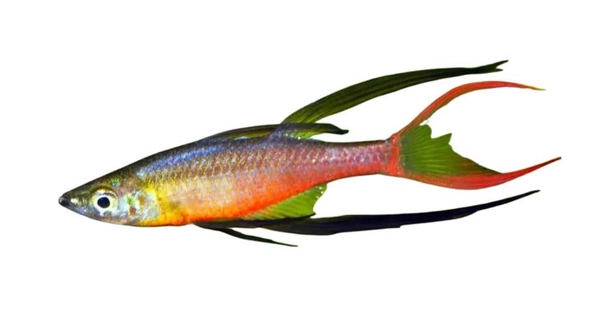
Do you ever find yourself admiring your threadfins but noticing their colors fading despite regular care? These fish require more than just feeding and clean water to remain healthy and visually striking in your aquarium.
Threadfins thrive when water conditions are carefully maintained. Key parameters include temperature, pH, ammonia, nitrite, nitrate, dissolved oxygen, and salinity. Proper monitoring and adjustments of these factors are essential to preserve their vibrant coloration and overall health.
Maintaining ideal water conditions ensures your threadfins flourish and display their natural beauty. Small adjustments can make a significant difference in their long-term well-being.
Temperature Control
Threadfins are sensitive to water temperature, and maintaining a stable range between 24°C and 28°C is crucial. Sudden fluctuations can stress the fish, leading to weakened immune systems and faded coloration. Using a reliable heater with a thermostat helps keep the temperature consistent. Regular monitoring with a thermometer ensures the environment remains within safe limits. When adjusting the temperature, make small changes gradually to avoid shocking the fish. Seasonal shifts in room temperature can also affect the tank, so keeping the tank away from drafts or direct sunlight is important. Consistent water temperature supports metabolism, feeding habits, and overall activity levels, which directly influence the vibrancy of threadfins’ natural colors.
Proper temperature management keeps threadfins healthy and active, promoting their natural bright colors and reducing stress-related illnesses in the tank environment.
Maintaining stable water temperature is fundamental for vibrant threadfins. Sudden cold or heat changes can compromise their immune system, making them more susceptible to infections. It also affects digestion and energy levels, which impacts growth and coloration. A steady range ensures they remain lively and maintain vivid, natural hues. Investing in a quality heater and monitoring equipment provides peace of mind and supports long-term well-being. This control allows the fish to display optimal behaviors, including feeding and swimming, while minimizing aggression or lethargy. Threadfins in stable temperatures adapt better to other water parameters, making it easier to manage pH, oxygen levels, and salinity. Consistency in temperature not only improves health but also enhances their aesthetic appeal, keeping them vibrant and visually striking in your aquarium for years to come.
pH Balance
Maintaining a pH range of 6.5 to 7.5 is ideal for threadfins. Slight deviations can cause stress and affect color intensity. Regular testing and adjustments with safe buffers are recommended.
Threadfins show the best colors and activity in stable, slightly acidic to neutral water.
pH stability is critical for threadfin health. Fluctuating pH levels can lead to stress, slow growth, and vulnerability to disease. Even small shifts can alter their metabolism and feeding behavior, indirectly impacting coloration. Using pH buffers helps maintain a consistent environment. Additionally, frequent water changes reduce buildup of acidic or basic compounds. Observing your fish for signs of stress, like unusual swimming patterns or dull colors, can indicate pH issues. Maintaining proper pH supports biological filtration, helping beneficial bacteria thrive. This balance ensures threadfins remain active, healthy, and vibrant. Over time, consistent pH levels prevent long-term health problems and promote vivid natural colors. Proper management allows a visually striking and balanced aquarium ecosystem, supporting overall aquatic life stability.
Do you want me to continue with the next parameters, or complete all seven in one go?
Ammonia Levels
High ammonia levels are dangerous for threadfins. Keeping ammonia at 0 ppm prevents stress, illness, and damage to gills and internal organs. Regular testing and partial water changes are essential.
Ammonia is a toxic byproduct of fish waste and uneaten food. Even low concentrations can irritate gills and reduce oxygen uptake, which weakens threadfins over time. Using a biological filter helps convert ammonia to less harmful compounds, supporting a safer environment. Observing the fish for lethargy, gasping at the surface, or loss of appetite can indicate ammonia spikes. Consistent maintenance, proper feeding, and avoiding overcrowding are key strategies to prevent dangerous levels. Balancing ammonia protects their health and preserves their bright coloration.
Properly controlling ammonia levels is fundamental for a thriving aquarium. Biological filtration, frequent water changes, and careful feeding habits work together to maintain water safety. Overfeeding increases waste production, raising ammonia concentration, so portion control is important. Monitoring the tank daily ensures early detection of any imbalance. Avoid adding too many fish at once, as sudden increases in bio-load can overwhelm the filtration system. A stable ammonia level allows threadfins to remain active, feed well, and display their natural vibrant colors. Keeping ammonia in check contributes to overall tank stability and reduces the risk of stress-induced illness, helping the fish live longer and healthier lives.
Nitrite Concentration
Nitrite should always remain at 0 ppm. Even low nitrite levels can impair oxygen transport in blood, causing stress and weakening threadfins’ immune system. Regular testing prevents harmful buildup.
Nitrite toxicity reduces hemoglobin’s efficiency in transporting oxygen, which can lead to slow growth, poor appetite, and dull coloration. Biological filtration helps convert nitrites into less harmful nitrates, while partial water changes dilute any spikes. Using live plants can also support nitrogen cycling by absorbing some compounds. Observing the fish for rapid gill movement, erratic swimming, or pale coloration helps detect nitrite issues early. Preventing nitrite buildup ensures threadfins remain healthy and maintain their vibrant appearance.
Maintaining zero nitrite concentration is crucial for a balanced aquarium. Nitrite disrupts oxygen absorption and overall metabolism, making threadfins more susceptible to disease. Regular water changes, proper feeding, and effective biological filtration reduce nitrite accumulation. Monitoring tap water for nitrites and cycling new tanks before adding fish also minimizes risk. Live plants and aeration can further stabilize levels by enhancing natural filtration. When nitrite is kept at zero, threadfins are more active, energetic, and display brighter colors. Controlling nitrite levels protects their gills, supports growth, and preserves their long-term health, making the aquarium a safe and visually pleasing environment.
Nitrate Levels
Nitrate should be kept below 40 ppm. High nitrate levels stress threadfins, reduce immunity, and dull their colors. Regular water changes help maintain safe concentrations.
Using plants and proper filtration can absorb excess nitrates. Observing your fish for slow movement or color fading indicates the need for corrective action.
Dissolved Oxygen
Threadfins require high oxygen levels to thrive. Insufficient oxygen can cause lethargy, gasping at the surface, and poor feeding. Aeration and water movement help maintain adequate oxygen concentration. Properly placed pumps and filters ensure the entire tank remains well-oxygenated, supporting overall health and vibrancy.
Salinity
Maintaining the right salinity is crucial for threadfins. Slightly brackish water mimics their natural habitat and supports physiological balance. Consistent measurements and adjustments prevent stress, allowing the fish to remain active, healthy, and display their natural bright colors.
FAQ
How often should I test the water for my threadfins?
Testing water weekly is ideal for keeping threadfins healthy. Key parameters like ammonia, nitrite, nitrate, pH, and temperature should be checked regularly. Frequent testing helps detect imbalances early, allowing timely adjustments before the fish show signs of stress or health issues.
What is the safest way to adjust pH in the tank?
Adjust pH gradually using safe buffers designed for aquariums. Sudden changes can shock threadfins, leading to stress and weakened immunity. Make small, incremental adjustments over several hours or days, and monitor the fish closely for any signs of discomfort or unusual behavior.
Can I keep threadfins with other fish?
Yes, but it’s important to choose species with similar water requirements and temperaments. Avoid aggressive or overly active fish that may compete for food or disturb the environment. Proper tank size and hiding spaces help maintain peace and reduce stress for all inhabitants.
How do I know if ammonia levels are too high?
Signs include gasping at the surface, lethargy, loss of appetite, and irritated gills. Testing kits provide accurate measurements. Maintaining zero ammonia is critical; even low levels can harm threadfins. Regular water changes and proper filtration prevent dangerous accumulations.
What should I do if nitrite levels rise?
Perform partial water changes immediately to dilute nitrites. Ensure biological filtration is functioning properly, as beneficial bacteria convert nitrite into nitrate. Adding live plants and aeration can further stabilize water chemistry and support overall tank health.
How can I maintain proper dissolved oxygen?
Use air pumps, filters, and water circulation to keep oxygen levels high. Adequate aeration ensures threadfins remain active, feed well, and maintain vibrant coloration. Observing the fish for rapid gill movement or surface gasping helps identify oxygen deficiencies early.
What is the best way to control nitrate levels?
Regular water changes, proper feeding, and biological filtration are essential. Adding live plants can naturally absorb nitrates. Keeping nitrates below 40 ppm reduces stress and prevents dull coloration, supporting long-term health and vibrancy of threadfins.
How do I measure and maintain salinity?
Use a reliable refractometer or hydrometer to measure salinity. Slightly brackish conditions suit threadfins best. Gradually adjust salinity to prevent shock, and monitor fish behavior for signs of discomfort. Consistency supports physiological balance and keeps colors bright.
Can temperature swings affect threadfins’ colors?
Yes, sudden temperature changes stress fish, weaken their immune systems, and dull coloration. Keep water consistently between 24°C and 28°C using a heater with a thermostat. Gradual adjustments are safer and help maintain vibrant, healthy threadfins.
How often should I perform water changes?
Partial water changes of 20–30% weekly help maintain optimal water parameters. Regular changes prevent buildup of ammonia, nitrites, and nitrates, reduce stress, and support vivid coloration. Proper water maintenance is one of the most effective ways to ensure long-term health.
Are there signs that indicate overall water quality is poor?
Yes. Dull colors, lethargy, poor appetite, surface gasping, or erratic swimming often indicate imbalanced water parameters. Testing and monitoring key parameters like ammonia, nitrite, nitrate, pH, temperature, oxygen, and salinity allows early detection and corrective action.
Can live plants improve water quality for threadfins?
Absolutely. Plants help absorb excess nitrates, provide natural filtration, and contribute to oxygen levels. They create a more stable environment, reduce stress, and support natural behaviors, helping threadfins display their full, vibrant colors.
How do I introduce new threadfins to an established tank?
Quarantine new fish for 1–2 weeks to prevent disease introduction. Gradually acclimate them to the tank’s temperature, pH, and salinity. Slow introduction reduces stress and helps them adapt to existing water parameters safely, ensuring their health and color remain optimal.
What equipment is essential for maintaining ideal water parameters?
A heater with a thermostat, thermometer, air pump, filter, and test kits for ammonia, nitrite, nitrate, pH, and salinity are essential. Proper equipment helps maintain stability, prevent sudden changes, and keep threadfins healthy, active, and vibrant.
How can diet affect water quality and threadfin health?
Overfeeding increases waste and elevates ammonia and nitrate levels. Balanced portions and high-quality food minimize waste, maintain water quality, and support immune function and coloration. Feeding small amounts multiple times a day is often better than one large feeding.
Is it possible to keep all seven water parameters ideal at the same time?
Yes, with regular monitoring, proper equipment, and consistent maintenance. Balancing temperature, pH, ammonia, nitrite, nitrate, dissolved oxygen, and salinity may require effort but is achievable. Maintaining this balance ensures threadfins remain healthy, vibrant, and active in a stable environment.
How do I troubleshoot sudden color fading in threadfins?
Check water parameters immediately, as stress from poor conditions often causes dull coloration. Address any imbalances in temperature, pH, ammonia, nitrite, nitrate, oxygen, or salinity. Reducing stress and improving water quality typically restores their natural vibrancy.
Can overcrowding affect water parameters and threadfin health?
Yes, too many fish increase waste, raising ammonia, nitrite, and nitrate levels. Overcrowding can reduce oxygen and create stress, dulling colors. Proper stocking levels and filtration capacity are essential for maintaining a healthy, balanced tank environment.
How do seasonal changes impact water parameters?
Temperature and evaporation can shift during seasonal changes, affecting water chemistry. Monitoring and adjusting temperature, pH, and salinity helps maintain stability. Regular observation ensures threadfins continue to thrive regardless of external conditions.
What is the most common mistake in maintaining threadfin water parameters?
Neglecting regular testing and water changes is the most common mistake. Even minor imbalances can stress fish. Consistent monitoring, partial water changes, and using proper equipment prevent problems, helping threadfins remain healthy, active, and visually striking.
This FAQ section addresses key concerns about keeping threadfins healthy and vibrant. Consistent care, monitoring, and adjustment of all water parameters are essential for long-term success in maintaining these delicate fish.
Maintaining vibrant and healthy threadfins depends on careful attention to water quality. Each parameter—temperature, pH, ammonia, nitrite, nitrate, dissolved oxygen, and salinity—plays a critical role in their overall well-being. Sudden fluctuations or imbalances in any of these factors can cause stress, reduce immune function, and dull the fish’s natural colors. By monitoring these conditions regularly, it is possible to prevent problems before they impact the fish. Simple steps such as testing water weekly, performing partial water changes, and using reliable filtration systems help create a stable environment. Small, consistent actions often make a larger difference than occasional intensive maintenance.
Threadfins thrive in conditions that closely mimic their natural habitat. Stable water temperature between 24°C and 28°C, slightly acidic to neutral pH, and moderate salinity are ideal for promoting healthy growth and vivid coloration. Proper biological filtration supports the conversion of harmful compounds like ammonia and nitrite into less dangerous forms, while regular aeration ensures adequate dissolved oxygen. Even minor adjustments, such as gradually changing pH or salinity, can reduce stress and prevent health issues. Observing the fish for unusual behaviors, lethargy, or color changes is equally important. These behavioral cues provide valuable information about the water’s condition and whether corrective measures are necessary. Over time, consistent care creates an environment in which threadfins can display their full vitality and natural beauty.
Overall, maintaining healthy water parameters is not just about the numbers on a test kit. It is about providing a stable, supportive environment that encourages natural behaviors, promotes immunity, and keeps threadfins vibrant. Investing time in routine monitoring, careful feeding, and proper equipment setup prevents long-term problems and supports overall tank health. Even small improvements in water quality can have noticeable effects on the fish’s activity levels, coloration, and general well-being. The effort required is manageable with a structured approach, and the benefits are clear. A well-maintained aquarium ensures threadfins live longer, remain visually striking, and continue to thrive in a balanced, safe habitat.

Hello,
If you enjoy the content that we create, please consider saying a "Thank You!" by leaving a tip.
Every little bit helps us continue crafting quality advice that supports the health, happiness, and well-being of pets around the world, for pets of all shapes, sizes, and species.
We really appreciate the kindness and support that you show us!