
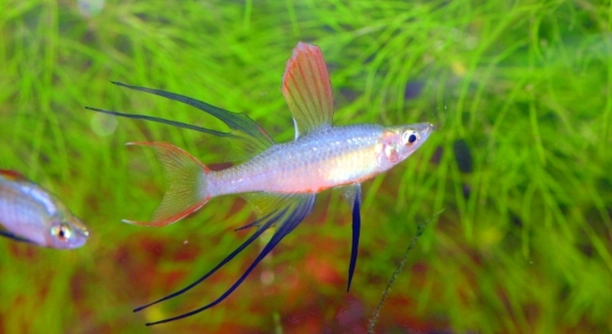
Do your Threadfin Rainbowfish swim nervously across the tank when there are no plants around? These colorful fish often seek safe spaces, and aquarists wonder how plants affect their comfort and daily behavior in a home aquarium.
Threadfin Rainbowfish do not strictly require live plants to feel secure, but providing dense foliage or artificial alternatives significantly reduces stress. Plants create hiding spots, reduce perceived threats, and encourage natural schooling behavior, promoting overall health and well-being.
Providing plants or decorations can transform the tank environment, helping your fish thrive and exhibit natural, confident behaviors.
Benefits of Plants for Threadfin Rainbowfish
Plants in a tank offer Threadfin Rainbowfish a sense of security and comfort. Dense foliage provides hiding spots where fish can retreat if they feel threatened or stressed. This encourages natural behavior like schooling and reduces erratic swimming patterns. Plants also help break up open spaces, which can be intimidating for small, active fish. They create visual boundaries that make the environment feel safer. Additionally, live plants contribute to water quality by absorbing nitrates and producing oxygen, which supports overall health. Even artificial plants can mimic these benefits by offering shelter and structure. Having a variety of plant types, including tall stem plants and low ground covers, ensures there are spots for fish at every level of the tank. When plants are incorporated thoughtfully, fish show increased confidence, exploring more areas of the tank and interacting with other species more naturally. This small addition makes a significant difference in their behavior and comfort.
Plants improve fish comfort and reduce stress, giving Threadfin Rainbowfish clear areas to hide and feel secure.
Regularly adding plants also benefits tank maintenance. Live plants help stabilize water chemistry, absorbing excess nutrients and minimizing algae growth. Fish may nibble on soft leaves, adding to their activity and engagement. Artificial plants provide the same shelter without maintenance, but they do not support water quality. Choosing a mix of plants tailored to the fish’s size and activity level ensures the tank feels natural and secure. Fish with places to hide tend to eat better, swim more confidently, and show brighter colors. Observing them navigate around plants can be rewarding, and it confirms that their habitat meets behavioral needs. Overcrowding should be avoided, and plants must be arranged to allow open swimming areas. Even minimal plant coverage can reduce stress, but a thoughtfully decorated tank offers a balance of security and freedom. In both large and small tanks, incorporating greenery improves the daily life and well-being of Threadfin Rainbowfish.
Alternatives to Live Plants
Artificial plants provide hiding spaces without the need for maintenance. They can replicate the structure and feel of live plants while offering durability and flexibility.
Decorative caves, driftwood, and rock formations serve as additional shelter for Threadfin Rainbowfish. These items create hiding spots and visual breaks, helping fish feel less exposed. Combining artificial plants with decorations ensures both coverage and open swimming space. Selecting smooth, non-toxic materials prevents injury, while arranging them thoughtfully encourages natural swimming patterns. Fish often explore these areas, darting in and out of shelters, which keeps them active and confident. Even minimal additions can reduce stress and mimic a natural environment. Regularly rearranging decorations occasionally adds novelty, keeping the fish engaged and preventing boredom. By providing structured spaces, you replicate the security that live plants would offer, supporting their physical and mental health while maintaining a low-maintenance tank.
Plant Density and Fish Behavior
Higher plant density gives Threadfin Rainbowfish more hiding spots and reduces stress. Fish tend to school more naturally and show calmer behavior when plants are plentiful.
Too few plants can make fish feel exposed, leading to nervous swimming and skittish movements. When hiding places are limited, dominant fish may assert themselves, causing smaller or timid fish to retreat constantly. Adequate plant coverage balances activity and security, allowing fish to explore without fear. Even partial coverage at different tank levels creates comfort zones. Observing fish respond to plant density helps in adjusting the arrangement, improving their confidence and daily activity.
A mix of tall, bushy plants and low-lying ground cover works best. Fish use tall plants for vertical shelter and low plants to feel grounded. This combination mimics natural habitats and encourages normal behavior, reducing aggression. Providing multiple hiding spots ensures all fish in the tank have areas to retreat. Overcrowding the tank with plants is unnecessary; strategic placement achieves security while leaving open swimming space. Fish respond positively to a structured environment, moving confidently among plants, showing brighter colors, and interacting naturally. Even occasional rearrangement keeps their environment engaging and prevents stress-related behavior from developing.
Maintenance Considerations
Live plants require regular care, including trimming, cleaning, and monitoring water conditions. Neglecting maintenance can lead to decaying leaves and poor water quality.
Artificial plants reduce upkeep but still need cleaning to prevent algae buildup. Using a combination of live and artificial plants balances aesthetics, security, and maintenance demands. Strategically placed plants avoid overcrowding while still providing comfort and hiding spots. Fish thrive when plants are healthy and arranged thoughtfully, which supports natural behavior. Both plant types help define territories, giving Threadfin Rainbowfish confidence. Monitoring plant health and tank cleanliness ensures fish remain stress-free, active, and visually vibrant. Regular attention creates a stable environment, making the aquarium easier to manage.
Choosing the Right Plant Types
Soft-leaved plants are gentle and less likely to damage delicate fins. Threadfin Rainbowfish prefer these over rough or sharp foliage.
Floating plants offer shade and create a sense of security. They also diffuse light, reducing stress and encouraging natural activity throughout the tank.
Plant Placement Tips
Place taller plants toward the back or corners of the tank and shorter plants in the front. This creates depth and open swimming space. A staggered arrangement allows fish to navigate naturally while still providing hiding spots. Proper placement supports confident movement, reduces aggression, and encourages schooling behavior.
Monitoring Fish Comfort
Observe fish behavior daily to ensure plants provide adequate shelter. Nervous darting or hiding may indicate adjustments are needed.
FAQ
Do Threadfin Rainbowfish need live plants to feel secure?
No, they do not strictly need live plants. Both live and artificial plants provide hiding spots and reduce stress. While live plants add water quality benefits, artificial plants can offer similar comfort with less maintenance. Fish feel safer when there is coverage, which encourages natural swimming and schooling behavior.
Can too many plants be harmful?
Yes, overcrowding the tank can limit swimming space and increase stress. Threadfin Rainbowfish are active swimmers and need open areas to move freely. Strategically placing plants at different levels ensures hiding spots without restricting movement. Balancing open space and plant coverage is essential for maintaining confident, healthy fish.
Are floating plants necessary?
Floating plants are not necessary but can help create shaded areas. These areas reduce bright light exposure and provide additional shelter. Fish often use floating plants to retreat temporarily, which can lower stress and support more relaxed behavior. Combining floating and rooted plants offers variety in coverage and security.
Do artificial plants offer the same benefits as live plants?
Artificial plants provide hiding spots and structure for fish but do not improve water quality. They are durable, low-maintenance, and flexible in placement. Using artificial plants alongside live plants can give the tank both visual appeal and security, while minimizing maintenance requirements.
How should plants be arranged in the tank?
Place taller plants at the back or sides and shorter plants in the foreground. Staggering plant heights creates depth and natural hiding spots. Open areas in the center allow fish to swim confidently. Grouping plants at different levels mimics natural environments, which promotes normal behavior and reduces aggression.
How many plants are enough for a small tank?
Even a few well-placed plants can provide security. Focus on creating clusters with gaps for swimming space. Quality and strategic placement matter more than quantity. Small tanks benefit from low and mid-height plants, leaving open water zones for active swimming while still offering places to hide.
Do Threadfin Rainbowfish interact with plants?
Yes, fish often swim among plants, using them as shelter or boundaries. They may briefly rest in tall foliage or explore dense clusters. Interaction with plants supports natural schooling, reduces stress, and encourages activity, helping fish appear more confident and healthy in the tank.
How do plants affect aggression?
Plants reduce visible line-of-sight, limiting territorial disputes. Hiding spots allow timid fish to avoid dominant tankmates. A well-planted tank encourages schooling and coordinated movement, lowering stress and aggressive encounters. Even partial coverage at key areas of the tank can make a noticeable difference in fish behavior.
Do Threadfin Rainbowfish need maintenance on plants?
Yes, live plants require trimming and cleaning to prevent decay. Artificial plants should be rinsed periodically to remove algae. Healthy plants, whether live or artificial, ensure fish remain confident and stress-free. Monitoring the environment regularly maintains both fish well-being and tank cleanliness.
Can plants help with breeding?
Plants provide safe spaces for eggs and fry. Dense foliage or fine-leaved plants allow parents to hide eggs and young, reducing the risk of predation. Even artificial plants with complex structures can offer similar protection, supporting natural reproductive behaviors.
Are there plant types to avoid?
Avoid sharp or rigid plants that may damage fins. Coarse-leaved plants can tear delicate fins, especially in active swimmers like Threadfin Rainbowfish. Stick to soft-leaved or flexible plants that mimic natural habitats and allow safe exploration.
How do I know if my fish feel secure?
Observe behavior: confident swimming, schooling, and exploration indicate comfort. Excessive hiding, frantic darting, or staying at the tank bottom may suggest inadequate shelter. Adjust plant placement or add more coverage if fish appear stressed.
Do plants affect water conditions for Threadfin Rainbowfish?
Live plants help absorb nitrates, produce oxygen, and maintain water stability, indirectly supporting fish health. Artificial plants do not influence water chemistry but still offer security. A balanced tank with proper filtration ensures the environment remains stable for active, healthy fish.
Can rearranging plants help fish feel more secure?
Occasionally moving plants can introduce novelty and reduce boredom, but drastic changes may stress timid fish. Gradual rearrangement maintains hiding spots while encouraging exploration. Fish often respond positively, adjusting to new cover and maintaining confidence in the tank environment.
How important is lighting with plants?
Moderate lighting supports live plant growth without stressing fish. Too bright lighting can make fish feel exposed, while dimmed light under floating plants or dense foliage provides shaded refuge. Proper lighting enhances both plant health and fish comfort.
Are there tank sizes better suited for planted setups?
Larger tanks allow more flexibility in plant placement and swimming space, supporting natural behavior. Small tanks benefit from careful selection and arrangement of plants, focusing on low-height clusters and open zones to avoid overcrowding while still providing security.
Do plants influence fish color and health?
Healthy, stress-free fish often show brighter colors. Plants create a comfortable environment, reducing stress-related fading and promoting activity. Live plants additionally improve water quality, which supports overall health and longevity, contributing to vibrant appearance.
Can I mix different plant types safely?
Yes, combining tall, low, and floating plants creates layers of coverage. This layered approach allows fish to choose their preferred hiding spots and swimming zones. Both aesthetic and functional benefits make mixed plant setups effective for Threadfin Rainbowfish.
What if my fish ignore the plants?
Some fish may be confident without frequent hiding. Plants still provide security when needed and reduce stress during sudden disturbances. Observation ensures fish use plants appropriately, and adjustments can be made if hiding spots are underutilized.
How often should plant health be checked?
Weekly checks for decay, algae, or damage are recommended. Healthy plants maintain shelter and improve the overall environment. Removing damaged leaves or cleaning artificial plants ensures consistent security and promotes confidence in Threadfin Rainbowfish.
Do plants help during tank maintenance or water changes?
Yes, plants provide temporary shelter during cleaning or water changes. Fish feel less exposed and stressed when plants or decorations offer coverage, making routine maintenance less disruptive to their behavior and reducing panic responses.
Are there any specific plant brands recommended?
Any safe, non-toxic plant works. For artificial plants, look for smooth edges and durable materials. Live plants should be suited to your tank’s water conditions and lighting. The key is providing consistent coverage and hiding spaces, not brand-specific options.
How do I balance plant coverage with open swimming space?
Place plants along edges and corners, leaving central areas open. This provides both security and freedom for active swimming. Observing fish movement ensures the arrangement meets their needs. Balancing cover and open zones maintains confident, natural behavior throughout the tank.
Can plants prevent stress-related illnesses?
Yes, reduced stress from sufficient hiding spaces lowers susceptibility to disease. Fish that feel secure swim actively, eat well, and maintain color, which supports immunity. Both live and artificial plants contribute to a stable, less stressful environment, promoting overall health.
How many hiding spots are enough?
Provide at least one hiding spot per fish, but clustering multiple spots is ideal. Fish use these areas to retreat, rest, or escape dominant tankmates. Even partial coverage distributed strategically improves comfort and confidence for all fish in the tank.
Do plants need fertilizers or special care for Threadfin Rainbowfish?
Live plants may require minimal fertilizers or root tabs depending on species. Avoid chemicals harmful to fish. Regular trimming and monitoring water parameters ensure plants thrive without compromising fish health. Artificial plants do not require this care, offering a low-maintenance alternative.
How do I transition new plants safely?
Rinse plants thoroughly before adding them to the tank. Quarantine live plants if possible to prevent pests or algae. Gradually introduce new plants in strategic locations, allowing fish to explore and feel secure without sudden disruption.
Can plants support fry and young fish?
Yes, dense or fine-leaved plants provide shelter for small fry. Parents can hide eggs among plants, and young fish use foliage for protection while learning to swim. Even artificial plants with tight structures offer similar benefits, supporting survival and natural behavior.
Are there seasonal considerations for plants in aquariums?
Seasonal changes in lighting or temperature can affect live plants. Ensure consistent conditions to maintain plant health. Artificial plants remain unaffected by seasonal variations but still provide consistent shelter and coverage. Monitoring plant health prevents stress for fish year-round.
Do plants affect feeding behavior?
Plants create areas where fish can feel safe while eating. Fish may retreat to shaded or covered zones during feeding. This encourages natural foraging patterns and reduces stress, leading to better appetite and healthier growth.
Can plants reduce aggressive behavior in mixed tanks?
Yes, plants break visual lines of sight and create territories. Timid species can hide from dominant fish, reducing confrontations. Both live and artificial plants support calmer interactions, promoting harmony in diverse aquariums.
Is plant placement different for small vs. large fish?
Yes, taller plants are better for larger fish, while low or mid-height plants suit smaller species. Placement should match fish size to offer accessible hiding spots and maintain safe swimming zones. Observation ensures effective coverage for all tank inhabitants.
Do plants influence nighttime behavior?
Plants provide resting zones during lower light periods. Fish often seek shaded or sheltered areas at night, mimicking natural habitats. Proper coverage ensures they feel secure even when lights are off.
Can too few plants affect breeding success?
Yes, limited coverage may leave eggs or fry exposed to adult fish or stress. Adequate hiding spots increase survival rates and promote natural breeding behaviors. Even small clusters of plants can provide essential protection for young fish.
Are artificial plants better for beginners?
Artificial plants reduce maintenance and risk of water quality issues, making them convenient for new aquarists. They still provide security and structure for Threadfin Rainbowfish, allowing fish to display natural behaviors without additional care requirements.
Do plants affect tank aesthetics?
Yes, well-placed plants create a natural, layered environment that enhances visual appeal. They also improve fish comfort, creating a balance between beauty and functionality. Proper arrangement highlights fish colors while supporting confidence and security.
How do I know when to replace plants?
Replace live plants when they decay or fail to thrive. Artificial plants should be replaced if damaged or discolored. Maintaining healthy, intact plants ensures consistent hiding spots and reduces stress for fish.
Can plants help during transport or relocation?
Plants in temporary tanks provide familiar cover during moves. Fish feel safer and less stressed, reducing the risk of injury or shock. Both live and artificial plants offer a sense of security during these transitions.
Do plants affect oxygen levels for Threadfin Rainbowfish?
Live plants produce oxygen during the day, supporting overall tank health. While they do not replace proper aeration or filtration, they contribute to a more balanced and stable environment, which helps fish remain active and healthy.
How often should plants be cleaned?
Artificial plants should be rinsed weekly to remove algae. Live plants may require gentle cleaning during trimming. Keeping plants clean ensures hiding spots remain usable and the tank stays healthy, supporting fish confidence and behavior.
Are there any signs plants are affecting fish negatively?
Damaged or decaying plants can stress fish or degrade water quality. Observe fish for unusual hiding, lethargy, or erratic swimming. Removing harmful plants and maintaining healthy coverage prevents issues and promotes security.
Can plants support multiple species in the same tank?
Yes, plants create shared hiding spots and territories, reducing stress for all species. Dense foliage allows timid fish to coexist with more dominant tankmates, supporting harmony and natural behavior in mixed-species aquariums.
Do plants impact water temperature?
Plants slightly buffer temperature fluctuations by creating shaded areas, but they do not replace heaters or thermostats. Shaded zones allow fish to regulate exposure to light and heat, adding comfort and security.
Are there any long-term benefits of planted tanks?
Long-term, plants reduce stress, improve water quality, and encourage natural behavior. Threadfin Rainbowfish thrive in structured environments, showing confidence, vibrant colors, and active schooling. Both live and artificial plants contribute to a stable, healthy, and visually appealing tank.
How should I combine decorations and plants?
Use plants for shelter and decorations for variety. Caves, driftwood, and rocks complement plants, creating multiple hiding spots. Balanced placement encourages exploration, supports security, and reduces stress while maintaining open swimming areas.
Can rearranging plants improve fish behavior?
Gradual rearrangement introduces novelty and prevents boredom. Fish may explore new areas and adjust to the environment, reinforcing confidence. Frequent, drastic changes should be avoided to prevent stress.
How do plants affect juvenile fish differently?
Juveniles rely more on dense coverage for protection. Fine-leaved or small plants provide suitable shelter. As fish grow, taller and sturdier plants offer additional hiding spots, supporting development and natural behavior throughout life stages.
Do plants help with disease prevention?
Reduced stress from adequate coverage strengthens immunity. Live plants additionally stabilize water chemistry, lowering the risk of infections. Artificial plants support security without affecting water parameters, still contributing to a healthier, less stressful environment.
Can plants improve feeding efficiency?
Fish often feel safer eating near plants. Cover allows timid fish to feed without interference, encouraging proper nutrition and reducing competition. Both live and artificial plants support healthy feeding habits and natural behavior.
Are there seasonal considerations for artificial plants?
Artificial plants are unaffected by temperature or light changes, maintaining consistent coverage year-round. They provide constant hiding spots and structure, ensuring fish remain secure regardless of seasonal variations.
Do plants influence schooling behavior?
Yes, plants provide reference points and reduce stress, promoting coordinated schooling. Fish swim confidently in structured areas, mimicking natural habitats. Adequate coverage encourages synchronized movement, supporting social behavior and overall well-being.
Can I combine fine-leaved and broad-leaved plants?
Yes, combining textures offers varied shelter options. Fine-leaved plants are ideal for fry, while broad-leaved plants give larger fish comfortable hiding zones. This combination supports multiple life stages and encourages natural activity.
Do plants affect tank aesthetics over time?
Healthy plants maintain visual appeal and structure. Dead or decaying leaves reduce aesthetics and comfort. Regular care ensures plants remain attractive and functional, supporting fish confidence and overall tank harmony.
How do plants impact water clarity?
Live plants absorb nutrients and reduce algae growth, improving clarity. Artificial plants require cleaning but do not affect chemistry. Both provide structured environments that make fish more visible and highlight natural colors while maintaining security.
Can plants help with acclimating new fish?
Yes, introducing new fish into planted tanks reduces stress. Hiding spots allow gradual adjustment to surroundings and tankmates. Live or artificial plants provide essential shelter, supporting confidence during the acclimation period.
Do plants need specific substrates?
Live plants often require nutrient-rich substrates, while artificial plants can be anchored in any medium. Correct substrate ensures stability and plant growth, enhancing both aesthetics and fish comfort.
How do I prevent algae on plants?
Control lighting and nutrients to prevent algae growth. Regular cleaning of artificial plants removes buildup. Healthy live plants outcompete algae, maintaining clear water and functional hiding spots for fish.
Are plants safe for all tankmates?
Most plants are safe for peaceful species. Avoid plants that may be eaten aggressively by herbivorous fish. Ensure materials are non-toxic and smooth to prevent fin damage, supporting harmony in mixed-species tanks.
Do plants influence reproductive behavior?
Yes, secure hiding spots encourage natural courtship and egg-laying. Dense foliage allows parents to protect eggs and fry, improving survival and promoting breeding success.
Can I use moss for hiding spots?
Yes, moss offers fine coverage for fry and small fish. It provides safe zones and encourages natural exploration, supporting confidence and normal activity for all sizes of Threadfin Rainbowfish.
Do plants require special lighting?
Live plants need moderate lighting to grow, while artificial plants do not. Proper light enhances plant health, supports oxygen production, and creates shaded areas for fish, reducing stress.
Can plants reduce sudden stress reactions?
Yes, hiding spots lower panic responses during disturbances like tapping or water changes. Fish use plants as safe zones, remaining calmer and exhibiting natural behaviors even in unexpected situations.
Are there plants that grow too fast for small tanks?
Some fast-growing plants can overcrowd small tanks. Regular trimming is necessary to maintain balance. Slow-growing species or artificial plants are preferable for small setups, providing consistent coverage without excessive maintenance.
Do plants influence territorial behavior?
Plants create visual barriers, reducing line-of-sight conflicts. Timid fish can establish safe zones, and dominant fish have limited territorial space, lowering aggression and promoting peaceful coexistence.
Can plants support natural exploration?
Yes, varying plant types and heights encourage swimming through and around foliage. Fish explore safely, promoting activity, confidence, and mental stimulation while still having secure retreat zones when needed.
Do plants affect stress during water parameter changes?
Plants buffer fish from sudden exposure and provide cover during fluctuations. Dense foliage allows fish to retreat while gradually adjusting, reducing stress during minor water changes or maintenance.
Are there plant types that grow better in low light?
Yes, low-light plants like Anubias or Java Fern thrive with minimal lighting. They provide long-lasting coverage, reduce maintenance, and support fish security in tanks with less intense lighting conditions.
How do plants interact with substrate and decorations?
Roots stabilize live plants and integrate with decorations, creating natural hiding spots. Artificial plants combined with rocks or driftwood offer similar structured spaces, enhancing security and mimicking natural habitats for Threadfin Rainbowfish.
Can plants help reduce fin nipping?
Dense plants and hiding spots give fish retreat options, lowering stress that can trigger fin nipping. Structured environments provide boundaries and visual breaks, promoting calmer, cooperative behavior among tankmates.
Are there seasonal growth changes in live plants?
Yes, growth may slow in cooler months or with reduced light. Regular monitoring ensures plants remain healthy, providing consistent shelter and preventing stress for fish throughout seasonal variations.
Do plants need CO2 supplementation?
Most Threadfin Rainbowfish tanks do not require CO2 for plant growth. Low-maintenance species can thrive in standard conditions, providing sufficient shelter without complex supplementation.
How do I know if plants are meeting fish needs?
Observe fish behavior. Confident swimming, regular schooling, and use of hiding spots indicate plants are effective. Adjust coverage if fish show stress, excessive hiding, or erratic movement, ensuring both security and natural behavior.
Can plants help during tank rearrangement?
Yes, existing plants give fish retreat areas while new decorations are added. Cover reduces stress during changes and supports smooth transitions, maintaining natural behavior and confidence.
Are plants necessary for all Threadfin Rainbowfish?
While not mandatory, most fish benefit from structured cover. Even confident individuals show reduced stress and more natural behavior with plants, improving overall tank harmony and fish well-being.
Do plants affect aquarium filtration needs?
Live plants absorb nutrients, slightly supporting filtration, but proper mechanical and chemical filtration remains essential. Artificial plants provide structure without affecting water parameters. Both contribute to a secure environment that complements filtration systems.
**How do I balance plant
Threadfin Rainbowfish benefit greatly from having plants in their aquarium, whether live or artificial. Plants provide essential hiding spots that make the fish feel secure and reduce stress, allowing them to swim confidently and display natural behaviors. Even a few well-placed plants can make a noticeable difference in their comfort levels. Dense foliage and strategically arranged decorations mimic natural habitats, giving fish areas to retreat when they feel threatened or need rest. Observing their behavior around plants can help determine if the arrangement is working well, as fish that feel secure tend to school more, swim openly, and maintain vibrant colors.
In addition to security, plants contribute to the overall health of the tank environment. Live plants improve water quality by absorbing excess nutrients and producing oxygen, while artificial plants still offer shelter and structure without the maintenance of live greenery. Combining both types can create a balanced setup that provides both aesthetics and functional benefits. Placement of plants is important, with taller plants at the back or corners and shorter plants in the foreground, ensuring open swimming space while maintaining hiding spots. Floating plants or dense clusters add shaded areas that reduce exposure to bright light, helping fish remain calm. Properly maintained plants, whether live or artificial, encourage confidence, reduce aggression, and support normal social interactions within the tank.
Ultimately, the presence of plants or adequate alternatives is a key factor in ensuring Threadfin Rainbowfish thrive in a home aquarium. Even small amounts of coverage can reduce stress, support feeding and breeding behavior, and create a visually appealing, natural environment. Regular observation of the fish’s behavior and adjustments to plant density or placement help maintain a secure and comfortable habitat. While plants are not strictly necessary for survival, they significantly enhance the well-being of Threadfin Rainbowfish, making the aquarium a healthier and more engaging space. A thoughtful approach to selecting, arranging, and maintaining plants ensures the fish remain active, confident, and visually vibrant throughout their time in the tank.

Hello,
If you enjoy the content that we create, please consider saying a "Thank You!" by leaving a tip.
Every little bit helps us continue crafting quality advice that supports the health, happiness, and well-being of pets around the world, for pets of all shapes, sizes, and species.
We really appreciate the kindness and support that you show us!