
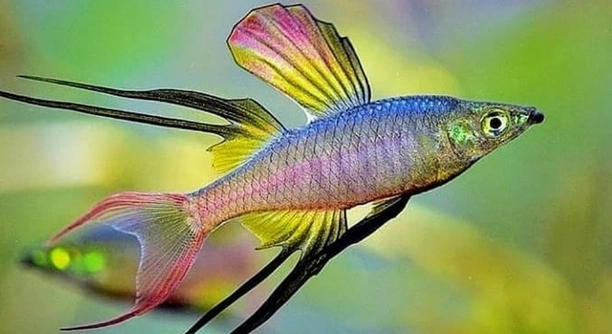
Do you ever notice your Threadfin Rainbowfish swimming upside down and wonder what might be causing this unusual behavior in your tank? Observing fish acting differently can be alarming, especially when they usually swim gracefully and upright.
Threadfin Rainbowfish may swim upside down due to swim bladder disorders, water quality issues, sudden temperature changes, nutritional deficiencies, parasitic infections, stress from overcrowding, or exposure to toxins. Identifying the precise cause is essential for timely intervention and treatment.
Understanding these reasons will help maintain a healthy tank and prevent further complications. Each factor can significantly affect your fish’s wellbeing and swimming behavior.
Swim Bladder Disorders
Swim bladder disorders are one of the most common reasons Threadfin Rainbowfish swim upside down. The swim bladder is an internal organ that helps fish maintain buoyancy. When it becomes inflamed or damaged, the fish loses control over its position in the water, causing unusual swimming patterns. Overfeeding or feeding improper foods can contribute to swim bladder problems. Sudden changes in diet or introduction of new foods may also trigger digestive issues, putting pressure on the swim bladder. Observing your fish closely after feeding can reveal whether the problem is related to nutrition. Maintaining a stable feeding schedule with appropriate food sizes reduces the risk of complications. Additionally, infections or genetic factors can play a role. Identifying swim bladder issues early can prevent long-term health problems. Treatment often involves adjusting diet, improving water quality, and providing gentle care to allow the fish to recover naturally over time.
Careful observation and timely intervention are key to managing swim bladder disorders effectively in your tank.
Treatment for swim bladder disorders may include fasting the fish for a day or two to allow the digestive system to clear. Feeding high-quality, easily digestible foods can reduce stress on the swim bladder. In more severe cases, veterinary intervention or specific medications may be necessary. Adjusting tank conditions, such as temperature and water movement, also supports recovery and helps your fish regain normal swimming behavior.
Water Quality Issues
Poor water quality can cause Threadfin Rainbowfish to swim upside down due to stress or physiological strain.
Maintaining proper water parameters is essential for fish health. High ammonia, nitrite, or nitrate levels can disrupt organ function and buoyancy. Regular water testing and consistent filtration help keep the environment stable. Sudden chemical changes, such as introducing untreated tap water or adding medications without proper adjustment, can shock the fish and exacerbate swimming issues. Temperature fluctuations and pH swings also affect the swim bladder indirectly by increasing metabolic stress. Removing uneaten food and debris minimizes bacterial growth and toxins. Even slight deviations from optimal conditions can lead to noticeable behavioral changes in sensitive species like Threadfin Rainbowfish. Establishing a cleaning routine, monitoring chemical levels, and acclimating new water carefully can prevent these issues from developing. Proper water quality not only restores normal swimming but also strengthens the immune system, reducing susceptibility to infections and improving overall vitality. Regular observation ensures any decline in water conditions is addressed immediately, preventing prolonged discomfort for your fish.
Sudden Temperature Changes
Sudden temperature shifts can disorient Threadfin Rainbowfish, causing them to swim upside down. These fish are sensitive to even minor fluctuations, which affect their metabolism and buoyancy. Consistent water temperature is crucial to prevent stress and maintain normal swimming patterns.
Rapid drops or spikes in temperature can strain the fish’s internal systems. If the water becomes too cold, their metabolism slows, making it difficult to maintain balance. Excessively warm water increases activity, sometimes leading to frantic swimming or floating at odd angles. Sudden changes often occur when adding untreated water, adjusting heaters abruptly, or placing the tank near drafts or sunlight. Gradual acclimation when changing water and monitoring tank temperature with a reliable thermometer helps minimize these risks. Maintaining a stable environment reduces stress-related illnesses and supports overall fish health.
Long-term exposure to unstable temperatures may weaken immune function, making Threadfin Rainbowfish more susceptible to infections. Observing their behavior and correcting temperature issues immediately helps prevent persistent upside-down swimming. Using stable heaters and insulating the tank ensures a controlled, safe environment for consistent buoyancy and activity.
Nutritional Deficiencies
A lack of essential nutrients can directly affect swimming behavior in Threadfin Rainbowfish. Deficiencies in vitamins or minerals may impair muscle function, energy levels, and internal organ performance.
Feeding a varied diet with high-quality flakes, pellets, and occasional live foods ensures adequate nutrition. Specific vitamins like vitamin C and vitamin D are critical for immune support and organ function. A poor diet weakens the swim bladder and can lead to persistent upside-down swimming. Monitoring feeding habits and supplementing where needed helps maintain energy and balance. Regularly rotating food types prevents nutrient gaps.
Over time, nutritional deficiencies may manifest as lethargy, poor coloration, and irregular swimming patterns. Adjusting the diet gradually while observing for improvements supports recovery. Providing high-quality, fortified foods, combined with occasional natural protein sources, improves overall health and reduces the risk of swim bladder and muscular problems. Balanced nutrition is essential for longevity and active, normal swimming behavior in Threadfin Rainbowfish.
Parasitic Infections
Parasitic infections can interfere with a Threadfin Rainbowfish’s balance, causing upside-down swimming. Internal parasites may affect the swim bladder or digestive system, while external parasites can stress the fish, reducing normal movement. Prompt treatment is essential to restore proper swimming behavior.
Observing unusual spots, erratic swimming, or rubbing against objects can indicate parasite presence. Quarantining affected fish and using appropriate anti-parasitic treatments help prevent spread. Maintaining clean water and avoiding overcrowding reduces infection risks.
Stress from Overcrowding
Overcrowding increases competition for food and space, leading to stress in Threadfin Rainbowfish. Stress affects buoyancy and swimming patterns, often resulting in upside-down swimming. Maintaining adequate tank size and population density helps prevent this behavior and supports overall health.
Exposure to Toxins
Exposure to toxins from cleaning agents, chemicals, or contaminated water can harm Threadfin Rainbowfish. Even small amounts can disrupt internal systems and lead to upside-down swimming. Regular monitoring of water quality and careful handling of chemicals prevents toxic exposure.
FAQ
Why is my Threadfin Rainbowfish suddenly swimming upside down?
Upside-down swimming is usually a sign of swim bladder issues, stress, poor water quality, nutritional deficiencies, parasites, or temperature fluctuations. Observing other behaviors like lethargy, discoloration, or unusual feeding patterns can help identify the underlying cause. Prompt action prevents long-term health problems.
How can I tell if it’s a swim bladder disorder?
Fish with swim bladder disorders often float to the surface, sink to the bottom, or swim sideways. They may struggle to maintain a normal position, especially after feeding. Monitoring feeding habits, water temperature, and diet can reveal whether buoyancy issues are linked to the swim bladder.
Can water quality really affect swimming?
Yes. High ammonia, nitrite, or nitrate levels, pH swings, or sudden chemical changes can stress Threadfin Rainbowfish. Stress interferes with organ function and balance. Regular water testing, proper filtration, and removing debris prevent toxic buildup and help restore normal swimming behavior.
What foods are best for preventing buoyancy problems?
High-quality flakes, pellets, and occasional live foods ensure balanced nutrition. Foods rich in vitamins like C and D support swim bladder function and overall health. Avoid overfeeding, provide small portions, and rotate food types to reduce digestive stress and maintain energy levels.
How do temperature changes affect my fish?
Threadfin Rainbowfish are sensitive to sudden shifts. Cold water slows metabolism, warm water increases activity, and abrupt changes may disorient them. Gradually acclimating new water and using reliable heaters helps maintain stability and prevents upside-down swimming caused by environmental stress.
Are parasites a serious concern?
Yes. Internal parasites can affect the swim bladder or digestion, while external parasites cause stress and erratic movement. Quarantining new fish, maintaining clean water, and using proper anti-parasitic treatments reduce the risk of infection and support normal swimming behavior.
Can stress from overcrowding cause upside-down swimming?
Overcrowding increases competition for food and territory. Stress affects buoyancy, immune function, and behavior. Keeping an appropriate number of fish for your tank size and providing hiding spots reduces stress, promoting normal activity and healthy swimming patterns.
What should I do if my fish is exposed to toxins?
Toxins from cleaning agents, chemicals, or contaminated water can damage organs and disrupt swimming. Immediate partial water changes, removing potential chemical sources, and monitoring behavior help mitigate effects. Avoid introducing harsh chemicals directly into the tank and always handle water treatments carefully.
How long does it take for a fish to recover from upside-down swimming?
Recovery depends on the cause. Minor dietary or water issues may resolve within a few days. Swim bladder disorders, parasitic infections, or severe stress may require weeks. Correcting the environment, diet, and treatment is essential for full recovery. Regular observation ensures timely adjustments.
Can upside-down swimming be prevented?
Yes. Maintaining stable water conditions, providing balanced nutrition, avoiding overcrowding, and monitoring for disease or parasites reduce the risk. Consistent care, regular tank maintenance, and gradual changes in environment or diet help Threadfin Rainbowfish maintain healthy swimming habits over time.
Is it safe to treat swim bladder disorders at home?
Mild cases can be managed by adjusting diet, fasting for a short period, and maintaining water quality. Severe or persistent issues may require veterinary advice or specific medications. Careful observation and slow environmental adjustments improve chances of recovery without harming the fish.
When should I seek professional help?
Seek a veterinarian if upside-down swimming persists despite correcting water, diet, and temperature. Signs like severe lethargy, bloating, discoloration, or rapid deterioration indicate more serious underlying conditions that need professional evaluation. Prompt intervention increases the likelihood of full recovery.
How can I improve my fish’s tank environment?
Ensure proper filtration, consistent temperature, clean water, and adequate space. Remove debris, monitor chemical levels, and provide hiding spots to reduce stress. Gradually acclimate new fish and maintain a balanced diet to support buoyancy, immune function, and overall health.
Can dietary supplements help prevent upside-down swimming?
Yes. Vitamin-enriched foods and occasional live or frozen protein sources improve swim bladder function and general health. Supplements help prevent deficiencies that may cause balance problems. Careful portioning and variety prevent overfeeding while maintaining nutrient balance.
What are early warning signs of buoyancy issues?
Early signs include floating near the surface, sinking to the bottom, swimming sideways, or reduced movement. Digestive changes, loss of appetite, and slight color changes may also indicate the onset of swim bladder or health problems. Early detection allows timely correction.
Are certain tank setups better for preventing stress?
Yes. Tanks with adequate space, hiding spots, gentle water flow, and proper population density reduce stress. Stable water temperature and chemical balance support normal swimming. Avoid placing the tank near drafts, sunlight, or heavy traffic areas to maintain a calm environment.
How often should I test water parameters?
Test ammonia, nitrite, nitrate, and pH levels at least once a week. Frequent testing ensures immediate detection of changes that could affect buoyancy. Addressing imbalances promptly prevents stress and upside-down swimming while supporting overall fish health.
Can combining solutions help recovery?
Yes. Correcting water quality, improving diet, managing temperature, and treating parasites together accelerates recovery. Addressing multiple contributing factors ensures the fish regains proper swimming behavior faster and reduces the likelihood of recurrence.
How do I know if my fish has fully recovered?
Normal swimming, balanced buoyancy, regular feeding, and active behavior indicate recovery. Continuous observation after treatment or adjustments ensures the fish maintains health. Any relapse may signal underlying issues needing further attention.
Can prevention completely stop upside-down swimming?
While prevention reduces risk significantly, occasional minor incidents may still occur. Consistent care, monitoring, and quick intervention minimize the severity and frequency, keeping Threadfin Rainbowfish healthy and swimming normally.
How important is tank maintenance in preventing swimming issues?
Tank maintenance is crucial. Clean water, proper filtration, regular testing, and controlled feeding create a stable environment. Reducing stress and exposure to toxins or parasites directly supports swim bladder function and normal swimming behavior. Consistency in care is key to prevention.
What role does observation play in fish health?
Careful observation allows early detection of behavioral changes, color shifts, or appetite loss. Early action can prevent minor issues from becoming serious, ensuring fish remain healthy, active, and swim correctly. Daily monitoring helps maintain long-term well-being.
How do I adjust diet for a fish with swim bladder problems?
Feed small, easily digestible meals, occasionally fasting to relieve pressure on the swim bladder. Include high-quality flakes or pellets and live or frozen foods for protein. Avoid overfeeding and ensure balanced nutrition to support recovery and prevent recurrence.
Can water additives help with buoyancy problems?
Certain water conditioners improve overall water quality and reduce stress, indirectly supporting buoyancy. Treatments targeting parasites or bacterial infections can also help. Always follow manufacturer guidelines to avoid overuse or chemical imbalances.
How long should I monitor after recovery?
Continue observing swimming, feeding, and activity patterns for several weeks after recovery. Stability in behavior ensures the issue has resolved completely. Gradual adjustments in environment or diet may still be needed to prevent recurrence.
What are common mistakes to avoid?
Avoid sudden water changes, overfeeding, overcrowding, and ignoring early warning signs. Using untested chemicals or neglecting quarantine procedures can worsen issues. Consistent care, gradual changes, and attentive observation prevent most upside-down swimming problems.
Are all upside-down swimming cases related to health problems?
Most are linked to swim bladder disorders, stress, nutrition, parasites, or environmental factors. Rarely, genetic anomalies may play a role. Observing other behaviors and conditions helps distinguish between temporary imbalance and serious health concerns.
Can older fish be more prone to swimming issues?
Yes. Aging may weaken muscles and organs, making swim bladder disorders or stress effects more likely. Older fish require consistent care, stable environments, and careful diet management to maintain proper swimming behavior.
How can I prevent future problems after recovery?
Maintain water quality, provide a balanced diet, avoid overcrowding, monitor temperature, and treat parasites promptly. Consistency in care, observation, and gradual environmental changes keeps Threadfin Rainbowfish healthy and swimming normally.
Is it normal for multiple fish to swim upside down at the same time?
If multiple fish show the behavior simultaneously, environmental or water issues are likely. Immediate testing of water parameters and examination of tank conditions is essential to prevent widespread health problems.
Can medications affect swimming behavior?
Some medications can temporarily alter swimming by stressing the fish or affecting internal organs. Administer treatments carefully, follow instructions, and monitor behavior closely to ensure recovery. Proper dosing minimizes side effects and supports normal activity.
Are live foods better than pellets for preventing buoyancy problems?
Live foods provide natural nutrients that support swim bladder health, but a balanced combination with pellets ensures consistent nutrition. Variety helps prevent deficiencies and supports muscle, organ, and digestive function, reducing the risk of upside-down swimming.
Can stress alone cause long-term swimming problems?
Prolonged stress weakens the immune system, affects organ function, and can cause chronic buoyancy issues. Addressing environmental factors, tank population, and interactions reduces stress, supporting long-term healthy swimming.
How do I handle aggressive tank mates affecting swimming?
Separate aggressive fish or provide hiding spaces to reduce bullying. Stress from aggression can lead to erratic or upside-down swimming. Ensuring adequate space and compatible species prevents these problems and promotes normal behavior.
Is fasting safe for treating swim bladder issues?
Short-term fasting (1–2 days) is safe and can relieve digestive pressure on the swim bladder. Always resume feeding gradually with small, easily digestible portions to prevent further complications.
Can frequent monitoring prevent most upside-down swimming cases?
Yes. Observing fish daily for behavior, feeding, and color changes allows early intervention. Early detection and corrective action prevent most serious issues, maintaining overall health and normal swimming patterns.
Are Threadfin Rainbowfish more sensitive than other species?
Threadfin Rainbowfish are particularly sensitive to water quality, diet, temperature, and stress. Careful monitoring, stable conditions, and balanced nutrition are critical to maintaining healthy swimming behavior.
What is the most effective combination for recovery?
Stabilizing water conditions, correcting diet, maintaining temperature, treating parasites, and reducing stress collectively support recovery. Addressing multiple factors simultaneously ensures faster restoration of normal swimming.
How long should I wait before introducing new fish after an incident?
Wait until the tank is stable, water parameters are consistent, and recovered fish show normal behavior. Quarantine new fish to avoid introducing stress, parasites, or water fluctuations that may trigger recurrence.
Can swim bladder disorders recur?
Yes, particularly if diet, water quality, or tank conditions remain inconsistent. Continuous monitoring, proper care, and gradual adjustments reduce the likelihood of repeat episodes.
Is there a permanent solution for upside-down swimming?
There is no guaranteed permanent solution, but consistent care, proper diet, stable environment, and prompt intervention significantly reduce the risk. Long-term prevention is achievable with attentive tank management.
Do environmental changes always cause swimming problems?
Not always, but sudden or extreme changes in temperature, water chemistry, or tank setup often lead to stress, affecting buoyancy. Gradual adjustments and careful monitoring minimize risks.
Can behavioral observation replace water testing?
No. Observation helps detect issues early, but testing water parameters is essential for identifying hidden chemical imbalances that could affect swimming and overall health. Both practices together ensure the best care.
How important is quarantine for new fish?
Quarantine prevents parasites, diseases, and stress from entering the main tank. Proper isolation protects existing fish from health issues that may cause upside-down swimming or other behavioral problems.
Are certain fish more prone to nutritional deficiencies?
Yes. Threadfin Rainbowfish and other delicate species require a balanced diet with specific vitamins and minerals. Inadequate nutrition increases the risk of swim bladder issues and abnormal swimming.
Can improper tank size affect swimming?
Yes. Small or overcrowded tanks limit space, increase stress, and can interfere with buoyancy. Providing adequate space for swimming and hiding supports normal behavior and reduces the likelihood of upside-down swimming.
What is the best long-term strategy for preventing swimming issues?
Maintain consistent water quality, balanced nutrition, proper temperature, adequate space, and minimal stress. Regular observation, preventive care, and careful environmental adjustments create a stable environment supporting healthy swimming.
How can I quickly identify early-stage problems?
Look for subtle changes in swimming, appetite, color, or activity levels. Early intervention, such as diet adjustment or water correction, prevents minor issues from developing into serious swim bladder or health problems.
Can tank decorations affect swimming?
Yes. Overcrowded decorations or sharp objects can cause stress or injury. Arranging the tank to allow open swimming space and hiding areas reduces stress and promotes normal buoyancy.
Is monitoring water temperature more important than pH?
Both are important. Temperature affects metabolism and buoyancy, while pH affects organ function and stress levels. Regular monitoring of both ensures a stable environment and healthy swimming behavior.
Can upside-down swimming indicate imminent death?
Not always. While severe, persistent upside-down swimming can signal serious illness, many cases are reversible with proper care, diet, and environmental adjustments. Immediate action improves survival chances.
Should I separate an upside-down swimming fish from others?
If the behavior is caused by stress, parasites, or illness, temporary separation can prevent aggression, reduce stress, and allow targeted treatment. Isolation supports recovery without affecting tankmates.
How do I balance multiple causes at once?
Address water quality, diet, temperature, and stress simultaneously. Treat parasites if present, stabilize the environment, and monitor recovery. A comprehensive approach speeds restoration of normal swimming.
Are Threadfin Rainbowfish naturally more prone to swim bladder issues?
Yes. Their delicate digestive system and sensitivity to environmental changes make them more vulnerable to buoyancy problems. Careful feeding, water maintenance, and stress reduction are essential for prevention.
Can light levels affect swimming behavior?
Extreme or fluctuating light can stress fish, causing erratic swimming. Moderate, consistent lighting supports normal activity and reduces disorientation that may lead to upside-down swimming.
Is it safe to mix chemical treatments with dietary changes?
Yes, if done carefully. Adjust diet gradually while administering treatments for parasites or infections. Avoid overuse of chemicals and observe behavior closely to ensure recovery without additional stress.
What is the role of protein in preventing swimming issues?
Protein supports muscle strength and organ function, both critical for maintaining buoyancy. Including high-quality protein sources in the diet reduces the risk of swim bladder disorders and supports overall activity levels.
Can overfeeding alone cause upside-down swimming?
Yes. Excess food can cause digestive blockages or swim bladder pressure, leading to abnormal buoyancy. Small, frequent meals with proper portioning prevent overfeeding-related swimming problems.
How do I know if behavior is temporary or serious?
Temporary issues usually improve quickly after environmental or dietary adjustments. Persistent upside-down swimming, especially with other signs like lethargy or color changes, indicates a more serious problem requiring intervention.
Are young fish more vulnerable to these issues?
Yes. Juveniles are more sensitive to water quality, diet, and temperature changes. Extra care, stable conditions, and appropriate feeding reduce the risk of early swim bladder or buoyancy problems.
Can frequent water changes help prevent upside-down swimming?
Yes. Regular partial water changes remove toxins, reduce stress, and maintain stable conditions. Careful acclimation of new water prevents sudden fluctuations that may disrupt buoyancy.
Is tank size more critical than decoration for swimming?
Both matter, but adequate space is essential. Crowded tanks limit movement and increase stress, while excessive decorations can create obstacles. A balance ensures room for swimming while providing hiding spots.
Can upside-down swimming resolve without intervention?
Sometimes minor stress or temporary dietary issues correct themselves, but persistent or severe cases require active intervention to prevent long-term health problems.
How often should I feed to prevent buoyancy problems?
Feed small, frequent meals rather than one large portion. Balanced, high-quality food supports digestion, swim bladder health, and normal activity while reducing the risk of abnormal swimming.
Are Threadfin Rainbowfish compatible with other species for prevention?
Yes, but choose peaceful, similarly sized species. Aggressive or fast-moving tankmates can stress Threadfin Rainbowfish, leading to erratic or upside-down swimming. Proper compatibility reduces stress and promotes normal behavior.
Does water hardness affect buoyancy?
Extreme water hardness can stress fish and affect organ function, indirectly influencing buoyancy. Keeping water within recommended ranges supports swim bladder health and normal swimming patterns.
Can sudden feeding changes trigger upside-down swimming?
Yes. Abrupt changes in food type or quantity may cause digestive stress, leading to swim bladder issues. Gradual transitions reduce the risk of abnormal buoyancy.
How can I tell if the swim bladder is permanently damaged?
Persistent inability to maintain normal swimming despite proper care may indicate permanent damage. Continuous observation and veterinary consultation help determine the extent of the problem.
Are environmental stressors more harmful than dietary issues?
Both can be equally harmful. Stress affects immune function and behavior, while dietary deficiencies directly impair organ function and buoyancy. Addressing both is necessary for recovery and prevention.
What role does pH stability play in swimming behavior?
Stable pH reduces stress, supports organ function, and prevents chemical shock. Fluctuating pH can affect buoyancy indirectly, making consistent monitoring essential for healthy swimming.
Can isolation itself cause stress?
Yes, some fish experience stress when separated. Balance the benefits of isolation for treatment with careful observation and environmental enrichment to minimize negative effects.
How important is consistency in care?
Consistency is key. Stable water, regular feeding, temperature control, and attentive observation prevent most cases of upside-down swimming and support long-term health.
Can seasonal changes affect swimming?
Yes. Temperature fluctuations and light changes with seasons can stress fish. Gradual adjustments and monitoring maintain stable conditions to prevent buoyancy issues.
Are young Threadfin Rainbowfish more prone to dietary deficiencies?
Yes. Rapid growth increases nutrient demands. Balanced feeding and supplementation reduce the risk of deficiencies affecting swim bladder function and swimming behavior.
Can adding live plants help prevent stress?
Yes. Plants provide hiding spots and reduce aggression, creating a calmer environment. A less stressful tank helps maintain normal swimming and supports overall health.
Is it normal for recovered fish to test limits?
Occasionally. They may explore boundaries or swim irregularly briefly. Continuous monitoring ensures these behaviors are not signs of relapse or stress.
How often should I review tank setup for prevention?
Regularly. Monthly checks of water quality, decorations, population, and filtration help prevent stress, diet problems, and buoyancy issues before they develop.
Can upside-down swimming affect other fish?
Yes. It may indicate water or environmental problems that could stress or harm tankmates. Addressing underlying causes protects the entire
Threadfin Rainbowfish swimming upside down can be alarming, but it is often a symptom of an underlying issue that can be addressed with proper care. Common causes include swim bladder disorders, poor water quality, sudden temperature changes, nutritional deficiencies, parasites, stress from overcrowding, or exposure to toxins. Observing your fish closely and identifying changes in behavior, appetite, or appearance is the first step in determining the cause. Early detection allows for timely action, which can prevent long-term health problems and support a quicker recovery. Being attentive to subtle signs in your tank ensures that your fish remain healthy and active over time.
Maintaining a stable and clean environment is essential for preventing upside-down swimming in Threadfin Rainbowfish. Regular water testing, consistent filtration, and partial water changes reduce the risk of harmful chemical buildup and environmental stress. Temperature should remain stable and be monitored carefully, as sudden fluctuations can disorient delicate fish. Providing adequate space for swimming, as well as hiding spots, minimizes stress caused by overcrowding or aggressive tankmates. Feeding a balanced and varied diet with high-quality pellets, flakes, and occasional live or frozen food supports proper organ function and buoyancy. Gradual adjustments in diet and careful portioning prevent digestive issues that could affect the swim bladder.
Even with proper care, occasional incidents of upside-down swimming may still occur, but consistent attention to water quality, diet, and tank conditions will minimize their frequency and severity. Combining preventive measures such as stable temperature, high-quality nutrition, and stress reduction with prompt intervention when problems arise helps maintain long-term health. Monitoring your fish daily for changes in behavior, activity levels, or swimming patterns ensures any emerging issues are addressed before they become serious. By understanding the causes of upside-down swimming and applying careful, consistent care, you can create an environment where your Threadfin Rainbowfish thrive, remain active, and display normal swimming behavior over the long term.

Hello,
If you enjoy the content that we create, please consider saying a "Thank You!" by leaving a tip.
Every little bit helps us continue crafting quality advice that supports the health, happiness, and well-being of pets around the world, for pets of all shapes, sizes, and species.
We really appreciate the kindness and support that you show us!