
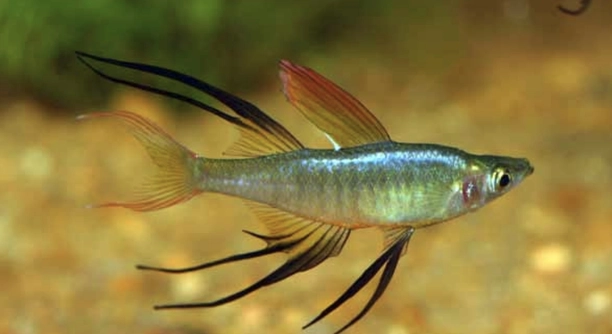
Do your Threadfin Rainbowfish seem more active at certain times of the day? Observing their behavior can reveal subtle patterns that reflect their natural instincts and how they respond to changes in their environment.
Threadfin Rainbowfish do benefit from a consistent light cycle. Providing approximately 10–12 hours of light daily helps regulate their circadian rhythm, supports normal activity levels, and encourages healthy feeding and breeding behavior in captivity.
Maintaining a proper light schedule ensures your fish remain healthy and active, setting the stage for a balanced and thriving aquarium environment.
Understanding Light Needs for Threadfin Rainbowfish
Threadfin Rainbowfish are naturally active during the day, so replicating a stable light cycle in your aquarium is important. They thrive under 10–12 hours of light followed by a period of darkness to rest. Sudden changes in lighting can stress them, which may reduce their appetite or make them hide more often. A consistent light schedule also helps maintain their vibrant colors, which can fade if the fish are exposed to irregular or overly long lighting. Using a timer can simplify maintaining this schedule, ensuring the fish experience reliable day and night periods. Proper lighting not only affects their behavior but also the growth of live plants in the tank, which contributes to oxygen levels and overall tank health. It is a small adjustment that has a significant impact on their well-being, making the aquarium feel more natural and comfortable for your Threadfin Rainbowfish.
A predictable light cycle encourages normal activity and supports their internal biological rhythm, improving feeding and social interactions.
Even subtle inconsistencies in lighting can stress Threadfin Rainbowfish. Ensuring the light is neither too bright nor too dim helps them feel secure. Position the tank away from direct sunlight to avoid overheating and uncontrolled light exposure. Adjusting the intensity gradually over time can prevent sudden shock. Keeping lights on a consistent schedule also benefits tank plants, which need regular light to photosynthesize. Healthy plants improve water quality and offer hiding spots for your fish. Observing your fish regularly allows you to notice behavioral changes, ensuring they are comfortable. Proper lighting creates a balanced environment where the fish can swim freely, display natural colors, and maintain good health. Small steps, like a timer and gradual adjustments, go a long way in maintaining their well-being and the overall harmony of the aquarium ecosystem.
Effects of Light on Behavior and Health
A steady light cycle keeps Threadfin Rainbowfish active and healthy, supporting feeding and interaction within the tank.
Inconsistent lighting can disrupt sleep patterns, causing stress and affecting immunity. Fish may become more prone to disease if their biological rhythm is interrupted frequently. A regular cycle reduces aggression and territorial behavior, especially in smaller aquariums. Proper lighting stimulates natural behaviors, including schooling, exploration, and mating. Overexposure to light can be as harmful as insufficient light, leading to faded coloration and decreased vitality. Observing how your fish respond to light adjustments helps in fine-tuning the environment. Using timers ensures a reliable routine without manual intervention. Additionally, light supports plant growth, which contributes to cleaner water and better oxygenation. Combining appropriate light duration, intensity, and placement fosters a balanced ecosystem. Over time, this consistency reduces stress, encourages natural behavior, and improves the overall health of Threadfin Rainbowfish. Regular monitoring allows early identification of stress signs, ensuring timely adjustments for their comfort and longevity.
Setting Up the Right Light Schedule
A consistent light schedule is essential for Threadfin Rainbowfish. Aim for 10–12 hours of light daily, followed by darkness. Using a timer ensures reliability, reducing stress and maintaining their natural activity patterns.
Gradually adjust lighting when setting up a new tank. Sudden bright light can startle fish, causing them to hide or become inactive. Position the aquarium away from direct sunlight to avoid fluctuations in light intensity and heat. Observing how the fish respond during the first week helps fine-tune timing. Combining natural daylight with controlled artificial light can mimic their natural environment. Properly timed lighting encourages feeding, swimming, and social behaviors, making the tank a healthier space. Small adjustments can have a lasting impact on fish comfort and activity.
Overexposure or insufficient lighting can affect their coloration and immune system. Consistent lighting supports plant growth, contributing to oxygenation and cleaner water. Timers reduce human error in turning lights on or off. By monitoring behavior and gradually adjusting intensity, you ensure a balanced, stable environment. Healthy light cycles reduce stress and enhance natural behaviors, creating a thriving aquarium for your Threadfin Rainbowfish. Proper light management benefits both fish and the overall ecosystem in the tank.
Choosing the Right Light Type
LED lights are ideal for Threadfin Rainbowfish tanks due to their efficiency and low heat output. They provide bright, even lighting that highlights colors and supports plant growth.
Fluorescent lights also work but may need replacement more often. Full-spectrum bulbs enhance coloration and simulate natural daylight. Avoid very intense lights that can overheat the tank or cause stress. Dimmer options allow gradual adjustment, which is helpful during acclimation. Some aquarists combine LED and fluorescent setups to balance brightness and energy use. Positioning lights to cover the entire tank ensures all fish benefit. Monitoring how fish react to different light types helps determine the best choice for behavior and health. Proper lighting improves feeding, schooling, and overall vitality.
The distance and angle of the light affect both fish and plants. Lights placed too close may increase algae growth or cause discomfort. A balance of intensity and duration helps maintain water quality and reduces stress. Timer usage ensures consistent day-night cycles. Observing fish behavior daily can reveal if the lighting is optimal, encouraging vibrant colors and active swimming. Adjusting placement and type of light gradually prevents sudden changes, making the environment feel natural. Well-planned lighting enhances the tank’s aesthetics while promoting a stable ecosystem for Threadfin Rainbowfish.
Light and Stress Levels
Inconsistent or overly bright lighting can stress Threadfin Rainbowfish. Stress may cause hiding, reduced appetite, or unusual behavior. Maintaining a stable light schedule helps them feel secure.
Gradually adjusting light intensity prevents sudden shocks. Using a timer ensures day-night consistency, which supports their natural circadian rhythm and reduces stress.
Impact on Feeding Patterns
Threadfin Rainbowfish feed more actively under stable light conditions. Irregular lighting can disrupt their appetite and feeding schedule, leading to uneven growth or competition among fish. Properly timed light encourages regular feeding and healthier digestion. Observing feeding behavior helps confirm if the light cycle is working effectively. Consistent lighting also allows nocturnal tank maintenance without disturbing their routine.
Seasonal Light Changes
Changes in natural daylight can influence fish behavior. Supplementing with artificial light maintains stability during shorter or longer days.
FAQ
How long should the light be on for Threadfin Rainbowfish?
Threadfin Rainbowfish do best with about 10–12 hours of light each day. This duration mimics their natural daylight cycle and supports normal activity, feeding, and social behavior. A consistent schedule helps prevent stress and promotes vibrant coloration. Using a timer ensures reliability and prevents accidental over- or underexposure.
Can too much light harm my fish?
Yes, excessive light can stress Threadfin Rainbowfish. Overly bright or prolonged lighting may cause them to hide, reduce feeding, or develop faded colors. Stress weakens their immune system, increasing susceptibility to illness. Maintaining a stable schedule with moderate intensity helps keep them active and healthy.
Do Threadfin Rainbowfish need darkness at night?
Absolutely. Darkness allows them to rest and maintain a natural circadian rhythm. Without sufficient nighttime periods, they may become stressed, less active, or display irregular feeding patterns. Ensuring complete darkness, even if only for 12–14 hours at night, is essential for their well-being.
What type of light is best for my tank?
LED lights are highly recommended because they provide bright, even illumination without generating excessive heat. Full-spectrum bulbs enhance natural coloration and support plant growth. Fluorescent lights can work but often require more frequent replacement. Combining light types can balance brightness and energy efficiency.
How should I position the lights in the aquarium?
Lights should cover the entire tank evenly to avoid shaded areas. Keep lights at a safe distance to prevent overheating or algae growth. Gradual adjustment of intensity during acclimation reduces stress. A timer helps maintain consistency, ensuring all fish experience a predictable light cycle.
Will lighting affect my tank plants?
Yes, proper lighting is critical for plant health. Plants need light for photosynthesis, which improves oxygen levels and water quality. Healthy plants provide hiding spots for fish, support natural behavior, and reduce stress. Balanced light duration and intensity support both fish and plant growth.
Can natural sunlight replace aquarium lights?
Direct sunlight is not recommended because it can cause temperature fluctuations, excessive algae growth, and uneven light distribution. Artificial lighting provides a controlled environment, allowing you to maintain a consistent cycle and intensity, which benefits both fish and plants.
Do fish behavior changes indicate a light problem?
Yes. If your Threadfin Rainbowfish become unusually inactive, hide frequently, or lose coloration, it may indicate that lighting is too bright, inconsistent, or insufficient. Observing behavior helps adjust light duration, intensity, or placement to restore comfort and normal activity.
Should I adjust light seasonally?
Seasonal changes in daylight can affect behavior. Supplementing with artificial lighting maintains a stable environment, preventing stress or disruption of feeding and social patterns. Using a timer ensures the fish experience consistent day and night cycles regardless of seasonal changes.
Can a timer really make a difference?
Absolutely. Timers prevent accidental overexposure or periods of darkness that are too short. They maintain a reliable schedule, reduce stress, and promote natural behaviors, including feeding, swimming, and interaction. Timers are a simple tool that ensures a stable and healthy aquarium environment.
Is dimming the lights necessary sometimes?
Dimming can help during acclimation or when introducing new fish. Gradual changes prevent shock and allow fish to adjust to their environment. Controlled dimming also reduces stress during maintenance or cleaning and supports plant growth without overexposing the tank.
How do I know if my fish are happy with the light setup?
Healthy Threadfin Rainbowfish will swim actively, feed regularly, display bright coloration, and interact with tankmates. Lack of hiding, minimal stress behavior, and regular schooling indicate that the light cycle and intensity are appropriate. Observing daily helps fine-tune the setup for long-term health.
This FAQ provides practical guidance to maintain a stable light cycle, supporting both fish health and a balanced aquarium ecosystem. Proper timing, intensity, and observation are key to thriving Threadfin Rainbowfish.
Final Thoughts
Threadfin Rainbowfish are vibrant and active fish that thrive when their environment closely mimics natural conditions. One of the most important aspects of their care is maintaining a consistent light cycle. A predictable schedule of approximately 10–12 hours of light followed by darkness supports their natural behavior, feeding patterns, and overall well-being. Proper lighting encourages swimming, schooling, and social interaction while also helping them display their bright, attractive colors. Using a timer is a simple way to ensure the light schedule is reliable, reducing stress and creating a stable environment. In addition to benefiting the fish, the right lighting also promotes the growth of live plants, which contributes to oxygenation and cleaner water in the tank. Small, consistent steps in managing lighting have a significant impact on creating a healthy and balanced aquarium for Threadfin Rainbowfish.
Overexposure or inconsistent lighting can lead to stress, hiding, reduced appetite, or faded coloration in Threadfin Rainbowfish. Stress negatively affects their immune system and makes them more prone to disease. Maintaining a consistent light schedule helps prevent these issues while encouraging natural behaviors like feeding and interaction with other tankmates. Observing your fish closely during the first few weeks after setting up the light cycle is important. Behavioral cues such as schooling, active swimming, and normal feeding habits indicate that the lighting is appropriate. Adjustments in intensity or duration should be gradual to avoid shocking the fish. Combining artificial lighting with natural daylight exposure, while ensuring no direct sunlight enters the tank, helps maintain stability. Properly planned lighting not only benefits the fish but also supports plant growth, which in turn improves water quality and provides hiding spots that help reduce stress.
Lighting also plays a key role in seasonal changes and the overall ecosystem of the tank. Natural daylight changes throughout the year, and supplementing with artificial light ensures that Threadfin Rainbowfish experience a consistent day-night cycle. LED lights are highly recommended for their energy efficiency, even illumination, and low heat output. Full-spectrum bulbs enhance coloration and support plant photosynthesis, creating a healthier environment. Regular observation of fish behavior is essential to confirm that the lighting setup is effective. Signs of comfort include regular feeding, active swimming, bright coloration, and normal social behavior. Timers, dimmers, and gradual adjustments make managing the lighting simple while promoting long-term health and stability. A well-lit aquarium creates a balanced environment where both fish and plants can thrive, making care more straightforward and enjoyable.

Hello,
If you enjoy the content that we create, please consider saying a "Thank You!" by leaving a tip.
Every little bit helps us continue crafting quality advice that supports the health, happiness, and well-being of pets around the world, for pets of all shapes, sizes, and species.
We really appreciate the kindness and support that you show us!