
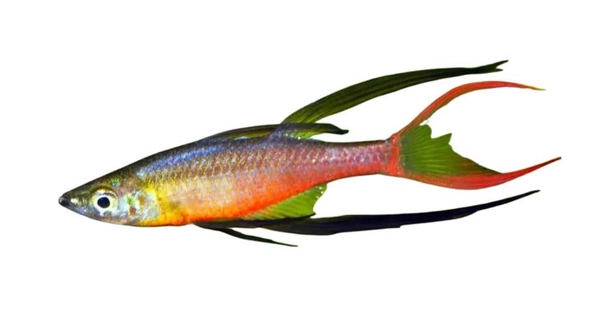
Threadfin Rainbowfish are vibrant and lively additions to any freshwater aquarium. Their shimmering colors and active swimming patterns make them appealing to hobbyists. Many aquarists consider whether these fish thrive better in groups or alone in captivity.
Threadfin Rainbowfish are inherently social creatures, and they exhibit healthier behavior when kept with companions of their own species. Maintaining a small school reduces stress, encourages natural activity, and supports overall well-being in a controlled aquarium environment.
Keeping them in groups enhances their natural behaviors and interactions, making your aquarium a more dynamic and balanced environment for these fish.
Ideal Group Sizes for Threadfin Rainbowfish
Threadfin Rainbowfish feel most comfortable in small schools, typically ranging from six to ten individuals. Keeping them in proper group sizes encourages natural swimming patterns, reduces signs of stress, and promotes overall activity. Inadequate numbers can result in lethargy, hiding, or even aggression toward tank mates. It’s important to consider tank size as well, since overcrowding can have the opposite effect, leading to poor water quality and competition for space. Observing behavior can help determine if the school size is appropriate. When kept in balanced groups, their vivid colors become more pronounced, and they often display synchronized movements, which is both fascinating to watch and a sign of healthy social interaction. Providing hiding spots and open swimming areas helps them feel secure while allowing full expression of their natural behaviors. A well-structured environment contributes significantly to their long-term health and vibrant appearance.
Maintaining six or more fish is usually sufficient to see natural social behavior fully emerge.
Proper schooling improves both activity levels and overall happiness, making the aquarium more lively and balanced for all inhabitants.
Tank Environment Considerations
Water quality is crucial for Threadfin Rainbowfish.
A stable environment with clean, slightly alkaline water supports their health. Regular water changes, proper filtration, and maintaining consistent temperature are essential. Plants, rocks, and open swimming areas offer security while allowing interaction among the fish. Sharp decorations should be avoided to prevent injury, and adequate lighting enhances their natural coloration, making them more visually appealing.
Temperature should remain between 75–82°F, with a pH around 7.0–8.0. Monitoring ammonia, nitrite, and nitrate levels ensures the water remains safe. Aquatic plants not only provide hiding spaces but also contribute to water quality by absorbing nitrates. Spacing swimming areas and decorations helps reduce territorial conflicts while maintaining a visually stimulating tank. Observation of behavior and color vibrancy can indicate whether conditions are optimal or require adjustment. Proper maintenance routines and careful tank design create a secure, stress-free habitat, allowing Threadfin Rainbowfish to thrive socially and physically. Over time, this structured environment reduces illness and enhances natural behaviors, making daily care rewarding.
Feeding Habits and Social Interaction
Threadfin Rainbowfish eat a variety of foods, including flakes, pellets, and live or frozen options. Feeding them in small amounts multiple times a day supports health and prevents overfeeding, which can affect water quality. Social dynamics influence feeding behavior.
In groups, these fish display a natural hierarchy during feeding. Dominant individuals may access food first, while more timid fish wait their turn. Observing how your fish interact during feeding can help you adjust portions and timing to ensure everyone eats adequately. Offering floating and sinking foods encourages activity at different water levels. High-quality protein sources enhance color vibrancy and growth, while occasional plant matter supports digestion. Rotating food types prevents dietary deficiencies and keeps them engaged. A consistent feeding routine helps maintain energy levels, reduces stress, and promotes healthy social interaction within the group, creating a more balanced and harmonious aquarium environment.
Overfeeding or irregular schedules can lead to aggression or illness. Maintaining careful feeding practices supports both social stability and overall health, allowing your school to thrive naturally.
Compatibility with Other Species
Threadfin Rainbowfish coexist well with similarly sized, peaceful fish. Aggressive or very large species should be avoided to prevent stress and injury. Careful selection of tank mates supports a calm and balanced environment.
When selecting tank companions, consider temperament, size, and water parameter compatibility. Small tetras, rasboras, or peaceful gouramis often make suitable additions. Avoid fin-nipping species or overly territorial fish that may disrupt the school’s cohesion. Providing enough swimming space and visual barriers reduces competition and encourages natural social behaviors. Compatibility is not just about coexistence but also about fostering a dynamic and stress-free community. Observing interactions after introducing new fish ensures adjustments can be made quickly. Proper planning and careful observation create a stable environment where Threadfin Rainbowfish maintain their social structure, color vibrancy, and overall well-being. A well-chosen community can enhance both the appearance and the enjoyment of your aquarium while keeping all species healthy and active.
Observing Behavior in Groups
Threadfin Rainbowfish are more active and colorful when kept in groups. Their social interactions include chasing, synchronized swimming, and occasional playful nudging. Monitoring these behaviors helps identify stress or illness early.
Signs of aggression or isolation should not be ignored. Adjusting group size or tank layout can restore harmony and promote natural activity levels.
Breeding Considerations
Breeding Threadfin Rainbowfish requires providing dense plants and flat surfaces for egg-laying. Keeping a small group together encourages natural courtship displays. Males often show brighter colors and engage in chasing behaviors to attract females. Separating fry from adults is necessary to prevent predation. A stable water environment supports successful breeding.
Stress Reduction Techniques
Providing open swimming areas and plants reduces stress. Consistent water parameters and minimal sudden changes keep fish calm and active.
FAQ
Do Threadfin Rainbowfish need to be kept in groups?
Yes, they are naturally social and thrive in schools. Keeping at least six individuals ensures they exhibit natural behaviors like synchronized swimming and playful chasing. Smaller groups may lead to stress, hiding, or lethargy, which can impact overall health and coloration.
Can they live alone?
While a single fish can survive, it often becomes less active and displays duller colors. Loneliness can cause anxiety and reduce appetite. Observing behavior in isolation often shows a lack of engagement compared to schooling conditions, which are essential for their mental and physical well-being.
What is the ideal tank size for a school?
A minimum of 30 gallons is recommended for a group of six to ten. More space is better, allowing open swimming areas and reducing territorial disputes. Proper tank size ensures water quality remains stable and fish have room to display natural activity.
Are they compatible with other fish?
Threadfin Rainbowfish do well with similarly sized, peaceful species. Small tetras, rasboras, or peaceful gouramis are good options. Aggressive or fin-nipping fish should be avoided, as they can stress the school and cause injuries. Observing interactions after introducing new tank mates is essential.
What do they eat?
They are omnivores and accept flakes, pellets, frozen, or live foods. Providing a variety ensures proper nutrition. Protein-rich foods enhance color, while occasional plant matter aids digestion. Feeding multiple small portions daily prevents overfeeding and supports water quality.
How often should I feed them?
Two to three small feedings daily is ideal. Overfeeding can lead to water quality issues and obesity. Monitoring how each fish eats helps ensure all individuals receive adequate nutrition, especially in larger groups where hierarchy may affect feeding.
How can I tell if my fish are stressed?
Signs include hiding, dull coloration, erratic swimming, or loss of appetite. Stress can result from poor water quality, inadequate group size, or aggressive tank mates. Adjusting the environment, providing plants, and maintaining consistent water parameters can reduce stress.
What water conditions do they prefer?
They thrive in slightly alkaline water with pH 7.0–8.0 and temperatures between 75–82°F. Ammonia, nitrite, and nitrate levels should be closely monitored. Stable water parameters support vibrant colors and natural behaviors. Frequent water changes maintain health and minimize stress.
How do I encourage breeding?
Provide dense plants or flat surfaces for egg-laying. Keeping a small group together encourages natural courtship. Males display brighter colors and chase females to signal readiness. Separating fry from adults prevents predation, and stable water conditions increase spawning success.
Are they aggressive toward their own species?
Minor chasing is normal as part of hierarchy and courtship, but prolonged aggression indicates overcrowding or stress. Observing interactions and adjusting group size or tank layout can maintain harmony and support natural behavior within the school.
How do decorations affect their behavior?
Plants and open swimming areas balance security and freedom. Hiding spots reduce stress, while open areas allow social displays. Avoid sharp objects that can injure fins. Proper tank layout encourages activity, social interaction, and natural color expression.
Can they live with shrimp or snails?
Yes, peaceful invertebrates like shrimp and snails generally coexist without issues. Avoid large or predatory species that may harm them. Ensuring sufficient space and hiding spots for both fish and invertebrates supports a balanced, stress-free environment.
How long do they live?
With proper care, Threadfin Rainbowfish typically live five to eight years. Consistent water quality, a balanced diet, and social interaction contribute to longevity. Monitoring health and preventing overcrowding are key factors in achieving a full lifespan.
Do they require special lighting?
Moderate lighting enhances their color and supports plant growth. Avoid excessive brightness, which can stress the fish. A consistent day-night cycle helps maintain natural activity patterns and overall well-being.
How often should I perform water changes?
Weekly water changes of 20–25% are ideal to maintain water quality. In heavily stocked tanks, more frequent changes may be necessary. Clean water supports color vibrancy, reduces stress, and prevents illness in the school.
What signs indicate they are healthy?
Bright, vivid colors, active swimming, normal appetite, and regular schooling behavior indicate good health. Monitoring behavior and appearance daily allows early detection of stress, disease, or dietary issues, ensuring long-term well-being in the aquarium.
Can they adapt to different tank setups?
Yes, they adjust well to planted or minimally decorated tanks as long as water parameters and social needs are met. Properly spaced swimming areas and hiding spots ensure comfort and natural behavior in any environment.
Is it necessary to quarantine new fish?
Quarantining new fish for at least two weeks reduces the risk of introducing disease to an established school. Observing for signs of illness before adding to the main tank protects overall health and maintains a stable environment.
Do males and females behave differently?
Males are more colorful and often chase females during courtship. Females display more subdued colors and may be slightly smaller. Understanding these differences helps in managing breeding, group balance, and social dynamics within the aquarium.
How can I maintain long-term school harmony?
Keep a sufficient number of fish, monitor behavior, provide open swimming areas and plants, and maintain consistent water conditions. Regular observation and adjustments ensure minimal stress, reduced aggression, and ongoing social interaction, supporting vibrant and healthy fish.
Are they sensitive to sudden changes?
Yes, sudden changes in temperature, water chemistry, or lighting can stress them. Gradual adjustments and consistent maintenance routines minimize stress, helping the school maintain natural activity and color. Regular monitoring ensures any fluctuations are quickly corrected.
Can I mix Threadfin Rainbowfish with different rainbowfish species?
Some peaceful rainbowfish species can coexist, but careful selection is necessary to avoid size or temperament conflicts. Observing interactions and maintaining similar water requirements ensures compatibility and a harmonious multi-species tank environment.
How do I prevent fin damage?
Avoid sharp decorations, aggressive tank mates, and overcrowding. Providing plants and open swimming areas minimizes accidents. Healthy nutrition and clean water support strong fins, reducing the risk of tearing or infection.
What is the best way to introduce a new fish to the school?
Float the bag in the tank to equalize temperature, gradually mix tank water, and monitor behavior closely. Introducing new fish slowly helps reduce stress and prevents disruptions to the social hierarchy of the existing school.
Can stress affect coloration?
Yes, stressed fish often lose vibrancy and display dull colors. Maintaining proper group size, stable water conditions, and a secure environment supports natural coloration and healthy activity levels.
How do I handle minor aggression?
Observe whether it’s natural hierarchy behavior or excessive fighting. Adjusting group size, adding hiding spots, or rearranging decorations can reduce conflicts. Most minor chasing is normal and does not require intervention.
Is it necessary to trim plants in their tank?
Yes, trimming plants prevents overgrowth, maintains swimming space, and reduces hiding areas that may interfere with social interaction. Proper plant maintenance also supports water quality and tank aesthetics.
Can they jump out of the tank?
Yes, they are active swimmers and may jump. Using a secure lid prevents escapes and injury. Ensuring a calm environment reduces sudden movements that trigger jumping behavior.
Are they prone to common fish diseases?
They can be susceptible to common freshwater illnesses if water quality is poor or stress is high. Regular monitoring, quarantine practices, and clean water help prevent disease outbreaks.
Do they require any supplements?
Occasional vitamin-enriched foods support coloration and immune health. A varied diet usually meets nutritional needs, but supplements can help during breeding or recovery from illness.
How do I maintain color vibrancy long-term?
Balanced nutrition, stable water conditions, moderate lighting, and social interaction maintain vibrant colors. Avoid stress and overcrowding, which can dull coloration over time, ensuring the school remains visually striking.
Can juveniles be mixed with adults?
Yes, but provide sufficient hiding spaces to protect smaller fish from minor chasing. Gradually introduce juveniles to allow adaptation to the group hierarchy and minimize stress.
Is it normal for them to chase each other?
Yes, chasing is part of natural social interaction, especially during courtship. Observing intensity and frequency helps distinguish between normal behavior and excessive aggression that may require intervention.
What is the recommended filtration for a school?
Moderate to strong filtration is ideal to maintain water quality. Avoid strong currents that disrupt swimming, while ensuring adequate oxygenation and waste removal to support a healthy, active school.
Can they tolerate cooler temperatures?
They prefer 75–82°F. Cooler temperatures may reduce activity, color vibrancy, and appetite. Maintaining consistent warmth ensures optimal health, behavior, and social interaction within the group.
Are there any special considerations for long-term care?
Maintaining stable water parameters, providing sufficient group size, feeding a varied diet, observing behavior, and minimizing stress are essential. Regular tank maintenance and careful observation ensure Threadfin Rainbowfish remain healthy, vibrant, and socially active for years.
What tank setup maximizes their happiness?
A mix of open swimming areas, planted zones, moderate lighting, and secure decorations supports natural behavior. Sufficient space and stable water parameters allow them to exhibit vibrant colors and maintain a healthy social hierarchy.
How do I know if the tank is overcrowded?
Signs include constant chasing, hiding, poor water quality, and reduced activity. Increasing tank size or reducing group numbers prevents stress and maintains harmony.
Can stress impact breeding success?
Yes, stressed fish may not spawn or may eat their eggs. Stable water conditions, proper group size, and minimal disturbances improve breeding success and fry survival.
Do they interact differently at night?
They are less active but often school together near resting spots. Nighttime behavior is typically calm, and observing these patterns provides insight into overall comfort and stress levels.
Are certain decorations better for social interaction?
Open swimming areas encourage schooling, while plants and rocks provide hiding spots. Avoid overcrowding decorations, which can disrupt natural interactions and increase stress. Proper layout balances activity and security.
Can water hardness affect behavior?
Slightly hard to moderately hard water supports health and normal behavior. Sudden changes in hardness can stress fish and reduce social activity. Consistency is key for a stable, active school.
How do I handle sudden aggression spikes?
Check group size, tank layout, and water quality. Adding hiding spots, rearranging decorations, or temporarily separating aggressive individuals restores balance. Most aggression resolves once hierarchy is established.
What is the best diet to enhance breeding behavior?
High-protein foods like brine shrimp, daphnia, and quality flakes promote energy and color vibrancy, stimulating courtship and increasing spawning success. Rotating food types ensures balanced nutrition and encourages natural reproductive behavior.
How important is observation for long-term care?
Daily observation helps detect stress, illness, aggression, or dietary issues early. Prompt action maintains health, ensures vibrant colors, and supports stable social dynamics, keeping the school thriving over time.
Can they adapt to moderate changes in lighting or flow?
Yes, gradual adjustments are tolerated, but sudden changes may cause stress. A stable environment with predictable lighting and water flow maintains activity, color, and social cohesion.
Do they show signs of aging?
Older fish may become less active, display slightly duller colors, and grow more slowly. Maintaining proper care ensures they age gracefully while remaining part of a cohesive school.
Are there common mistakes to avoid?
Underestimating group size, poor water quality, overfeeding, and aggressive tank mates are frequent issues. Monitoring behavior, maintaining clean water, and providing space prevent stress and support long-term health.
Can they thrive in both planted and minimal tanks?
Yes, as long as social and environmental needs are met. Plants enhance security and water quality, while open areas allow natural swimming and social interaction. A balance supports well-being.
How do I handle illness in a school?
Quarantine sick fish immediately, maintain clean water, and provide proper treatment. Preventing spread protects the remaining school and supports recovery without disrupting social structure.
Do males fight over females?
Minor chasing is normal courtship behavior. Excessive aggression indicates stress or overcrowding. Observing interactions helps determine if intervention, such as adding hiding spots or increasing space, is needed.
Is water temperature stability more important than pH?
Both are important, but sudden temperature swings are more immediately stressful. Consistent temperature, combined with stable pH, ensures optimal activity, health, and coloration.
What is the best way to clean the tank without stressing the fish?
Perform partial water changes, gently vacuum substrate, and avoid sudden movements. Maintaining filtration and keeping decorations stable reduces stress while preserving natural behaviors.
Can juveniles school immediately?
Yes, but they may take time to integrate fully with adults. Sufficient hiding spots and observation ensure adaptation without stress or aggression.
Do they need specific lighting periods?
A regular day-night cycle of 8–10 hours of light supports activity and coloration. Avoid excessive light, which can stress the fish and encourage algae growth.
How do I prevent disease spread in a community tank?
Quarantine new arrivals, maintain water quality, feed a balanced diet, and observe behavior. Promptly isolate sick fish and treat properly to protect the entire aquarium.
Are there signs of overcrowding specific to Threadfin Rainbowfish?
Frequent chasing, constant hiding, faded colors, and sluggishness indicate overcrowding. Monitoring behavior and tank conditions allows adjustments to maintain a harmonious environment.
Can they live in soft water?
They prefer slightly hard water. Soft water is tolerated but may impact coloration and breeding success. Gradual acclimation is necessary if water conditions differ from their preference.
Do they show color changes with mood or health?
Yes, bright colors usually indicate health and comfort. Dull or faded coloration can signal stress, illness, or poor water conditions, requiring immediate attention.
What is the best way to introduce plants?
Place them strategically to create hiding spots and open swimming areas. Avoid sharp or dense plants that restrict movement or cause injury, supporting natural behavior and school cohesion.
Can they live in a tank without a lid?
A secure lid is recommended to prevent jumping. Active swimmers may escape or injure themselves without proper coverage. Minimizing disturbances also reduces the likelihood of jumping incidents.
How do I encourage natural schooling behavior?
Maintain a proper group size, provide open swimming space, consistent water parameters, and minimal disturbances. Observing interactions ensures the school remains cohesive and displays synchronized swimming.
Are certain foods better for coloration?
High-protein, carotenoid-rich foods enhance colors. Rotating food types ensures balanced nutrition and stimulates natural foraging behaviors, keeping the fish healthy and vibrant.
How do I tell if my fish are bored?
Lack of movement, hiding excessively, or ignoring food can indicate boredom. Introducing plants, decorations, or varying feeding methods encourages activity and natural social interactions.
Can Threadfin Rainbowfish coexist with cichlids?
Only peaceful, small cichlids may coexist. Aggressive or large cichlids can stress or injure them. Careful observation and tank planning are required for compatibility.
Is water flow important for their health?
Moderate water flow supports oxygenation without stressing fish. Too strong a current can disrupt schooling, while stagnant water reduces oxygen and increases waste accumulation.
How can I monitor for early signs of illness?
Check color, appetite, swimming patterns, and social interaction daily. Early detection of unusual behavior allows prompt treatment and reduces risk to the entire school.
Are Threadfin Rainbowfish hardy fish?
They are generally hardy if water quality, group size, and diet are maintained. Stress, sudden changes, and poor tank conditions can compromise their health despite their natural resilience.
Can they adapt to new tanks easily?
Gradual acclimation and stable water conditions help them adjust. Proper introduction minimizes stress and supports the establishment of natural schooling and social behavior.
How often should I test water parameters?
Weekly testing for pH, ammonia, nitrites, and nitrates ensures safe conditions. Adjusting parameters promptly prevents stress, disease, and behavioral issues.
Do they need live plants or are artificial plants sufficient?
Both can work. Live plants improve water quality and provide natural hiding spots, while artificial plants require less maintenance. Either option should balance swimming space and shelter.
How can I reduce aggression in a mixed-species tank?
Select peaceful species, maintain proper group sizes, provide hiding spots, and ensure adequate space. Observing interactions helps intervene before stress or injury occurs.
Is it normal for them to chase their reflection?
Yes, especially males, as it can be mistaken for a rival. Minor chasing of reflections is typical and usually harmless.
Do they need a varied diet for long-term health?
Yes, a mix of flakes, pellets, live, or frozen foods ensures proper nutrition, color vibrancy, and energy for schooling and social behaviors.
Can they tolerate occasional water parameter fluctuations?
Minor fluctuations are usually tolerated, but stability is important. Frequent changes cause stress, dull coloration, and may affect social behavior.
How important is tank lighting for behavior?
Moderate, consistent lighting encourages activity and natural color display. Avoid excessive brightness, which can stress fish or encourage algae growth.
Do they require frequent tank rearrangements?
No, frequent changes can stress fish. Occasional adjustments for cleaning or decoration maintenance are sufficient if done carefully.
Can they coexist with bottom-dwelling fish?
Yes, peaceful bottom dwellers like corydoras or small loaches generally coexist without conflict, sharing different tank zones harmoniously.
How do I know if they are comfortable in their environment?
Active swimming, schooling, bright coloration, and consistent feeding behavior indicate comfort and a healthy, well-balanced tank environment.
Is regular observation enough to maintain their health?
Yes, combined with proper water maintenance, feeding, and tank management. Observation allows early intervention for stress, disease, or behavioral issues.
Can they tolerate occasional temperature drops?
Short-term minor drops may be tolerated, but prolonged exposure to lower temperatures reduces activity, color vibrancy, and appetite. Gradual acclimation is essential.
Do males and females need separate care?
No, care is generally the same. Awareness of male chasing behavior helps manage stress and breeding dynamics within the school.
Are certain tank shapes better for schooling?
Long, rectangular tanks encourage natural swimming patterns and schooling. Avoid tall or narrow tanks that limit horizontal swimming space.
How do I manage a multi-species tank with Threadfin Rainbowfish?
Select peaceful, compatible species, maintain adequate swimming space, provide hiding spots, and monitor behavior to prevent stress and aggression. Proper planning ensures harmony and healthy social interaction.
Can they live with small shrimp safely?
Yes, peaceful shrimp generally coexist. Ensure
Final Thoughts
Threadfin Rainbowfish are vibrant and active fish that benefit greatly from social interaction within their own species. Keeping them in groups not only encourages natural schooling behavior but also reduces stress and promotes overall health. A proper school size, typically six to ten individuals, allows these fish to exhibit synchronized swimming and playful chasing, which is a sign of comfort and security in the tank. Smaller groups or isolated individuals often display reduced activity, duller coloration, and signs of anxiety. Observing how your fish interact with one another can provide insight into their well-being and highlight whether adjustments are needed to their group size or tank environment. By prioritizing their social needs, you are ensuring a more dynamic and healthy aquarium where these fish can thrive naturally.
The environment in which Threadfin Rainbowfish are kept plays a crucial role in their behavior and health. Clean water, stable temperatures, and appropriate pH levels are essential to prevent stress and maintain vibrant colors. Open swimming areas combined with planted zones provide both freedom and security, allowing fish to express natural behaviors while having places to hide if needed. Proper filtration, regular water changes, and monitoring water parameters support a stable environment, which is key for both the physical and social health of the school. Additionally, providing a varied diet that includes flakes, pellets, and occasional live or frozen foods ensures that each fish receives balanced nutrition, enhancing their color, energy, and overall well-being. By maintaining these environmental factors, aquarists can create a balanced tank that promotes social cohesion and long-term health for all inhabitants.
Feeding habits, tank compatibility, and proper care are equally important in supporting the happiness of Threadfin Rainbowfish. When kept with peaceful species of similar size, these fish can coexist without conflict, creating a calm and visually appealing community. Minor aggression within the school is natural and helps establish social hierarchies, but excessive fighting may indicate overcrowding or stress, which can be addressed by adding hiding spots or adjusting group size. Observing behavior during feeding and at different times of day provides additional insight into their comfort level and social dynamics. Regular attention to water quality, diet, and environmental enrichment ensures that Threadfin Rainbowfish remain healthy, active, and vibrant. Overall, providing proper social structures, environmental stability, and attentive care allows these fish to thrive, making them a rewarding and engaging addition to any freshwater aquarium.

Hello,
If you enjoy the content that we create, please consider saying a "Thank You!" by leaving a tip.
Every little bit helps us continue crafting quality advice that supports the health, happiness, and well-being of pets around the world, for pets of all shapes, sizes, and species.
We really appreciate the kindness and support that you show us!