
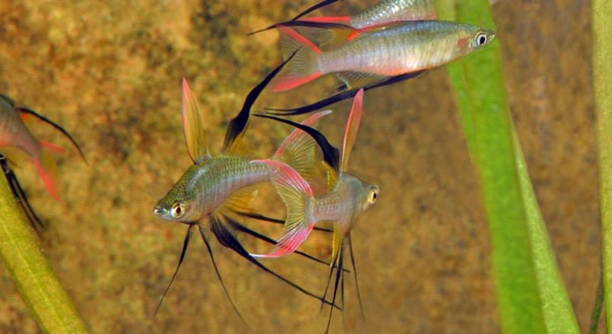
Have you ever wondered if fish can actually remember things or even recognize familiar faces around them in their aquatic world?
Threadfin rainbowfish are capable of showing signs of memory and recognition. Studies indicate they can recall training tasks, recognize specific visual cues, and even differentiate between familiar and unfamiliar individuals, suggesting cognitive abilities more advanced than previously assumed in small fish.
These findings open a fascinating perspective on fish behavior, helping us better understand how intelligence and recognition may exist even in unexpected species.
Memory in Threadfin Rainbowfish
Threadfin rainbowfish have shown the ability to retain information from training sessions, which suggests they can remember tasks for extended periods. In some studies, they successfully navigated mazes and recalled escape routes days after the initial trial. This ability demonstrates a level of cognitive skill not often associated with small freshwater fish. Their memory is not limited to simple survival instincts but also includes learned responses to environmental challenges. By recalling patterns and associating stimuli with outcomes, they display behaviors that resemble recognition and decision-making. This suggests that memory plays a crucial role in how they adapt and interact within their habitats, supporting their survival in the wild. Observing such behaviors provides insight into their intelligence, making them far more complex than they appear at first glance. Understanding this capacity allows us to see how even small fish can process and retain valuable information for practical use.
Memory in threadfin rainbowfish is closely linked to environmental learning. They adapt better when faced with changes, recalling previous experiences to solve problems effectively and efficiently.
Recognition in these fish goes beyond remembering patterns. Threadfin rainbowfish have demonstrated the ability to identify other individuals within their group. Research indicates that they can distinguish between familiar and unfamiliar fish, which is a key aspect of social interaction. This recognition is thought to help reduce conflict and create more stable group dynamics. By knowing which individuals they have previously interacted with, they can avoid unnecessary aggression and maintain stronger bonds within their schools. Recognition also helps them adjust behaviors based on who is present, showing a level of social awareness. These traits highlight the importance of recognition in maintaining healthy group structures. By combining memory with recognition, threadfin rainbowfish demonstrate behaviors that are advanced for their size, revealing how intelligent interactions can form even in small aquatic species that often go unnoticed.
Why This Matters
The ability of threadfin rainbowfish to remember and recognize highlights their intelligence in ways that are often underestimated.
Understanding their cognitive skills helps us rethink how we care for them in aquariums and value their role in natural ecosystems. It suggests that their environment should encourage stimulation, with spaces to explore and opportunities for interaction. By recognizing that these fish possess memory and recognition, we can design setups that enrich their daily experiences. Providing variation in their surroundings may prevent boredom and improve their overall health. Their intelligence also has implications for broader research into animal behavior. Studying how such small fish process information may shed light on how intelligence evolves across species. This perspective helps bridge the gap between human understanding and aquatic life, offering insights into the complexity of brains, even those far smaller than ours. Recognizing these capabilities not only deepens appreciation but also calls for more responsible and thoughtful care.
Signs of Learning in Behavior
Threadfin rainbowfish show learning through repeated exposure. They can be trained to respond to specific cues, such as light changes or food signals. These behaviors demonstrate more than instinct, revealing their ability to adapt and retain learned responses consistently.
Studies have shown that threadfin rainbowfish can improve their responses over time when trained with consistent methods. For example, they can learn to approach certain areas of a tank where food is regularly placed or avoid spaces associated with mild stress. Their improvement indicates that they remember experiences and can use this memory to adjust behaviors. This type of learning is practical, as it helps them navigate challenges and create efficient habits within their environment. It also reveals a deeper understanding of how their memory supports survival and adaptation. By observing their progress, researchers gain insight into how learning and memory interact in small but intelligent fish.
Their ability to learn is also seen in how they react to social settings. Threadfin rainbowfish can adjust their movements depending on the group’s behavior, showing awareness and recognition. They may copy successful strategies from other fish, indicating observational learning. This trait helps them thrive within schools and maintain group stability effectively.
Environmental Influence on Recognition
Environmental conditions strongly influence how threadfin rainbowfish display recognition and memory. A stimulating environment with consistent patterns of food, shelter, and group interactions supports stronger responses. Without these, their recognition skills may weaken, limiting their ability to thrive effectively in their surroundings.
When placed in enriched environments, threadfin rainbowfish show stronger memory retention and improved recognition behaviors. They benefit from complex habitats with hiding spaces, plants, and areas that promote exploration. These features encourage them to use problem-solving skills while interacting with their space. Studies suggest that when fish are given variety in their surroundings, they display better adaptability and recognition compared to those in bare environments. This shows that cognitive development depends heavily on stimulation. For aquarists, it highlights the importance of designing thoughtful environments that engage these fish mentally and socially. Providing variety doesn’t just improve survival—it enhances quality of life significantly.
Social Interactions and Recognition
Threadfin rainbowfish often rely on recognition to reduce conflict in groups. By identifying familiar individuals, they create stable schools where aggression is minimized, and cooperation increases, making their social structures smoother and more predictable over time.
Recognition also helps them choose partners for spawning. Familiarity with certain individuals allows for stronger pair bonds and more reliable breeding success. This behavior highlights the importance of memory in ensuring reproduction, group harmony, and overall balance within their communities.
Cognitive Flexibility
Threadfin rainbowfish demonstrate cognitive flexibility by adjusting their behaviors when conditions change. If a food source shifts or patterns are altered, they can adapt quickly and apply previous learning to solve new problems. This ability shows they rely on memory and recognition together to make informed decisions.
Observational Learning
These fish also show learning by watching others. Threadfin rainbowfish can copy behaviors from group members, such as where to feed or when to avoid threats. This form of learning reinforces their recognition skills while helping them save energy through effective decision-making.
FAQ
Can threadfin rainbowfish really remember things?
Yes, threadfin rainbowfish can remember certain tasks and experiences. They have been observed recalling learned behaviors such as navigating mazes or identifying areas where food is regularly available. Their memory helps them adapt to changing environments and strengthens their survival skills.
How long can they retain memories?
Research suggests that their memory can last for days or even weeks. This ability is significant for a small fish, as it allows them to recall training sessions or repeated patterns. It proves they can process and store information beyond instinctual responses.
Do they recognize other fish in their group?
Yes, threadfin rainbowfish show recognition of familiar individuals. They are able to differentiate between fish they know and those that are unfamiliar. This recognition reduces aggression, improves cooperation, and allows them to build stable relationships within their social groups.
Why is recognition important for them?
Recognition helps threadfin rainbowfish create order within their schools. By identifying specific fish, they can avoid unnecessary conflicts and focus on cooperation. This strengthens group stability and ensures that energy is not wasted on repeated aggression or unnecessary dominance displays.
Do they show learning in captivity?
Yes, in captivity they can be trained to respond to cues such as feeding times, light changes, or tapping on the tank. They gradually learn to associate signals with outcomes, which highlights how they can apply memory and recognition even in controlled environments.
How do enriched environments affect their memory?
Environments that provide hiding places, plants, and stimulation strengthen their memory and recognition. With variety and opportunities for exploration, they show better adaptability and cognitive growth. Barren tanks can limit these skills, making it important to create stimulating surroundings for them.
Do they show signs of observational learning?
Yes, threadfin rainbowfish can copy behaviors from others. For example, they may follow the lead of a fish that finds food or avoids a stressful area. This shows they not only learn from direct experience but also from watching their group members.
Can their recognition skills improve over time?
Recognition skills appear to strengthen with repeated interactions. The more they encounter familiar fish or consistent signals, the more effective their responses become. This shows that memory and recognition are flexible abilities that can grow when supported by consistent exposure.
Is this type of intelligence rare in fish?
It is less common in smaller fish, but not unheard of. Threadfin rainbowfish stand out because their memory and recognition have been documented in research, challenging the idea that small freshwater fish cannot show cognitive complexity.
Why should aquarists care about these abilities?
Understanding these skills helps aquarists design better environments. Providing enrichment and variation supports both physical and mental health. Recognizing their intelligence also helps people value them beyond aesthetics, encouraging care that supports their natural behaviors and cognitive needs.
Do these abilities help them in the wild?
Yes, memory and recognition are essential for survival in the wild. They help rainbowfish avoid predators, locate safe spaces, and remember food sources. Recognition also plays a role in forming groups that are more stable and cooperative under natural conditions.
Can they recognize humans?
Some aquarists believe threadfin rainbowfish may recognize their caretakers over time, especially when consistent feeding routines are established. While research is limited, their ability to recognize patterns suggests it is possible they respond differently to familiar versus unfamiliar humans.
Do they need special care to support these skills?
They do not require unusual care, but enriched tanks with plants, hiding spaces, and varied conditions support their mental engagement. Regular routines combined with occasional changes, such as rearranging decorations, can help keep their memory and recognition skills active.
Are they capable of problem-solving?
Yes, threadfin rainbowfish have been observed solving simple problems, such as locating hidden food or adjusting to new routes in their tanks. These behaviors show that their memory and recognition combine to help them overcome challenges effectively.
What makes their intelligence important to study?
Studying their intelligence expands our understanding of animal cognition. Threadfin rainbowfish demonstrate that even small fish can show memory, recognition, and learning abilities. This challenges assumptions and helps highlight the importance of cognitive research across a variety of species.
Final Thoughts
Threadfin rainbowfish are far more intelligent than they first appear. Their ability to remember, recognize, and even learn through observation shows that they have a depth of behavior often overlooked in small freshwater fish. These traits allow them to adapt to challenges in their environments, interact meaningfully with other fish, and even form social bonds that reduce conflict. By showing memory and recognition, they highlight the complexity of aquatic life and remind us that intelligence does not always come in a large or obvious form. Observing these abilities encourages a new appreciation for the richness of behavior in species that are often underestimated.
Understanding these traits also has practical benefits. For aquarists, knowing that threadfin rainbowfish can remember and recognize means creating environments that stimulate their minds as well as their bodies. Enriched tanks with plants, hiding spaces, and varying features provide them with opportunities to practice their skills and stay mentally engaged. Feeding routines, subtle changes in layout, and group interactions can support both their memory and recognition abilities. This awareness leads to healthier, more balanced fish that thrive in their surroundings. It also adds a more personal connection, as caretakers can see how these fish respond to consistency and interaction. Providing the right care is not simply about survival—it is about enhancing the quality of their daily lives.
Looking at the bigger picture, threadfin rainbowfish help challenge our assumptions about animal intelligence. They show that even small creatures can display complex behavior when given the right environment and opportunities. Their memory, recognition, and learning reflect an adaptability that is valuable for both their survival in the wild and their well-being in captivity. Recognizing their capabilities adds depth to the way we view aquatic species, encouraging respect for the subtle forms of intelligence found across nature. These insights also underline the importance of studying a wide range of animals, as each species can reveal unique aspects of cognition. In the end, threadfin rainbowfish are a reminder that intelligence exists in many forms and that even the smallest fish can teach us something important about learning, memory, and recognition.
Word count: 418

Hello,
If you enjoy the content that we create, please consider saying a "Thank You!" by leaving a tip.
Every little bit helps us continue crafting quality advice that supports the health, happiness, and well-being of pets around the world, for pets of all shapes, sizes, and species.
We really appreciate the kindness and support that you show us!