
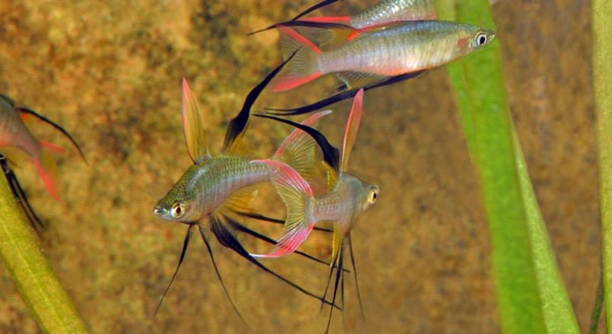
Uneven swimming in Threadfin Rainbowfish can be unsettling for both new and experienced fish keepers. These delicate freshwater fish often show signs of imbalance due to minor health issues or environmental factors affecting their daily activity.
Correcting uneven swimming requires identifying the underlying cause, which may include swim bladder issues, water quality imbalances, dietary deficiencies, or physical injuries. Addressing these factors systematically ensures the fish regain stability and maintain overall health in the aquarium environment.
By understanding these quick fixes, you can restore balance and improve the wellbeing of your Threadfin Rainbowfish effectively and efficiently.
Adjusting Water Quality
Poor water quality is a leading factor in uneven swimming for Threadfin Rainbowfish. High levels of ammonia, nitrites, or nitrates can affect their balance and overall health. Regular water testing and maintenance are essential. Ensure the pH and temperature remain stable within the recommended range, typically 6.5–7.5 for pH and 24–28°C for temperature. Sudden changes can stress the fish, leading to erratic swimming patterns. Performing partial water changes of 20–30% weekly can help maintain a healthy environment. Filtration is also critical; a good filter removes debris and toxins, keeping the water clean. Avoid overfeeding, as uneaten food can decompose, further impacting water quality. Observing the fish during water changes allows you to detect early signs of imbalance or distress. Using a water conditioner to neutralize chlorine or chloramine in tap water ensures a safe habitat. Consistency and attentiveness are key to supporting stable swimming behavior. Proper water management prevents many common swimming problems before they escalate.
Maintaining clean and stable water helps Threadfin Rainbowfish swim naturally. Small, regular adjustments prevent stress and promote healthier movement patterns.
Consistent monitoring and simple maintenance routines make a noticeable difference. Observing the fish’s behavior after water adjustments ensures the habitat supports their natural swimming. Filtration, temperature control, and partial water changes work together to create a balanced environment, reducing stress and instability. Over time, this careful management not only improves swimming but also strengthens immune function, making the fish less prone to disease. Clean water also reduces the risk of bacterial infections that could affect the swim bladder, a frequent cause of swimming problems. By keeping these routines, the fish will adapt to their environment more easily. Proper nutrition and avoidance of overcrowding complement water quality efforts. When all factors are addressed, Threadfin Rainbowfish display smoother, more coordinated movements. This approach emphasizes prevention rather than reactive treatments, allowing you to maintain a thriving aquarium ecosystem with minimal stress on the fish.
Correcting Swim Bladder Issues
Swim bladder problems can cause tilting, floating, or sinking. Identifying the issue early helps prevent long-term damage.
Swim bladder adjustments often require dietary changes and careful observation. Feeding softer or frozen foods can help restore balance.
Swim bladder problems usually arise from overeating, constipation, or infections. Providing a controlled diet with occasional fasting days can reduce pressure on the bladder. High-fiber foods like peas can assist in digestion and alleviate buoyancy issues. Ensuring the fish are not stressed by water conditions or tankmates also reduces the likelihood of recurrence. If an infection is suspected, targeted treatment may be necessary under proper guidance. Observing swimming patterns and maintaining consistent care helps the fish recover more efficiently.
Balancing Diet
A poor diet can lead to uneven swimming. Feeding high-quality, varied foods ensures proper nutrition and supports swim bladder health. Avoid overfeeding, as excess food can cause digestive issues and buoyancy problems.
Providing a balanced diet is essential. Threadfin Rainbowfish benefit from a mix of flakes, pellets, and occasional live or frozen foods. Variety ensures they receive necessary vitamins and minerals. Overfeeding not only affects digestion but also pollutes the water, creating additional stress. Feeding small portions two to three times a day helps maintain stable digestion. Foods high in fiber, like shelled peas, can prevent constipation, which is a common cause of swim bladder issues. Monitoring their eating habits allows for timely adjustments. A well-planned diet promotes steady swimming and overall health.
Consistency in feeding patterns strengthens the fish’s digestive system. Observing how they respond to different foods helps identify which support natural swimming. Avoiding sudden changes in diet prevents additional stress and reduces the likelihood of recurring balance issues.
Checking for Physical Injuries
Threadfin Rainbowfish may develop swimming problems from minor injuries. Inspect the body for fin damage, cuts, or signs of infection. Early detection prevents complications and ensures proper healing.
Physical injuries can result from sharp decorations, aggressive tankmates, or accidental bumps. Fin tears, scales loss, or visible wounds can affect swimming patterns. Isolating injured fish in a quarantine tank allows for safer recovery and prevents further harm from tankmates. Providing a stress-free environment and clean water promotes healing. Applying gentle treatments, like antibacterial solutions if necessary, prevents infections that can worsen balance problems. Observation during recovery ensures the fish gradually resumes normal swimming. Proper tank setup and careful handling minimize future injuries.
Preventing injuries is equally important. Smooth decorations, adequate space, and compatible tankmates reduce the risk. Keeping an attentive eye helps maintain their agility and overall well-being.
Reducing Stress
Stress can affect swimming patterns in Threadfin Rainbowfish. Sudden changes in lighting, temperature, or tank setup may cause imbalance. Maintaining a stable environment reduces stress and encourages natural movement.
Overcrowding and aggressive tankmates contribute to stress. Providing enough space and calm companions helps fish feel secure and swim evenly.
Improving Tank Layout
A cluttered tank can interfere with swimming. Open swimming spaces, along with carefully placed decorations, allow Threadfin Rainbowfish to navigate comfortably. Proper placement prevents accidental injuries while supporting natural behavior.
Regular Observation
Monitoring your fish daily helps detect early signs of uneven swimming. Observing patterns allows timely interventions and prevents minor issues from escalating.
FAQ
Why is my Threadfin Rainbowfish swimming unevenly?
Uneven swimming can result from several factors including swim bladder issues, poor water quality, stress, injuries, or dietary imbalances. Observing their behavior closely and checking water parameters helps pinpoint the cause. Early detection ensures the problem is addressed before it affects overall health.
How can I tell if my fish has a swim bladder problem?
Swim bladder issues often show as tilting, floating to the top, sinking, or swimming sideways. The fish may struggle to maintain balance. Changes in diet, temporary fasting, and feeding softer foods can help restore normal buoyancy gradually.
What water parameters are best for Threadfin Rainbowfish?
Maintaining a pH between 6.5–7.5, temperature between 24–28°C, and low levels of ammonia, nitrites, and nitrates is essential. Regular testing and partial water changes help create a stable environment that reduces stress and promotes healthy swimming.
Can diet really impact swimming behavior?
Yes, diet plays a crucial role. Overfeeding or feeding low-quality foods can cause constipation or swim bladder issues. A varied diet of flakes, pellets, and occasional live or frozen foods provides necessary nutrients. High-fiber foods like shelled peas aid digestion and buoyancy.
What should I do if my fish is injured?
Minor injuries from tank decorations or tankmates can affect swimming. Isolate injured fish in a quarantine tank with clean water. Monitor closely, provide a stress-free environment, and apply appropriate antibacterial treatment if needed. Most injuries heal quickly with proper care.
How can I reduce stress in my aquarium?
Stress affects swimming and overall health. Avoid sudden temperature or lighting changes, overcrowding, and aggressive tankmates. Providing enough open space, gentle water flow, and compatible companions encourages calm, stable swimming and better adaptation to the environment.
Is tank layout important for swimming?
Yes. A cluttered tank can restrict movement and lead to collisions or injuries. Open swimming spaces and carefully placed decorations support natural behavior while preventing accidents. Observing how the fish navigates the tank helps identify if layout adjustments are necessary.
How often should I observe my fish?
Daily observation is key. Watching for changes in swimming patterns, appetite, or physical appearance allows early detection of issues. Regular checks help maintain water quality, adjust diet, and prevent stress-related or physical problems from worsening over time.
When should I consult a veterinarian?
If uneven swimming persists despite water adjustments, diet changes, or stress reduction, professional guidance is necessary. Persistent tilt, swelling, or signs of infection indicate that medical attention is required to prevent serious health issues.
Can multiple factors cause uneven swimming at once?
Yes, often more than one factor is involved. Poor water quality, stress, injuries, and diet may interact, worsening swimming problems. Addressing each factor systematically ensures better recovery and helps maintain long-term health and balance in Threadfin Rainbowfish.
Are there preventive measures for uneven swimming?
Consistent water maintenance, balanced diet, careful tank setup, compatible tankmates, and regular monitoring prevent most swimming problems. Proactive care reduces the risk of stress, swim bladder issues, and injuries, keeping fish healthy and active.
How long does it take for fish to recover balance?
Recovery time depends on the cause. Minor dietary or water adjustments may show results in days, while swim bladder issues or injuries could take one to two weeks. Patience, observation, and consistent care are essential for full recovery.
Can temperature fluctuations affect swimming?
Yes. Sudden changes in temperature stress the fish, affecting buoyancy and coordination. Maintaining a stable temperature within the recommended range ensures natural movement and reduces the risk of secondary health problems.
Is quarantine necessary for new fish?
Quarantining new fish for two to three weeks helps prevent diseases that could affect swimming. Observation in isolation allows you to detect early signs of stress, infection, or injury before introducing them to the main tank.
Do medications affect swimming behavior?
Some medications can temporarily alter swimming patterns. Always follow dosage instructions carefully and monitor fish behavior. Using targeted treatments in a separate quarantine tank reduces risk to healthy fish and prevents unnecessary stress.
How can I tell if my water changes are effective?
After partial water changes, observe the fish for improved swimming and reduced signs of stress. Test water parameters regularly to ensure ammonia, nitrites, and nitrates remain low, maintaining a safe and stable environment.
Are live plants helpful for swimming stability?
Live plants provide hiding spots and reduce stress while contributing to better water quality. They create a calmer environment, allowing fish to swim freely without excessive agitation or collisions.
What signs indicate long-term swimming problems?
Persistent tilting, floating, sinking, or erratic movement even after adjusting diet, water, and stress factors suggest chronic issues. Consulting a veterinarian or an experienced aquarist ensures proper diagnosis and treatment.
Can overcrowding cause swimming issues?
Yes. Overcrowding leads to competition for space and food, stress, and injuries. Maintaining an appropriate number of fish per tank volume ensures healthy, coordinated swimming and reduces aggression-related problems.
Is monitoring for changes enough to prevent problems?
Monitoring is essential but must be paired with consistent care. Water quality, diet, tank setup, and stress management all contribute to preventing uneven swimming. Observing fish behavior allows timely adjustments to maintain long-term health.
How often should I clean the tank?
Partial water changes weekly and filter maintenance every few weeks maintain stable water conditions. Avoid complete cleaning unless necessary, as it can disrupt beneficial bacteria and increase stress, affecting swimming behavior.
Can temperature, diet, and stress interact?
Yes, these factors often interact. A stressful environment combined with poor diet or temperature fluctuations amplifies swimming issues. Addressing all environmental and health factors ensures proper recovery and stability in movement.
Are younger fish more prone to swimming problems?
Juvenile Threadfin Rainbowfish are more sensitive to water conditions, diet, and stress. Extra attention to these factors during early stages supports healthy development and prevents early onset of swimming difficulties.
Does tank size matter for swimming?
Tank size impacts movement and social interactions. Small tanks limit swimming space, increase stress, and raise the risk of collisions. Providing an adequately sized tank allows fish to swim naturally and reduces uneven swimming incidents.
What should I do if one fish is consistently affected?
Isolate the affected fish in a quarantine tank to monitor its behavior and apply targeted interventions. Addressing water quality, diet, and stress factors ensures a faster and safer recovery.
Can fin rot or infections cause uneven swimming?
Yes. Fin rot, fungal infections, or bacterial growth can affect swimming. Treating the infection promptly and maintaining clean water helps restore balance and prevents secondary health issues.
How do I prevent recurring swim bladder issues?
Feed a controlled diet, avoid overfeeding, include fiber-rich foods, and maintain stable water conditions. Regular observation and preventive care reduce the likelihood of recurring buoyancy problems.
Does lighting affect swimming behavior?
Sudden or intense lighting can stress fish, causing erratic swimming. Consistent, moderate lighting levels help Threadfin Rainbowfish maintain normal activity and stability.
Are frozen or live foods better than dry foods?
Both are beneficial if balanced. Live or frozen foods offer higher nutrients and variety, while quality flakes or pellets provide daily essentials. Alternating sources supports digestive health and buoyancy.
Can tankmates cause uneven swimming?
Aggressive or overly active tankmates can chase or harass Threadfin Rainbowfish, causing stress and erratic swimming. Choosing compatible, calm companions reduces these issues and encourages steady movement.
How long should fasting days be?
One or two days of fasting per week can help prevent digestive or swim bladder problems. Observe the fish closely to ensure they remain healthy and energetic during fasting periods.
Is monitoring behavior more important than water testing?
Both are essential. Water testing ensures safe conditions, while observing behavior detects early signs of problems. Combining both strategies maintains overall health and prevents uneven swimming.
Can uneven swimming indicate internal disease?
Yes. Persistent imbalance may signal internal issues such as infections, organ problems, or parasites. Early intervention through diet, quarantine, or medical treatment is critical for recovery.
How do I ensure long-term swimming stability?
Maintain clean water, provide a balanced diet, manage stress, monitor health daily, and ensure a safe tank layout. Consistency in these practices supports steady swimming and overall wellbeing.
Are minor swimming irregularities normal?
Occasional slight tilting or brief imbalance may occur, especially after feeding or environmental changes. Persistent or worsening patterns require attention to avoid long-term problems.
Can temperature swings during the day cause issues?
Yes, fluctuations stress the fish and disrupt buoyancy. Using a stable heater and avoiding sudden changes in light exposure helps maintain even swimming.
Should I adjust feeding if multiple fish show uneven swimming?
Yes. Overfeeding often affects multiple fish. Reducing portion sizes, spacing feeding times, and including high-fiber foods can improve digestion and balance for the entire group.
How do I know if interventions are working?
Observe swimming patterns, appetite, and general activity. Improvements in coordination, balance, and behavior indicate that water, diet, or stress adjustments are effective. Regular monitoring ensures continued success.
Can environmental enrichment affect swimming?
Yes. Providing open swimming areas, plants, and smooth decorations allows natural movement while reducing stress. Balanced enrichment supports physical and mental health.
Do all Threadfin Rainbowfish respond the same to interventions?
Individual fish may respond differently depending on age, health, and temperament. Tailoring care to each fish ensures the best recovery and prevents persistent swimming issues.
Is partial water change more effective than complete cleaning?
Partial water changes maintain beneficial bacteria while removing toxins. Complete cleaning can stress fish and disrupt biological balance, potentially worsening swimming problems.
Can seasonal changes affect swimming?
Yes, temperature and lighting changes with seasons can stress fish. Maintaining consistent water parameters and lighting schedules helps preserve stable swimming behavior.
How important is quarantine for sick fish?
Quarantine prevents disease spread, allows targeted treatment, and reduces stress. Isolating sick fish ensures safer recovery and protects the main tank population.
Are there signs of recovery I should watch for?
Improved balance, coordinated swimming, and consistent appetite are positive signs. Gradual return to normal behavior indicates interventions are working effectively.
Can older fish recover as easily as younger ones?
Recovery may be slower in older fish due to reduced resilience. Consistent care, diet, and stress management still improve swimming but may require longer observation and patience.
Should I adjust water flow if fish swim unevenly?
Yes. Strong currents can challenge swimming. Moderate, stable water flow reduces stress and allows better coordination, especially for weaker or recovering fish.
Can uneaten food cause long-term problems?
Yes. Decomposing food affects water quality, increasing ammonia and nitrites. Regular removal prevents stress, digestive issues, and uneven swimming.
How do I maintain a healthy swim bladder long-term?
Balanced diet, controlled feeding, stable water, and regular observation prevent problems. Combined with injury prevention and stress management, this approach ensures long-term swimming stability.
Is daily observation enough to catch all issues?
Daily checks catch most problems early. Complementing observation with water testing, proper feeding, and tank maintenance ensures comprehensive care and reduces the risk of recurring swimming issues.
Can uneven swimming indicate parasites?
Yes. Internal parasites can affect digestion and buoyancy. Symptoms include tilting, erratic swimming, or loss of appetite. Prompt treatment in quarantine is necessary for recovery.
Does stress from handling affect swimming?
Frequent or rough handling causes temporary imbalance. Minimizing handling and creating a calm tank environment supports natural movement and faster recovery.
Are high-fiber foods always necessary?
Not always, but including them occasionally helps prevent constipation and swim bladder issues. Peas and other fiber-rich options support digestive health.
Can multiple interventions be applied at once?
Yes, combining diet adjustments, water maintenance, stress reduction, and injury care often produces faster recovery. Observing the fish ensures each intervention is effective without causing additional stress.
How do I prevent recurring injuries?
Smooth decorations, careful tank setup, and compatible tankmates minimize accidents. Regular observation helps detect early signs of fin damage or trauma.
Does water hardness affect swimming?
Moderate hardness within recommended levels supports health. Extreme hardness or sudden changes can stress fish, potentially affecting buoyancy and movement.
Are floating plants helpful?
Yes. Floating plants provide shaded areas, reduce light intensity, and offer refuge, reducing stress and supporting natural swimming patterns.
How long should I monitor after recovery?
Continue observation for several weeks to ensure stability. Gradual improvement indicates recovery, but ongoing monitoring prevents relapse.
Can dietary supplements help?
Occasionally, vitamin-enriched foods can support recovery. Use supplements carefully and avoid overuse, which may create imbalance or digestive stress.
Is slow introduction to new tankmates important?
Yes. Gradual introduction reduces aggression and stress, preventing erratic swimming and injuries. Observing interactions ensures compatibility.
Can sudden loud noises affect swimming?
Yes. Vibrations or loud noises startle fish, causing erratic movement. A calm environment supports stable behavior.
Do all interventions require quarantine?
Not all, but isolating affected fish often ensures safer, more controlled treatment. Quarantine reduces stress on healthy tankmates.
Can swimming problems affect other health aspects?
Yes. Persistent imbalance may reduce feeding efficiency, energy levels, and immunity. Addressing issues promptly ensures overall well-being.
Is tracking swimming behavior over time useful?
Yes. Documenting patterns helps identify causes, evaluate interventions, and prevent future problems. It provides a clear picture of fish health.
Can water conditioners impact swimming?
Proper water conditioners neutralize harmful chemicals, supporting balance. Incorrect use may stress fish. Always follow manufacturer instructions.
Are temperature and pH more important than diet?
All factors interact. Stable temperature, pH, and proper diet are equally critical for maintaining healthy swimming. Neglecting any aspect can lead to issues.
Can sudden changes in light schedule affect balance?
Yes. Abrupt light changes stress fish. Gradual adjustments and consistent schedules help preserve normal swimming patterns.
Should I separate multiple affected fish together?
Yes, only if they are recovering from similar issues. Monitor closely to ensure competition or stress doesn’t worsen swimming problems.
Does aging affect swim bladder recovery?
Older fish may recover more slowly. Consistent care and monitoring remain effective, but patience is necessary for full recovery.
Are frozen foods better during recovery?
Frozen foods are softer and easier to digest, reducing pressure on the swim bladder. They are useful during recovery from buoyancy issues.
How can I prevent recurring stress-induced swimming problems?
Maintain stable water, avoid sudden environmental changes, provide compatible tankmates, and ensure regular feeding and observation. Consistency is key.
Can algae growth affect swimming?
Excessive algae may reduce oxygen or clog filters, impacting water quality and movement. Controlling algae supports a healthy environment.
Should I use medications proactively?
No. Only treat confirmed issues. Unnecessary medications can stress fish and create imbalance in the tank ecosystem.
Are there signs my interventions are too strong?
Overly rapid diet changes, harsh chemicals, or extreme quarantine measures can stress fish. Observe behavior and adjust gradually.
Does tank position affect stress?
Placing the tank in a quiet, stable area reduces external disturbances, minimizing stress and promoting even swimming.
Can seasonal diet adjustments help?
Minor adjustments may support digestion and energy, but consistency remains more important than seasonal changes. Avoid abrupt changes.
Are there any long-term signs of improvement to watch for?
Steady swimming, normal feeding, and coordinated movement indicate recovery. Continued observation ensures ongoing stability and health.
How do I prevent issues if I add new fish?
Quarantine, monitor behavior, and ensure gradual introduction. Maintaining stable water, diet, and tank conditions prevents stress-related swimming problems.
Is partial fasting always necessary for swim bladder issues?
Short fasting periods can relieve pressure and improve digestion. It is not always required but can be effective for affected fish.
How long before I see improvement in diet-related issues?
Improvements often appear within a few days to a week. Consistency in feeding and portion control ensures steady recovery.
Can I combine dietary and water adjustments simultaneously?
Yes, combining interventions often accelerates recovery. Monitor fish closely to ensure they respond positively without additional stress.
Do I need special equipment to monitor swimming?
No special equipment is required. Observing behavior, appetite, and general activity is usually sufficient to detect early issues.
Are minor water fluctuations dangerous?
Small, gradual changes are manageable, but sudden swings in temperature or chemistry can stress fish and affect swimming.
Can physical therapy-like exercises help?
Encouraging swimming in open spaces supports muscle strength and coordination. Avoid forcing movement; gentle observation is enough.
Do all species of Rainbowfish respond the same?
Responses vary. Threadfin Rainbowfish may differ from other species in sensitivity to water, diet, and stress. Tailor interventions accordingly.
Is observation more effective than preventive measures?
Observation identifies problems early, but preventive care—diet, water, stress management—is essential for long-term stability. Both are equally important.
How do I know if swimming is fully restored?
Normal posture, consistent speed, and coordinated movements indicate full recovery. Any persistent tilt or erratic motion requires continued monitoring.
Are there signs of recurring digestive issues?
Constipation, bloating, or repeated buoyancy problems suggest digestive concerns. Adjust diet and feeding schedule to prevent recurrence.
Can tankmates interfere with recovery?
Yes. Aggressive or dominant fish can stress recovering Threadfin Rainbowfish. Isolation or gentle companions supports safer healing.
Should I track water parameters continuously?
Frequent testing ensures stable conditions. While daily continuous tracking is unnecessary, regular checks help prevent sudden imbalances affecting swimming.
Do environmental cues affect swimming coordination?
Yes. Proper lighting, current, and tank setup guide natural movement. Disruptions can temporarily affect balance.
Can uneven swimming affect growth?
Prolonged buoyancy or stress issues may reduce feeding efficiency, slowing growth. Early intervention prevents long-term impacts.
Are all interventions reversible if they fail?
Most adjustments, like diet or water changes, are reversible. Gradual implementation allows correction without causing additional stress.
Is patience critical in recovery?
Yes. Threadfin Rainbowfish often recover slowly. Consistent care, observation, and minor adjustments ensure steady improvement over time.
Can multiple minor issues add up to severe swimming problems?
Yes. Small dietary, environmental, or stress factors combined can amplify swimming irregularities. Addressing all factors prevents escalation.
Do lighting changes impact recovery speed?
Stable, consistent lighting supports calm behavior and aids recovery. Sudden changes may slow improvement or induce stress
Final Thoughts
Ensuring the healthy swimming of Threadfin Rainbowfish requires consistent care and attention. Minor issues like uneven swimming often stem from easily manageable causes such as diet, water quality, or tank layout. Addressing these factors early can prevent more serious problems from developing. Observing the fish daily provides valuable insight into their behavior, allowing you to detect small changes before they escalate. Simple steps, such as performing regular water changes, maintaining stable temperature and pH levels, and providing a balanced diet, contribute significantly to maintaining stable swimming patterns. Consistency in care is key; sudden changes in the tank environment or feeding routines can create stress, which directly impacts buoyancy and coordination.
A balanced diet is essential for supporting swim bladder health and overall wellbeing. Feeding a variety of foods, including flakes, pellets, and occasional live or frozen options, ensures the fish receive necessary nutrients. Overfeeding or providing low-quality foods can lead to digestive issues that affect swimming behavior. Incorporating fiber-rich foods like peas can help prevent constipation and reduce swim bladder problems. Monitoring how each fish responds to dietary adjustments allows you to fine-tune feeding routines. In combination with proper water conditions, a carefully managed diet can prevent most common swimming irregularities. Small interventions, when applied consistently, produce significant long-term improvements in movement and overall health.
Environmental factors also play a crucial role in swimming stability. Tank layout, space, and companions all influence behavior. Providing open swimming areas and minimizing aggressive interactions creates a calmer environment, allowing fish to swim naturally. Injuries or stress from overcrowding, sharp decorations, or incompatible tankmates can disrupt balance, so preventive measures are important. Regular monitoring, clean water, and careful attention to tank conditions reduce risks of physical or behavioral problems. Recovery from minor issues often takes time, requiring patience and consistent effort. By maintaining these practices, you can support Threadfin Rainbowfish in swimming smoothly, improving both their quality of life and the overall harmony of the aquarium. Consistency, observation, and preventive care form the foundation for long-term success in keeping healthy, balanced fish.

Hello,
If you enjoy the content that we create, please consider saying a "Thank You!" by leaving a tip.
Every little bit helps us continue crafting quality advice that supports the health, happiness, and well-being of pets around the world, for pets of all shapes, sizes, and species.
We really appreciate the kindness and support that you show us!