
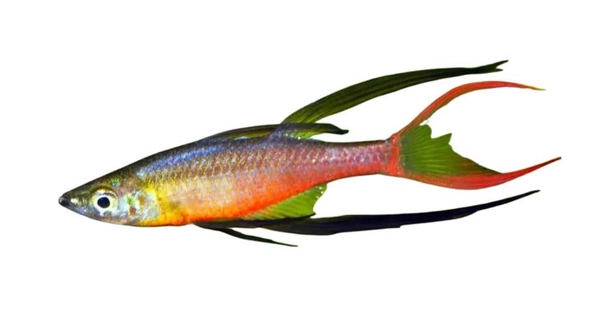
Do your aquariums sometimes feel a bit quiet, even with colorful fish swimming about? Threadfin Rainbowfish are lively and engaging, but observing their reactions to other species can reveal surprising behaviors in your tank environment.
Threadfin Rainbowfish do show interest in watching other species, often responding with curiosity and increased activity. This behavior is generally observed when they perceive unfamiliar fish, indicating social awareness and environmental engagement rather than territorial aggression.
Understanding these interactions can improve tank harmony and fish well-being, making your aquarium a more vibrant and balanced habitat for all species.
How Threadfin Rainbowfish Observe Other Species
Threadfin Rainbowfish are naturally curious and attentive swimmers. In mixed-species tanks, they often watch other fish carefully, following movements and observing interactions. Their attention is not aggressive but more investigative. This behavior helps them understand their surroundings and the habits of other fish. Watching other species allows them to respond quickly to sudden movements or changes in the environment. They often swim closer to observe without disturbing the other fish. Sometimes, they mirror the actions of nearby fish, such as darting or gliding together. This observational habit can also indicate comfort levels within the tank. When new fish are introduced, Threadfin Rainbowfish may spend more time watching them before fully interacting. Over time, these fish develop a rhythm of social observation and selective engagement. Observing them can be fascinating, as their responses vary with each species present. The behavior highlights both intelligence and adaptability in these small, colorful fish.
Their careful observation is a sign of intelligence and social awareness rather than aggression.
Understanding these behaviors helps improve tank management. By noticing how Threadfin Rainbowfish watch other species, aquarists can predict interactions, reduce stress, and create environments where all fish coexist peacefully. Adjusting tank layout, hiding spots, and feeding routines based on their observations ensures a balanced ecosystem. These fish often signal discomfort or curiosity, giving clear cues to owners about the overall tank atmosphere. Proper monitoring can prevent accidents, such as chasing or territorial disputes. Watching their patterns provides insight into their daily routines and preferences. With attentive care, aquarists can encourage natural behaviors while maintaining harmony. The observation habits also allow aquarists to select compatible species for mixed tanks. Threadfin Rainbowfish thrive when they feel secure and stimulated, so understanding their observational tendencies is essential for their mental and physical well-being.
Benefits of Mixed-Species Observation
Watching other species can reduce stress for Threadfin Rainbowfish, as it allows them to gauge their surroundings without immediate confrontation.
Mixed-species observation provides mental stimulation and enhances social behavior. Threadfin Rainbowfish gain awareness of potential threats and allies by monitoring other fish. In aquariums, this reduces sudden panic and encourages calmer swimming patterns. They learn from the movements and feeding habits of neighbors, improving their adaptability. Social observation also strengthens schooling behavior within their own species. When introduced to new species, they assess compatibility before full interaction, minimizing conflicts. Watching others helps them feel secure and less isolated, particularly in larger tanks. The presence of active, non-aggressive fish can keep them engaged without causing stress, enriching the overall environment. Over time, these habits contribute to better physical health, as they are more likely to exercise, forage, and explore naturally. Aquarists can benefit from observing these interactions, adjusting tank setups to suit social and environmental needs. Understanding these dynamics ensures a thriving, harmonious aquarium where Threadfin Rainbowfish and other species coexist successfully.
Signs Threadfin Rainbowfish Are Observing Other Species
Threadfin Rainbowfish often pause and hover near other fish, following their movements closely. Their fins may flare slightly, and they may swim parallel to observe without approaching directly. These subtle behaviors indicate active observation rather than aggression.
Observation helps Threadfin Rainbowfish assess safety and social hierarchy within the tank. They often watch for sudden movements, feeding patterns, or interactions between other species. By monitoring others, they can learn which areas are safe to explore and when to avoid certain zones. This behavior also reduces stress when new fish are added, as they take time to understand the environment before engaging fully. In aquariums with multiple species, their vigilance ensures they adapt quickly to changes while maintaining calm swimming habits.
These fish sometimes mirror movements of others, following swimming paths or matching speed. This mimicry helps them integrate socially and maintain coordination in schooling behavior. Observation also promotes mental stimulation, keeping them active and alert. Aquarists often notice their increased interest during feeding times or when a new species enters the tank. Monitoring these behaviors provides insights into individual temperament and compatibility with other fish, allowing for better management of mixed-species aquariums.
Factors Influencing Observation Behavior
Tank size, population density, and species diversity all affect how Threadfin Rainbowfish observe others. Larger tanks give them more space to monitor without confrontation, while crowded environments can increase stress.
The presence of other active, non-aggressive species encourages more observational behavior. Threadfin Rainbowfish are more likely to engage with fish that swim at similar levels or display calm, predictable movements. Environmental enrichment, such as plants, rocks, and hiding spaces, allows them to observe safely. Light levels and water clarity also influence visibility and attention span. In addition, feeding schedules impact observation; fish are more attentive when anticipating food or seeing others feed. Seasonal changes, growth stages, and prior experiences shape how often and intensely they monitor neighbors. By understanding these factors, aquarists can tailor tank conditions to support healthy, stress-free observation behaviors and enhance overall tank harmony.
How Observation Affects Social Behavior
Threadfin Rainbowfish become more confident by watching other species. Observation allows them to gauge safety and learn appropriate swimming patterns without direct interaction.
Watching others also helps them establish social boundaries. They often adjust distance and movement based on what they see, promoting peaceful coexistence.
Interaction with Other Fish
Observation often leads to indirect interaction. Threadfin Rainbowfish may follow movements, swim alongside, or mirror actions of non-aggressive fish. These behaviors support natural schooling instincts and reduce tension within the tank. Learning from others’ behavior helps them respond to new situations calmly, maintaining stability in mixed-species environments.
Environmental Factors
Lighting, tank size, and decorations influence observation. Clear water and open spaces make it easier for Threadfin Rainbowfish to watch other species without stress.
FAQ
Do Threadfin Rainbowfish prefer certain species to watch?
Threadfin Rainbowfish often show interest in species that swim at similar levels in the tank. They tend to follow calm, active fish that do not display aggressive behavior. Fish with bright colors or flowing fins can attract their attention, but peaceful behavior is more important than appearance. Observing compatible species helps them feel secure while exploring the tank. Over time, they develop preferences for certain neighbors based on temperament rather than size or color, allowing them to engage in safe observation without confrontation.
How long do they spend watching other fish?
The time Threadfin Rainbowfish spend observing others varies by environment and tank composition. In smaller or crowded tanks, observation is usually brief because space is limited, and they may feel stressed. In larger tanks with plenty of hiding spots and open swimming areas, they may watch neighbors for longer periods, sometimes several minutes at a stretch. Observation often increases when new species are introduced or when feeding occurs. Over time, they balance watching with swimming and interacting within their own species, maintaining a natural rhythm of curiosity and engagement.
Is observing other fish a sign of stress?
Observation is not necessarily a sign of stress. In fact, it often indicates healthy curiosity and environmental awareness. Threadfin Rainbowfish watch others to assess potential threats, learn social cues, and understand safe areas in the tank. However, prolonged staring combined with hiding or frantic swimming can suggest discomfort or stress. Monitoring their behavior alongside other cues, such as appetite and swimming patterns, helps determine whether observation is normal or a response to stressors in the environment.
Can observation improve their social behavior?
Yes, observing other fish can enhance social behavior. By watching the actions of neighbors, Threadfin Rainbowfish learn about social hierarchy, territory boundaries, and swimming coordination. This learning helps them integrate smoothly into mixed-species tanks. Observation also encourages them to mirror positive behaviors, such as schooling or approaching feeding areas calmly. Over time, this enhances their confidence and reduces conflict, creating a more balanced and peaceful tank environment.
Do they react differently to familiar versus new species?
Threadfin Rainbowfish often spend more time watching new species compared to familiar tank mates. New arrivals trigger curiosity as the fish assess potential threats or allies. Once they recognize the new species as non-aggressive, their attention decreases, and normal swimming patterns resume. Familiar species are observed less intensively because the Rainbowfish already understand their behavior, reducing the need for constant monitoring.
Does tank setup affect observation habits?
Yes, tank setup significantly impacts how Threadfin Rainbowfish observe other species. Open swimming areas allow clear visibility, making observation easier. Decorations like plants and rocks offer safe spots to watch without being approached. Lighting and water clarity also influence visibility; dim or murky conditions can reduce observation, while bright, clear water encourages active monitoring. Proper setup ensures the fish can safely observe neighbors while maintaining comfort and reducing stress.
How can I encourage healthy observation?
To encourage healthy observation, provide a well-structured tank with open areas, hiding spots, and compatible species. Avoid overcrowding and aggressive fish. Introduce new species gradually to allow time for assessment. Regular feeding routines and environmental enrichment, such as floating plants or gentle currents, stimulate natural curiosity. Monitoring behavior and adjusting the setup when needed helps Threadfin Rainbowfish observe safely while promoting mental stimulation and social engagement.
Are there signs that observation is excessive?
Excessive observation may appear as constant following, circling, or unbroken staring at other fish. It can indicate stress, fear, or lack of environmental enrichment. If observation is paired with hiding, loss of appetite, or erratic swimming, adjustments to tank conditions are necessary. Providing more space, reducing aggressive neighbors, or adding enrichment can help normalize behavior.
Do Threadfin Rainbowfish ever interact directly after watching others?
Yes, observation often precedes interaction. Once they are confident about another fish’s behavior, they may swim alongside, mirror movements, or gently approach. This gradual interaction reduces conflict and helps maintain harmony in mixed-species tanks. Observation acts as a learning phase that informs safe and calm engagement with neighbors.
Can observing other species affect their health?
Healthy observation promotes mental stimulation and reduces stress, supporting overall well-being. Fish that engage with neighbors without aggression are more likely to maintain regular swimming, feeding, and social patterns. Stress from overcrowding or aggressive neighbors, however, can negatively affect health. Careful observation of both their watching behavior and general condition helps ensure long-term wellness in the tank.
Word count: 528
Final Thoughts
Threadfin Rainbowfish are fascinating creatures with a natural curiosity that makes them stand out in mixed-species tanks. Their habit of observing other fish is an important part of their behavior, allowing them to understand their environment and adjust accordingly. This observation is usually calm and measured, showing intelligence rather than aggression. They often follow movements, mirror swimming patterns, or hover near other species to gauge reactions. These behaviors are not random; they help the fish assess potential threats, find safe swimming areas, and determine how to interact with neighbors. Over time, these observation habits contribute to a well-adjusted, confident fish that feels secure in its tank. Aquarists can learn a lot about their Threadfin Rainbowfish by simply watching how they interact with other species, noticing both the subtle and obvious cues that reveal comfort, curiosity, and social understanding.
Tank setup plays a major role in how effectively Threadfin Rainbowfish can observe others. Open swimming spaces, clear water, and moderate lighting allow them to watch their neighbors without feeling threatened. Plants, rocks, and other decorations give them safe spots to retreat if needed while continuing to observe. Compatibility with tank mates is another factor to consider. Peaceful, similarly sized species encourage natural observation behaviors, while aggressive or overly active fish can cause stress and disrupt these interactions. Regular monitoring of behavior helps ensure that observation remains healthy and does not turn into stress-driven hyper-vigilance. Feeding routines also affect observation, as fish tend to pay closer attention to movements when food is involved. By providing a supportive and balanced environment, aquarists can help Threadfin Rainbowfish develop their natural observation skills, which supports both mental stimulation and social development.
Understanding observation behavior is also useful for predicting interactions and maintaining harmony within a tank. Threadfin Rainbowfish often use observation to learn about social hierarchies and safe distances, reducing the likelihood of conflict. Their curiosity helps them adapt when new species are introduced, minimizing stress for both existing and new tank mates. Observation also promotes physical activity, as following or mirroring others encourages movement and exploration. These behaviors are a sign of a healthy, well-adjusted fish, reflecting their ability to respond appropriately to environmental changes. By paying attention to these patterns, aquarists can make informed decisions about tank setup, species selection, and enrichment. Supporting this natural behavior not only improves the well-being of Threadfin Rainbowfish but also enhances the overall harmony of a mixed-species aquarium, creating a more engaging and dynamic aquatic environment for all the inhabitants.
Word count: 414

Hello,
If you enjoy the content that we create, please consider saying a "Thank You!" by leaving a tip.
Every little bit helps us continue crafting quality advice that supports the health, happiness, and well-being of pets around the world, for pets of all shapes, sizes, and species.
We really appreciate the kindness and support that you show us!