
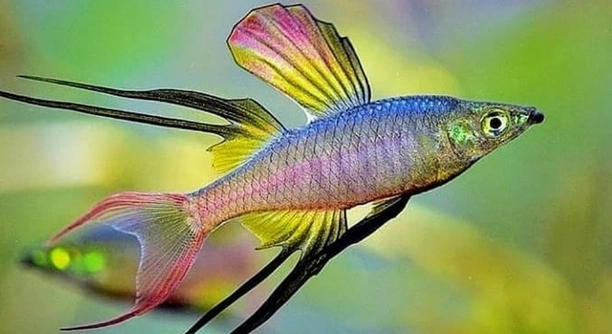
Threadfin fry are delicate creatures that require careful attention in their early stages of life. Many hobbyists find that despite best efforts, these tiny fish often fail to thrive in home aquariums. Observing their behavior and environment can reveal key challenges.
The survival of threadfin fry is commonly compromised by factors such as poor water quality, insufficient nutrition, overstocking, inadequate filtration, temperature fluctuations, improper lighting, and exposure to pathogens. Each of these elements can significantly reduce fry viability and growth rates.
Understanding these challenges can help aquarists improve care and increase survival rates. Proper knowledge and adjustments are essential for nurturing healthy threadfin fry.
Poor Water Quality
Threadfin fry are extremely sensitive to their environment. Even small changes in water parameters can cause stress and mortality. Ammonia and nitrite levels should always be monitored closely, as these compounds are toxic even in low concentrations. Nitrates, while less immediately harmful, can accumulate over time and weaken the fry. Regular water changes are essential to maintain a healthy balance. Using a high-quality water test kit helps ensure levels remain safe. Additionally, the pH should be stable, as sudden swings can shock young fish. Filtration systems should be gentle enough not to harm the fry but strong enough to maintain cleanliness. Overfeeding can lead to decaying food, further reducing water quality. Keeping a close eye on tank conditions and adjusting as needed is critical for improving survival rates and fostering healthy development in threadfin fry.
Maintaining clean, stable water is vital for fry survival and growth. It reduces stress and prevents disease outbreaks effectively.
Consistent monitoring, careful feeding, and gradual adjustments are key. Avoid drastic changes and ensure the tank remains clean and well-aerated. Even minor improvements can significantly boost survival rates. Proper attention to water quality provides a strong foundation for healthy fry.
Insufficient Nutrition
Threadfin fry need frequent, small meals to thrive. They require high-protein food that is easy to digest. Live foods, such as infusoria or newly hatched brine shrimp, are excellent sources of nutrients for young fry. Powdered or finely crushed dry foods can supplement their diet but should never replace live foods entirely. Overfeeding should be avoided, as leftover food can pollute the water and create harmful conditions. Feeding schedules should be consistent to help fry develop properly. Observing feeding behavior can indicate whether fry are receiving enough nutrition or struggling to eat. Balanced nutrition supports immune health, growth, and overall resilience against stressors in their environment. Adjusting the type and size of food as the fry grow is also important to match their developing mouths and digestive systems. Proper care in feeding ensures threadfin fry reach their potential size and health.
Providing high-protein, easy-to-digest food is essential for early growth and survival of threadfin fry.
A carefully planned feeding routine strengthens fry immunity and supports steady development. Live foods, powdered supplements, and observation of eating behavior all play a role. Ensuring balanced nutrition helps reduce vulnerability to stress and disease, ultimately increasing survival rates. Choosing the right food and monitoring intake ensures threadfin fry remain healthy and continue growing efficiently.
Overcrowding
Overcrowding in a fry tank increases stress and reduces oxygen availability. Threadfin fry need space to swim and grow, and too many in one tank can lead to slower growth and higher mortality. Spacing fry appropriately helps maintain water quality and reduces aggressive behavior.
When too many fry are kept together, competition for food becomes intense. Some fry may fail to get enough nutrition, leading to stunted growth or death. Overcrowding also increases waste production, which can quickly deteriorate water quality and create toxic conditions. Fry may become more prone to disease when stressed, and mortality rates can rise sharply. Separating fry into smaller groups ensures each fish receives proper nutrition and adequate oxygen. Careful monitoring of fry density helps maintain a healthier environment, promoting better growth and survival.
Providing sufficient space for swimming and feeding is essential. Overcrowded tanks can stunt growth and lead to preventable losses. Proper planning and separation reduce stress and improve survival rates among threadfin fry.
Temperature Fluctuations
Threadfin fry are highly sensitive to sudden temperature changes. Consistent temperature helps regulate metabolism and supports normal development. Fluctuations can cause shock or weaken immune responses, increasing vulnerability to disease and mortality. Maintaining stable warmth is critical for their survival.
Temperature swings affect digestion, growth, and stress levels in fry. Even minor drops or spikes can slow metabolism or trigger shock, leaving fry unable to feed or fight off pathogens. Using a reliable heater and thermometer ensures water remains within an optimal range. Gradual adjustments are better than sudden changes to avoid unnecessary stress. Consistent temperatures also reduce the risk of fungal or bacterial infections that thrive when fry are weakened. Observing behavior can indicate if fry are uncomfortable, allowing timely intervention. A controlled environment supports stronger growth and reduces early-stage losses.
Monitoring and controlling temperature creates a stable environment for fry. Stability prevents stress, supports healthy growth, and lowers the chance of disease. Careful attention ensures that threadfin fry remain active and resilient throughout their development stages.
Inadequate Filtration
Proper filtration is essential for threadfin fry survival. Gentle filtration removes waste and toxins without creating strong currents that could harm delicate fry. A balance between cleanliness and safety ensures a stable environment.
Filters that are too strong can injure fry or trap them. Sponge filters are ideal because they provide aeration while protecting tiny fish. Regular maintenance prevents clogging and ensures consistent water flow. Clean water supports growth and reduces disease risk, making proper filtration a key factor in fry care.
Improper Lighting
Excessive or insufficient lighting can stress threadfin fry. Lighting should mimic natural conditions, supporting healthy behavior without causing overheating or excessive algae growth.
Exposure to Pathogens
Fry are vulnerable to bacterial and fungal infections. Introducing new fish or contaminated equipment can spread disease quickly. Quarantine and careful monitoring help protect young fish and maintain a healthy tank environment.
FAQ
Why do my threadfin fry keep dying despite clean water?
Even with clean water, fry can die due to stress, improper nutrition, or overcrowding. Water quality alone isn’t enough; stable temperature, gentle filtration, and proper feeding are all critical. Monitoring fry closely and adjusting environmental factors can improve survival rates.
How often should I feed threadfin fry?
Threadfin fry need small, frequent feedings throughout the day. Young fry benefit from live foods like infusoria or newly hatched brine shrimp. Supplementing with finely powdered food is okay, but live food is essential for proper growth. Avoid overfeeding to prevent water pollution.
What type of filtration is safest for fry?
Sponge filters are the best choice for threadfin fry. They provide gentle water flow, aeration, and effective waste removal without sucking up small fry. Regular maintenance ensures the filter works properly and keeps the water clean. Avoid strong power filters that may harm fry.
How do I maintain stable temperature for fry?
Use a reliable heater and thermometer to keep water within the optimal temperature range. Sudden drops or spikes can stress or shock fry, slowing growth or causing death. Gradually adjust temperature if needed and observe fry behavior for signs of discomfort.
Can overstocking really kill fry?
Yes. Too many fry in a single tank leads to competition for food, reduced oxygen, and increased waste accumulation. This stress makes fry more vulnerable to disease and slows growth. Separating fry into smaller groups is important for survival and proper development.
Why do my fry look weak or stunted?
Weak or stunted fry are often undernourished or stressed. Improper diet, insufficient feeding, poor water quality, or overcrowding can cause slow growth. Adjusting feeding schedules, improving water conditions, and ensuring enough space can help fry recover and develop normally.
How can I prevent disease in fry?
Quarantine new fish and equipment before introducing them to the fry tank. Keep water clean, provide a balanced diet, and avoid sudden changes in temperature or water parameters. Early detection of illness is key; remove sick fry promptly to prevent spread.
Is lighting really that important for fry?
Yes. Consistent lighting supports normal behavior and helps regulate metabolism. Too much light can cause stress or excessive algae growth, while too little can hinder development. Mimicking natural day-night cycles is best for healthy growth.
When should I start changing water?
Small, frequent water changes are recommended. Daily or every-other-day partial changes help remove waste without shocking fry. Always ensure replacement water matches temperature and pH to maintain stability. This prevents toxic buildup and supports fry health.
Can live plants help fry survive?
Live plants provide hiding spots, improve water quality, and help maintain oxygen levels. They create a more natural environment, reducing stress and offering protection from stronger fry or mild currents. Regular maintenance ensures plants remain healthy and don’t decay, which could harm water quality.
What signs show fry are stressed?
Stressed fry may swim erratically, stay near the surface or bottom, lose appetite, or appear lethargic. Observing these behaviors early allows for intervention, such as adjusting water quality, feeding, or tank density, which can prevent fatalities.
How long does it take for fry to grow strong enough for a larger tank?
Growth depends on proper care, feeding, and water quality. Generally, fry reach a size suitable for transfer in several weeks to a few months. Healthy, well-fed fry with minimal stress will grow faster and survive the transition more easily.
Are there any signs of nutritional deficiency?
Fry with pale coloration, slow growth, or thin bodies may be undernourished. Ensuring a diet rich in protein, vitamins, and minerals, primarily through live foods and appropriate supplements, corrects deficiencies and promotes healthy development.
Can I mix different age groups of fry?
It’s not recommended. Older fry may outcompete younger ones for food, causing stress and slower growth for the smaller fish. Keeping similar-sized fry together ensures fair access to nutrition and reduces aggression.
How often should I monitor water parameters?
Daily monitoring is ideal during the early stages of fry development. Ammonia, nitrite, nitrate, and pH levels should be checked regularly. Quick intervention prevents stress, disease, and mortality, giving fry the best chance to thrive.
What’s the most common mistake beginners make with threadfin fry?
The biggest mistake is underestimating their sensitivity. Many beginners focus only on feeding or cleanliness, overlooking temperature stability, space, or gentle filtration. Each factor plays a critical role, and neglecting any one can result in high fry mortality.
How do I know when fry are ready to eat different foods?
As fry grow, they can handle larger, more solid foods. Start introducing finely crushed pellets or flakes gradually once they can consume live food efficiently. Observing feeding behavior ensures they are ready for the new diet.
Can stress cause death even with good care?
Yes. Stress from overcrowding, sudden water changes, or constant handling can weaken fry. Even with clean water and proper feeding, chronic stress increases susceptibility to disease and slows growth, potentially leading to preventable deaths.
Is it normal for some fry to die despite everything?
Unfortunately, some loss is normal. Threadfin fry are delicate, and even optimal care may not prevent all fatalities. Observing trends rather than isolated deaths helps identify avoidable issues and improve overall survival.
How do I safely acclimate fry to a new tank?
Introduce fry slowly to new tanks by gradually mixing tank water with their original water. This prevents sudden changes in temperature or chemistry, reducing stress and increasing the likelihood they adapt successfully.
Can temperature changes affect immunity?
Yes. Sudden or extreme temperature changes weaken immune systems, making fry more susceptible to infections. Maintaining stable conditions ensures strong defenses and supports healthy growth.
Do decorations or hiding spaces matter?
Hiding spaces reduce stress by giving fry places to retreat. Plants, rocks, or sponge structures offer security, which encourages natural behavior, improves feeding efficiency, and lowers mortality.
How do I know if my filtration is working properly?
Check for gentle water flow and consistent aeration. Water should remain clear, with no excessive debris accumulation. Regular maintenance and visual observation ensure the filter functions correctly without harming fry.
Should I adjust feeding based on growth rate?
Yes. Faster-growing fry may require slightly larger portions or more frequent feedings. Slower growth can indicate underfeeding, stress, or water quality issues. Adjustments help maintain healthy development.
Can lighting cycles affect feeding habits?
Yes. Consistent day-night cycles encourage regular feeding behavior. Irregular lighting can confuse fry, reduce appetite, or increase stress. Mimicking natural light patterns supports growth and activity levels.
Is quarantine necessary for new fry or fish?
Absolutely. Quarantining new additions prevents the introduction of pathogens. A separate tank for observation and treatment reduces the risk of disease spreading to vulnerable fry.
How long do threadfin fry remain delicate?
Fry are most vulnerable in the first few weeks of life. After reaching several centimeters in length, they become more resilient, though maintaining proper care remains important for ongoing health and growth.
What’s the best way to reduce mortality overall?
Stable water conditions, proper nutrition, gentle filtration, adequate space, and regular monitoring significantly reduce mortality. Observing fry closely and intervening quickly when issues arise ensures stronger, healthier fish.
Can overfeeding cause death even with good water quality?
Yes. Excess food decomposes quickly, producing ammonia and reducing oxygen levels. Even in clean water, overfeeding creates toxic conditions that can kill fry if not managed promptly.
Are there specific signs of disease to watch for?
Look for faded colors, clamped fins, lethargy, or abnormal swimming. Early detection allows for isolation and treatment, preventing outbreaks and protecting the rest of the fry population.
Can temperature and feeding interact to affect survival?
Absolutely. Poor temperature control slows metabolism, reducing appetite and digestion. Feeding without considering temperature can lead to uneaten food and waste accumulation, creating a harmful environment for fry.
Is it normal for fry to hide a lot?
Some hiding is normal, especially in new or stressful conditions. Persistent hiding can indicate stress, overcrowding, or poor water quality, signaling that adjustments are needed.
What’s the single most important factor for survival?
While all factors matter, stable water conditions—including temperature, filtration, and chemical balance—form the foundation for fry survival. Everything else, from feeding to space, builds on this core stability.
How long should I continue careful monitoring?
Monitoring is crucial until fry are large enough to handle minor changes without stress. Even after initial vulnerability, periodic checks prevent preventable deaths and support healthy, long-term growth.
Can stress be reversed once fry appear weak?
Yes, if addressed quickly. Adjusting water quality, spacing, temperature, and feeding can reduce stress and allow fry to recover. Delayed action may make recovery impossible, so early intervention is key.
What type of water changes are safest for fry?
Partial, frequent changes with water matching tank temperature and pH are safest. Sudden large changes can shock fry, so small, gradual adjustments maintain stability while improving water quality.
Do fry need aeration if there’s a filter?
Yes, especially in small or heavily stocked tanks. Gentle aeration ensures oxygen levels remain high, supporting metabolism, growth, and resilience against stress and disease.
Can sudden light or noise affect fry survival?
Yes. Fry are sensitive to sudden changes in their environment. Strong light or loud disturbances can trigger stress responses, reducing feeding and weakening immunity, which may lead to higher mortality.
Should I separate sick fry immediately?
Always. Removing sick fry prevents disease from spreading and allows for targeted treatment. Quick action protects the rest of the population and reduces overall losses.
Is patience important in raising threadfin fry?
Absolutely. Careful observation, consistent feeding, and stable conditions require patience. Avoid rushing changes or over-managing, as gentle, steady care produces the healthiest and strongest fry.
How can I track progress effectively?
Keep a log of water parameters, feeding, growth, and behavior. Documenting changes helps identify patterns, prevent problems, and adjust care strategies for optimal survival rates.
Can live foods alone sustain fry long-term?
Live foods are critical early on, but as fry grow, introducing high-quality powdered or crushed foods ensures a balanced diet and supports continued growth while reducing reliance on live food sources.
Are small losses normal even under ideal conditions?
Yes, occasional fry mortality is normal due to natural fragility. Focus on trends and overall survival rather than individual losses, which helps identify avoidable problems while maintaining realistic expectations.
What’s the biggest takeaway for improving survival?
Consistent care, stable conditions, proper feeding, and careful observation are key. Addressing issues promptly and maintaining a controlled environment ensures threadfin fry develop into healthy, resilient fish.
Threadfin fry are delicate and require careful attention during their early stages of life. Ensuring they survive and grow properly involves balancing several factors at the same time. Water quality is one of the most important elements to monitor. Clean, stable water with the right temperature, pH, and oxygen levels helps fry develop normally. Regular testing and partial water changes prevent the buildup of harmful compounds like ammonia and nitrites, which can quickly become dangerous for young fry. Gentle filtration ensures waste is removed without harming the fish or creating strong currents. Overcrowding should be avoided, as too many fry in a single tank increases stress, reduces access to food, and can cause water quality to deteriorate faster. Providing enough space for swimming and hiding supports healthy growth and reduces the likelihood of aggressive interactions or injuries.
Nutrition plays a major role in threadfin fry survival. Young fry require small, frequent meals that are rich in protein and easy to digest. Live foods like infusoria and newly hatched brine shrimp are ideal for their early development. Supplementing with finely powdered foods can help provide additional nutrients but should never replace live foods entirely. Feeding should be consistent, but overfeeding must be avoided to prevent leftover food from decaying and harming water quality. Observing how fry feed helps identify whether they are getting enough nutrition and can reveal potential issues early. As fry grow, the type and size of food should be adjusted to meet their changing needs. A balanced diet supports not only growth but also immune function, making the fry more resilient to stress and potential infections. Proper feeding, combined with careful monitoring of environmental conditions, greatly increases the chance of fry reaching maturity.
Attention to details such as lighting, temperature, and exposure to pathogens is also crucial. Sudden temperature fluctuations can stress fry and reduce their immune response, while inconsistent lighting can affect their behavior and development. Quarantining new fish and equipment before introducing them into the fry tank helps prevent the spread of disease. Even with careful care, some fry loss is normal, as these fish are naturally fragile in their early life stages. The key is to focus on trends and overall health rather than individual losses. Patience and consistency are essential. By maintaining stable water conditions, providing proper nutrition, offering adequate space, and monitoring fry closely, you can create an environment where threadfin fry have the best chance to survive and thrive. Small adjustments and careful observation over time lead to healthier, stronger fry that are more likely to grow into robust adult fish.

Hello,
If you enjoy the content that we create, please consider saying a "Thank You!" by leaving a tip.
Every little bit helps us continue crafting quality advice that supports the health, happiness, and well-being of pets around the world, for pets of all shapes, sizes, and species.
We really appreciate the kindness and support that you show us!