
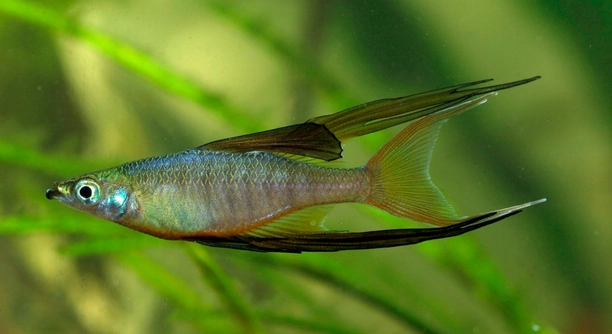
Threadfin Rainbowfish are small, colorful freshwater fish often kept in home aquariums. They enjoy a lively environment and can be very aware of their surroundings, making their behavior interesting to observe. Many fishkeepers notice their active nature.
Threadfin Rainbowfish do respond to movement outside their aquarium. They are visually oriented and can detect motion through the glass. Observing external movement can stimulate their natural curiosity, promoting activity and engagement within their environment.
Understanding how external stimuli affect these fish can help you create a more engaging and healthy aquarium habitat for them. Observing these responses may improve both fish well-being and keeper satisfaction.
How Threadfin Rainbowfish React to Movement
Threadfin Rainbowfish are naturally alert and notice motion both inside and outside the tank. They often swim toward moving objects or follow patterns they see beyond the glass. This reaction is linked to their instinct to detect potential threats or opportunities for food. In home aquariums, they may watch people walking by or notice shadows passing across the room. Observing them can be fascinating because their responses are quick and deliberate. These fish can show excitement through faster swimming or small bursts of color change, indicating heightened alertness. Over time, you may notice they anticipate routine movements, such as someone approaching the tank for feeding. Creating an environment that allows them to see light and movement can make the fish more active and less stressed. Placement of the tank near a window or where activity occurs can subtly influence their behavior, but care must be taken to avoid sudden or constant disturbances.
This response to motion shows their intelligence and adaptability in observing their surroundings.
By noticing movement, Rainbowfish can become more active and show natural behaviors. Watching their reactions helps maintain a lively and stimulating environment.
Tips to Engage Their Senses
Providing visual stimulation outside the tank can improve their well-being. Simple changes, like moving objects or adjusting lighting, are effective.
Introducing moderate external motion can increase activity, prevent boredom, and enhance their overall health. Rainbowfish use sight as a key sense, so observing environmental changes can mimic natural cues. You can try subtle shifts in room lighting, reflections, or placing non-threatening items nearby to spark interest. Avoid placing the tank in highly chaotic areas, as constant motion can stress them. By balancing visual stimuli, you create a dynamic space that encourages natural swimming patterns and interaction with their surroundings. Over time, these small environmental adjustments can improve the fish’s behavior, coloration, and engagement. Consistently providing a visually interesting environment benefits both the fish and the keeper, making aquarium observation more enjoyable. Keeping track of their reactions can guide further adjustments, ensuring the setup remains suitable and stimulating.
Positioning the Tank for Optimal Viewing
Placing the tank where Threadfin Rainbowfish can see movement without constant disturbance is important. A spot near a window or in a moderately active room works well, but avoid areas with sudden, repeated activity that may stress them.
Observing Rainbowfish respond to motion is easier when their environment is thoughtfully arranged. Positioning the tank to allow natural light during the day can encourage alertness and healthy activity. Shadows, reflections, and passing movements provide visual stimulation that keeps the fish engaged. Avoid placing the aquarium directly in high-traffic areas or near loud appliances, as excessive activity can trigger stress responses. By carefully choosing the tank’s location, you can support natural behaviors and ensure your fish remain calm yet attentive. This setup helps maintain their vibrant coloration and consistent swimming patterns, reflecting overall well-being and environmental comfort.
Maintaining a stable environment while allowing occasional visual stimuli can increase their activity and curiosity. Proper positioning supports healthier, more interactive fish.
Creating Movement Inside the Aquarium
Adding objects that gently move, like floating plants or light currents, can help Threadfin Rainbowfish stay engaged. Even small changes encourage swimming and exploration.
Water movement and decorations that create shifting shadows can stimulate Rainbowfish naturally. Fans, air stones, or gentle filtration add subtle currents that mimic natural habitats. Floating plants drift with water flow, giving the fish points of interest and encouraging movement. Providing structures like rocks or small caves allows fish to weave and interact with changing shadows, enhancing engagement. Over time, these elements reduce boredom and promote healthy swimming habits, supporting both physical fitness and mental stimulation. A balanced combination of still areas and flowing sections ensures Rainbowfish can choose activity levels according to mood and preference. Consistent monitoring helps maintain the right balance to prevent stress while maximizing interaction.
Introducing controlled movement inside the tank complements external stimuli, keeping Rainbowfish lively and responsive. Proper design encourages curiosity and natural behavior patterns.
Recognizing Stress from Excessive Movement
Threadfin Rainbowfish can become stressed if exposed to constant movement outside or inside the tank. Signs include hiding, erratic swimming, or loss of color, indicating the need to reduce stimuli.
Balancing visual stimulation is essential. Too much motion can overwhelm the fish, leading to fatigue or health issues.
Using Reflections to Stimulate Activity
Subtle reflections from windows or nearby objects can encourage Threadfin Rainbowfish to explore without causing stress. This method provides engagement without direct interference. Reflections mimic the presence of other fish, sparking curiosity. By adjusting angles and light intensity, you can create stimulating visual cues that remain safe and gentle. This encourages natural behaviors and prevents boredom, especially in smaller or less active aquariums. Using reflective surfaces thoughtfully can enhance activity while maintaining a calm environment, supporting both mental and physical well-being of the fish.
Interaction Through Tank Viewing
Watching Rainbowfish react to movements outside the tank can be satisfying. Their responses show awareness and curiosity, enriching the aquarium experience.
FAQ
Do Threadfin Rainbowfish get scared easily by movement?
Threadfin Rainbowfish are naturally alert and cautious, but they do not startle easily if the movement is slow or predictable. Sudden, rapid motions near the tank can trigger a brief stress response, but they typically regain composure quickly. Maintaining a calm environment helps minimize prolonged stress.
How can I tell if my Rainbowfish is stressed by movement?
Signs of stress include hiding for long periods, rapid darting, loss of color, or clamped fins. Observing their behavior over several days is important, as occasional reactions to passing movement are normal. Persistent signs indicate the environment may need adjustment.
Is it beneficial to let them see movement outside the tank?
Yes. Moderate visual stimuli can keep Rainbowfish mentally engaged. Observing light shifts, shadows, or gentle movement can encourage natural behaviors like exploring, swimming, and minor territorial interactions, which contribute to their overall well-being.
Should I place the tank near a window?
Positioning near a window is acceptable if direct sunlight is avoided. Too much light can overheat the water or promote algae growth. A moderate amount of natural light provides gentle visual stimulation without stressing the fish.
Do reflections in the tank bother them?
Reflections can intrigue Rainbowfish, often prompting exploration rather than stress. However, constant strong reflections may confuse them, so adjusting light angles or using subdued background decor helps balance visual stimulation.
How much activity outside the tank is too much?
Excessive movement, such as children running or pets passing frequently, can make Rainbowfish nervous. Occasional observation is fine, but maintaining periods of calm is important for their mental and physical health.
Can they recognize people moving around the room?
Rainbowfish notice shapes and motion, but they do not recognize individuals. They may react to familiar routines like feeding times, associating movement with positive experiences rather than distinguishing specific people.
Do all Rainbowfish respond the same way to outside movement?
Responses vary by individual temperament and age. Some are more curious and swim actively toward stimuli, while others are shy and prefer to observe from a distance. Group dynamics in the tank can also influence behavior, with bolder fish often leading exploration.
Is it okay to use decorations that move?
Yes. Floating plants, gentle currents, or decorations that shift with water flow can mimic natural environments, encouraging activity. Ensure movement is slow and consistent to avoid stress and provide areas for the fish to retreat.
Can outside movement affect feeding behavior?
Moderate visual stimuli generally do not interfere with feeding. However, if Rainbowfish become stressed due to constant motion, they may hide or eat less. Maintaining predictable feeding routines and limiting high-activity periods during feeding helps ensure proper nutrition.
Do Rainbowfish enjoy watching other fish outside their tank?
They may notice other fish, even in separate tanks, and exhibit curiosity without aggression. Observing movement in other tanks can provide enrichment, but interactions should be indirect to prevent stress or confusion.
How can I safely increase their engagement?
Use a combination of subtle reflections, gentle water movement, and occasional changes in tank scenery. Avoid abrupt or constant motion. This keeps Rainbowfish curious, active, and comfortable while promoting natural swimming patterns and mental stimulation.
Can excessive external motion harm them long-term?
Chronic stress from constant motion can impact health, leading to weakened immunity, slower growth, or decreased coloration. Creating a stable environment with controlled visual stimuli ensures long-term well-being.
Do they respond differently during the day versus night?
Rainbowfish are diurnal and more responsive to movement during daylight hours. At night, they rest and are less likely to react, so tank lighting should align with their natural activity patterns to avoid unnecessary disturbance.
Is it better to watch them interact with their own reflection or outside movement?
Both can provide enrichment, but moderate outside movement usually encourages more natural swimming and alert behaviors. Reflections add interest, but constant reflections may become confusing. Combining both methods thoughtfully creates a balanced, engaging environment.
How often should I introduce new visual stimuli?
Occasional changes, like rearranging plants or shifting light, are sufficient. Frequent adjustments can overwhelm them. Observing reactions to new stimuli helps determine the right frequency for maintaining engagement without causing stress.
Can they become bored without outside movement?
Yes, especially in small or minimally decorated tanks. Lack of stimulation may lead to reduced activity or color dulling. Incorporating subtle visual changes inside the tank helps maintain curiosity and natural behaviors.
Are younger Rainbowfish more reactive than adults?
Younger fish tend to be more alert and curious, responding quickly to movement. Adults may be calmer but still show interest in external stimuli. Individual personality plays a larger role than age alone in determining responses.
Do they respond to pets moving near the tank?
Pets can trigger curiosity or brief stress reactions. Small, calm pets typically provoke interest, while large or sudden movements may startle them. Observing reactions and adjusting pet activity helps maintain a safe environment.
How can I track their comfort with external movement?
Keep a simple observation log noting reactions to different types of motion. Document hiding, swimming patterns, color changes, or feeding behavior. Over time, this helps identify safe levels of stimulation and supports long-term health.
Is it necessary to block outside movement entirely?
No. Complete isolation is unnecessary. Controlled exposure to gentle motion encourages mental engagement and mirrors natural environments. Balancing calm periods with occasional stimuli ensures Rainbowfish remain active, healthy, and stress-free.
Do all visual stimuli need to be near eye level?
Not strictly. Rainbowfish explore all levels of the tank. Stimuli at varying heights, including shadows and floating objects, create a richer environment and encourage full-range swimming and natural exploration behaviors.
Can external movement replace internal tank enrichment?
External movement can complement internal enrichment but should not replace it. Aquatic decorations, plants, and water flow provide essential stimulation. Combining both ensures physical exercise, mental engagement, and overall well-being for Rainbowfish.
Are Threadfin Rainbowfish more responsive in groups or alone?
They are social fish and often respond more confidently in groups. Observing others exploring encourages shy individuals to engage with external stimuli, enhancing group interaction and activity levels within the tank.
How long does it take for them to get used to movement?
Adjustment varies by individual. Some acclimate within a few days, while others may take weeks. Gradual exposure helps them become comfortable and reduces stress responses over time.
Can movement outside the tank help with coloration?
Indirectly, yes. Active, stimulated Rainbowfish often maintain brighter colors and better overall health. Mental engagement through moderate motion encourages natural behaviors that support vitality and vibrancy.
Should movement be introduced during feeding?
It is best to minimize sudden movement during feeding. Consistent, calm feeding times help establish routine and ensure proper nutrition while preventing stress that could interfere with eating habits.
Does the type of movement matter?
Yes. Slow, predictable motion is preferable. Quick, irregular movements may startle the fish, whereas gentle shifts and consistent patterns encourage curiosity and safe exploration without stress.
Can I use toys or tools outside the tank to stimulate them?
Simple, non-threatening items like moving shadows, soft lights, or gently waving objects work. Avoid anything that taps or hits the glass. The goal is visual engagement without causing fear or excessive stress.
Are Threadfin Rainbowfish more active with movement in a small or large tank?
They tend to respond more noticeably in small tanks, where movement is easier to detect. Larger tanks allow more space, giving them freedom to approach or avoid stimuli, which can moderate reactions naturally.
Does lighting affect their response to movement?
Yes. Proper lighting enhances visibility and encourages natural reactions. Too bright or flickering light may cause stress, while soft, consistent illumination allows Rainbowfish to observe and react safely to motion.
Can movement outside the tank simulate natural predator presence?
Mild motion may mimic natural environmental cues but should be controlled. Strong or continuous movement may induce stress, so it is best to provide subtle, non-threatening visual changes.
How can I tell if the external movement is enjoyable or stressful?
Positive engagement is shown by swimming toward stimuli, exploring, and displaying vibrant colors. Stress is indicated by hiding, color dulling, or erratic swimming. Regular observation helps distinguish reactions and adjust the environment appropriately.
Should I change tank decor when introducing outside movement?
Minor adjustments are beneficial but should be gradual. Sudden large changes combined with external motion can overwhelm Rainbowfish. Incremental updates maintain curiosity while avoiding stress.
Can I use outside movement to encourage exercise?
Yes. Gentle visual cues or shadows encourage swimming and activity, helping maintain fitness. Controlled exposure to motion supports healthy movement patterns without causing anxiety or fatigue.
Is it safe to use mirrors near the tank?
Mirrors can stimulate curiosity, but prolonged use may confuse or stress Rainbowfish. Short periods or partial reflections are safe, promoting engagement without negative effects.
Does water clarity influence their response to movement?
Clear water allows Rainbowfish to see and respond to external stimuli effectively. Murky or cloudy water reduces visual cues, limiting engagement and potentially causing stress if motion is perceived unclearly.
Do they respond differently to human versus natural movement?
They respond more to predictable, gentle movement rather than random fast motion. Humans approaching calmly are less stressful than erratic activity, but natural cues like light and shadow shifts are ideal for engagement.
Is there a recommended duration for external movement exposure?
Short, intermittent periods are best. Constant motion may cause stress, while brief exposure stimulates curiosity and natural behaviors without overwhelming the fish. Observing reactions helps determine ideal timing.
Do males and females respond differently?
Males often display more active and bold reactions, while females may be more cautious. Both benefit from gentle visual stimulation, but individual personality influences responsiveness more than sex alone.
Can movement outside the tank reduce boredom in small aquariums?
Yes. Controlled external stimuli provide mental engagement and encourage natural swimming, which is especially helpful in smaller tanks where internal space is limited. Balance is key to avoid stress.
Are there signs that indicate Rainbowfish enjoy movement?
Active swimming toward stimuli, exploratory behavior, and bright coloration indicate engagement. When fish display curiosity without stress, it suggests they are enjoying visual stimulation safely.
Should I combine external movement with feeding routines?
It’s better to separate them. Feeding should remain calm and predictable. External movement can be used at other times to encourage exercise and curiosity without interfering with nutrition.
Can movement outside the tank replace social interaction?
No. Threadfin Rainbowfish are social and benefit from group interaction. External stimuli complement social behavior but cannot replace the mental and physical benefits of interacting with other fish.
Do they react to reflections in furniture or shiny surfaces?
Yes, reflections can trigger mild curiosity or movement. Ensure these are subtle and do not create constant confusion, which may lead to stress over time.
Are older Rainbowfish less interested in external movement?
Older fish may be calmer, but they still respond to visual cues. Individual personality and health status play a larger role than age alone in determining engagement with movement.
Can movement outside the tank affect their sleeping patterns?
Excessive or sudden motion near the tank can disrupt rest, causing stress or irregular sleeping behavior. Calm periods during evening hours help maintain healthy day-night rhythms.
Do they learn to anticipate movement?
Yes. Threadfin Rainbowfish can recognize patterns, such as predictable daily routines or recurring external activity. Anticipation may lead to swimming toward familiar stimuli without stress, showing adaptive behavior.
How do I balance stimulation with calm for their health?
Alternate periods of visual stimulation with calm, undisturbed time. Observing reactions helps adjust the schedule, ensuring Rainbowfish remain active, curious, and healthy without experiencing chronic stress.
Can I use shadows from household activity to stimulate them?
Yes, soft, occasional shadows can mimic natural cues. Avoid harsh or continuous shadows, as they may startle the fish or create anxiety rather than curiosity.
Is external movement more effective than toys inside the tank?
External movement complements internal enrichment but does not replace it. Both combined provide the best mental and physical stimulation, keeping Rainbowfish engaged and active.
Do Rainbowfish respond to motion on screens or TVs nearby?
They may notice light changes or movement from screens, but reactions are usually less natural. Subtle, controlled visual cues are more effective and less likely to cause stress.
Can changing the room layout encourage activity?
Occasional, minor changes like repositioning furniture can introduce new visual stimuli. Ensure changes are subtle and spaced out to prevent stress while promoting natural curiosity.
Do they enjoy observing moving water outside the tank?
Yes, gentle water movement or visible ripples can intrigue them, stimulating exploration without direct interaction. Observing motion in other tanks or fountains can provide mild enrichment safely.
Are there risks to too much external visual stimulation?
Chronic overstimulation may lead to stress, reduced coloration, decreased appetite, or erratic behavior. Controlled exposure and observation prevent negative effects while supporting engagement.
How can I tell if external movement is improving well-being?
Indicators include active swimming, bright coloration, healthy appetite, and regular exploration. Consistent positive behaviors suggest that the visual stimuli are beneficial rather than stressful.
Should I rotate different types of visual stimuli?
Yes. Rotating subtle stimuli, like shadows, reflections, or floating objects, keeps Rainbowfish engaged without overwhelming them, providing variety and sustained interest in their environment.
Can sudden movements from children or pets cause lasting stress?
Brief exposure typically causes only short-term reactions. Repeated or constant sudden activity can increase stress levels, so managing environmental predictability is important for long-term health.
Do Rainbowfish react to their own shadows?
They may investigate or swim along with moving shadows. Occasional exposure encourages exploration, but constant shadowing can create confusion or anxiety.
Can external visual stimulation reduce aggression in the tank?
It may distract dominant fish and encourage activity, but it does not replace proper tank management. Adequate space, hiding spots, and group balance remain essential to prevent aggression.
Is there a preferred time of day for external stimulation?
Daytime is ideal, aligning with natural activity patterns. Avoid late-night exposure to sudden light or movement, as it can disrupt rest and stress the fish.
Do they respond differently to human movement versus mechanical movement?
Humans moving predictably are less stressful than random mechanical motion. Gentle, consistent movement from objects like fans or reflections works well to stimulate curiosity safely.
Can observing outside movement improve my connection with the fish?
Yes. Watching Rainbowfish interact with stimuli allows better understanding of their behaviors and preferences, making tank care and interaction more rewarding.
Are visual cues more important than water parameters for activity?
No. Visual stimuli enhance engagement, but proper water quality, temperature, and nutrition remain critical for health and natural behavior. Both elements work together to support thriving Rainbowfish.
Do Rainbowfish get habituated to repeated movements?
Yes, over time they may become accustomed to certain motions and show less reaction. Changing stimuli gradually helps maintain interest and engagement without causing stress.
Can subtle external motion replace environmental enrichment for solitary fish?
It helps, but social interaction and tank enrichment are still important. External movement can complement their environment but does not replace essential physical and mental stimulation.
Do they respond differently to small versus large movements?
Small, subtle movements encourage curiosity, while large, sudden motions can trigger stress responses. Gradual exposure is ideal for safe and stimulating interaction.
Are Rainbowfish more responsive during feeding or non-feeding times?
They are more attentive to stimuli when not focused on feeding. Using visual cues outside feeding periods promotes exploration without interfering with nutrition.
Can external visual stimulation help with breeding behavior?
Indirectly, yes. Increased activity and engagement can enhance overall health, energy, and natural behaviors, which may support breeding readiness in a suitable environment.
Do they respond differently to human shadows versus natural light shifts?
Natural light changes generally create calm curiosity, while sudden human shadows may briefly startle them. Subtle, predictable stimuli are most effective for engagement.
Can movement outside the tank encourage swimming at different tank levels?
Yes. Observing movement can motivate Rainbowfish to explore upper, middle, and lower areas, promoting natural swimming patterns and exercise throughout the aquarium.
Do Threadfin Rainbowfish respond to reflections of themselves or other fish more?
Reflections of other fish often generate curiosity and interaction, while self-reflection can lead to mild exploration. Both types provide mental stimulation, but observing others tends to produce more active responses.
Are there seasonal differences in responsiveness to movement?
Slight differences may occur due to temperature or light changes, but indoor aquariums usually maintain consistent conditions, so seasonal effects are minimal.
Can external movement improve coloration over time?
Active, engaged Rainbowfish often maintain brighter colors. Stimulation encourages exercise and reduces stress, indirectly supporting healthy coloration and overall vitality.
Should I avoid constant motion in front of the tank?
Yes. Constant, rapid movement can cause stress and erratic behavior. Brief, intermittent visual stimuli are sufficient to encourage curiosity and natural activity.
Do Rainbowfish prefer predictable or random motion?
Predictable, gentle motion is best. Random, abrupt movements may startle the fish, whereas consistent patterns promote safe exploration and engagement.
Can movement outside the tank mimic natural river environments?
Yes. Subtle light shifts, floating objects, and gentle shadows can replicate natural cues, encouraging swimming, exploration, and mental stimulation in an indoor setting.
How do I combine external movement with internal tank enrichment?
Use decorations, water flow, and plants inside while introducing occasional external stimuli. Balance ensures Rainbowfish are active, curious, and comfortable without being overwhelmed.
Are younger Rainbowfish more likely to engage with movement?
Younger fish are often more curious and active. External stimuli may elicit stronger responses, while older individuals may engage more selectively based on personality and prior experiences.
Does tank size affect response to external movement?
Yes. In smaller tanks, stimuli are more noticeable, while larger tanks allow fish to approach or avoid visual cues, moderating reactions naturally. Proper spacing helps balance engagement and comfort.
Can external movement help maintain natural instincts in captivity?
Yes. Controlled visual stimuli encourage exploration, alertness, and exercise, helping maintain behaviors similar to those in their natural habitat. This supports both mental and physical well-being in home aquariums.
Do Threadfin Rainbowfish respond to moving lights from outside the tank?
They can react to soft, gradual light changes, which encourage curiosity and swimming. Avoid harsh, flickering, or constantly shifting lights, as these may cause stress.
Are there risks to using strong external light for stimulation?
Yes. Excessive or direct light can stress Rainbowfish, cause algae growth, and disrupt natural behaviors. Subtle, indirect lighting is safer for visual engagement.
How can I tell if the stimulation level is optimal?
Optimal stimulation is indicated by active swimming, bright coloration,
Final Thoughts
Threadfin Rainbowfish are visually attentive fish that respond to movement in their environment. Observing movement outside the tank can be a form of stimulation for them, encouraging natural behaviors such as swimming, exploring, and interacting with each other. They are alert by nature, and mild external stimuli can spark curiosity without causing stress. When these fish notice motion, whether it is shadows, reflections, or people walking past the tank, they often react in a calm and deliberate way. Over time, their responses may become more predictable, showing that they can learn and adjust to regular patterns of movement. Careful observation is key to understanding how much external activity is beneficial and when it might become overwhelming.
Maintaining a balanced environment is important for the overall well-being of Rainbowfish. Too much external motion can cause stress, which may affect swimming patterns, coloration, and appetite. On the other hand, complete isolation from visual stimuli can reduce engagement and lead to inactivity. Finding the right balance involves monitoring their reactions and adjusting the environment accordingly. Gentle visual cues such as shifting light, floating plants, or subtle reflections can keep them mentally stimulated while avoiding unnecessary stress. Internal tank enrichment, including decorations, plants, and controlled water movement, complements external stimulation and helps create a dynamic environment that promotes activity. Providing both internal and external forms of engagement supports healthy behavior patterns and contributes to the fish’s overall comfort.
Understanding how Threadfin Rainbowfish respond to external movement allows fishkeepers to create a more interactive and enriching aquarium experience. Observing these reactions not only provides insight into their natural behaviors but also helps in designing a habitat that promotes mental and physical health. By balancing periods of visual stimulation with calm, undisturbed time, you can ensure that the fish remain alert, active, and stress-free. Gradual changes and thoughtful placement of the tank encourage curiosity while preventing anxiety. Ultimately, attention to how Rainbowfish interact with movement outside the tank can improve both their quality of life and the enjoyment of caring for them. When approached carefully, external movement can enhance their environment, creating a more engaging and lively aquarium that reflects natural behaviors and encourages long-term well-being.

Hello,
If you enjoy the content that we create, please consider saying a "Thank You!" by leaving a tip.
Every little bit helps us continue crafting quality advice that supports the health, happiness, and well-being of pets around the world, for pets of all shapes, sizes, and species.
We really appreciate the kindness and support that you show us!