
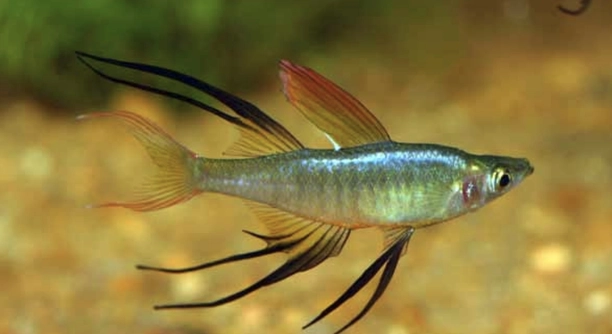
Have you ever noticed your Threadfin Rainbowfish swimming near the glass, watching the room around them? These small, colorful fish often seem attentive to movements, giving their tanks a lively and interactive atmosphere for any fish keeper.
Threadfin Rainbowfish do show interest in movement outside their tanks. They are naturally curious, and visual stimulation from the environment can enhance their activity levels, reduce stress, and support natural behaviors in a controlled aquarium setting.
Observing their reactions can reveal surprising insights about their preferences and overall well-being in the tank environment.
Why Threadfin Rainbowfish Notice Movement
Threadfin Rainbowfish are naturally alert to their surroundings. Their eyes are adapted to detect motion, which helps them respond quickly in the wild. In a tank, they often watch people moving nearby, as well as other fish. Even small gestures or shadows can catch their attention. I’ve noticed my own fish following the movement of a hand approaching the tank or the shifting sunlight through the room. This attention is not just random—they are assessing their environment and staying aware. Watching them interact with the tank glass can be fascinating because it shows how sensitive they are to changes. Movement outside the tank can keep them mentally stimulated. A fish that has nothing to observe may become less active or bored. Providing some external visual stimuli can make a noticeable difference in their behavior. Their alertness helps them feel secure and engaged in their small aquatic environment, reflecting natural instincts.
Visual stimulation contributes to their overall health and reduces stress levels effectively.
Regular interaction with moving elements can improve activity levels, encouraging them to swim more. A calm environment with occasional visual changes helps them stay curious without being startled. If there is too much sudden activity, they may hide briefly, but gentle movements often increase engagement. Watching their responses can help you understand individual personalities and preferred areas in the tank. Introducing floating plants or rearranging decorations occasionally can provide new vantage points for observation. These small adjustments allow them to explore visually while feeling safe. Movement outside the tank may also mimic mild environmental changes in the wild, supporting instinctive behaviors. Over time, they may develop patterns in watching certain spots, reflecting both their natural alertness and their ability to learn from repeated experiences. Paying attention to how they react helps maintain an enriched and balanced habitat.
How to Encourage Healthy Observation
Simple changes can stimulate their visual interest. Even minor adjustments in the room or tank create new stimuli.
Adding gentle decorations, floating plants, or subtle lighting changes encourages movement watching and mental activity. I often move a small ornament slightly or place a low plant near the front of the tank. These small tweaks give them something new to notice, which can enhance their overall engagement. Avoid overloading the tank with bright or rapid movements, as this can cause stress rather than curiosity. Observing their responses helps determine what is appropriate. By gradually introducing mild changes, they can remain alert and active without being frightened. Their natural curiosity will keep them exploring and interacting with the tank environment in a healthy, controlled way. Over time, this can also strengthen their comfort with daily room activity, making them less likely to hide when someone approaches the tank. Consistent, calm stimulation is key to supporting both physical exercise and mental alertness.
Recognizing Their Favorite Spots
Threadfin Rainbowfish often choose areas near the front of the tank or where light enters. They seem drawn to corners with clear visibility, where movement outside is easiest to see.
I’ve noticed my fish spend time near the glass when the room is active. They cluster in spots that give them the best view of people or pets moving nearby. Overhead lighting or natural sunlight often highlights these areas, making them more appealing. Sometimes they even follow reflections or shadows on the tank walls. Their favorite spots are usually safe and open, where they can see without feeling trapped. Observing their choices helps me understand their preferences and how to arrange the tank for comfort and stimulation. Adjusting decorations or plants near these zones encourages them to explore while keeping a view of the surroundings.
By arranging the tank to include clear sightlines and gentle hiding spots, they remain curious but secure. Watching their preferred areas also helps gauge their comfort and engagement, as they naturally spend more time in spots that feel safe yet visually stimulating.
Effects of External Movement
Movement outside the tank often triggers short bursts of activity, increasing swimming and interaction.
When people walk by or objects shift, my Threadfin Rainbowfish react quickly, darting and changing direction in response. This behavior indicates that external movement can provide mental and physical stimulation. Subtle activity outside the tank can keep them alert and attentive without causing stress. They may pause to observe for a moment before resuming normal swimming patterns, showing controlled curiosity rather than fear. Over time, they learn to associate predictable, gentle movements with safety, which supports their overall well-being. Excessive or sudden movements, however, can make them retreat briefly, so moderation is important. Monitoring reactions helps determine the right balance of external stimulation.
Consistent exposure to mild movement strengthens natural instincts and encourages more active swimming. It also makes them less skittish, as they gradually become accustomed to daily household activity. I’ve found that alternating periods of calm and slight motion keeps them engaged while preventing stress. Simple observations, like noting where they pause and follow moving objects, provide insight into their comfort level. Providing a few visible but safe areas for external observation allows them to feel in control while exploring visually. Their interaction with outside movement can enhance their personality and liveliness in the tank environment.
Adjusting to Household Activity
Threadfin Rainbowfish quickly learn the rhythm of daily movements. They watch quietly, becoming familiar with predictable patterns like people walking or pets moving near the tank.
I’ve noticed mine pause and observe before resuming swimming, showing they adapt well when the activity is steady and calm.
Using Reflections for Engagement
Reflections from windows or mirrors often catch their attention. These fish sometimes follow light patterns or subtle changes, treating them as movement to explore. Over time, reflections can stimulate curiosity without adding stress. I occasionally place a reflective surface near the tank and notice increased activity as they interact with shifting light and shapes.
Signs of Overstimulation
Too much movement outside can make them hide or become less active.
Creating a Balanced Environment
A mix of open areas and plants helps them observe safely while exploring. Providing varied visual stimuli supports activity and reduces stress. I arrange my tank to give clear views without exposing them to constant, overwhelming motion.
Do Threadfin Rainbowfish enjoy watching people move around the tank?
Yes, they do. Threadfin Rainbowfish are naturally curious and alert. I’ve noticed mine often pause near the front glass when I move around the room. They follow subtle movements, whether it’s my hand approaching the tank or shadows from nearby objects. This behavior shows they are mentally engaged and attentive to their environment. Watching people or pets can provide gentle stimulation, keeping them active and reducing boredom. It’s important to maintain a calm and predictable environment so they feel secure while observing. Sudden, fast movements may startle them, but slow, regular activity usually encourages curiosity.
Can reflections in the room affect their behavior?
Reflections can grab their attention as much as real movement. I’ve placed a mirror near the tank for a short time and noticed increased swimming and alertness. They sometimes follow the reflected shapes or light, which can mimic natural activity. Reflections provide mental stimulation without introducing stress, as long as the exposure is moderate. Over time, they may recognize the difference between reflections and actual movement, but initially, it encourages exploration and alertness. Reflections combined with open areas in the tank allow them to watch and react safely.
How do they react to sudden movements?
Sudden or rapid movements usually trigger brief hiding or darting behavior. My fish sometimes dive behind plants or decorations when something unexpected happens outside the tank. This reaction is instinctive and shows they are alert to potential threats. While occasional sudden movements are harmless, repeated or constant fast activity can cause stress. A stable, predictable environment helps them remain confident while observing. Gradually introducing mild movement can help them adapt without fear. Over time, they become more comfortable with daily activity, though their alertness remains.
Does external movement improve their overall activity?
Yes, gentle visual stimulation encourages swimming and engagement. I’ve found that my Threadfin Rainbowfish swim more actively when they notice subtle movement outside. Observing these behaviors shows that visual cues can support exercise and mental alertness. Providing clear sightlines, gentle lighting changes, or minor adjustments in tank decor helps maintain curiosity. Overly complex or chaotic movements, however, can have the opposite effect. Moderate and consistent stimulation promotes healthy behavior, keeping them active while reducing boredom.
Can they get stressed from too much activity outside the tank?
Excessive movement can cause stress, which shows in hiding or reduced swimming. I’ve observed that when too many people pass by or there is constant noise, my fish retreat to plants or corners. A balance is crucial: enough movement to engage them, but not so much that it becomes overwhelming. Signs of stress include clamped fins, lethargy, or hiding for long periods. Observing their responses helps me adjust the environment to maintain comfort while still encouraging alertness. Safe, calm stimuli work best for their well-being.
Are there ways to enrich their tank without overwhelming them?
Yes, small visual changes are effective. I rearrange decorations occasionally or introduce floating plants to give new perspectives. Moving an object slightly or changing light angles can spark curiosity without causing fear. I avoid placing bright, rapidly moving items near the tank. Providing a mix of open spaces and secure hiding spots supports both exploration and safety. Gradual adjustments allow them to investigate without stress, enhancing mental and physical activity. Over time, these subtle enrichments encourage engagement while maintaining a calm, comfortable environment.
Do they watch other fish more than external movement?
It depends on the fish and tank setup. My Threadfin Rainbowfish often balance attention between tank mates and outside movement. When another fish swims nearby, they may pause to observe, but external motion often captures interest too, especially if it is new or unusual. Both sources of stimulation are beneficial, as they encourage natural alertness, social interaction, and exploration. Providing enough space and visibility ensures they can engage with both safely.
How often should I allow external movement to stimulate them?
Moderate and predictable exposure works best. I notice my fish respond well to short periods of activity throughout the day rather than constant motion. Gentle, repeated visual cues help maintain curiosity and alertness without causing stress. Over time, they learn patterns and feel secure while observing. Avoiding unpredictable or chaotic movements ensures they remain confident and active.
Can external visual stimulation help prevent boredom?
Yes, it can. I’ve found that when external movement or reflections are present, my fish swim more and explore their tank. Without visual engagement, they may become less active or cluster in one area. Providing mild, safe stimuli keeps them curious, mentally active, and healthier overall. It also encourages natural behaviors, like alert observation and swimming patterns, which contribute to their overall well-being.
Is there a risk of overstimulating them with too much visual input?
Overstimulation is possible if the tank is constantly exposed to rapid movements or bright, changing lights. I’ve noticed that my fish hide more and swim less when too much is happening outside the tank. Maintaining a calm, predictable rhythm with occasional visual changes is key. Balanced stimulation helps keep them active, alert, and comfortable without causing stress or fear.
Threadfin Rainbowfish are naturally curious and alert, and their responses to movement outside the tank show just how aware they are of their surroundings. They often pay attention to gentle, predictable movements, whether it’s a hand approaching the glass or shadows shifting across the room. I’ve noticed that my own fish will pause near the front of the tank, following slow movements with their eyes and sometimes adjusting their swimming direction to get a better view. This behavior is a sign that they are mentally engaged and interested in their environment. While they are active observers, they still need a sense of security. Areas with plants, decorations, or open spaces near the glass give them the ability to watch without feeling exposed. By observing their behavior carefully, it becomes clear which parts of the tank they prefer for watching external movement and which spots make them feel safe. Arranging the tank to include these favored zones can enhance their comfort while supporting their natural curiosity.
External movement can provide a form of mental and physical stimulation for Threadfin Rainbowfish. I’ve seen mine swim more actively when there are subtle changes in the room, like a shifting shadow or a hand passing by the tank. Even reflections from light or mirrors can catch their attention and encourage exploration without causing stress. These small interactions help maintain alertness, encourage swimming, and reduce the risk of boredom. It is important to maintain a balance, however. Too much sudden or fast movement can make them hide or appear stressed. Gradual, predictable visual stimuli work best, allowing them to engage without feeling threatened. Small adjustments, like slightly moving a decoration, changing the light angle, or adding floating plants, can make the tank environment more interesting while keeping it safe. Over time, these subtle changes help the fish remain active, alert, and mentally stimulated, supporting their overall well-being.
Maintaining a calm and balanced environment is essential for the health of Threadfin Rainbowfish. They thrive when there is a mix of external visual stimulation and secure areas within the tank. Observing their responses helps identify what keeps them comfortable and engaged, from favorite viewing spots to reactions to reflections and gentle movement. Providing enough space for exploration, clear sightlines, and hiding areas ensures that they can watch their surroundings safely. By paying attention to these behaviors, it is possible to enrich their tank in a way that promotes natural instincts, reduces stress, and encourages regular activity. Visual engagement is an important part of their daily life, and creating a thoughtful environment allows them to express curiosity naturally. Watching them interact with movement outside the tank can be satisfying, as it demonstrates their alertness and intelligence while highlighting the importance of a well-arranged, comfortable habitat. This approach supports both mental and physical health, making it possible for Threadfin Rainbowfish to live a more active and enriched life.

Hello,
If you enjoy the content that we create, please consider saying a "Thank You!" by leaving a tip.
Every little bit helps us continue crafting quality advice that supports the health, happiness, and well-being of pets around the world, for pets of all shapes, sizes, and species.
We really appreciate the kindness and support that you show us!