
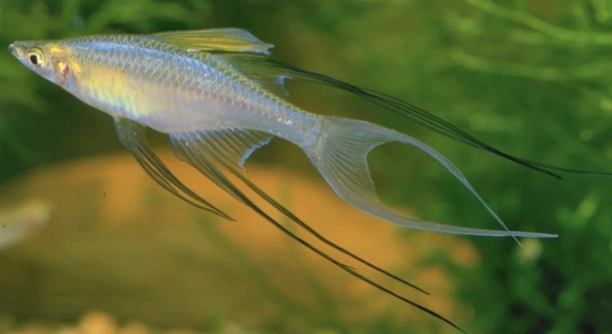
Have you ever brought home a group of Threadfin Rainbowfish and noticed how they take their time adjusting to their new surroundings?
Threadfin Rainbowfish usually take one to two weeks to fully settle into a new aquarium. During this time, they adapt to the water conditions, adjust their feeding habits, and gradually establish a sense of security within their environment.
Understanding this settling period helps ensure smoother care, making it easier to support their comfort and long-term well-being in your aquarium.
Factors That Influence Their Adjustment
When introducing Threadfin Rainbowfish to a new aquarium, several elements play a role in how quickly they settle in. Water quality is the most important, as these fish are highly sensitive to shifts in parameters like pH, temperature, and hardness. Stable conditions help reduce stress and encourage normal behavior. Tank size and design also matter since open swimming space allows them to feel secure, while plants and decorations provide safe hiding areas. The number of fish introduced at once influences how confident they feel, as they prefer being in groups. Diet is another consideration, with small live or frozen foods supporting their health during adjustment. Even the lighting of the tank plays a role, as soft lighting helps them relax. A balanced combination of these factors ensures Threadfin Rainbowfish gradually become active, feed regularly, and display their natural colors once they feel secure in their new home.
Stress is reduced when the environment mimics their natural habitat, giving them comfort and security.
It is also helpful to avoid sudden changes during this time, as consistency allows them to build trust in their environment. Gradual acclimation, steady feeding routines, and minimal disruptions all make the settling process easier for these delicate fish.
Signs They Are Settling In
Threadfin Rainbowfish display small but clear signs when they begin adjusting well. Active swimming is one of the first indicators, as they start exploring the tank more freely instead of hiding.
Once they settle, these fish show brighter colors, especially males, which signals comfort and health. Feeding is another strong indicator, as they become more confident in eating both at the surface and midwater without hesitation. Interaction within the group also becomes more noticeable, as they swim together and establish a calm rhythm in the aquarium. Reduced skittish behavior is another important sign, as sudden movements outside the tank no longer cause them to scatter or hide. Over time, they display a natural grace, gliding around comfortably. Paying attention to these signs helps aquarists know their fish are thriving. By recognizing these behaviors early, care can be adjusted if necessary to keep them healthy and stress-free.
How to Help Them Settle Faster
Maintaining stable water conditions is the most effective way to help Threadfin Rainbowfish settle quickly. Consistency in temperature, pH, and hardness prevents stress and creates a safe environment where they can gradually feel comfortable.
A calm environment reduces stress, so it is helpful to avoid sudden movements or loud noises around the tank. Providing hiding spots with plants and driftwood gives them a sense of security while they adjust. Introducing them in small groups rather than individually helps them feel supported, as they are naturally schooling fish. Feeding small portions of high-quality live or frozen foods also encourages them to eat regularly, building strength during their adjustment. Monitoring their behavior daily ensures you can spot issues early and make changes if needed. Patience and consistency go a long way in supporting their settling process.
It is also important to avoid overcrowding, as too many fish in the tank can create stress and competition for resources. Adequate space allows Threadfin Rainbowfish to swim freely while still enjoying the safety of a group. A gentle current from the filter can help replicate their natural habitat, encouraging natural swimming behavior. Over time, these small efforts create an environment where the fish feel at ease.
Common Mistakes to Avoid
Placing Threadfin Rainbowfish in a tank with unstable water conditions can make it difficult for them to adapt. Overfeeding, overcrowding, or keeping them with aggressive species also slows their adjustment and may affect their overall health.
Neglecting to acclimate them properly before release is another mistake, as sudden changes in temperature or water chemistry can cause immediate stress. It is equally important not to use bright lighting during their first days, as harsh conditions make them feel exposed. Skipping regular water checks or relying on inconsistent feeding schedules also creates instability, leading to nervous behavior and delayed settling. Selecting unsuitable tankmates adds more pressure, leaving them less confident to explore. By carefully avoiding these mistakes, their adjustment period becomes smoother.
Feeding During the Adjustment Period
Offering small meals twice a day helps Threadfin Rainbowfish adjust without overwhelming them. Live and frozen foods such as daphnia or brine shrimp encourage feeding and provide essential nutrients that support their health during this delicate stage.
Avoid overfeeding, as excess food can pollute the water and increase stress. Balanced feeding ensures they grow more confident in their environment while preventing digestive issues. Observing their eating habits allows you to adjust portions, helping them feel secure while maintaining clean, stable water conditions.
Tankmates That Support Comfort
Peaceful species like small rasboras, tetras, or Corydoras make excellent companions for Threadfin Rainbowfish. Their calm behavior reduces stress and allows the rainbowfish to explore freely without fear of aggression. Avoid larger or territorial fish that may intimidate them. A gentle, balanced community helps them feel comfortable while they adapt.
Best Tank Setup for Settling
A planted aquarium with gentle filtration creates a safe and stable setting for Threadfin Rainbowfish. Plants provide cover, while driftwood or rocks add structure, giving them places to hide. An open swimming area remains essential for their natural, graceful movement.
FAQ
How long does it usually take Threadfin Rainbowfish to feel comfortable in a new tank?
Threadfin Rainbowfish generally take about one to two weeks to feel comfortable in a new environment. During this period, they adapt to the water parameters, feeding routine, and the presence of other fish. If the conditions are stable and the setup is appropriate, many will begin showing signs of comfort, such as brighter colors and active swimming, within the first few days. However, complete settling, where they display full confidence and regular feeding, can extend closer to two weeks depending on their health and tank conditions.
What are the main signs that show they are stressed?
Stress in Threadfin Rainbowfish is often easy to spot if you observe their behavior carefully. Signs include hiding constantly, losing color, darting suddenly, or refusing food. They may also appear to breathe heavily or hover near the bottom of the tank. Skittish behavior in response to even small movements outside the aquarium can be another signal. If these behaviors persist, it often indicates poor water quality, aggressive tankmates, or unstable environmental conditions. Monitoring these signals allows you to act quickly and prevent long-term issues.
How can I make the settling process smoother for them?
Consistency is key when helping Threadfin Rainbowfish settle. Maintaining stable water parameters, offering a balanced diet, and providing hiding spaces all contribute to their comfort. Adding live or silk plants creates safe spots where they can retreat if they feel threatened. Introducing them in small groups helps reduce shyness, as they are naturally schooling fish. Avoid loud noises, sudden tank movements, or drastic water changes during the first weeks. Keeping the aquarium peaceful and predictable is one of the most effective ways to ensure they adapt without unnecessary stress.
Do they need to be in groups to settle in properly?
Yes, Threadfin Rainbowfish do much better when kept in groups. They are a social species and find comfort in swimming together. A small shoal of six or more allows them to feel secure, as they rely on group dynamics for confidence. Isolating them or keeping them in pairs may lead to shyness, stress, and lack of activity. A group setting encourages natural behavior such as schooling, feeding confidently, and displaying brighter colors. Providing them with companionship is one of the most effective ways to support their settling process.
What role does lighting play in their adjustment?
Lighting has a bigger influence than many expect. Bright, harsh lights can make Threadfin Rainbowfish feel exposed and uncomfortable, especially when first introduced. Softer lighting helps reduce stress and encourages them to come out from hiding. Using floating plants can help diffuse direct light and create a more natural environment. Once they have fully settled, they tolerate brighter conditions better, but softer lighting during the adjustment phase gives them a sense of security. It also allows their colors to show more naturally without overwhelming them.
Can aggressive tankmates prevent them from settling in?
Aggressive tankmates can greatly slow down the adjustment process and may even cause long-term harm. Threadfin Rainbowfish are delicate and easily intimidated, so placing them with fin-nipping or territorial species leads to constant stress. They may hide excessively, stop eating, or lose their vibrant coloration. Peaceful companions like rasboras, Corydoras, or small tetras create a safer atmosphere where they can settle comfortably. Selecting compatible tankmates is essential for both their health and their confidence in exploring the aquarium. Avoiding aggressive species ensures they adjust more smoothly.
Is feeding different when they are adjusting compared to later?
Feeding does require more care during the adjustment period. Offering small amounts of food multiple times a day helps encourage eating without overwhelming them. Live or frozen foods like brine shrimp or daphnia are especially effective in getting them to feed. Once they settle, you can reduce feeding frequency and include a varied diet of flakes, micro pellets, and live foods. The goal during adjustment is to build their confidence and keep them healthy with high-quality nutrition. Over time, their feeding behavior becomes more consistent and less hesitant.
What should I avoid doing when they are still settling in?
Avoid making sudden changes that disrupt their comfort. This includes large water changes, rearranging tank decorations, or adding new tankmates too soon. Overfeeding should also be avoided, as leftover food reduces water quality and increases stress. Bright lighting and loud noises can disturb them, so keeping the environment calm is important. Handling or netting them unnecessarily is another mistake, as it delays their settling. Keeping the aquarium consistent, quiet, and stable during this period allows Threadfin Rainbowfish to adapt smoothly without unnecessary challenges.
Why do some Threadfin Rainbowfish take longer than others to adjust?
The adjustment period can vary depending on several factors. Differences in individual temperament, prior care, and health conditions often influence how quickly they adapt. Water stability, tank design, and the type of tankmates also play a major role. Some fish are naturally bolder and settle quickly, while others remain shy longer. Stress from poor transport conditions before arriving at your home can also extend the settling time. Recognizing that each fish may adapt at its own pace helps prevent unnecessary worry. Providing stable, supportive conditions ensures even the shyest fish eventually settle in comfortably.
How do I know when they are fully settled?
Fully settled Threadfin Rainbowfish display clear and consistent signs of comfort. They swim actively in the open, feed eagerly without hesitation, and display brighter, more vibrant colors. Their movements become smooth and confident, and they no longer dart away at sudden motions outside the tank. Social behavior within the group becomes more apparent, with schooling and peaceful interactions. A lack of hiding, combined with a steady appetite and natural displays, signals that they are thriving. These changes make it clear they have adjusted fully to their environment.
Final Thoughts
Threadfin Rainbowfish are delicate, graceful fish that can bring beauty and calmness to any aquarium. Their elegant fins and shimmering bodies stand out, especially once they feel safe and comfortable in their environment. However, they are not fish that instantly adapt the moment they are introduced to a tank. Instead, they require time, consistency, and care to begin showing their natural behavior. Their settling process usually takes one to two weeks, but every individual fish may adjust at a slightly different pace. Understanding this variation is important, as some fish may display confidence quickly, while others remain shy for longer periods. By accepting this adjustment phase as part of their nature, aquarists can approach the process with patience, making the experience less stressful for both the fish and the caretaker. The key to success lies in offering stability and paying attention to small details in their care.
The importance of water quality, diet, and tank design cannot be overlooked when supporting Threadfin Rainbowfish through their settling phase. These factors directly affect how comfortable they feel, and even small changes can impact their stress levels. For instance, unstable pH or temperature shifts can slow their adjustment, while overcrowding or aggressive tankmates can prevent them from settling at all. Providing gentle lighting, peaceful companions, and natural hiding spots helps ease their nerves and encourages them to display more natural behavior. A balanced diet during this time is equally important, as feeding high-quality live or frozen foods builds strength and boosts confidence in feeding. When these needs are consistently met, Threadfin Rainbowfish begin to thrive, showing brighter colors, graceful swimming patterns, and more social behavior within their group. These visible signs reassure the aquarist that their efforts are working, making the experience both rewarding and educational.
In the end, caring for Threadfin Rainbowfish is about creating a stable environment where they can gradually feel secure. Their beauty is best revealed once they trust their surroundings, and this trust takes time to develop. Rushing the process or overlooking their needs often leads to stress and health issues, but a patient and attentive approach brings positive results. Observing them transform from shy, cautious fish into active, vibrant swimmers is a reminder of the importance of consistency in aquarium care. While the initial settling phase requires careful attention, it also sets the foundation for their long-term health and happiness. With the right balance of care, patience, and understanding, Threadfin Rainbowfish not only settle well but also become a centerpiece of the aquarium, rewarding their caretaker with both beauty and graceful presence for years to come.

Hello,
If you enjoy the content that we create, please consider saying a "Thank You!" by leaving a tip.
Every little bit helps us continue crafting quality advice that supports the health, happiness, and well-being of pets around the world, for pets of all shapes, sizes, and species.
We really appreciate the kindness and support that you show us!