
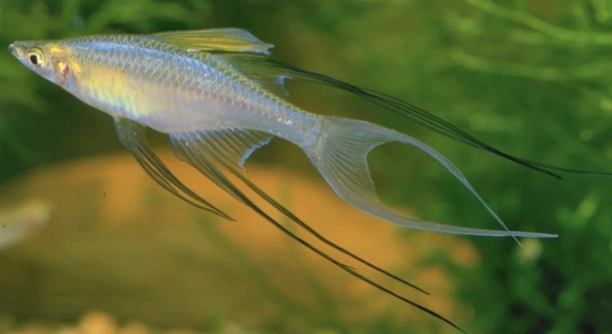
Threadfin Rainbowfish are small, colorful freshwater fish often admired for their shimmering scales and active behavior. They are popular in home aquariums due to their peaceful nature and ability to coexist with other small fish.
Threadfin Rainbowfish can adjust to sudden changes in light, but the process requires gradual acclimation. Sudden shifts may cause temporary stress, altering swimming patterns and feeding behavior, though they generally recover if provided with stable environmental conditions and minimal disturbances.
Understanding how light affects their behavior is essential for maintaining a healthy aquarium environment. Proper care ensures these fish remain vibrant and active over time.
Understanding Threadfin Rainbowfish Light Sensitivity
Threadfin Rainbowfish are naturally sensitive to changes in light because they are used to stable, clear water environments. Sudden shifts from dim to bright light can startle them, causing stress that affects swimming, feeding, and social interactions. In aquariums, even minor changes like moving the tank closer to a window or replacing bulbs can impact their behavior. These fish rely on light cues for their daily rhythm, so abrupt alterations may temporarily confuse them. Observing their response is important, as stressed fish may hide, dart rapidly, or reduce their appetite. Over time, with consistent lighting, they learn to adjust, but patience is key. Maintaining a predictable light schedule helps them thrive. Consistency in duration, intensity, and type of light ensures that the fish remain active and display their natural colors.
Gradually increasing or decreasing light intensity can help minimize stress and support healthy adaptation.
Providing a dim-to-bright transition over several hours is effective. This allows their eyes and behavior to adjust naturally, reducing erratic movements. Regular monitoring ensures the fish maintain normal activity and feeding patterns, which is critical for overall health and long-term aquarium stability.
Tips for Managing Sudden Light Changes
Slowly altering light conditions prevents shock and keeps the fish calm. Short periods of adjustment reduce stress.
Creating a lighting schedule that mimics natural day and night cycles is essential. Avoid turning lights on or off abruptly. Introducing new bulbs gradually and placing aquarium covers or shades helps diffuse harsh light. Monitoring fish closely during transitions ensures they remain active and maintain regular feeding habits. A consistent routine strengthens their comfort with changes and reduces erratic swimming or hiding. Keeping a small backup lamp for gradual dimming also helps manage intensity. Understanding the fish’s natural light preferences and mimicking their natural environment as closely as possible improves overall well-being, enhances color vibrancy, and promotes healthy social behavior. Incorporating subtle adjustments instead of sudden shifts allows the fish to acclimate naturally. Observing behavior during these changes provides insight into their stress levels, allowing for prompt corrective actions. This approach ensures a stable, thriving aquarium environment while supporting the fish’s natural rhythm.
Gradual Light Adjustment Techniques
Using a dimmer or adjustable aquarium light allows Threadfin Rainbowfish to adapt slowly. Gradually increasing or decreasing brightness over several hours reduces stress and prevents sudden behavioral changes, helping maintain normal feeding and swimming patterns.
Introducing light changes in stages helps the fish adjust without panic. Begin with low intensity for the first hour, then slightly increase it every 30–60 minutes. This method mimics natural dawn and dusk, making the environment feel familiar. Observing the fish’s response during each stage is important, as some may take longer to adapt. Providing hiding spots or plants can also ease anxiety during adjustments. Consistency over days strengthens their comfort with light transitions, reducing stress-related issues and maintaining vibrant coloration.
Over time, Threadfin Rainbowfish develop a tolerance to moderate light changes. Gradual adjustment combined with stable water parameters, proper feeding, and consistent tank maintenance ensures they remain healthy. Avoiding abrupt transitions preserves their natural behavior, minimizes stress, and supports social interactions within the group. This approach also encourages them to explore the tank confidently while maintaining appetite. By carefully monitoring responses, minor tweaks can be applied to improve their comfort further. Overall, a thoughtful, slow adjustment routine enhances their adaptation to new lighting conditions and promotes long-term well-being.
Environmental Support for Light Adaptation
Providing plants, rocks, and shaded areas offers the fish safe zones to reduce stress. These areas allow them to retreat if lights change suddenly.
Structured tank decor creates natural hiding spots and reduces panic when lighting varies. Live plants soften light intensity and mimic the fish’s native habitat, helping them feel secure. Rocks and driftwood provide vertical and horizontal shelters, encouraging natural exploration without exposure to harsh illumination. Positioning these elements strategically ensures balanced coverage while keeping open swimming areas accessible. Observing how fish interact with these features during transitions offers insight into their comfort and adjustment. A carefully arranged environment supports gradual adaptation to sudden light changes, fostering healthier behavior and calmer swimming patterns.
Monitoring Fish Behavior
Keeping a close eye on swimming patterns helps identify stress from light changes. Sudden hiding or erratic movement signals discomfort that should be addressed immediately.
Regularly observing feeding habits also indicates adaptation. Reduced appetite or avoidance of food often accompanies stress, showing the need for slower light transitions or additional shelter.
Using Timers for Consistency
Automated timers ensure predictable lighting schedules. Consistency in light duration and intensity reduces stress and helps Threadfin Rainbowfish establish a stable daily rhythm. Gradual changes programmed into timers can simulate sunrise and sunset, supporting natural behavior and easing adaptation to new environments.
Adjusting Light Placement
Positioning lights at a slight distance or angle reduces intensity directly hitting the fish. This prevents shock and allows gradual acclimation over time.
FAQ
How quickly can Threadfin Rainbowfish adapt to sudden light changes?
Threadfin Rainbowfish can adjust to new lighting, but the process varies depending on the intensity of the change and the individual fish. Minor changes may be tolerated within a few hours, while sudden bright light or long-duration shifts can take several days to fully acclimate. Gradual transitions are always recommended to minimize stress and maintain normal feeding and swimming behaviors.
What signs indicate my fish is stressed by light changes?
Common signs include hiding, erratic or frantic swimming, loss of appetite, and faded coloration. Some fish may cling to shaded areas or plants, while others may become less active or isolate themselves from the group. Observing these behaviors early allows for corrective action.
Can using a dimmer help reduce stress?
Yes, dimmers or adjustable lights allow gradual changes in brightness. Slowly increasing or decreasing light intensity over hours mimics natural dawn and dusk, giving the fish time to adjust. This method prevents panic reactions and supports overall well-being.
Are live plants beneficial during light transitions?
Absolutely. Live plants diffuse harsh light and provide natural shelter. They reduce direct exposure to bright lighting and give fish safe spaces to retreat, which lowers stress and supports natural behavior during adaptation.
Do hiding spots like rocks or driftwood help?
Yes, strategically placed rocks, driftwood, or other décor create shaded areas that offer security. Fish use these spots to manage sudden changes, maintaining normal activity and reducing panic responses. Proper arrangement also encourages natural exploration while maintaining access to open swimming areas.
Should I adjust feeding during light changes?
Feeding schedules should remain consistent, as sudden changes in food timing can compound stress. If fish show reduced appetite, smaller meals given more frequently can encourage eating and help them maintain energy while adjusting to light changes.
Is it necessary to monitor behavior continuously?
Regular observation is important. Tracking swimming patterns, color vibrancy, and interactions with tank mates indicates how well the fish adapts. Prompt adjustments in lighting or environment can prevent prolonged stress and keep fish healthy.
Can timers improve adaptation?
Timers provide consistent light cycles, which reduce stress from unpredictable lighting. Automated gradual changes simulate sunrise and sunset, helping Threadfin Rainbowfish maintain natural rhythms and adapt smoothly to any alterations in brightness or duration.
How long should light transitions take?
A gradual shift over one to several hours is recommended. Sudden shifts cause immediate stress, while slow adjustments allow eyes and behavior to adapt naturally. Monitoring fish during this period ensures they remain active and comfortable.
What should I do if fish remain stressed?
If stress persists, reduce light intensity, provide additional shaded areas, and review tank conditions like water quality and temperature. Ensuring overall stability in the aquarium environment is crucial for recovery and long-term health.
Do Threadfin Rainbowfish ever fully ignore sudden light changes?
Over time, many fish learn to tolerate moderate variations, but extreme or abrupt changes will always cause some reaction. Consistency, protective décor, and gradual transitions help them build resilience while preserving natural behavior and vibrant coloration.
Can light stress affect reproduction or growth?
Prolonged or repeated stress from poor lighting can impact growth, reduce immunity, and interfere with breeding behavior. Maintaining a stable, well-lit environment that mimics natural conditions supports healthy development and reproductive activity.
Are certain bulbs better for adaptation?
Full-spectrum or adjustable LED lights are preferred because they allow fine control over intensity and mimic natural daylight. Avoid harsh, unfiltered lighting, as it increases stress and can disrupt the fish’s daily rhythm.
Do all Threadfin Rainbowfish react the same way?
Individual responses vary. Some adapt quickly with minimal stress, while others are more sensitive. Observing each fish and making incremental adjustments is the most effective strategy for keeping the entire group healthy and calm.
How does tank location affect adaptation?
Placing the aquarium away from direct sunlight or sudden artificial light reduces abrupt exposure. A stable, consistent environment ensures the fish adjust naturally and prevents repeated shock from external light sources.
Can other fish in the tank affect adaptation?
Yes, peaceful cohabitants help create a calmer environment. Aggressive or overly active fish can increase stress, making light transitions more difficult for Threadfin Rainbowfish. Careful selection of tank mates supports smoother adaptation.
Is there a way to track long-term adaptation?
Monitoring behavior, color intensity, feeding patterns, and overall activity over days and weeks provides a clear picture of adaptation. Gradual improvement in these areas indicates successful adjustment to light changes, while persistent stress signals the need for intervention.
What is the most important factor for light adaptation?
Consistency in light schedule, gradual intensity changes, safe hiding spaces, and observation are key. Balancing these elements ensures Threadfin Rainbowfish remain healthy, vibrant, and comfortable despite environmental fluctuations.
How can I prevent stress from future light changes?
Planning ahead by using timers, maintaining consistent water conditions, and ensuring protective décor are essential. Regularly checking the tank environment and observing behavior allows proactive adjustments to avoid repeated stress.
Can acclimation reduce susceptibility to other stressors?
Yes, fish that are comfortable with light changes often show improved resilience to minor environmental shifts. Consistent care and gradual transitions strengthen overall stability and promote healthier, calmer behavior in the aquarium.
Final Thoughts
Threadfin Rainbowfish are delicate yet resilient creatures. Their bright colors and active swimming make them appealing for aquariums, but they respond strongly to changes in their environment. Light is one of the most influential factors in their daily life. Sudden shifts in brightness or duration can startle them, causing stress that may affect swimming patterns, feeding habits, and interactions with other fish. Maintaining consistent lighting helps them feel secure and reduces the risk of stress-related behaviors. Even small adjustments, like moving the tank closer to a window or changing a bulb, can have an impact, so careful observation is important. Providing gradual changes and monitoring responses ensures that these fish remain active, healthy, and vibrant. Their well-being depends on a balance of environmental stability and gentle management of transitions.
Creating a supportive environment goes beyond light alone. Adding live plants, rocks, and other decorations gives fish spaces to retreat if they feel threatened or stressed. These hiding spots mimic their natural habitat and allow them to regulate exposure to sudden light changes at their own pace. Using dimmers, timers, or adjustable lighting systems helps simulate natural day and night cycles, giving the fish time to acclimate gradually. Observing their behavior throughout the day provides insight into how well they are adjusting. Reduced activity, hiding, or loss of appetite indicates that adjustments may be too abrupt. On the other hand, smooth adaptation shows that the combination of stable lighting, protective décor, and gradual transitions is working effectively. Combining these strategies ensures the fish are comfortable and that their natural behaviors, such as schooling, feeding, and exploring, remain intact.
Consistency is key to the long-term health of Threadfin Rainbowfish. Establishing a predictable lighting schedule, providing safe zones, and monitoring their responses all contribute to a thriving aquarium environment. Stress from sudden light changes can affect growth, immunity, and even social behavior, so preventing it is crucial. Gradual adjustment, combined with proper tank maintenance, ensures that the fish continue to display their natural colors and behavior. Over time, they may become more tolerant of moderate lighting variations, but abrupt shifts should always be avoided. Maintaining a balance between light, tank décor, and observation allows Threadfin Rainbowfish to adapt comfortably while staying healthy. By focusing on these factors, the aquarium becomes a stable and enriching environment that supports the fish’s natural rhythm, reduces stress, and promotes overall well-being.

Hello,
If you enjoy the content that we create, please consider saying a "Thank You!" by leaving a tip.
Every little bit helps us continue crafting quality advice that supports the health, happiness, and well-being of pets around the world, for pets of all shapes, sizes, and species.
We really appreciate the kindness and support that you show us!