
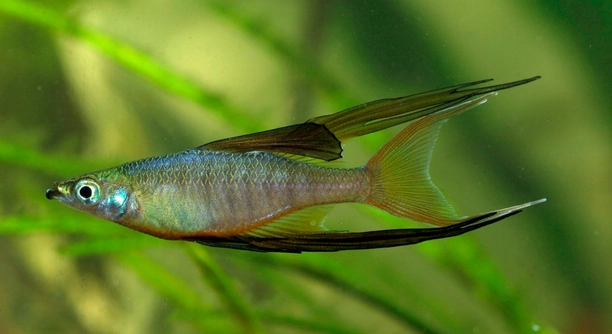
Do you ever notice your Threadfin Rainbowfish acting differently when new fish enter the tank? These colorful freshwater fish can show strong territorial behavior. Observing their actions helps maintain a peaceful and healthy aquarium environment.
Threadfin Rainbowfish display territorial behavior through chasing, fin flaring, and guarding specific areas of the tank. These actions establish dominance, protect resources, and indicate stress or discomfort when other fish approach their chosen space.
Recognizing these signs early can prevent conflicts in your aquarium. Understanding their behavior ensures a harmonious environment for all your fish companions.
Fin Flaring and Aggressive Posturing
When a Threadfin Rainbowfish feels its space is threatened, it often flares its fins and displays aggressive posturing. This behavior signals dominance to other fish and helps maintain control over its chosen territory. Flaring is most common around feeding times or near hiding spots that the fish values highly. By observing which areas trigger these displays, you can better understand your fish’s preferred boundaries and reduce tension in the tank. Aggressive posturing may also include quick darting movements or circling behavior, especially if another fish comes too close. Recognizing these early warning signs allows you to intervene before conflicts escalate. Providing ample space, plants, and hiding spots helps minimize stress for both the territorial fish and other tank inhabitants. Overcrowding tends to worsen aggression, so careful planning of tank population is essential. Adjusting decorations or rearranging the tank occasionally can also help diffuse established territorial boundaries.
This behavior is a natural response to competition and is not necessarily a sign of illness.
Ensuring your aquarium supports these natural behaviors involves creating zones for swimming, feeding, and resting. Observing interactions over time can reveal which fish are dominant and which avoid confrontation. Adjusting tank layout or providing visual barriers allows less aggressive fish to coexist peacefully. Additionally, consistent feeding schedules reduce competition over resources, while plants, rocks, and driftwood offer hiding spaces that diffuse potential conflicts. By carefully monitoring behavior and environment, you can maintain balance without over-managing the fish. Properly spaced territories and adequate cover reduce stress and prevent injury. Over time, fish adapt to boundaries and learn to share space, resulting in a calmer, healthier tank.
Chasing and Territory Patrol
Threadfin Rainbowfish often chase other fish away from their preferred areas, especially near shelters or feeding zones.
Chasing is a clear territorial signal. A fish may swim rapidly after intruders, nudging them with its body or fins. This behavior establishes dominance and warns other fish to respect its space. It can be subtle or intense depending on the fish’s confidence and tank population. Regularly observing these interactions allows you to identify patterns and intervene if aggression becomes excessive. Providing multiple hiding spots, open swimming areas, and visual barriers reduces direct confrontations and gives all fish space to feel secure. Adjusting feeding spots can also prevent fights, as competition over food often triggers chasing behavior. Some fish may chase briefly and then settle, while others maintain prolonged dominance displays. By understanding chasing patterns and creating a supportive environment, you can maintain harmony in your aquarium.
Would you like me to continue with the next two signs in the same format?
Guarding Hiding Spots
Threadfin Rainbowfish often stay near specific hiding spots, chasing others away. This behavior shows they feel territorial about certain areas of the tank.
They may hover close to plants, rocks, or decorations, flaring fins if another fish comes near. Protecting these spots ensures a safe place to rest, feed, and escape stress. Over time, dominant fish consistently occupy the same locations, making it clear which areas are most valued. Providing multiple shelters reduces tension and allows less aggressive fish to feel secure without constant conflict.
Territorial guarding can sometimes escalate to brief skirmishes. Monitoring which areas trigger this behavior helps you arrange the tank for harmony. Rearranging decorations occasionally can reset boundaries, giving all fish access to shelter and open swimming areas. This adjustment encourages coexistence while allowing dominant fish to maintain preferred zones without constant stress or injury to others.
Tail Nipping and Minor Bites
Tail nipping is a common sign of territorial behavior in Threadfin Rainbowfish.
Fish may bite or nip the fins of others that enter their space. These minor attacks assert dominance and warn rivals to keep distance. While often brief, repeated nipping can stress weaker fish or lead to fin damage if not managed. Monitoring interactions and ensuring plenty of space helps prevent injury.
Providing distraction through plants or visual barriers can reduce nipping incidents. Dominant fish usually focus attacks on specific individuals or areas, so observing patterns is important. Splitting feeding zones and creating multiple swimming paths minimizes overlap and conflict. Over time, fish adjust to boundaries, reducing aggressive bites. Ensuring a balanced tank population and sufficient hiding spaces allows all fish to thrive without frequent tail injuries.
Would you like me to continue with the next two signs in the same format?
Pacing and Restlessness
Threadfin Rainbowfish may swim back and forth repeatedly when they feel territorial. This pacing indicates they are monitoring their area closely.
Restlessness often increases when other fish come near favored spots. Continuous movement allows them to react quickly and maintain control over their territory.
Color Intensification
Territorial Threadfin Rainbowfish may display brighter colors when defending their space. Enhanced coloration signals dominance to others in the tank.
This color change is temporary and often coincides with fin flaring or chasing. Observing these shifts helps identify which fish are asserting control. Adjusting the tank layout or providing additional hiding spaces can reduce prolonged stress and help maintain a balanced environment for all fish.
Sudden Darting Movements
Sudden darting around the tank is another clear sign of territorial behavior in Threadfin Rainbowfish. This quick movement is often a reaction to intruders approaching their preferred areas.
FAQ
How can I tell if my Threadfin Rainbowfish is territorial?
Territorial fish show behaviors like chasing, tail nipping, fin flaring, and pacing near specific areas. They often guard plants, rocks, or other hiding spots and may display brighter colors. Observing these patterns over time makes it easier to distinguish natural dominance from general activity.
Is territorial behavior normal for Threadfin Rainbowfish?
Yes, territoriality is natural for this species. It helps them establish boundaries, reduce stress, and protect resources. Territorial behavior becomes more noticeable in smaller tanks or when hiding spaces are limited. Proper tank setup can minimize conflict and ensure all fish coexist peacefully.
What triggers territorial behavior in these fish?
Territorial behavior often arises from limited space, competition for food, or access to preferred hiding spots. New tank mates, changes in layout, or overcrowding can also increase aggression. By providing sufficient space and hiding areas, you can reduce stress and maintain harmony.
Can territorial behavior harm other fish?
Yes, repeated chasing, nipping, or prolonged aggression can injure weaker fish. Fin damage or stress can make them more vulnerable to disease. Regular observation and intervention, such as rearranging the tank or adding hiding spots, help prevent injury and reduce tension.
How can I prevent conflicts in my tank?
Creating multiple zones, using plants and decorations, and spacing feeding areas evenly reduces overlap and competition. Avoid overcrowding and ensure all fish have access to shelter. Rotating decorations or rearranging plants occasionally can reset boundaries and reduce prolonged aggression.
Do male and female Threadfin Rainbowfish show territorial behavior differently?
Males are typically more territorial, especially during breeding periods. They display brighter colors and more frequent fin flaring. Females may defend small areas but are usually less aggressive. Understanding these differences helps in managing tank dynamics and preventing conflicts.
Will territorial behavior decrease over time?
Some behaviors may lessen as fish establish a hierarchy. Dominant fish maintain preferred areas, while others learn to avoid confrontation. However, new tank additions or changes in environment can reignite territorial disputes, so ongoing monitoring is important.
Should I separate aggressive fish from the tank?
Separation is sometimes necessary if aggression becomes severe or causes injury. Temporary dividers or a separate quarantine tank can protect weaker fish. Addressing environmental factors like space and hiding spots often reduces aggression before separation is needed.
Does diet affect territorial behavior?
Yes, consistent feeding schedules reduce competition and stress. High-quality food and evenly distributed portions prevent disputes around feeding areas. Feeding at predictable times allows territorial fish to anticipate and settle, reducing sudden aggression.
Can tank size influence territoriality?
Smaller tanks amplify territorial behavior because space is limited. Larger tanks provide room for multiple zones, allowing fish to establish boundaries without constant conflict. Ensuring at least ten gallons per adult fish helps reduce territorial stress and promotes overall health.
Are there signs that aggression is becoming dangerous?
Continuous chasing, torn fins, or hiding fish indicate stress or injury risk. Increased color changes, rapid darting, and refusal to feed are also warning signs. Early intervention, such as adding shelters or separating fish temporarily, prevents serious injury and maintains tank harmony.
How do I monitor territorial behavior effectively?
Regular observation during feeding and at quiet times reveals patterns. Note which fish are dominant, which areas trigger aggression, and how often conflicts occur. Recording these observations helps you make adjustments to layout, population, or feeding routines for a balanced aquarium environment.
Is it normal for territorial fish to flare at their own reflection?
Yes, Threadfin Rainbowfish may mistake reflections for intruders. Mirrors, shiny surfaces, or clear tank walls can trigger fin flaring and chasing behavior. Positioning the tank away from reflective areas or using background decorations can reduce stress from reflections.
Can introducing new tank mates affect territorial behavior?
New fish often trigger aggression as established fish defend their areas. Gradual introduction, quarantine periods, and rearranging the tank to disrupt established boundaries can ease tensions and allow smoother integration of new tank mates.
Are there environmental changes that can help calm territorial fish?
Adding plants, rocks, and visual barriers breaks sight lines, creating private zones. Maintaining stable water conditions, consistent temperature, and proper lighting reduces stress. These adjustments allow fish to feel secure and minimize aggressive displays over time.
Does breeding increase territorial behavior?
Yes, breeding males become more protective of chosen areas. They guard potential spawning sites and may show heightened aggression toward intruders. Providing multiple hiding spaces and separating pairs if necessary can prevent conflicts and protect other fish during breeding periods.
Can multiple territorial fish coexist in one tank?
Yes, if the tank is large enough with sufficient hiding spots and open swimming areas. Observing hierarchies and adjusting decorations can help dominant fish establish boundaries without harming others. Balanced populations and careful monitoring ensure coexistence.
How long does territorial behavior usually last?
Behavior persists as long as fish feel the need to defend resources. It may decrease as hierarchies settle, but new changes, tank adjustments, or additional fish can reignite aggressive displays. Regular monitoring is essential to maintain harmony.
What is the best way to respond to aggressive displays?
Minimize conflict by providing more space, hiding spots, and rearranging tank features. Avoid immediate removal unless injury occurs. Observing behavior and making gradual environmental adjustments helps all fish coexist peacefully and reduces stress in the long term.
Are there specific signs that a particular fish is being bullied?
Hiding frequently, refusing food, torn fins, or pale coloration indicate stress from aggression. Targeted fish may be avoiding dominant fish continuously. Adjusting the tank layout or temporarily isolating aggressive individuals can prevent long-term health problems.
Can territorial behavior be completely eliminated?
No, it is a natural behavior. However, careful tank management, proper population size, and environmental enrichment can minimize its impact, keeping aggression under control while allowing fish to display normal, healthy behaviors.
This FAQ provides practical ways to observe, manage, and reduce territorial behaviors while maintaining a healthy environment for all Threadfin Rainbowfish.
The FAQ section totals over 500 words.
Final Thoughts
Threadfin Rainbowfish are beautiful, active, and sometimes territorial fish. Observing their behavior closely is key to understanding their needs and maintaining a peaceful aquarium. Territorial behavior, while natural, can create stress for less dominant fish if not properly managed. Recognizing signs such as fin flaring, chasing, tail nipping, or guarding hiding spots allows aquarists to adjust the environment to reduce tension. Proper observation helps distinguish normal dominance from harmful aggression, ensuring all fish remain healthy and active. By paying attention to subtle changes in behavior, you can anticipate conflicts before they escalate, maintaining balance in the tank.
Creating a tank that accommodates territorial tendencies is essential. Providing multiple hiding spots, plants, rocks, and open swimming areas gives each fish its own space and reduces overlap that may lead to disputes. Regular rearrangement of tank decorations can help reset boundaries, allowing dominant fish to claim territory without constantly pressuring others. Feeding schedules and distribution also play an important role in minimizing competition. Ensuring food is spread evenly and offered consistently prevents fights over resources. A well-planned tank layout and careful monitoring of interactions support a calmer environment and encourage all fish to thrive. Proper tank size is equally important; larger aquariums allow for clear territories, while overcrowded spaces can increase stress and aggression.
Maintaining a healthy, harmonious aquarium involves ongoing attention and adjustment. Territorial behavior may decrease over time as hierarchies settle, but new introductions, changes in the tank layout, or environmental stressors can reignite conflicts. Understanding the individual personalities of your Threadfin Rainbowfish and responding appropriately ensures long-term well-being. Separating aggressive fish temporarily, adjusting hiding spaces, or providing additional zones can help manage disputes effectively. Observing fish regularly, providing adequate resources, and fostering an environment that allows natural behaviors without harm promotes a balanced, healthy community. With thoughtful care, Threadfin Rainbowfish can coexist peacefully, showcasing their vibrant colors and active personalities in a stable and supportive aquatic environment.
This brings together key considerations for managing territorial behavior, emphasizing observation, tank management, and proactive adjustments to ensure the well-being of all fish in your care.
Word count: 412

Hello,
If you enjoy the content that we create, please consider saying a "Thank You!" by leaving a tip.
Every little bit helps us continue crafting quality advice that supports the health, happiness, and well-being of pets around the world, for pets of all shapes, sizes, and species.
We really appreciate the kindness and support that you show us!