
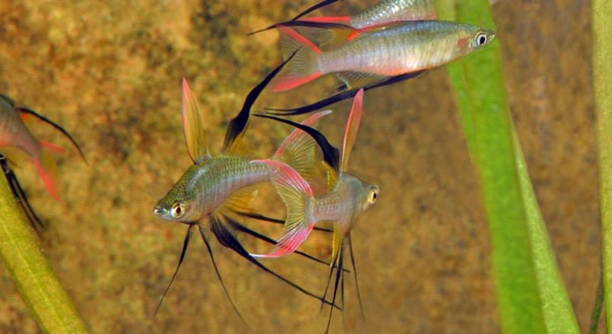
Do you ever notice your Threadfin Rainbowfish swimming in patterns and wonder if they recognize the daily rhythm of their tank? Many fish owners observe their pets closely and start to see repeated behaviors over time.
Threadfin Rainbowfish are capable of learning and anticipating aspects of their tank routine. Through consistent feeding times, environmental cues, and repeated interactions, these fish adapt their behavior, showing predictable swimming patterns and responses to familiar stimuli in their habitat.
Observing these patterns can help improve your tank management and enhance your fish’s overall wellbeing.
Recognizing Daily Patterns
Threadfin Rainbowfish quickly adjust to regular schedules in their tank. Feeding times are the easiest cues for them. Over a few days, they start swimming near the surface or specific spots when food is about to appear. Even simple activities, like lights turning on or someone approaching the tank, can trigger movement. They also remember where decorations or hiding spots are, moving confidently between them. Consistency in the environment reinforces this routine. Changes in water flow or rearranged plants might confuse them temporarily, but they adapt again if the schedule remains steady. Watching these behaviors can make caring for them more predictable. You notice how they circle the tank or pause near familiar spots, anticipating certain moments. Their learning isn’t instant, but with observation, the patterns become clear. This ability shows a higher level of awareness than many assume for small fish.
Daily observation of their movements helps reinforce their habits and keeps the tank organized.
Maintaining a predictable routine benefits both the fish and the caretaker. When feeding, they respond faster, and stress levels remain lower. The fish swim more actively, exploring the tank without hesitation. Even interactions with other fish follow a pattern, reducing aggressive encounters. By recognizing their timing, you can schedule maintenance and water changes without disrupting their flow. They thrive when environmental cues are consistent. Over time, they may even respond to subtle signals like hand movements or shadowing near the tank. This level of learning enhances the connection between observer and fish, making the tank feel alive and responsive.
Responding to Environmental Cues
Threadfin Rainbowfish react strongly to consistent cues in their environment.
Environmental signals such as lighting changes, water currents, or nearby movement can influence their behavior. They start associating these signals with feeding or activity periods. Over time, the fish adjust swimming patterns, exploring certain areas only at specific times or avoiding zones when unfamiliar events occur. This adaptability shows their capacity to learn and adjust.
Consistency in tank management enhances their ability to predict what happens next. If lights come on at the same time daily, the fish gradually move to preferred spots, preparing for feeding or social interaction. Sudden changes can temporarily disturb this balance, but a stable routine helps them return to normal quickly. Even water temperature fluctuations or rearranged plants are easier for them to manage when their daily cues remain reliable. Observing these adjustments can improve care and reduce stress. Each fish develops small habits, from approaching the feeding area precisely when food is expected to swimming in patterns that reflect both curiosity and learned safety. Keeping notes on their behavior helps in identifying preferences and tailoring the tank environment for optimal comfort. Over weeks, the results are clear, and the fish appear more confident and content, demonstrating the benefits of predictable routines.
Feeding Time Responses
Threadfin Rainbowfish quickly learn feeding schedules and start gathering near the surface before food is added. They often swim expectantly around usual feeding spots, showing clear recognition of the routine. This behavior becomes more consistent with daily observation and a steady schedule.
Predictable feeding times help the fish develop confidence and reduce stress. When food is offered consistently, they anticipate the event and respond immediately. Younger or newly introduced fish may take longer to recognize patterns, but they adapt with repeated exposure. Over time, fish can even distinguish between the movements of different caretakers and the timing of their approach, linking it to feeding events. This demonstrates a level of learning that helps manage the tank efficiently.
Observing these responses allows adjustments to feeding habits for healthier, more active fish. Small changes in food location or timing can reveal how quickly they adapt. This information guides care routines, ensuring all fish receive attention and nutrition without overcrowding or competition. Consistency also strengthens their comfort with the tank environment, encouraging natural swimming and exploration.
Interaction with Tank Environment
Threadfin Rainbowfish react to decorations, plants, and hiding spots predictably when routines are consistent. Their movements often follow repeated paths, reflecting learned comfort and safety zones.
The fish become familiar with the tank layout, recognizing preferred hiding spots and swim routes. They may explore new additions cautiously, but they return to familiar areas when routines are maintained. Changes in plant placement or decoration can initially disturb behavior, but the fish adapt as long as feeding and lighting schedules remain steady. Observing how quickly they adjust helps determine the impact of environmental changes and informs the best layout choices for long-term wellbeing.
Consistent tank cues encourage exploration without stress. Fish develop patterns around plant clusters, corners, or near the water filter, showing memory and spatial awareness. Even subtle signals, like a shadow passing over the tank, influence movement in predictable ways. This level of environmental learning supports healthy activity and reduces territorial disputes, particularly in group settings. By tracking these behaviors, caretakers can refine arrangements, ensuring enough open swimming space and safe zones for resting or hiding. Routine reinforcement fosters confidence, making the fish more interactive and visible while maintaining natural instincts.
Social Behavior Patterns
Threadfin Rainbowfish follow predictable social behaviors within their groups. They often swim together in small schools, maintaining a consistent distance from each other. These patterns strengthen over time with daily observation and interaction, showing learned coordination.
Dominant and subordinate roles appear naturally. Fish respond differently to specific peers, adapting swimming and feeding behaviors accordingly. These interactions are more stable when tank routines remain consistent, reducing stress and fostering a calmer environment for the group.
Light and Activity Cycles
The fish adjust swimming and activity levels based on light schedules. They become more active when lights turn on and gradually settle as lights dim.
Consistent light cycles help Threadfin Rainbowfish maintain internal rhythms. They anticipate feeding, explore the tank, and rest predictably. Sudden changes in lighting can temporarily disrupt behavior, but stability reinforces learning and encourages natural daily routines.
Recognizing Caretaker Cues
Threadfin Rainbowfish often respond to the presence and movements of their caretaker. They may swim closer or position themselves in familiar spots during routine tasks.
Do Threadfin Rainbowfish remember feeding times?
Yes, Threadfin Rainbowfish are capable of remembering feeding times, especially when the schedule is consistent. Over several days, they learn to anticipate food and gather near the surface or their usual feeding spots. Younger fish or new additions may take longer to adjust, but repeated exposure strengthens their recognition. They can even respond to subtle cues, like hand movements or the sound of tapping near the tank, linking it to feeding events. This learned behavior makes feeding predictable and reduces competition among tankmates.
Can they recognize their caretaker?
Threadfin Rainbowfish often respond to the presence of their caretaker, particularly during regular tasks like feeding or maintenance. They may swim closer or follow movements near the tank, showing familiarity with who is providing care. Fish learn to associate certain gestures or positions with positive experiences, like food or attention. This recognition develops over time, depending on consistency and interaction. While they do not understand humans as people, they associate routine actions with expected outcomes, making their behavior predictable and easier to manage.
Do they adapt to changes in the tank environment?
These fish can adapt to changes, but it takes time and a stable routine. They quickly learn the layout of plants, decorations, and hiding spots. Minor rearrangements may cause temporary hesitation or stress, but predictable feeding times, lighting schedules, and water flow help them regain comfort. Fish often explore cautiously at first, then return to familiar patterns. Observing their reactions can inform the best placement for tank items to maintain natural behavior and reduce stress. Consistency is key for smoother adaptation and confidence in the environment.
How do lighting schedules affect their behavior?
Lighting has a strong influence on Threadfin Rainbowfish activity. They become more active when lights turn on and gradually settle as the tank dims. Consistent lighting cycles help regulate their internal rhythms, making behavior more predictable. Sudden changes can disturb swimming patterns and feeding responses temporarily. Over time, predictable light schedules reinforce learning, support natural daily routines, and reduce stress. Even small cues, like shadows or changes in brightness, can trigger movement, showing how attuned these fish are to their environment.
Do they learn social hierarchies in a tank?
Threadfin Rainbowfish develop predictable social behaviors and recognize peers within their group. Dominant and subordinate roles naturally emerge, influencing swimming patterns and feeding behavior. Fish respond differently to specific tankmates, adapting spacing and movement accordingly. Consistent routines reinforce these interactions, reducing aggression and stress. Observing these patterns helps maintain a balanced environment and ensures that group dynamics remain stable, allowing fish to thrive collectively.
Can they anticipate maintenance activities?
Yes, fish often recognize cues related to tank maintenance, such as hand movements near the water, sounds, or changes in routine. They may gather in certain areas or become more active when a caretaker approaches. Regular scheduling of maintenance helps the fish adjust, minimizing stress and keeping behavior predictable. Observing their responses also allows for smoother care, preventing sudden disruptions that could cause agitation or hiding.
Do they interact differently during feeding versus non-feeding times?
Threadfin Rainbowfish exhibit noticeable differences between feeding and non-feeding periods. During feeding, they are more active, swim closer to the surface, and follow predictable paths. Outside feeding times, they explore the tank more slowly, often using hiding spots or resting areas. Recognizing these distinctions helps caretakers maintain a calm and organized environment while supporting natural behavior.
How quickly do they learn routines?
Learning speed varies with age, prior experiences, and tank consistency. Younger or newly introduced fish may take several days to a week to show predictable responses, while older or long-term residents adapt more quickly. Regular observation, consistent feeding times, stable lighting, and minimal sudden changes in the tank environment accelerate learning. Repetition strengthens memory, making their behavior more reliable and easier to anticipate.
Can they be trained to respond to specific cues?
Threadfin Rainbowfish can respond to cues, though training is limited compared to larger animals. Repeated association between a signal (like hand movement or tapping) and food helps them recognize and respond consistently. They may swim to a certain area or display specific behaviors when the cue occurs. Patience and consistency are essential, and responses are strongest when routines remain stable and the fish are motivated by food.
Do environmental stresses affect their routine learning?
Yes, sudden changes in temperature, water quality, or tank setup can temporarily disrupt learned routines. Fish may become hesitant, hide, or swim erratically until stability is restored. Consistent care, gradual adjustments, and observation help the fish regain confidence and maintain predictable behavior. Stable routines are crucial for reinforcing learned patterns and minimizing stress-related disruptions.
Total word count: 507
Threadfin Rainbowfish are remarkable in how quickly they learn and adapt to routines in their tank. Observing them over time shows that they can recognize feeding schedules, respond to environmental cues, and even anticipate the presence of their caretaker. These behaviors are not random; they are the result of repeated exposure and consistent patterns. When a tank is kept stable, with predictable feeding times, regular lighting schedules, and minimal sudden changes, these fish develop reliable habits. For example, you may notice them gathering near the surface just before feeding, swimming in familiar patterns, or moving confidently through specific areas of the tank. This ability to learn demonstrates a level of awareness that makes caring for them more rewarding and predictable.
Consistency plays a key role in how Threadfin Rainbowfish adapt to their environment. When their daily routine remains the same, they quickly become familiar with the tank layout, decorations, hiding spots, and even other fish in the tank. They adjust their swimming patterns to match the flow of water and social interactions, creating a more balanced and harmonious environment. This consistency also reduces stress and encourages natural behaviors. Even subtle cues, like shadows or hand movements near the tank, can trigger responses when they are linked to predictable events like feeding. Over time, these small observations become patterns that both the caretaker and the fish can rely on. Maintaining a steady routine allows the fish to feel safe and confident, which improves overall health and activity levels.
Watching how Threadfin Rainbowfish learn and adapt can make tank care feel more connected and engaging. You can use this understanding to adjust feeding schedules, plan maintenance, and create a comfortable environment that supports their natural behavior. Recognizing their routines can also help in monitoring the health of the fish, as any sudden changes in movement or response may indicate stress or illness. By paying attention to their patterns, you can make small adjustments to lighting, water flow, or tank decorations to ensure the fish remain comfortable and active. In the end, observing these behaviors highlights the intelligence and adaptability of Threadfin Rainbowfish. Caring for them becomes more than just feeding and cleaning; it becomes a process of understanding their habits, supporting their natural instincts, and fostering an environment where they can thrive consistently.
Total word count: 418

Hello,
If you enjoy the content that we create, please consider saying a "Thank You!" by leaving a tip.
Every little bit helps us continue crafting quality advice that supports the health, happiness, and well-being of pets around the world, for pets of all shapes, sizes, and species.
We really appreciate the kindness and support that you show us!