
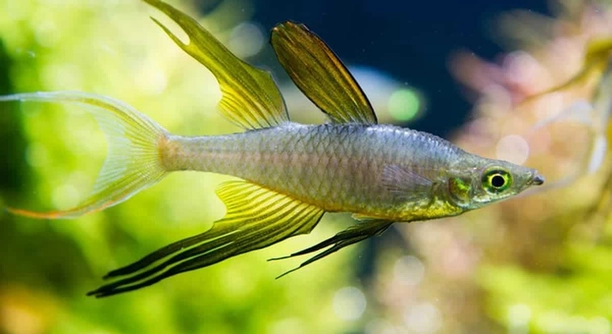
Have you ever watched your Threadfin Rainbowfish swimming gracefully and wondered about their daily habits? These small, colorful fish bring life to any aquarium, often displaying behaviors that hint at their intelligence and awareness.
Threadfin Rainbowfish are capable of recognizing feeding routines and can anticipate food at certain times. Their behavior reflects learned patterns, as they associate environmental cues, human presence, and specific times with feeding, demonstrating a level of conditioned response.
Observing their reactions during feeding can reveal fascinating insights into their behavior and interactions within the aquarium environment.
How Threadfin Rainbowfish Recognize Feeding Times
Threadfin Rainbowfish often learn feeding schedules through repetition and environmental cues. Over time, they start noticing patterns like the time of day, lighting changes, and even your approach to the tank. This recognition isn’t just instinctive—it’s learned behavior. Many aquarists notice their fish swimming closer to the surface or following predictable routes when mealtime approaches. Their reactions show that these fish are observant and can associate certain signals with food. Some owners report their fish even react to the sound of a food container being opened. It’s fascinating to see how consistent feeding routines influence their daily activity. Regular feeding schedules not only help them recognize meal times but also improve their overall comfort and reduce stress in the tank. By observing these behaviors, you can adjust feeding practices to keep your fish healthy, engaged, and active. Consistency plays a key role in maintaining a balanced aquarium environment.
Feeding routines help Threadfin Rainbowfish feel secure and reduce erratic swimming behavior, making them more predictable and easier to care for.
Watching their responses can be rewarding. Noticing how they react to subtle cues gives insight into their intelligence and daily patterns, enhancing your connection with their behavior.
Signs Your Rainbowfish Know Feeding Time
You may notice your fish gathering near the feeding area as you approach the tank. Their alertness increases around routine feeding times, and they may follow familiar swimming patterns.
This anticipation can sometimes result in a more lively tank atmosphere. Fish may compete lightly for space near the surface or show subtle excitement when food is visible. It also encourages them to eat consistently, which helps maintain good health. The fish develop a sense of timing, learning the exact moments when food becomes available. Observing these patterns allows you to adjust portions and feeding frequency effectively. Over time, they may even begin responding to your movements, such as tapping on the tank or moving near the food storage area, demonstrating memory and recognition skills. This awareness also reduces stress because they know when to expect food, preventing unnecessary searching or aggressive behavior. Understanding these signs can help in planning a balanced diet and managing tank dynamics efficiently. Regular observation reinforces the bond between owner and fish while ensuring proper care.
Feeding Habits and Timing
Threadfin Rainbowfish usually eat small amounts multiple times a day. Their digestive system works best with regular, consistent feeding rather than large, infrequent meals.
Feeding them small portions helps prevent leftover food from polluting the tank and keeps water quality high. Overfeeding can lead to obesity and stress for the fish, so spacing meals throughout the day is ideal. Many owners notice their fish respond quickly at the usual feeding times, showing alertness and faster swimming. Observing how they react helps fine-tune portions and schedule, ensuring that all fish get enough food without waste. Consistent timing also encourages predictable behaviors and reduces tension in the tank.
Some Threadfin Rainbowfish even learn to anticipate the specific order of feeding if multiple species are present. They adjust their swimming patterns, sometimes waiting near areas where food is usually distributed. Recognizing these habits allows owners to plan feeding strategies, avoid overfeeding, and maintain a healthy aquarium ecosystem. Watching this behavior unfold is both practical and satisfying for anyone managing a tank.
Environmental Cues That Trigger Feeding Behavior
Lighting, tank noises, and human activity often signal feeding time. Fish can pick up subtle cues that indicate when food will appear.
Environmental factors strongly influence feeding behavior. Many aquarists report that fish become more active when room lights are turned on or when a familiar person approaches the tank. Sounds like tapping on the glass or opening a food container can trigger alertness and movement toward feeding areas. These cues reinforce learned behaviors, helping the fish associate certain actions with mealtime. Consistency in cues ensures the fish remain calm and confident, while irregular signals may create confusion or stress. Maintaining a predictable environment aids their health and overall routine.
Recognizing Feeding Patterns
Threadfin Rainbowfish often swim to the surface or specific areas when food is near. Their behavior becomes more predictable with consistent feeding schedules.
They may also follow familiar swimming routes, showing alertness as mealtime approaches. These patterns develop over time and indicate recognition of routine.
The Role of Memory in Feeding
These fish rely on short- and long-term memory to anticipate food. They remember times, locations, and cues associated with feeding. Memory helps them adjust swimming behaviors, reduce stress, and compete fairly for food. Observing their memory at work can help you provide consistent feeding practices, improving overall health and activity.
Adjusting Feeding Practices
Small, frequent meals maintain optimal health and water quality. Observing reactions ensures you feed the right amount.
FAQ
How often should I feed my Threadfin Rainbowfish?
Threadfin Rainbowfish do best with small meals two to three times a day. Feeding them consistently helps regulate their digestion and keeps them active. Overfeeding can lead to uneaten food, which can pollute the tank and affect water quality. Sticking to a routine ensures the fish get enough nutrition without causing stress. Observing their appetite during each feeding allows you to adjust portions as needed.
What types of food do Threadfin Rainbowfish prefer?
These fish enjoy a varied diet, including high-quality flake food, micro-pellets, and occasional live or frozen foods such as brine shrimp or daphnia. Offering variety supports overall health and coloration. Avoid feeding large amounts of one type repeatedly, as it can create nutrient imbalances. Mixing foods also encourages natural foraging behaviors, keeping the fish active and engaged. A balanced diet helps maintain their vibrant colors and reduces the risk of dietary deficiencies.
Can Threadfin Rainbowfish learn to recognize their owner?
Yes, they can associate you with feeding and respond to your presence. Over time, they may swim toward you or the feeding area when you approach the tank. This behavior shows that they are observant and capable of learning through repetition. Consistent routines and gentle interactions strengthen this recognition. Noticing these responses makes feeding time more engaging and helps you monitor fish health more effectively.
What signs indicate my fish know it’s feeding time?
Look for increased activity near the surface or specific areas where food is usually given. They may swim faster or follow predictable routes when you approach the tank. Subtle signs include alert posture, focused swimming, and grouping near the feeding spot. Recognizing these behaviors allows you to adjust feeding schedules and portions, ensuring all fish are fed properly. Observing these cues regularly also helps detect early signs of stress or health issues.
Is overfeeding a concern for Threadfin Rainbowfish?
Yes, overfeeding can lead to obesity, water contamination, and increased risk of disease. Uneaten food decomposes, raising ammonia levels in the tank. Feeding small, measured portions and observing fish behavior prevents these problems. Spacing meals throughout the day allows them to digest properly. Consistent monitoring ensures a healthy, balanced diet and minimizes the risk of water quality issues. Proper feeding practices contribute to a stable, stress-free aquarium environment.
Do environmental changes affect feeding behavior?
Yes, changes in lighting, tank location, or water conditions can influence when and how fish eat. Threadfin Rainbowfish respond to subtle cues like room noise, tank vibrations, or your movements near the aquarium. Maintaining a predictable environment helps them anticipate feeding and reduces stress. Gradual adjustments to conditions are preferable to sudden changes, which can disrupt their learned routines and make them hesitant to feed.
Can Threadfin Rainbowfish go without food for a day?
They can tolerate missing a single feeding without harm. Their digestive system is efficient, and skipping one meal won’t cause serious health issues. However, consistent feeding is essential for long-term growth, activity, and coloration. Avoid forming habits of skipping meals, as irregular feeding can stress them and disrupt established patterns.
How do I know if my fish are getting enough food?
Healthy fish are active, alert, and show bright coloration. They eat all portions within a few minutes and resume normal swimming afterward. Uneaten food or lethargic behavior may indicate overfeeding, underfeeding, or stress. Monitoring their response during feeding times ensures all fish get proper nutrition and helps maintain water quality. Adjusting portion size based on their behavior is key to sustaining health and activity.
Do Threadfin Rainbowfish prefer specific feeding times?
Morning and late afternoon are often ideal, aligning with their natural activity patterns. Regular timing encourages predictable behavior and reduces anxiety. Feeding at inconsistent times may confuse them and result in irregular activity. Observing their natural swimming patterns can help determine the most effective schedule for your aquarium, keeping them healthy and engaged throughout the day.
Can Threadfin Rainbowfish recognize different types of food?
Yes, they can distinguish between flakes, pellets, and live food based on texture, smell, and movement. They often show preference for live or moving foods, but a balanced mix is essential for proper nutrition. Observing which foods they prioritize can help you plan feeding strategies and ensure each fish receives a complete diet. Introducing new foods gradually allows them to adapt without stress.
This FAQ provides a comprehensive guide to feeding habits, recognition behaviors, and proper care for Threadfin Rainbowfish, helping maintain a healthy and active aquarium.
Word count: 522
Threadfin Rainbowfish are small but smart fish that respond well to consistent care. Their ability to recognize feeding times shows how observant and adaptable they are. By keeping a regular schedule, you help them feel safe and comfortable in their environment. They notice patterns, light changes, and even human presence, which means your actions can influence their behavior more than you might think. Feeding at the same times each day creates a predictable routine, reducing stress and keeping the fish more active and lively. Observing their reactions closely allows you to adjust the feeding portions and timing to suit their needs, ensuring they remain healthy. Over time, you can see subtle cues that indicate they are anticipating food, like swimming toward the surface or following familiar paths in the tank. These behaviors are a sign that they are learning and adapting to the environment you provide.
Providing a varied diet is just as important as timing. Threadfin Rainbowfish enjoy flakes, pellets, and occasional live or frozen foods. A balanced diet supports their health, bright coloration, and energy levels. Overfeeding or feeding the same food repeatedly can cause health issues and reduce water quality, so it’s important to measure portions carefully. Small, frequent meals work best because they match the fish’s natural feeding habits. When food is given in moderation, it prevents leftover food from decaying in the tank, which helps maintain a clean environment. Paying attention to their preferences and eating patterns can also help you notice early signs of illness or stress. When the fish show interest in food and swim actively, it’s a good indicator that they are thriving. Adjusting your feeding approach according to their behavior makes caring for them easier and more effective.
Learning about Threadfin Rainbowfish feeding behavior can make keeping an aquarium more rewarding. They are not just decorative fish—they are intelligent creatures that can recognize routines and respond to their environment. Observing their responses over time allows you to create a balanced schedule and maintain water quality while ensuring all fish are well-fed. Environmental cues, like lighting and movement near the tank, play a role in their anticipation, showing that they are highly aware of their surroundings. By maintaining consistency and offering a varied diet, you help the fish stay healthy, active, and colorful. Careful observation and routine adjustments provide insight into their behavior and needs, making feeding time more than just a task—it becomes an interaction that benefits both the fish and the person caring for them. Taking the time to understand these habits ensures that your aquarium remains a stable and enjoyable environment, supporting the fish’s well-being and giving you the satisfaction of seeing them thrive daily.
Word count: 412

Hello,
If you enjoy the content that we create, please consider saying a "Thank You!" by leaving a tip.
Every little bit helps us continue crafting quality advice that supports the health, happiness, and well-being of pets around the world, for pets of all shapes, sizes, and species.
We really appreciate the kindness and support that you show us!