
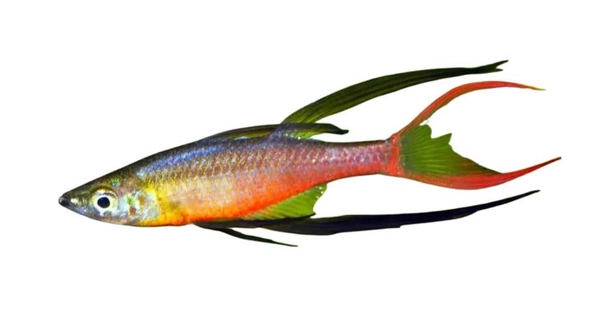
Do you ever notice your Threadfin Rainbowfish swimming unusually when the filter stops? These small, colorful fish rely on steady water flow, and any sudden change in their environment can alter their behavior. Observing them can be quite revealing.
When the filter shuts off, Threadfin Rainbowfish typically reduce their activity, stay closer to the surface, and may cluster near areas of residual oxygen. These responses are immediate survival behaviors to cope with decreased water circulation and oxygen levels.
Understanding these reactions can help you maintain a healthier aquarium and prevent stress-related problems in your fish. Proper care ensures their vibrant colors and lively behavior continue.
How Threadfin Rainbowfish React Immediately
When the filter shuts off, Threadfin Rainbowfish often display sudden behavioral changes. You might notice them swimming slower or gathering near the water surface where oxygen levels are slightly higher. Some may hover around areas with residual water flow from the filter, while others appear more tense or hesitant to move. These responses are natural as the fish try to adapt to reduced water circulation. Their gills may move faster as they take in more oxygen, and occasional quick darts across the tank can occur. Observing these signs early helps in addressing the situation before stress impacts their health. Maintaining stable tank conditions, even temporarily, can reduce these reactions.
The fish instinctively adjust to low-flow conditions by slowing down and clustering in oxygen-rich zones.
Monitoring their behavior closely allows you to understand which areas of the tank offer more comfort and ensures their safety until the filter is restored. Being proactive prevents long-term stress and promotes stable aquatic conditions.
Long-Term Effects of Filter Shutdown
Even short periods without proper filtration can affect Threadfin Rainbowfish over time. Reduced water circulation may lead to lower oxygen levels and accumulation of waste. Extended exposure can weaken their immune system and make them more prone to illness. Maintaining water quality is essential, and even temporary measures like aeration can help offset the impact.
Consistently poor filtration increases health risks and changes natural behaviors.
In addition to immediate reactions, prolonged filter downtime can lead to more noticeable long-term changes. Fish may develop sluggish swimming patterns, stay close to the surface for extended periods, or lose some of their vibrant coloration. Stress can also reduce feeding, and weakened fish are less able to compete for food, which can further impact their overall condition. Regular observation, cleaning, and backup aeration methods help maintain a safe environment. These steps prevent serious consequences and support the overall well-being of your Threadfin Rainbowfish, keeping them active and colorful even if the filter experiences occasional interruptions.
Managing Oxygen Levels
Using an air stone or small pump can help maintain oxygen levels when the filter is off. Placing it near the water surface ensures better circulation and prevents stagnation, keeping your Threadfin Rainbowfish comfortable during short interruptions.
Maintaining proper oxygen levels is crucial when the filter stops. Without sufficient flow, fish may struggle to breathe, leading to stress or rapid gill movement. An air stone distributes tiny bubbles, increasing oxygen exchange at the surface. Positioning it near areas where fish naturally gather ensures they receive adequate oxygen. Regularly monitoring dissolved oxygen with a simple test kit can help you adjust aeration if needed. Even brief periods without flow can be mitigated by this method, maintaining a safer environment.
Temporary adjustments to aeration can prevent long-term stress in your fish. Adding bubbles or gentle circulation ensures the tank remains livable. Observing fish responses to these measures helps you fine-tune placement and intensity, keeping them active and healthy until the filter is restored.
Feeding Adjustments During Filter Downtime
Reducing the amount of food during filter interruptions helps maintain water quality. Overfeeding can quickly deteriorate conditions and add stress to the fish.
During periods without filtration, leftover food can decompose and lower oxygen levels, creating an unsafe environment. Offering smaller portions reduces waste and keeps the water cleaner for longer. Feeding in intervals or skipping one feeding occasionally can prevent excessive buildup of uneaten food. It also encourages fish to remain more active in search of food, mimicking natural conditions. Carefully timing feedings around filter restarts ensures fish are not stressed while maintaining their routine.
Observing how Threadfin Rainbowfish react to smaller meals is important. They may become more alert or swim actively in search of food, which is a positive sign. Adjusting feeding habits temporarily safeguards both the health of your fish and the stability of the tank. It also helps prevent ammonia spikes and keeps the aquatic environment balanced until normal filtration resumes.
Observing Stress Signs
Threadfin Rainbowfish may show stress when the filter stops, including rapid gill movement, clamped fins, or erratic swimming. Recognizing these behaviors early helps you intervene before their health is compromised.
Maintaining a calm environment is key. Minimizing sudden movements near the tank reduces additional stress while the fish adapt to reduced circulation.
Temporary Water Flow Solutions
Using a battery-operated or portable pump can restore some water movement during filter downtime. This prevents stagnation and keeps fish active. It is a practical short-term solution, especially during power outages or maintenance periods, helping maintain overall water quality.
Regular Observation
Keeping a close eye on fish behavior allows you to notice subtle changes early. Regular checks help ensure interventions are effective and that your Threadfin Rainbowfish remain healthy.
FAQ
How long can Threadfin Rainbowfish survive without a filter?
Threadfin Rainbowfish can survive short periods without a filter, typically a few hours, if oxygen levels remain sufficient. Stress increases quickly if the water stagnates or becomes contaminated. Temporary aeration or a small air stone can help maintain oxygen until the filter is restored.
Will fish get sick if the filter stops for a day?
A single day without filtration is unlikely to cause immediate illness, but water quality can decline. Ammonia and nitrite levels may rise if waste accumulates. Regular monitoring and partial water changes after the filter is back on can prevent stress-related health problems.
Why do my fish gather near the surface when the filter stops?
They cluster near the surface because oxygen is higher there. Reduced water flow decreases oxygen availability in lower tank areas, so fish instinctively move to zones where breathing is easier, which is a natural survival response.
Can I use a sponge filter as a temporary solution?
Yes, sponge filters are effective for short-term use. They provide gentle water movement and biological filtration, which can help maintain water quality while the main filter is off. They are especially useful during maintenance or emergencies.
How do I reduce stress during filter downtime?
Minimize tank disturbances and lower feeding amounts to prevent extra waste. Adding temporary aeration and keeping lighting consistent can also reduce stress. Observing behavior closely allows you to notice early signs of strain, helping you act promptly.
Do fish eat less when the filter is off?
Some fish may eat less due to stress or changes in water movement. Adjusting feeding to smaller portions ensures leftover food does not pollute the tank. Maintaining a calm environment encourages normal feeding behavior as soon as conditions stabilize.
Is it safe to leave the filter off overnight?
Short overnight filter shutdowns are generally safe with temporary aeration. However, ensure dissolved oxygen is adequate and remove uneaten food to prevent ammonia buildup. Quick intervention in the morning helps restore normal water circulation and reduces potential stress.
What immediate signs indicate a problem without filtration?
Watch for rapid gill movement, clamped fins, erratic swimming, or fish staying near the surface. These signs indicate stress or low oxygen, and immediate steps like aeration or partial water movement can prevent serious consequences.
How can I maintain water quality temporarily?
Use an air stone or battery-operated pump to increase circulation and oxygen levels. Reducing feeding prevents excess waste accumulation. Partial water changes can also help maintain cleaner water and lower stress while the main filter is offline.
Are Threadfin Rainbowfish more sensitive to filter shutdown than other species?
Yes, these fish are active swimmers and rely on steady water flow. Sudden stops in filtration can stress them more than less active species. Observing their behavior carefully and providing temporary aeration can reduce the negative impact.
How quickly should I restore the filter?
Filters should be restored as soon as possible. Even short periods can stress the fish, so returning to normal circulation quickly prevents potential oxygen depletion and maintains water quality. Keeping backup equipment available can be helpful for emergencies.
Can live plants help during filter downtime?
Yes, live plants produce oxygen and absorb some waste, which can partially offset reduced filtration. Fast-growing species are most effective for short-term support, but they cannot fully replace mechanical or biological filtration for long periods.
How do I monitor water quality effectively?
Test kits for ammonia, nitrite, nitrate, and oxygen levels provide immediate feedback. Checking daily during filter downtime ensures early detection of issues. Observing fish behavior in combination with testing allows for quick adjustments to maintain a safe environment.
What preventive measures can I take for future filter failures?
Keep a backup air pump or sponge filter ready. Maintain extra water for quick changes if needed. Regularly clean the main filter and monitor water quality to reduce the risk of sudden problems. Establishing a routine ensures minimal stress during unexpected downtime.
Is it necessary to reduce lighting when the filter is off?
Reducing lighting can help reduce fish activity and oxygen consumption slightly, lowering stress. It also prevents excess algae growth, which may occur if water circulation is limited. This is a temporary measure and should return to normal once filtration resumes.
Can Threadfin Rainbowfish adapt to occasional filter interruptions?
Yes, with proper care and short durations, they can tolerate brief interruptions. Temporary aeration, reduced feeding, and close monitoring ensure they remain healthy and active despite brief changes in their environment.
How do I resume normal feeding after filter restoration?
Gradually return to regular feeding once the filter is back on and water quality is stable. Observe the fish to ensure normal appetite returns. This helps prevent overfeeding and keeps the tank environment balanced.
Are there long-term consequences of repeated filter shutdowns?
Repeated interruptions can stress fish, weaken their immune system, and impact growth and coloration. Consistently maintaining water quality and providing backup measures reduces the risk of long-term effects.
What is the best way to handle power outages affecting the filter?
Using battery-operated pumps or air stones, minimizing feeding, and monitoring fish behavior are effective temporary strategies. Quick restoration of filtration once power returns ensures water quality and reduces prolonged stress.
How can I tell if the water needs a partial change during downtime?
Check for cloudiness, odor, or accumulation of uneaten food and waste. If water appears compromised, a small partial water change helps maintain safe conditions without shocking the fish.
What precautions are necessary if I leave the house during filter maintenance?
Ensure temporary aeration and clean water are in place. Limit feeding before leaving and check that backup pumps are functional. This prevents issues if the filter is offline longer than expected.
Can I use chemical additives to support water quality during filter downtime?
Some additives can neutralize ammonia or nitrites temporarily, but they are not a substitute for proper filtration. Use sparingly and follow instructions carefully, prioritizing aeration and water changes whenever possible.
How often should I check on fish during filter downtime?
Observe at least a few times per hour initially, then regularly until the filter is restored. Watch for signs of stress and intervene quickly if needed, ensuring their safety.
Are smaller tanks more affected by filter shutdowns?
Yes, smaller tanks have less water volume and oxygen buffering capacity. Filtration interruptions impact them faster, making temporary aeration and careful monitoring more critical than in larger tanks.
What immediate steps should I take if fish appear distressed?
Increase aeration, remove uneaten food, and monitor closely. Partial water changes can help. Reducing lighting and limiting disturbances also reduces stress, keeping fish calmer until normal filtration is restored.
Can I keep multiple fish in the tank during filter downtime?
Yes, but monitor oxygen levels closely. Overcrowding increases stress and waste buildup, so temporary measures like aeration or spacing adjustments may be necessary to maintain safe conditions.
How do I prevent algae growth during filter interruptions?
Limit feeding, reduce lighting slightly, and consider partial water changes. Stagnant water encourages algae growth, so maintaining circulation and monitoring nutrient levels helps prevent rapid blooms.
Is it safe to leave an air stone running continuously during downtime?
Yes, running an air stone continuously maintains oxygen levels and water circulation. It provides a temporary solution while the filter is off and ensures fish remain active and comfortable.
Do Threadfin Rainbowfish behave differently at night without a filter?
They may remain closer to the surface or inactive, conserving energy when oxygen is lower. Observing night behavior helps you gauge overall stress and determine if additional aeration is needed.
How important is water temperature during filter shutdown?
Stable water temperature is crucial. Sudden changes can increase stress and oxygen demand. Avoid heaters or devices that fluctuate temperature dramatically during downtime to keep conditions steady.
Can temporary filter solutions handle long-term outages?
No, temporary solutions like air stones or sponge filters are short-term fixes. Long-term outages require proper filtration to maintain water quality and prevent serious health issues in Threadfin Rainbowfish.
How should I prepare for filter maintenance?
Plan ahead with backup aeration and clean water. Reduce feeding beforehand and monitor fish closely. This minimizes stress and ensures the fish remain safe while the filter is offline.
Are certain fish more resilient to filter stoppages?
Yes, less active or hardy species tolerate brief filter interruptions better than Threadfin Rainbowfish. Understanding each species’ tolerance helps you adjust care during temporary downtime.
What is the most effective combination of measures during downtime?
Temporary aeration, reduced feeding, partial water changes, and careful observation form an effective strategy. Combining these steps ensures oxygen levels remain sufficient and fish stay healthy until filtration resumes.
Can plants alone support fish during a filter shutdown?
Plants provide limited oxygen and nutrient absorption but cannot fully replace mechanical and biological filtration. They help slightly but must be combined with aeration or temporary pumps for safe short-term support.
How do I resume normal tank maintenance after filter downtime?
Once the filter is restored, return to regular cleaning, feeding, and monitoring. Test water parameters to ensure stability. Gradual resumption prevents shocking the fish and maintains a balanced environment.
Is there a difference in response between young and adult fish?
Younger fish may be more sensitive to low oxygen and stress, while adults tolerate brief downtime slightly better. Careful monitoring and temporary aeration help protect all age groups.
How can I reduce the risk of future filter-related stress?
Maintain backup aeration, monitor water quality consistently, and schedule regular filter maintenance. Preparing for unexpected interruptions ensures fish remain healthy and reduces stress during short-term issues.
Do fish need time to recover after the filter is restored?
Yes, fish may remain slightly stressed even after filtration resumes. Observing behavior, checking water parameters, and limiting feeding temporarily help them return to normal activity and appetite.
What signs indicate recovery is complete?
Normal swimming patterns, regular feeding, vibrant coloration, and calm behavior show that Threadfin Rainbowfish have recovered. Continued observation ensures long-term health is maintained.
Are there tools to make monitoring easier during downtime?
Dissolved oxygen meters, test kits for ammonia and nitrites, and timers for aeration devices make monitoring more precise. These tools help maintain a safe environment until the filter is back online.
Can filter downtime affect breeding or fry?
Yes, reduced water quality and oxygen can stress breeding fish and impact fry survival. Temporary aeration, careful monitoring, and minimal disturbances help protect both adults and young.
How do I prioritize care steps during an unexpected filter failure?
First, restore oxygen through aeration. Second, reduce feeding and remove uneaten food. Third, monitor water quality and fish behavior. Acting in this order minimizes stress and maintains a safe environment.
Are there common mistakes to avoid during filter downtime?
Avoid overfeeding, unnecessary tank disturbances, and assuming plants alone can maintain water quality. Quick, thoughtful interventions prevent stress and potential illness in Threadfin Rainbowfish.
Can temporary measures replace a regular filter long-term?
No, they are only short-term solutions. Proper filtration is necessary for maintaining oxygen levels, removing waste, and supporting long-term health in Threadfin Rainbowfish.
How often should I test water after restoring the filter?
Daily testing for several days ensures ammonia, nitrite, and nitrate levels remain safe. Continued observation confirms fish are recovering and water quality is stable.
Are Threadfin Rainbowfish more active when aeration is added?
Yes, gentle aeration mimics normal water flow, encouraging swimming and feeding. It reduces stress and helps fish maintain natural behavior patterns until filtration is fully restored.
What is the safest way to resume normal tank operations after downtime?
Gradually return to regular feeding, cleaning, and water changes. Monitor fish closely for any lingering stress. Ensure the filter is functioning properly and water quality is stable before resuming normal routines.
How long should temporary measures remain in place?
Keep aeration, reduced feeding, and partial water changes until the filter is fully operational and water parameters are stable. Once conditions normalize, gradually return to standard care practices.
Can filter downtime impact fish coloration?
Stress from low oxygen or poor water quality may dull coloration temporarily. Maintaining aeration and water quality helps preserve the fish’s vibrant appearance during interruptions.
Are backup filters recommended?
Yes, having a backup filter or aeration device reduces risk during maintenance or emergencies. It ensures fish remain safe and water quality is maintained consistently.
How can I make temporary adjustments less stressful for fish?
Introduce changes gradually, maintain consistent lighting, and minimize disturbances. Gentle aeration and careful observation help Threadfin Rainbowfish adapt without excessive stress.
Do fish recognize changes in water flow?
Yes, Threadfin Rainbowfish are sensitive to flow. Sudden stops or starts can alter behavior, so gradual adjustments or temporary aeration help them adapt smoothly.
Is it better to move fish to another tank during filter issues?
Only if conditions in the current tank cannot be stabilized. Temporary aeration and careful observation are usually sufficient, and moving fish can add unnecessary stress.
How can I track recovery progress after filter restoration?
Monitor swimming patterns, feeding behavior, and coloration daily. Use test kits to track water parameters. Gradual improvement in these areas indicates successful recovery and stable conditions.
What final precautions ensure fish safety during unexpected filter interruptions?
Maintain oxygen levels, limit feeding, monitor behavior, and have temporary aeration ready. Acting quickly reduces stress and prevents long-term health issues in Threadfin Rainbowfish.
Are certain tank setups more resilient to filter downtime?
Larger tanks, well-planted aquariums, and setups with backup aeration tolerate brief filter interruptions better. These conditions buffer oxygen fluctuations and reduce stress compared to smaller or sparsely planted tanks.
Can stress from filter shutdowns affect fish lifespan?
Repeated or prolonged stress may shorten lifespan due to weakened immune systems and increased susceptibility to disease. Maintaining stable conditions and quick interventions mitigate these risks.
Do fish recover differently depending on tank size?
Yes, larger tanks dilute waste and maintain oxygen levels longer. Small tanks require faster intervention during filter downtime to prevent stress and maintain safe conditions.
How can I prevent ammonia spikes when the filter is off?
Reduce feeding, remove uneaten food promptly, and consider partial water changes. Temporary aeration also helps prevent oxygen depletion, minimizing the impact of ammonia accumulation.
Are some Threadfin Rainbowfish more resilient than others?
Individual tolerance varies. Active, healthy adults generally cope better with short filter interruptions, while juveniles or stressed fish may react more sensitively. Careful monitoring is essential for all fish.
Can adding oxygen tablets help during downtime?
Oxygen tablets provide short-term support but are not a replacement for proper aeration or filtration. They can be used in emergencies but should be combined with other temporary measures.
How important is tank cover during downtime?
A cover prevents excessive evaporation and reduces stress from environmental disturbances. It also helps maintain stable water temperature and conditions while the filter is off.
Should I keep monitoring after the filter is restored?
Yes, continue to watch fish behavior and test water parameters for several days. This ensures the tank fully stabilizes and fish return to normal activity without lingering stress.
Can temporary downtime affect social behavior?
Yes, stress may cause clustering, aggression, or hiding. Restoring normal flow and oxygen levels quickly helps fish resume regular social interactions and swimming patterns.
How do I ensure water circulation is even during temporary aeration?
Place air stones or pumps strategically in areas where fish gather and water tends to stagnate. Gentle, uniform flow reduces stress and maintains oxygen distribution effectively.
Are there tools to automate temporary measures?
Battery-operated pumps with timers, air stones, and oxygen meters can automate aeration and monitoring, reducing manual effort and ensuring consistent conditions during filter downtime.
Can temperature fluctuations worsen stress during filter failure?
Yes, unstable temperatures increase oxygen demand and stress. Keeping heaters stable or reducing sudden changes prevents added strain while filtration is offline.
How do I resume normal feeding routines safely?
Gradually return to standard feeding once water quality stabilizes. Observe fish for normal appetite and swimming behavior. Overfeeding too quickly can disrupt water balance and undo temporary precautions.
What final tip ensures safe filter maintenance in the future?
Always have backup aeration, monitor water quality regularly, and plan maintenance during periods when brief stress will be least impactful. These precautions safeguard Threadfin Rainbowfish and maintain tank stability.
Word count: 505
Final Thoughts
Threadfin Rainbowfish are active and colorful fish that depend on consistent water flow and proper filtration. When the filter stops, even for a short time, their behavior changes quickly. They may gather near the surface, move slower, or show signs of stress like rapid gill movement or clamped fins. These reactions are natural responses to lower oxygen levels and reduced circulation. Observing these behaviors closely allows you to take immediate steps to protect their health. Temporary measures such as adding an air stone, a small pump, or adjusting the lighting can help maintain oxygen levels and reduce stress. It is important to act quickly, as prolonged periods without proper filtration can have negative effects on both water quality and fish health.
Maintaining good water quality during filter downtime is essential. Even short interruptions can lead to the buildup of ammonia and nitrites, which are harmful to fish. Reducing feeding during these periods is a simple but effective way to prevent excess waste and maintain cleaner water. Partial water changes can also help keep conditions stable while the filter is offline. Regular observation is equally important, as it allows you to notice subtle changes in behavior that might indicate stress or oxygen deprivation. Small adjustments can make a significant difference in keeping Threadfin Rainbowfish healthy. Temporary aeration combined with careful monitoring provides a safe environment until normal filtration resumes.
Planning ahead for filter interruptions can prevent many problems. Keeping backup air pumps, sponge filters, or oxygen devices on hand ensures that temporary solutions are available when needed. Regular filter maintenance and monitoring water parameters reduce the likelihood of unexpected issues. Even with brief downtime, consistent attention to the tank helps fish maintain normal behavior, appetite, and coloration. By understanding the needs of Threadfin Rainbowfish and responding quickly to changes in their environment, you can minimize stress and maintain a stable, healthy aquarium. Taking these precautions ensures that your fish remain active, vibrant, and healthy, even during short periods when filtration is disrupted.
Word count: 407

Hello,
If you enjoy the content that we create, please consider saying a "Thank You!" by leaving a tip.
Every little bit helps us continue crafting quality advice that supports the health, happiness, and well-being of pets around the world, for pets of all shapes, sizes, and species.
We really appreciate the kindness and support that you show us!