
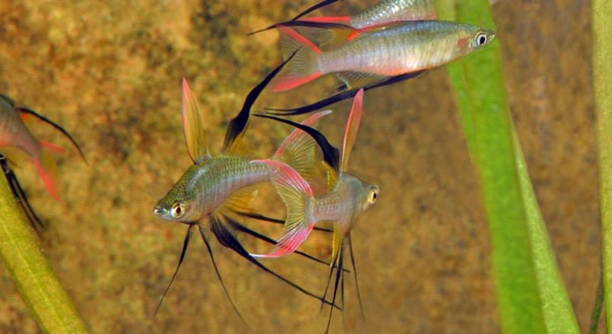
Do you ever find yourself arranging your aquarium and wondering which tank would best suit your threadfins? These fish are graceful swimmers, and their environment plays an important role in keeping them healthy and active.
Threadfins generally prefer deeper tanks with ample vertical space. A taller water column allows them to swim freely, exhibit natural behaviors, and reduces stress, whereas wider tanks may provide more horizontal area but do not support their vertical swimming needs as effectively.
Understanding the right tank setup will help your threadfins thrive and maintain a healthy lifestyle in your home aquarium. Proper care ensures both comfort and long-term well-being.
Why Depth Matters for Threadfins
Threadfins are naturally strong swimmers, and a tank’s depth directly affects their movement. Taller tanks allow them to swim up and down freely, which supports their exercise and overall health. In shallower or wider tanks, they often remain near the bottom, which can lead to reduced activity and stress over time. Depth also helps mimic their natural habitat, giving them a sense of security and comfort. Many aquarists notice that threadfins in deeper tanks display more natural schooling behavior, swim gracefully, and are less prone to hiding or sudden darting movements. Additionally, deeper water promotes better circulation and oxygen distribution, contributing to a healthier environment. While horizontal space is useful, threadfins rely on vertical movement for both exercise and play. Providing at least two feet of water depth allows them to move in ways that feel natural, enhancing their overall well-being. Depth is a key factor in creating a balanced tank environment for these fish.
Deeper tanks reduce stress and support more natural swimming patterns, helping threadfins remain healthy and active.
Providing adequate depth encourages natural behaviors, keeps them engaged, and ensures better long-term health. Observing these changes can improve your tank’s success.
Tank Width Considerations
Wider tanks give fish more room to spread out horizontally.
Although depth is crucial, width cannot be ignored. A wider tank prevents overcrowding and allows multiple threadfins to swim side by side without constantly bumping into each other. Horizontal space is particularly important when keeping groups, as threadfins often prefer company and tend to school. Narrow tanks, even if deep, can limit their lateral movement, making them feel confined. A tank that balances both depth and width creates an optimal environment, giving threadfins freedom to explore and interact naturally. Width also helps when adding decorations or hiding spaces, allowing fish to navigate without obstruction. However, width alone cannot replace the benefits of depth, and combining both elements ensures their swimming patterns remain natural and stress-free. Proper tank dimensions reduce the likelihood of aggression, enhance feeding efficiency, and contribute to long-term well-being. Choosing the right width alongside sufficient depth is essential for a thriving aquarium setup.
Filtration and Water Flow
Strong water circulation keeps threadfins active and healthy. They prefer moderate to strong flow that simulates their natural environment and helps maintain water quality. Proper filtration prevents waste buildup, reducing stress and potential illness.
Maintaining good filtration is critical for threadfins. These fish are sensitive to poor water quality, and a reliable filter keeps ammonia and nitrates at safe levels. Strong flow encourages swimming, which is essential for their muscle development and overall vitality. Regular filter maintenance ensures consistent water quality, preventing sudden spikes that could harm them. Additionally, water movement helps distribute oxygen evenly, keeping all areas of the tank habitable. A combination of mechanical and biological filtration works best to handle both debris and chemical balance. Observing your threadfins’ behavior can indicate whether the flow is adequate.
Overly stagnant water can lead to lethargy and stress, while turbulent conditions may exhaust them. Balancing flow and filter efficiency is key to promoting natural activity and sustaining a healthy aquatic environment. A well-designed system supports both their physical needs and long-term well-being.
Tank Decorations and Open Space
Threadfins need a mix of open areas and subtle hiding spots for comfort. Too many decorations can restrict swimming space.
Providing open swimming areas allows threadfins to move freely and reduces stress. Simple decorations, like smooth rocks or low-profile plants, offer refuge without obstructing movement. Avoid tall, bulky items that block vertical swimming. Open space encourages schooling behavior and natural exploration, while well-placed hiding spots give them security. Arranging the tank with balance in mind ensures they feel safe yet have enough room to exercise. This approach enhances their physical and mental health while maintaining visual appeal. Observing their activity helps adjust placement for optimal comfort.
Lighting and Visibility
Threadfins prefer moderate lighting that mimics natural daylight without being harsh. Bright lights can stress them, while dim lighting helps them feel secure and encourages normal activity.
Consistent lighting supports their feeding patterns and overall health. Gradual light transitions reduce sudden stress and maintain a stable environment. Observing how they react to different lighting levels helps determine the best setup for your tank.
Feeding Space
Providing enough room during feeding prevents competition and ensures all threadfins eat properly. Crowded feeding areas can lead to stress and aggression.
Ensuring each fish has access to food supports even growth and reduces the risk of malnutrition. Using multiple feeding spots or spreading food across the tank encourages natural foraging behaviors.
Water Temperature
Threadfins thrive in warm, stable temperatures. Sudden fluctuations can cause stress and weaken their immune system. Maintaining consistent warmth helps them remain active and healthy.
FAQ
How deep should a tank for threadfins be?
A tank depth of at least 24 inches is recommended for threadfins. This allows them to swim vertically and maintain natural behaviors. Deeper tanks promote exercise and reduce stress, ensuring they remain active and healthy over time. Depth is more critical than width, though both matter.
Can threadfins live in a shallow, wide tank?
Shallow tanks limit their vertical swimming, which can lead to stress and lethargy. While a wide tank offers horizontal space, it cannot fully replace the benefits of depth. Threadfins perform best when they have both vertical and horizontal room to swim freely.
What type of filtration is best for threadfins?
Moderate to strong filtration is ideal. Threadfins are sensitive to water quality, so a reliable system that handles mechanical and biological filtration helps maintain safe ammonia and nitrate levels. Proper flow also encourages natural swimming activity.
How much open space do threadfins need?
Open swimming space is essential. They need areas free of heavy decorations to move freely and school naturally. Small hiding spots like smooth rocks or low plants are sufficient to reduce stress without restricting movement.
Do threadfins require specific lighting?
Moderate lighting is preferred. Harsh or overly bright light can cause stress. Gradual transitions from light to dark mimic natural conditions and help maintain feeding patterns and activity levels.
Is water temperature important for threadfins?
Yes, stable warm temperatures between 75–82°F support their metabolism and immune system. Sudden changes can cause stress or illness, so using a reliable heater and thermometer is essential to maintain consistency.
How important is tank width for threadfins?
Width matters for horizontal movement and schooling. While vertical space is more crucial, a narrow tank can restrict lateral movement and interaction, which may affect their comfort and natural behaviors. Balancing width with depth creates an ideal environment.
How often should I feed threadfins?
Feeding small amounts two to three times daily works best. Overfeeding can foul the water, while consistent feeding helps maintain health and activity levels. Multiple feeding spots prevent competition among fish.
Can threadfins share a tank with other species?
Threadfins can coexist with other peaceful, similarly sized fish. Aggressive or territorial species may stress them. Observing interactions is essential, and ensuring sufficient space reduces conflict.
How do I monitor threadfin health?
Watch for changes in swimming, appetite, or coloration. Active, well-fed threadfins indicate a healthy tank. Regular water testing and maintenance also help prevent illness before it becomes a problem.
What tank decorations are best?
Keep decorations minimal to maximize swimming space. Smooth rocks, low plants, or small caves provide shelter without limiting vertical movement. Avoid tall or bulky items that block natural swimming patterns.
How do I handle water flow for threadfins?
Moderate flow supports exercise and keeps water oxygenated. Too strong a current may exhaust them, while too little can cause stagnation. Adjust flow based on their behavior, aiming for gentle but consistent circulation.
Do threadfins need schooling companions?
Yes, they are social fish and prefer groups. Keeping them in small schools reduces stress, encourages natural behavior, and makes them more active and visible in the tank.
What are common stress signs in threadfins?
Lethargy, hiding excessively, loss of appetite, or rapid breathing indicate stress. Checking water quality, temperature, and tank setup often resolves these issues and improves overall health.
How often should water changes occur?
Weekly partial water changes of 20–30% maintain water quality. Regular changes prevent buildup of toxins, support healthy filtration, and ensure optimal conditions for swimming and feeding.
Can lighting affect breeding?
Consistent, moderate lighting helps regulate natural rhythms, which may support breeding behavior. Sudden or extreme lighting changes can discourage activity or increase stress, affecting reproductive readiness.
What is the best way to introduce new threadfins?
Acclimate them slowly using a drip method to match water conditions. Introduce a few at a time to avoid stress, and monitor interactions to ensure peaceful schooling.
How do I reduce aggression in a mixed tank?
Provide ample swimming space, hiding spots, and multiple feeding areas. Proper depth and width help minimize territorial behavior, keeping threadfins calm alongside other species.
Are threadfins sensitive to tank chemicals?
Yes, they respond strongly to chlorine, heavy metals, and sudden changes in water parameters. Always treat tap water and monitor pH, hardness, and temperature for stability.
Can decorations impact swimming patterns?
Excessive or poorly placed decorations block vertical movement and reduce schooling opportunities. A balanced setup encourages natural activity while providing minimal shelter for security.
What is the ideal tank size for a small group?
For 3–5 threadfins, a tank at least 75 gallons with sufficient depth and width is recommended. This ensures ample space for vertical and horizontal swimming while maintaining social interactions and reducing stress.
How do I know if the tank is suitable?
Healthy, active, schooling threadfins with regular feeding behavior indicate a suitable tank. Monitoring water parameters, observing movement, and adjusting decorations or flow ensures the environment meets their needs.
Can temperature fluctuations be harmful long-term?
Yes, repeated changes weaken the immune system and can cause illness. Consistent warmth supports metabolism, activity, and overall health. Using a stable heater and regular monitoring is essential.
Is schooling more natural in deeper tanks?
Yes, deeper water allows threadfins to swim vertically while staying close to one another. This encourages natural schooling behavior, reduces stress, and improves their overall well-being.
How can I prevent feeding competition?
Scatter food across multiple locations, feed smaller portions more often, and observe fish behavior. Providing enough space ensures each fish gets adequate nutrition without stress.
Do threadfins require frequent tank rearrangement?
Minimal changes are best. Constant rearrangement can stress them, while stable decorations and open swimming space support comfort, schooling, and natural behaviors.
How do I maintain water quality effectively?
Combine regular partial water changes, proper filtration, and monitoring of pH, ammonia, nitrites, and nitrates. Clean filters and test water weekly to maintain consistent, healthy conditions.
What is the effect of poor lighting on threadfins?
Insufficient or harsh lighting can disrupt feeding, reduce activity, and increase stress. Balanced, moderate light with gradual transitions supports normal behaviors and overall health.
Can threadfins adapt to slightly smaller tanks if depth is maintained?
They may adapt if vertical space is sufficient, but limiting horizontal space can still affect swimming patterns and schooling behavior. Providing the largest practical tank is always better.
How important is social interaction for their well-being?
Very important. Threadfins are social, and schooling reduces stress, encourages activity, and promotes natural behaviors. Isolated fish may become shy, lethargic, or stressed.
What maintenance routines support long-term health?
Regular water changes, filter cleaning, monitoring temperature, and observing behavior help maintain a stable environment. Proper feeding schedules, adequate space, and controlled lighting also support long-term health.
How does vertical swimming affect muscle development?
Vertical movement strengthens swimming muscles, improves endurance, and encourages natural behavior. Limited vertical space can reduce exercise, leading to weaker, less active fish.
Are there special considerations for adding plants?
Use low-profile or floating plants that do not block vertical swimming. Smooth leaves prevent injury, while open spaces allow natural movement and exploration.
How do I balance flow and depth?
Moderate flow with sufficient depth allows vertical swimming without exhausting the fish. Observing behavior ensures the balance supports both exercise and comfort.
Can threadfins live in brackish water?
Most threadfins prefer freshwater conditions. Slightly brackish water may be tolerated by some species, but consistent freshwater with proper care is safest.
How do I handle aggression within schooling groups?
Provide enough space, maintain proper group size, and offer multiple feeding areas. Observing interactions ensures stress and aggression are minimized.
Do threadfins require special substrates?
Soft, smooth substrates reduce injury risk and allow natural foraging. Sharp or rough surfaces can cause damage, especially in active swimming tanks.
Is temperature stability more important than tank size?
Both are important, but sudden temperature fluctuations can cause immediate stress or illness. Size affects activity and comfort, while stability impacts health directly.
How can I tell if a tank is too small?
Fish showing restricted swimming, frequent collisions, or stress behaviors indicate insufficient space. Observing natural movement patterns helps assess adequacy.
What is the best method for acclimating new fish?
Slow introduction using drip acclimation or gradual water mixing ensures minimal stress and allows adjustment to temperature, pH, and other conditions.
How often should decorations be cleaned?
Clean decorations as needed to remove algae or debris, but avoid frequent rearrangement. Maintaining open space while keeping items safe supports natural behaviors.
Can stress from poor tank setup affect lifespan?
Yes, chronic stress reduces immunity, increases disease risk, and shortens lifespan. Proper depth, flow, lighting, and social environment are critical for long-term health.
How important is monitoring behavior daily?
Daily observation helps detect early signs of illness, stress, or environmental issues. Quick adjustments maintain a healthy, stable tank for threadfins.
Are feeding schedules flexible?
Consistent routines support metabolism and reduce stress, though minor adjustments can be made. Observing fish ensures feeding meets their nutritional needs without overfeeding.
Do threadfins prefer slow or fast currents?
Moderate currents are ideal. Strong currents may exhaust them, while slow water reduces oxygenation and natural swimming exercise. Balance flow with depth for optimal conditions.
How do I prevent overcrowding?
Follow recommended tank size per number of fish, provide adequate swimming space, and avoid excessive decorations. Maintaining proper depth and width ensures comfort for all individuals.
Is schooling visible in shallow tanks?
Limited vertical space may reduce natural schooling patterns. Threadfins need enough depth to swim close together and exhibit group behaviors.
How can I improve water circulation without stressing the fish?
Use adjustable filters or powerheads to create gentle, even flow. Observing reactions helps ensure circulation supports swimming without causing exhaustion.
Are threadfins sensitive to light changes?
Yes, sudden lighting changes can stress them. Gradual transitions support feeding, activity, and overall comfort in the tank environment.
Do they require special care during molting or growth?
No special intervention is usually needed, but stable conditions, adequate space, and proper nutrition support healthy development during these periods.
How do I balance decorations and open space for schooling?
Keep low-profile decorations and create wide open swimming areas. This allows threadfins to school naturally while having secure spots to rest or hide if needed.
What is the effect of inadequate vertical space on behavior?
Reduced vertical space limits exercise, causes stress, and may lead to abnormal swimming patterns. Providing depth encourages natural activity and supports physical health.
How does tank shape influence swimming patterns?
Tall tanks encourage vertical swimming, while wider tanks promote lateral movement. A balanced shape that considers both dimensions supports natural behavior and social interaction.
How important is gradual water change for new threadfins?
Gradual changes prevent shock from temperature, pH, or chemical differences. Slow acclimation ensures adaptation and reduces stress during water replacement or tank setup.
Can multiple threadfin species coexist?
Yes, if they share similar size, temperament, and environmental needs. Observing behavior ensures peaceful interactions and prevents territorial disputes.
What is the effect of sudden noise or vibrations?
Threadfins are sensitive and may dart or hide when exposed to sudden disturbances. Minimizing external vibrations and loud sounds reduces stress.
How do I support schooling during feeding?
Spread food across the tank and provide multiple feeding spots. This encourages group activity, reduces competition, and ensures all fish receive nutrition.
Is it necessary to rearrange decorations for enrichment?
Occasional minimal changes can provide mental stimulation, but frequent rearrangement may stress threadfins. Balance enrichment with stability for comfort and natural behavior.
How do I adjust flow for different tank sizes?
Use adjustable pumps or filters, considering depth and width. Ensure moderate currents for exercise without exhausting the fish, and observe behavior to fine-tune settings.
Can threadfins live alone?
They can survive alone, but schooling is natural and supports mental stimulation, reduces stress, and encourages normal activity levels. Solitary fish may become shy or lethargic.
What role does water hardness play?
Moderate water hardness supports overall health. Extremes in hardness can affect osmoregulation, stress levels, and long-term well-being. Maintaining stable, moderate parameters is optimal.
How do I monitor oxygen levels effectively?
Use an aerator or monitor surface agitation and fish behavior. Healthy, active threadfins indicate sufficient oxygen, while gasping or lethargy signals inadequate levels.
Do threadfins require additional supplements or vitamins?
A balanced diet typically suffices, but occasional high-quality supplements can support growth and immune health. Avoid over-supplementation, which may pollute the water.
Can lighting intensity affect feeding behavior?
Yes, moderate light encourages normal feeding patterns, while overly bright or dim lighting may reduce appetite or stress the fish. Adjust intensity to their comfort.
How important is tank location for stress reduction?
A quiet, stable area away from heavy foot traffic and vibrations helps reduce stress. Location impacts visibility, light exposure, and overall comfort.
Do threadfins benefit from current variation?
Slight variations mimic natural conditions and encourage exercise. Avoid extremes that exhaust or stress them, and monitor their swimming patterns to adjust flow.
How can I tell if schooling is optimal?
Active, synchronized swimming in groups without aggression indicates proper schooling. Limited movement, hiding, or collisions suggest the tank setup may need adjustment.
Are there special considerations for winter or seasonal changes?
Maintain stable water temperature and lighting. Seasonal variations in room temperature can stress threadfins, so heaters or timers may be necessary for consistency.
What is the ideal pH range for threadfins?
A slightly neutral to slightly alkaline range, around 7.0–8.0, supports health and reduces stress. Sudden shifts should be avoided to maintain stability.
Do they prefer surface, mid, or bottom swimming?
Threadfins use all levels but benefit most from vertical swimming. Deep tanks allow them to move naturally throughout the water column, supporting exercise and social interaction.
How often should I check water parameters?
Weekly checks of ammonia, nitrites, nitrates, pH, and temperature are sufficient. Frequent monitoring ensures a stable and healthy environment for threadfins.
Is there a preferred tank shape for multiple threadfins?
Rectangular tanks with sufficient depth and width allow vertical and horizontal movement, supporting schooling, social interaction, and natural swimming patterns.
Can strong filtration create stress?
Yes, excessively strong currents can exhaust them. Adjust flow to moderate levels that support swimming without causing fatigue or stress.
How does water clarity affect behavior?
Clear water encourages normal swimming and feeding. Cloudy or murky water can reduce visibility, increase stress, and affect social interactions.
Do threadfins need a specific diet for long-term health?
A varied diet of high-quality flakes, pellets, and occasional live or frozen food ensures proper nutrition. Balanced feeding supports growth, immune health, and activity levels.
How do I handle a sick threadfin in a school?
Isolate the fish in a quarantine tank to prevent disease spread, monitor symptoms, and maintain water quality. Quick action ensures the health of the rest of the group.
What is the effect of crowding on schooling behavior?
Overcrowding can reduce movement, increase stress, and cause aggression. Adequate tank size with proper depth and width is essential for natural schooling patterns.
Can threadfins tolerate slight fluctuations in water chemistry?
Minor variations may be tolerated, but consistency is crucial. Sudden changes in pH, hardness, or temperature can cause stress or illness.
How important is substrate choice for behavior?
Smooth, soft substrates allow natural foraging and reduce injury risk. Rough or sharp substrates can impede swimming
Threadfins are active and social fish that need the right environment to stay healthy and happy. Tank size matters a lot because they need space to swim both vertically and horizontally. Depth is especially important for their natural swimming behavior, while width allows them to school comfortably. Decorations should be minimal and low-profile to give them plenty of open space, but a few hiding spots help them feel safe. Lighting should be moderate and gradual, avoiding sudden changes that can stress the fish. Water temperature and quality are also crucial. Stable temperatures between 75–82°F support their metabolism and immune system, while regular water testing and partial changes keep the environment safe. Filtration needs to be strong enough to handle mechanical and biological needs without creating overly strong currents that exhaust the fish.
Threadfins are social by nature and do best in small groups. Schooling reduces stress, encourages activity, and promotes natural behavior. Feeding should be done multiple times a day in small amounts to prevent competition and overfeeding. Observing their behavior daily helps spot signs of stress or illness early. Changes in appetite, hiding, or lethargy are warning signs that something may be wrong in the tank. Providing a balanced diet, including high-quality flakes or pellets with occasional live or frozen food, ensures proper nutrition. Smooth substrates and minimal but safe decorations allow them to forage naturally without injury. Gradual acclimation is key when introducing new fish to avoid shock from changes in water conditions.
Long-term care of threadfins depends on consistency and attention to their environment. Stable water parameters, adequate space, moderate flow, and proper lighting all contribute to their well-being. Stress from overcrowding, sudden changes in water chemistry, or poor tank setup can affect their health and lifespan. Regular maintenance, such as cleaning filters, performing partial water changes, and monitoring temperature and pH, supports a stable environment. By paying attention to these needs and observing the fish closely, threadfins can thrive in a home aquarium. They reward careful care with active swimming, social interaction, and visible schooling behavior, creating a lively and engaging tank to watch.

Hello,
If you enjoy the content that we create, please consider saying a "Thank You!" by leaving a tip.
Every little bit helps us continue crafting quality advice that supports the health, happiness, and well-being of pets around the world, for pets of all shapes, sizes, and species.
We really appreciate the kindness and support that you show us!