
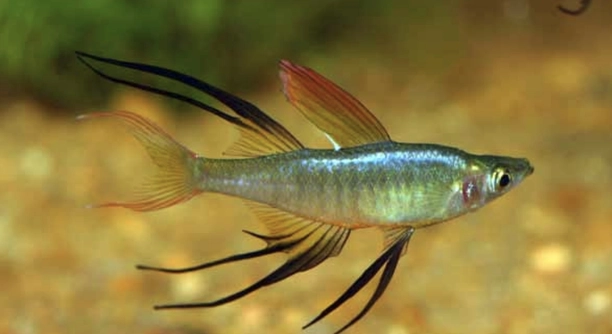
Do your Threadfin Rainbowfish sometimes swim unevenly, making it hard to enjoy watching them in your tank? This behavior can be worrying, especially when your fish usually move gracefully and appear healthy most of the time.
Uneven swimming in Threadfin Rainbowfish is typically caused by a combination of internal and external factors. Common causes include swim bladder disorders, poor water quality, infections, nutritional deficiencies, physical injuries, stress, and genetic predispositions affecting balance and movement.
Understanding these causes can help you take better care of your fish. Each factor plays a role in their health, and addressing them ensures your Rainbowfish swim smoothly and confidently.
Swim Bladder Disorders
Swim bladder disorders are one of the main reasons Threadfin Rainbowfish swim unevenly. This small organ helps fish control their buoyancy and maintain balance. When it is inflamed, infected, or malfunctioning, fish may float to one side, tilt forward, or struggle to stay upright. Causes can include sudden dietary changes, overfeeding, or bacterial infections. Even minor injuries can impact the swim bladder. Observing your fish closely is important. Signs like tilting, floating upside down, or difficulty moving indicate a problem. Early detection can prevent long-term issues. Some cases improve with dietary adjustments, while others may need medication prescribed for fish. Water quality and stress levels can worsen swim bladder problems, so maintaining a stable environment is crucial. Feeding smaller, more frequent meals and avoiding air-filled foods can also reduce risk.
Correcting swim bladder disorders early ensures your fish regain proper movement and remain healthy in your aquarium.
Treating swim bladder problems often involves adjusting diet, ensuring clean water, and sometimes using specialized medications, which can restore balance effectively.
Poor Water Quality
Poor water quality can directly affect how your Threadfin Rainbowfish swim. High levels of ammonia, nitrites, or nitrates stress the fish and disrupt normal swimming. Even subtle imbalances can make them weak or unsteady. Consistent monitoring is essential.
Maintaining optimal water parameters requires regular testing, partial water changes, and filtration upkeep. Temperature fluctuations, excess waste, and leftover food contribute to poor conditions, making fish more susceptible to illness. Providing a well-aerated, clean tank helps prevent uneven swimming. Fish in unstable environments often show sluggish movement or tilt frequently. Stress from poor water quality can also lower immunity, increasing the risk of infections. Observing behavior along with water checks helps detect issues early. Tank size, plant coverage, and decorations affect swimming space; overcrowded or cluttered tanks can worsen imbalance. Using conditioners, keeping ammonia and nitrite at zero, and nitrate under safe levels keeps fish healthy. Over time, consistent maintenance improves activity, reduces tilt, and ensures Rainbowfish swim evenly. Good water quality supports digestion, overall energy, and reduces swim bladder complications.
Infections
Bacterial and parasitic infections can affect the nervous system or internal organs, causing Threadfin Rainbowfish to swim unevenly. Symptoms often include lethargy, clamped fins, or abnormal tilting, and prompt treatment is necessary to prevent further complications.
Infections can develop from poor water conditions, contaminated food, or contact with infected tank mates. Bacteria may attack the swim bladder, fins, or gills, while parasites often interfere with balance and mobility. Early detection is key. Observing changes in behavior and appearance helps identify infection before it worsens. Medications designed for fish, combined with improved water quality, are usually effective. Isolation of affected fish prevents spreading the infection to others. Maintaining a clean, stress-free environment lowers risk and supports recovery. Routine checks of water, diet, and fish behavior make it easier to catch infections early.
Treating infections involves isolating sick fish, applying appropriate antibacterial or antiparasitic treatments, and ensuring the tank environment supports healing. Proper care can restore normal swimming over time.
Nutritional Deficiencies
A lack of essential nutrients can weaken muscles and organs, making Rainbowfish swim unevenly. Balanced food ensures proper growth, energy, and buoyancy control.
Threadfin Rainbowfish need a diet rich in vitamins, minerals, and protein. Insufficient nutrients can cause weak muscles, poor fin movement, and reduced coordination, contributing to tilting or floating problems. Feeding only one type of food limits variety and can trigger deficiencies. Incorporating high-quality flakes, pellets, and occasional live or frozen food provides necessary nutrients. Supplements may help correct minor imbalances. Overfeeding should be avoided, as it can worsen digestive issues and affect swim bladder function. Monitoring how fish respond to different foods ensures they receive adequate nutrition. A consistent feeding schedule supports energy levels and overall health. Proper diet not only prevents uneven swimming but also strengthens immunity, enhances coloration, and promotes long-term vitality in Threadfin Rainbowfish.
Physical Injuries
Physical injuries from sharp decorations, aggressive tank mates, or rough handling can make Rainbowfish swim unevenly. Even small wounds may affect balance and movement temporarily.
Fin tears or minor body injuries often disrupt coordination. Healing requires a safe environment with minimal stress and careful observation.
Stress
Stress from overcrowding, sudden changes in water temperature, or aggressive tank mates can cause unsteady swimming. Fish under stress may hide, tilt, or move irregularly. Maintaining a calm, stable environment is essential to prevent further complications.
Genetic Predisposition
Some Threadfin Rainbowfish may have inherited traits that make swimming less stable. Genetic differences can influence muscle development, swim bladder function, or overall coordination. Observing patterns in offspring or specific lineages can help identify potential predispositions.
Environmental Changes
Sudden changes in light, temperature, or water chemistry can disrupt swimming. Fish need time to adjust to new conditions, and rapid shifts often cause temporary imbalance. Gradual transitions reduce stress and help maintain normal movement.
FAQ
What is the most common reason Threadfin Rainbowfish swim unevenly?
The most frequent cause is swim bladder disorders. These affect buoyancy and balance, making fish float, tilt, or struggle to swim straight. Diet, injuries, and bacterial infections often contribute to swim bladder issues. Early detection and proper care usually improve movement.
How can I tell if my Rainbowfish has a swim bladder problem?
Signs include tilting, floating sideways, floating upside down, or struggling to maintain depth. Slow movement, clamped fins, or resting at the bottom of the tank can also indicate an issue. Observing behavior over time helps confirm the problem.
Can water quality affect swimming behavior?
Yes. High ammonia, nitrite, or nitrate levels, fluctuating temperature, or low oxygen can stress fish and make swimming irregular. Regular water testing, partial water changes, and stable tank conditions help prevent uneven movement and related health issues.
Could infections cause swimming problems?
Absolutely. Bacterial infections may attack internal organs or the swim bladder, while parasites can affect nerves and balance. Lethargy, clamped fins, tilting, or abnormal swimming patterns often accompany infections. Prompt treatment and isolation of affected fish are necessary.
Does diet impact swimming stability?
A poor diet lacking essential vitamins, minerals, or protein can weaken muscles and organs. This results in tilting, poor coordination, and low energy. Feeding a variety of flakes, pellets, and occasional live or frozen foods ensures proper nutrition. Supplements may be used when necessary.
Are physical injuries a concern for swimming?
Yes, even minor injuries from tank decorations, rough handling, or aggressive tank mates can affect swimming. Torn fins or small wounds can make movement awkward. Providing a safe environment and monitoring healing is important for recovery.
Can stress make Rainbowfish swim unevenly?
Stress from overcrowding, sudden environmental changes, or aggressive fish can disrupt swimming patterns. Fish may hide, tilt, or move irregularly. Reducing stress through a calm, stable environment helps restore normal behavior.
Is uneven swimming sometimes hereditary?
Yes, some Threadfin Rainbowfish may inherit traits affecting muscle development, coordination, or swim bladder function. Observing family lines can help determine genetic predispositions and inform breeding choices.
How long does it take for fish to recover from uneven swimming?
Recovery time depends on the cause. Dietary adjustments or water improvements may take days, while treating infections or injuries may take weeks. Consistent care and monitoring are essential to ensure proper healing.
Can sudden environmental changes cause swimming issues?
Sudden changes in temperature, light, or water chemistry can temporarily unbalance fish. Gradual adjustments and stable tank conditions allow fish to adapt and maintain normal swimming patterns.
What should I do if multiple fish are swimming unevenly?
Check water quality first, as poor conditions affect all inhabitants. Inspect for signs of infection or parasites, and consider isolating affected fish. Review diet, tank size, and stress factors to identify and correct the underlying cause.
Are there preventative measures for uneven swimming?
Maintaining clean, stable water, feeding a balanced diet, minimizing stress, and avoiding overcrowding are key. Regular observation allows early detection of problems, reducing the risk of persistent swimming issues.
Can uneven swimming indicate serious illness?
Sometimes. While minor diet or stress issues are common causes, persistent tilt, floating upside down, or lethargy may indicate infections, organ problems, or swim bladder disorders. Early intervention improves chances of full recovery.
Is it normal for fish to swim unevenly occasionally?
Occasional slight tilting or floating after feeding may occur but usually resolves quickly. Persistent or worsening uneven swimming signals an underlying issue that requires attention.
How can I improve swimming behavior in Threadfin Rainbowfish?
Consistent care is essential. Monitor water quality, provide a balanced diet, reduce stress, and treat injuries or infections promptly. Safe tank decorations and gradual environmental changes help fish maintain stability. Regular observation ensures problems are addressed early, improving long-term health.
This FAQ covers the main concerns regarding uneven swimming in Threadfin Rainbowfish, offering clear guidance for identifying causes, treating issues, and maintaining healthy, stable fish movement.
Final Thoughts
Threadfin Rainbowfish are beautiful and lively additions to any freshwater aquarium. Their graceful swimming is one of the most enjoyable aspects of keeping them. However, uneven swimming can be a sign that something in their environment or health needs attention. Observing your fish carefully is essential. Small changes in behavior, like tilting, floating unusually, or moving irregularly, often indicate underlying problems. These issues may stem from a swim bladder disorder, infections, poor water quality, nutritional deficiencies, injuries, stress, or even inherited traits. Addressing these factors promptly can make a significant difference in their overall well-being. Regular monitoring of your aquarium, including water quality, temperature, and tank layout, helps prevent problems before they become serious.
Maintaining clean and stable water is one of the most effective ways to support healthy swimming. Threadfin Rainbowfish are sensitive to changes in their environment, and fluctuations in ammonia, nitrites, nitrates, or temperature can cause stress or illness. Providing a balanced diet with proper nutrients strengthens their muscles and organs, which also improves swimming stability. Avoiding overfeeding and including a mix of high-quality flakes, pellets, and occasional live or frozen foods ensures they get what they need without straining their digestive systems. Stress reduction is equally important. Overcrowding, aggressive tank mates, and sudden environmental changes can cause imbalance in swimming. A calm and consistent environment gives your fish the confidence and energy to move freely and naturally.
Even with all preventive measures, occasional health or behavioral issues may arise. Prompt identification and care are essential to prevent minor problems from becoming severe. Isolation of affected fish, adjusting water quality, correcting diet, and providing medications when necessary can restore normal swimming. Patience is required, as recovery can take time depending on the cause. Observing their behavior daily helps catch problems early, making interventions more effective. Keeping track of patterns in swimming, feeding, and social interactions also gives insight into their overall health. By paying attention and providing consistent care, your Threadfin Rainbowfish can remain active, vibrant, and balanced in the aquarium, allowing you to enjoy their unique movements and bright colors for years to come.

Hello,
If you enjoy the content that we create, please consider saying a "Thank You!" by leaving a tip.
Every little bit helps us continue crafting quality advice that supports the health, happiness, and well-being of pets around the world, for pets of all shapes, sizes, and species.
We really appreciate the kindness and support that you show us!