
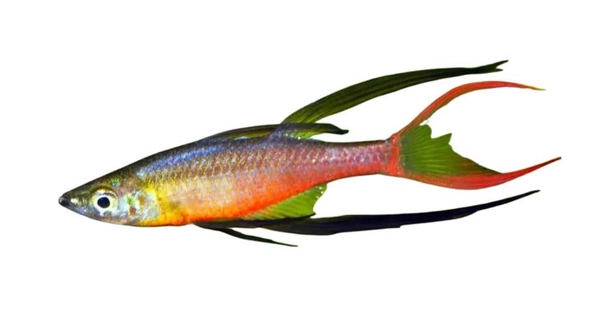
Threadfin Rainbowfish are small, colorful fish often seen swimming together in aquariums. Their shimmering scales and lively movements make them a favorite among hobbyists. Observing their behavior can reveal surprising social patterns within their groups.
Threadfin Rainbowfish do not appoint a single, consistent group leader. Instead, they display fluid social interactions where dominance and influence shift depending on context, environmental factors, and individual fish behavior within the shoal. Leadership is situational rather than fixed.
Understanding these dynamics can improve aquarium management and promote healthier, more harmonious fish communities. Observing their social behavior provides insights into their natural instincts and interactions.
Social Structure in Threadfin Rainbowfish
Threadfin Rainbowfish form loose social groups where interactions are fluid and flexible. Each fish has moments of influence depending on size, confidence, and access to resources. Larger or more active fish may temporarily lead movement or feeding, but their dominance is never permanent. Environmental changes, such as tank layout, light, or available food, can shift the hierarchy quickly. Observing these fish over time reveals that group cohesion relies on constant communication through swimming patterns and subtle signals. Unlike other species with strict leaders, Threadfin Rainbowfish adapt their behavior to maintain balance and reduce conflict. This makes them more resilient in dynamic environments. Their social flexibility allows them to respond to threats, find food efficiently, and maintain overall group harmony. It also offers an engaging experience for those who watch their interactions closely. Understanding these patterns can help provide the right tank setup and improve overall fish health.
Leadership among these fish is temporary and context-dependent, not fixed or rigid.
By noting subtle behaviors, such as chasing, circling, or positioning, aquarists can predict shifts in group influence. Observing these cues helps in maintaining a peaceful tank, ensuring each fish has space and access to resources. Recognizing these interactions allows for adjustments that support social balance.
Observing Group Dynamics
Watching these fish closely highlights how environmental factors shape behavior.
Threadfin Rainbowfish respond strongly to tank size, hiding spots, and light levels, all of which affect movement and social interactions. A crowded tank can heighten aggression temporarily, while a well-structured environment encourages natural behaviors. Feeding routines also influence dynamics; when food is introduced, certain individuals may temporarily guide group movement toward the source. Over time, fish establish a rhythm, coordinating swimming and spacing with minimal conflict. Tankmates’ personalities influence interactions as well, with some fish naturally more assertive and others more passive. Adjusting conditions, such as rearranging décor or providing extra plants, can redistribute influence and reduce tension. Monitoring these details not only promotes healthier fish but also makes their behavior easier to interpret. Aquarists who notice patterns of dominance and submission can provide interventions that support fair access to resources. This careful observation enhances both fish welfare and the enjoyment of watching their social complexity unfold.
Feeding Behavior and Group Interaction
Threadfin Rainbowfish tend to feed in coordinated bursts, following the most confident or active individuals to new food sources. Their group movements during feeding are subtle signals of temporary leadership.
Feeding time reveals much about their social dynamics. More assertive fish often lead the group toward food, while others follow cautiously. These leaders are not fixed, and influence shifts from day to day. Some fish may temporarily dominate access to preferred food spots, but this changes with tank conditions or the introduction of new individuals. The group remains cohesive, quickly adapting to changes without permanent hierarchies. Watching these patterns can show which fish naturally take initiative and how others adjust their behavior. Feeding coordination also encourages healthy activity and reduces stress, as fish move together while maintaining personal space.
Observing how they eat highlights the balance between competition and cooperation. Fish that appear dominant are often influential only in the moment, while others may take turns asserting themselves. This fluidity keeps the group stable. Over time, the subtle cues of chasing, circling, and positioning form a rhythm that guides collective behavior. Feeding behavior also impacts energy levels, social engagement, and overall health. Recognizing these patterns helps in planning feeding schedules and tank arrangements that reduce conflict while promoting natural behaviors.
Territorial Behavior
Threadfin Rainbowfish show mild territorial tendencies, often around preferred hiding spots or plant clusters. These areas become temporarily defended but rarely spark severe aggression.
Territoriality is mostly subtle and short-lived. Fish may chase intruders briefly before resuming normal group swimming. Conflicts are usually minor, and space-sharing happens naturally with adequate tank size. Environmental enrichment, like plants and decorations, helps distribute influence and minimize stress. Larger or more confident fish may claim central areas, while smaller or shy individuals occupy peripheries, adjusting their routes accordingly. Observing these interactions can help in understanding their comfort zones and optimizing tank layout for reduced tension. By monitoring which fish repeatedly claim the same areas, aquarists can make informed decisions about rearranging the environment.
Temporary claims over territory often shift with tank conditions or feeding schedules. Fish balance personal space with group cohesion, maintaining harmony through subtle signaling and movement. These interactions are not about permanent dominance but about adapting to immediate needs and available resources. Even minor adjustments, such as adding more plants or rearranging décor, can change territorial patterns significantly. Fish that seemed dominant may retreat, and others gain influence, demonstrating the fluid nature of space usage. Understanding these behaviors ensures each fish can express natural instincts while maintaining group stability.
Communication and Social Signals
Threadfin Rainbowfish rely on body movements and positioning to communicate. Subtle changes in speed, direction, or fin display convey dominance, submission, or alertness within the group.
Color intensity and fin flaring also signal mood or intent. These visual cues help maintain order without direct conflict.
Shoaling Patterns
Shoaling behavior is central to Threadfin Rainbowfish social life. Fish adjust their spacing based on group size, tank environment, and perceived threats. Leaders are temporary, often determined by the most active or confident fish at that moment. Positioning shifts frequently, with fish rotating roles naturally.
The dynamic shoal formation allows for coordinated movement during feeding or evading stressors. Fish in the center tend to be more cautious, while those on the edges may explore or test boundaries. By observing these patterns, it becomes clear that leadership is situational, supporting group cohesion and minimizing conflict.
Environmental Influence
Tank setup significantly affects social interactions, influencing hierarchy and movement patterns within the group.
FAQ
Do Threadfin Rainbowfish need a set leader to stay organized?
Threadfin Rainbowfish do not require a fixed leader. Their social organization is flexible, relying on temporary influence from more confident or active fish. Leadership is situational and shifts depending on context, feeding, or environmental changes. This fluid structure allows the group to remain cohesive without permanent hierarchy.
How can I identify which fish is temporarily leading?
Observe movement and positioning. The fish that initiates swimming toward food, explores first, or takes the central position often exerts temporary influence. Look for subtle signs, such as slightly faster swimming, fin displays, or mild chasing behaviors, which indicate short-term dominance.
Does tank size affect group dynamics?
Yes, larger tanks reduce competition and allow natural spacing, while smaller tanks can amplify temporary dominance and minor disputes. Providing adequate space ensures healthier interactions and reduces stress among the fish. Proper tank layout encourages natural shoaling and movement patterns.
Do Threadfin Rainbowfish show aggression when establishing temporary leadership?
Aggression is usually minimal. Temporary leaders may chase or nudge others briefly, but these behaviors are short-lived and rarely cause injury. The fish rely on movement and visual cues more than direct combat to communicate influence. Stress levels can be reduced with environmental enrichment.
How does feeding influence leadership roles?
Feeding times often highlight temporary leaders, as confident fish guide the group toward food. Influence shifts with each feeding session, depending on individual assertiveness and positioning. Rotating leadership helps maintain balance, prevents long-term dominance, and ensures all fish access food.
Can introducing new fish disrupt the group?
New additions can temporarily change group dynamics. Existing fish may adjust their positions or assert influence to reestablish balance. Proper acclimation, hiding spots, and gradual introductions reduce stress and help the group adapt smoothly without permanent hierarchy shifts.
Do certain fish always dominate?
No single fish maintains long-term dominance. While larger or more active individuals may lead temporarily, roles are fluid. Situational factors, such as feeding or territory, determine influence, allowing all fish to participate in group decisions over time.
How important are visual cues in their interactions?
Visual signals are essential. Body movements, fin displays, and color intensity communicate status, intent, and alertness. Fish rely on these cues to navigate social interactions, minimize conflict, and coordinate movement within the shoal effectively.
Does stress affect social behavior?
High stress can disrupt temporary leadership and group cohesion. Factors like poor water quality, overcrowding, or sudden changes in the tank may increase aggressive displays or cause some fish to withdraw. Maintaining stable conditions supports healthy social interactions.
How can I encourage healthy social behavior?
Provide a well-structured environment with plants, decorations, and open swimming areas. Adequate space, consistent feeding, and gradual changes to the tank promote fluid leadership, reduce minor conflicts, and support natural shoaling behavior. Observing fish interactions can help fine-tune tank setup.
Are temporary leaders important for the group?
Yes, temporary leaders guide the group toward food, exploration, or safe zones. Their influence is short-term but essential for coordination and maintaining cohesion. The shifting nature of leadership ensures that all fish have opportunities to assert themselves without long-term competition.
Do males and females behave differently in group leadership?
Males may show slightly more assertive behaviors during feeding or exploration, while females tend to maintain cohesion and follow patterns. Differences are subtle, and both sexes participate in temporary leadership depending on context and environmental factors.
Can observing leadership patterns help with tank management?
Absolutely. Noticing which fish temporarily lead, which retreat, and how interactions shift can inform feeding routines, tank layout adjustments, and stress reduction strategies. Awareness of social dynamics improves overall fish welfare and promotes harmonious group behavior.
Does changing decorations or plants affect temporary leadership?
Yes, rearranging plants, rocks, or hiding spots can shift influence within the group. Fish adjust positions and movement patterns based on environmental changes, which can redistribute temporary leadership and reduce tension in the tank.
How often do leadership roles change?
Leadership shifts frequently, sometimes within minutes during feeding or exploration. The fluidity allows all fish to participate in group coordination, prevents long-term dominance, and maintains overall harmony in the shoal.
Is observing shoaling behavior useful for understanding fish health?
Observing how fish swim together, respond to food, and interact can reveal stress, illness, or environmental issues. Healthy shoaling patterns indicate balanced social behavior, while deviations may signal problems needing attention.
Do Threadfin Rainbowfish ever form permanent bonds?
They do not form permanent bonds in the way some species do. Social interactions are flexible, with relationships and influence changing depending on immediate circumstances and environmental factors. This fluidity supports adaptability and resilience.
How does water quality influence leadership behavior?
Poor water quality can increase stress and reduce confidence in temporarily dominant fish. Maintaining clean, stable water conditions supports natural behaviors, temporary leadership, and smooth group interactions.
Can temporary leadership affect breeding behavior?
Temporary leaders may influence the movement and positioning of potential mates during feeding or exploration. While they do not control reproduction, their behavior can affect access to resources and social positioning during breeding periods.
Are there signs that leadership roles are becoming stressful for certain fish?
Signs include prolonged hiding, reduced feeding, color fading, or erratic swimming. These indicate the fish may feel pressured by temporary dominance or environmental conditions. Adjusting tank conditions can help restore balance and comfort.
Do all fish participate equally in leadership?
Participation varies. Some fish are naturally more assertive, while others remain passive. Over time, roles rotate, and most individuals have opportunities to influence group movement, ensuring a dynamic and cooperative social structure.
Is observing leadership patterns useful for aquarists new to Threadfin Rainbowfish?
Yes, tracking temporary leadership provides insights into social structure, helps prevent conflict, and informs tank setup decisions. It encourages proactive management of feeding, space, and environmental enrichment.
How can I minimize conflicts when temporary leaders emerge?
Provide plenty of space, hiding spots, and even food distribution. Avoid overcrowding and sudden changes. Monitoring interactions and subtly adjusting the environment helps maintain peaceful group behavior while allowing natural leadership shifts.
Do temporary leaders influence exploration of the tank?
Yes, more confident fish often guide the group toward new areas. Others follow, learning routes and avoiding potential hazards. This shared exploration is essential for maintaining cohesive shoaling and reducing stress.
Can observing temporary leadership help predict feeding behavior?
Absolutely. The fish that moves first toward food or positions centrally often guides the group. Recognizing these patterns allows better timing and distribution of food to reduce competition.
Do environmental changes affect which fish lead temporarily?
Yes, any change in lighting, décor, or hiding spots can shift influence. Fish adapt to new conditions, and temporary leadership roles adjust accordingly, ensuring balance and flexibility in group interactions.
How long should I observe to understand leadership patterns?
Consistent observation over several days or weeks reveals trends. Short-term monitoring shows temporary influence, while longer observation highlights rotations and situational shifts in group dynamics.
Are temporary leaders always the largest fish?
Not necessarily. Size can influence confidence, but activity level, assertiveness, and personality are equally important. Smaller fish may lead temporarily if they are bold or active in a given situation.
Can temporary leadership indicate which fish are healthiest?
Often, yes. Active, confident fish that take initiative tend to be in good health. Weak or stressed fish are less likely to assert themselves and may stay on the periphery.
Does water temperature impact social interactions?
Temperature affects activity levels. Fish in optimal conditions are more active and display clear temporary leadership patterns. Too cold or too warm water can reduce movement, obscure social signals, and disrupt shoaling behavior.
Do hiding spots influence which fish lead temporarily?
Yes, fish with access to preferred hiding spots may feel more confident and assert influence in group movement. Even subtle environmental advantages can shift temporary leadership patterns within the shoal.
Can observing temporary leadership improve overall tank harmony?
Observing which fish influence the group helps in distributing resources, arranging the tank, and reducing minor conflicts. Awareness of social dynamics encourages a calmer, healthier, and more balanced aquatic environment.
Does leadership influence change during night or low-light conditions?
Yes, fish tend to be less active in low-light conditions, reducing visible temporary leadership behaviors. Group cohesion remains, but movements and influence shifts are less pronounced until normal lighting resumes.
Are there differences in temporary leadership during breeding season?
During breeding periods, certain fish may become more assertive around specific areas or mates. These behaviors are situational, supporting reproductive activities without establishing permanent dominance.
Do external disturbances, like tapping on the tank, affect temporary leadership?
Yes, sudden disturbances can cause all fish to retreat or reorganize, temporarily disrupting influence patterns. Observing recovery after disturbances helps understand which fish regain leadership roles and how the group stabilizes.
Can temporary leadership be encouraged for observation purposes?
Yes, gently introducing new food, rearranging décor, or slightly altering tank flow can highlight which fish naturally take initiative. Careful observation during these moments reveals the flexible social hierarchy without causing stress.
Does age affect temporary leadership roles?
Older, experienced fish may take initiative more often, but younger, active fish can also lead temporarily. Age is one factor among size, confidence, and environmental context that influences short-term leadership.
Can temporary leaders influence stress levels in the group?
Yes, confident fish guiding movement can reduce stress by providing cues and coordination. Conversely, excessive assertiveness in a stressed environment can increase tension, so balance is essential.
Do temporary leadership patterns remain consistent over time?
Patterns are fluid. While some fish may frequently take initiative, roles shift based on context, tank conditions, and group composition. Flexibility is key to maintaining harmony and adaptability in the shoal.
How can I use leadership observation to improve feeding routines?
Identify which fish take the lead and provide evenly distributed food. Timing feeding with observed leadership patterns ensures all fish access food and reduces competition-related stress.
Are temporary leaders more active swimmers?
Yes, they often swim slightly faster or take central positions, initiating movement that the group follows. Activity is a reliable indicator of short-term influence.
Do temporary leaders influence hiding behavior?
Yes, their movement can guide group positioning around hiding spots, encouraging exploration while maintaining awareness of perceived threats. This coordination helps balance personal space and group cohesion.
Can observing temporary leadership help detect health issues early?
Yes, sudden changes in behavior or absence from leadership roles may indicate stress, illness, or injury. Early observation allows prompt intervention to support health and social stability.
Do temporary leaders affect reproduction indirectly?
They can influence which areas of the tank are explored and which mates are approached, affecting access to resources and courtship locations without directly controlling breeding outcomes.
Are temporary leaders usually more colorful or vibrant?
Sometimes. Bright coloration can indicate health and confidence, which may make a fish more likely to assert influence temporarily, though personality and activity are equally important.
How should I document temporary leadership for analysis?
Keep notes on individual behavior, positioning, and interactions during feeding or exploration. Observing at consistent times and under stable conditions provides reliable insight into social patterns and rotational leadership.
Does social hierarchy affect disease transmission?
Temporary leadership itself does not increase risk significantly, but crowded or stressed groups may experience faster spread of illness. Maintaining stable leadership rotation and adequate space supports overall health.
Can temporary leadership help in tank acclimation for new fish?
Yes, observing which fish assert influence helps predict interactions and guide acclimation strategies. Providing hiding spots and gradual introductions reduces stress and promotes smooth social integration.
Does water flow or filtration influence temporary leadership?
Yes, fish may adjust swimming routes or positioning based on currents, which can shift short-term influence. Confident fish often lead movement along preferred flow paths.
Are temporary leadership behaviors consistent across different tanks?
Patterns may vary with tank size, layout, and population. While some individual tendencies persist, environmental conditions play a major role in shaping temporary influence.
How can I encourage balanced leadership in a tank?
Provide space, multiple hiding spots, and evenly distributed food. Minor rearrangements or environmental changes can help rotate influence, reducing persistent dominance and promoting healthy social interaction.
Do temporary leaders play a role in predator awareness?
Yes, they often initiate movement or alert the group to disturbances. Following temporary leaders enhances safety and coordinated responses to potential threats, even in a home aquarium.
Can temporary leadership affect energy expenditure in the group?
Yes, leading fish expend slightly more energy, while followers conserve energy. Rotating leadership ensures that no single fish is overburdened, supporting balanced activity and health.
Do temporary leaders influence group exploration patterns?
They guide routes toward food, new areas, or hiding spots. Followers adjust movement in response, maintaining cohesion while ensuring that all areas of the tank are investigated safely.
Are temporary leadership patterns visible in all life stages?
Juveniles and adults display temporary influence, though adult fish may lead more consistently due to experience and confidence. Juveniles still participate in rotational leadership, learning social cues and coordination.
Does diet influence temporary leadership?
A well-fed, healthy fish is more likely to assert influence. Nutritional deficiencies can reduce activity, confidence, and willingness to take initiative in group movements.
How do temporary leaders impact overall group coordination?
They synchronize movement during feeding, exploration, or response to disturbances. Short-term influence ensures that all fish can participate while maintaining cohesion and reducing conflict.
Can lighting changes affect temporary leadership roles?
Yes, brighter or dimmer lighting can alter visibility and confidence. Fish adjust positioning, which may temporarily shift influence patterns within the group.
Is temporary leadership a sign of intelligence or adaptability?
It reflects situational awareness, confidence, and the ability to respond to changing conditions. Observing these behaviors demonstrates the fish’s adaptability within the social group.
Do temporary leaders interact differently with shy or passive fish?
They often maintain spacing, avoiding excessive aggression. Passive fish follow at a distance, allowing fluid leadership without conflict. This dynamic supports overall group stability.
Are temporary leadership patterns affected by tank mates from other species?
Yes, non-Thrreadfin Rainbowfish tank mates can influence movement and confidence, temporarily altering leadership roles. Observing interactions helps maintain balance and reduce stress across species.
Does seasonal change impact temporary leadership?
Temperature fluctuations or seasonal behaviors may alter activity and confidence, slightly shifting which fish assert influence at given times. Maintaining stable conditions helps minimize disruptions.
Can temporary leaders help reduce stress in newly introduced fish?
Yes, confident fish guiding exploration and feeding provide cues, helping newcomers acclimate to the group and learn safe zones while minimizing panic or hiding behaviors.
Do temporary leadership roles influence long-term social structure?
They support rotational dynamics and prevent permanent dominance. Over time, this fluidity maintains overall group harmony, ensuring that all fish have opportunities to assert influence without prolonged conflict.
How can observing temporary leadership improve aquarium design?
Noting which areas fish prefer and which lead movements informs plant placement, hiding spots, and open swimming areas. Optimizing layout promotes smooth rotation of influence, reduces conflict, and supports natural behaviors.
Are temporary leaders more likely to explore new tank features first?
Yes, they tend to investigate new décor, plants, or flow changes. Others follow, learning safe routes while maintaining group cohesion. This behavior highlights adaptability and situational influence within the shoal.
Does temporary leadership affect stress recovery after disturbances?
Yes, confident leaders often resume normal group activity faster, guiding others to safe zones and restoring shoal cohesion after sudden changes or perceived threats.
Can temporary leaders influence schooling during feeding?
Absolutely. They guide the group toward food sources, helping distribute access fairly. Followers adjust movement according to leader cues, maintaining coordination while minimizing conflict and ensuring all fish eat adequately.
Do temporary leaders respond differently to predators or perceived threats?
Yes, they often initiate rapid movement or alert others through body signals. Followers react accordingly, demonstrating coordinated escape behavior even in a confined aquarium setting.
Is temporary leadership more pronounced in certain tank setups?
Yes, open tanks with clear visibility and space for movement highlight leadership behaviors, while densely planted or crowded tanks may obscure subtle cues, though social dynamics remain active.
Does temporary leadership vary by individual personality?
Personality strongly influences leadership. Bold, confident fish assert influence more frequently, while shy or cautious fish take on follower roles. This variation supports fluid social structure and group stability.
Can temporary leaders help guide feeding when multiple food types are offered?
Yes, they often investigate first and signal the group, helping distribute attention and reducing competition. Followers learn to navigate the tank efficiently based on leader cues.
Do temporary leaders influence mating displays?
They can guide positioning or movement during courtship, indirectly affecting interactions without controlling mate choice. Leadership is situational and short-term, supporting reproductive behavior without permanent dominance.
How long does temporary leadership typically last in a session?
It varies, often from a few seconds to several minutes depending on activity, feeding, or exploration. Roles rotate naturally to maintain balance and group cohesion.
Can temporary leadership indicate dominant personality traits?
Yes, assertive and confident fish frequently take initiative. However, dominance is situational, and other traits, like flexibility and adaptability, also contribute to social influence.
Do temporary leaders influence hiding or resting patterns?
They may guide group movement to preferred spots or initiate exploration, indirectly affecting where others rest or hide. This coordination balances personal space with group cohesion.
Does water current or filtration create temporary leaders?
Yes, fish that navigate currents effectively may take initiative, leading the group along preferred flow paths while others follow. Environmental conditions shape these short-term influence patterns.
Are temporary leadership behaviors easy to disrupt?
Sudden changes in environment, lighting, or tank disturbances can temporarily disrupt leadership. Fish quickly reestablish new patterns, demonstrating adaptability and resilience in their social structure.
Do temporary leaders interact more with active or passive fish?
They usually engage with both but maintain spacing to avoid conflict. Active fish may follow closely, while passive fish trail at a distance, preserving harmony and group balance.
Can temporary leaders affect feeding efficiency?
Yes, by guiding the group toward food, they ensure quicker and more organized access. This reduces stress, competition, and wasted energy during mealtime.
Do temporary leaders influence shoaling distance?
They help maintain cohesion, adjusting spacing based on group behavior. Followers mimic movements, keeping the shoal organized while allowing for flexible positioning and natural rotations of influence.
Are temporary leadership patterns consistent across different times of day?
They can vary. Fish may be more active during daylight, highlighting temporary influence, while reduced activity during low light minimizes visible leadership behaviors.
Does water clarity impact temporary leadership?
Yes, clearer water enhances visibility and communication through visual cues, allowing confident fish to guide the group more effectively. Reduced clarity can obscure subtle signals.
Can temporary leaders improve social learning among fish?
Yes, followers observe movement, positioning, and exploration cues from leaders, learning optimal routes
Final Thoughts
Threadfin Rainbowfish are fascinating for their fluid social structure. Unlike some species that maintain a strict hierarchy, these fish rely on temporary leadership that shifts depending on context. Observing their behavior shows how influence is situational, affected by size, confidence, and environmental factors. This flexibility allows the group to function harmoniously, with no single fish dominating permanently. Temporary leaders often guide movements during feeding, exploration, or when responding to disturbances. Others follow subtle cues such as swimming speed, body positioning, and fin displays. Over time, these short-term patterns form a rhythm that keeps the group cohesive and coordinated. The lack of a fixed leader does not indicate disorder; rather, it demonstrates a natural balance that allows every fish to assert itself at different times. By recognizing these patterns, aquarists can better understand the subtle social interactions that keep the shoal stable.
Environmental conditions play a significant role in shaping behavior and temporary leadership. Tank size, layout, plants, hiding spots, and water quality all influence which fish assert influence at a given time. A larger tank allows for more personal space and reduces minor conflicts, while a crowded environment can temporarily amplify dominance behaviors. Rearranging décor or adding new hiding spots can shift influence, giving different fish opportunities to take initiative. Feeding routines also impact temporary leadership, as more confident fish often guide the group toward food. The rotation of leadership ensures equitable access to resources and reduces stress, promoting overall health. Even subtle changes in lighting or water flow can influence which fish lead temporarily and how the group responds. Paying attention to these details supports both the welfare of the fish and the harmony of the shoal.
Observing Threadfin Rainbowfish over time provides valuable insight into their social dynamics. Temporary leadership, while short-lived, is crucial for coordination, exploration, and response to environmental changes. Watching which fish take the initiative and which follow allows for better management of tank conditions and feeding strategies. It also highlights the adaptability of these fish, as they constantly adjust to each other and to their surroundings. Recognizing their social cues, such as subtle movements, fin displays, and positioning, can help aquarists maintain a peaceful and balanced environment. By understanding the flexible nature of their leadership and interactions, it is possible to provide a setting that supports natural behaviors, reduces stress, and enhances the overall health and enjoyment of the fish. This balance demonstrates that even without a permanent leader, Threadfin Rainbowfish thrive through cooperation, adaptability, and situational influence, making their behavior both complex and fascinating to observe.

Hello,
If you enjoy the content that we create, please consider saying a "Thank You!" by leaving a tip.
Every little bit helps us continue crafting quality advice that supports the health, happiness, and well-being of pets around the world, for pets of all shapes, sizes, and species.
We really appreciate the kindness and support that you show us!