
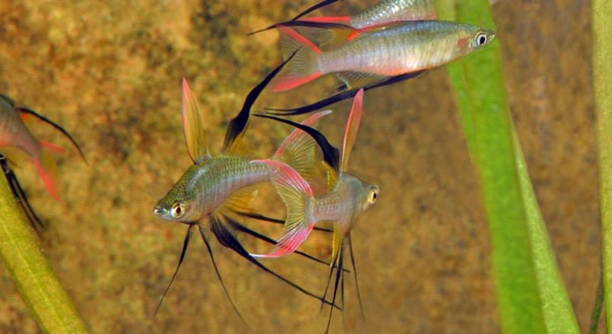
Do you ever find yourself watching your threadfins and wondering if the little behaviors you notice are signs of companionship? Subtle actions can reveal much about how these fish interact and connect in their environment.
Threadfins form bonds through consistent, observable actions that indicate trust, comfort, and social interaction. These behaviors include synchronized swimming, close proximity resting, and gentle displays of communication. Together, these actions provide evidence of meaningful relationships forming within their groups.
Learning about these signs offers a clearer understanding of threadfin behavior and helps create a more supportive environment for their social nature.
Synchronized Swimming
Threadfins often swim in perfect harmony, matching speed and direction with one another. This synchronized movement is not random; it reflects coordination and mutual awareness. When you watch them glide through the water side by side, it’s clear that they are responding to each other’s motions. Over time, pairs or small groups develop routines, indicating a deeper connection. Even subtle changes, like slight turns or adjustments in pace, show that they are aware of their companions and are actively maintaining group cohesion. These patterns are more than just movement—they are a sign of social structure and trust within their group. Observing them can be calming, as it highlights the natural rhythm they create together. It is fascinating to notice how some threadfins seem to anticipate each other’s actions, demonstrating a bond that goes beyond simple schooling behavior. This coordination strengthens their sense of security and belonging.
Synchronized swimming helps threadfins feel connected and safe, reinforcing relationships within the group and reducing stress.
Watching these patterns develop over time offers insight into social dynamics. Threadfins that swim in unison often have preferred companions and establish stable pairings. This behavior improves cooperation for feeding and predator avoidance. Consistent observation can reveal subtle changes in these bonds, showing how social interactions evolve naturally. Their swimming is an ongoing, dynamic interaction that reflects trust and mutual respect.
Close Proximity Resting
Threadfins resting near each other signals comfort and trust. Staying physically close reduces stress and fosters a sense of security.
Being near one another allows threadfins to share warmth and feel protected. This closeness strengthens social bonds and promotes calm behavior within the group.
Close proximity resting is a clear indicator of relationships forming among threadfins. Unlike schooling for survival, resting together is a conscious choice showing preference for certain companions. They choose to lie near individuals they trust, often maintaining position for extended periods. This behavior is particularly noticeable during quiet periods in the tank or at night. By observing which fish rest together, patterns emerge that reveal social hierarchies and preferred pairings. Over time, these relationships deepen, influencing how the group interacts during feeding and swimming. Understanding these resting habits can improve care, as it highlights the importance of allowing space while supporting natural social structures. It also demonstrates that threadfins value companionship and safety, creating an environment that reflects their social needs.
Gentle Nudging
Threadfins often touch or nudge each other gently. This behavior is a clear sign of recognition and comfort between individuals in the group.
Gentle nudging is a subtle but meaningful way threadfins maintain social bonds. By nudging, they communicate presence and reassurance without aggression. These interactions can occur during swimming, feeding, or resting, and often involve repeated, light touches to the sides or fins. Nudging can indicate trust, as only fish comfortable with one another engage in this behavior regularly. Over time, certain pairs may nudge each other more frequently, forming recognizable patterns. This behavior also helps maintain group cohesion, as nudges can prompt movement or alignment with companions, enhancing overall coordination. Observing these interactions provides insight into how relationships form and are reinforced naturally. Threadfins rely on these gentle gestures to express familiarity and create a sense of social security within their environment.
Nudging behaviors reveal social bonds that strengthen over time, showing which individuals are more closely connected within the group.
Shared Feeding Spots
Threadfins often return to the same feeding areas together. This behavior shows trust and comfort among group members, allowing them to eat safely side by side.
Sharing feeding spots demonstrates coordination and preference for certain companions. Fish that regularly feed together develop trust, reducing stress during mealtimes. These shared spaces indicate social hierarchy and mutual tolerance, as threadfins respect each other’s presence while eating. Fish often take turns approaching food or maintain a specific distance, minimizing conflict. Observing which individuals consistently feed together highlights bond strength and group dynamics. Over time, these feeding partnerships strengthen, as fish learn to rely on each other for safety and stability during meals. Recognizing shared feeding patterns helps in managing tanks, ensuring space and food availability are balanced to support these social behaviors.
Regular use of shared feeding spots reflects trust and reinforces bonds, contributing to stable social structures among threadfins.
Mirror Swimming
Threadfins sometimes swim in a mirrored pattern, copying each other’s movements closely. This behavior signals recognition and connection within the group.
Mirror swimming reinforces coordination and trust. Fish that mirror each other demonstrate attention to companions and often maintain these patterns consistently, reflecting social bonds.
Fin Flicking
Fin flicking is a subtle movement used to communicate. Threadfins employ this gesture to signal reassurance or alert companions to changes in their environment.
This behavior helps maintain social order and strengthens bonds, as repeated flicks are often directed toward specific individuals. Recognizing these signals provides insight into the fish’s relationships and preferences within the group.
Resting Together
Threadfins resting side by side shows comfort and trust. Staying close provides security and strengthens social connections.
FAQ
How can I tell if my threadfins are bonded?
Threadfins that are bonded display consistent behaviors like swimming together, nudging each other, and resting in close proximity. These patterns are repeated over time and show comfort and trust. Fish that mirror each other’s movements or share feeding spots also indicate a deeper connection within the group. Observing these behaviors daily can help identify which fish prefer one another.
Do all threadfins form bonds?
Not all threadfins form strong bonds, but most exhibit at least some preference for specific companions. Some may remain more solitary, while others consistently interact with certain individuals. Factors like age, temperament, and tank conditions influence bond formation. Younger or newly introduced fish may take longer to develop trust.
Can bonded threadfins show aggression?
Yes, bonded threadfins may still show minor aggression, but it is usually controlled. Aggression is often part of establishing hierarchy or defending feeding spots. True bonds are indicated when fish quickly resume close interactions after minor disputes, demonstrating tolerance and understanding within the group.
How long does it take for threadfins to bond?
Bond formation can vary widely. Some fish form connections in a few days, while others may take several weeks. Consistent interaction, shared feeding, and synchronized swimming accelerate bonding. Patience is key, as forcing proximity can increase stress and hinder natural social development.
Is physical contact necessary for bonding?
While not always required, gentle nudging, fin flicking, and close swimming often reinforce bonds. These physical interactions signal comfort and recognition. Fish that engage in these behaviors repeatedly are showing preference and trust toward certain companions, which strengthens social connections over time.
Can bonds affect feeding behavior?
Yes, bonded threadfins often feed together, sharing the same areas without conflict. This behavior reflects trust and mutual tolerance. Fish may also wait for companions before approaching food or take turns eating, creating a cooperative feeding dynamic that reduces stress and ensures fair access.
Do environmental factors influence bonding?
Absolutely. Adequate space, hiding spots, and proper tank conditions support natural interactions and bonding. Crowded or stressful environments can disrupt relationships and increase tension. Providing enrichment and stable water conditions encourages consistent social behaviors, helping bonds form naturally and safely.
Can bonds break?
Yes, bonds can weaken if the social structure changes, such as introducing new fish or changing the environment. Stress, illness, or competition for resources can also affect relationships. Careful observation helps identify disruptions early, allowing adjustments to maintain stability and reduce conflict.
Why is bonding important for threadfins?
Bonding enhances security, reduces stress, and improves group cohesion. Fish that feel connected are more likely to display natural behaviors, including coordinated swimming, cooperative feeding, and resting peacefully together. Strong bonds contribute to overall health and a calmer, more harmonious tank environment.
How can I encourage bonding in my tank?
Providing consistent routines, sufficient space, and proper environmental enrichment encourages natural bonding. Observing interactions and allowing fish to choose companions without forcing proximity supports trust. Feeding in ways that promote shared spaces, like scattered or multiple feeding points, can also strengthen relationships.
Are there signs that bonding is successful?
Yes, signs include frequent close swimming, mutual nudging, shared resting spots, and reduced aggression. Fish that mirror each other’s movements or consistently return to the same feeding areas are demonstrating stable bonds. These behaviors show trust, recognition, and comfort within the group.
Can bonded threadfins recognize each other after separation?
In many cases, yes. Threadfins with established bonds often recognize previous companions after short separations, resuming synchronized swimming or resting behaviors. This recognition highlights the strength of social memory and the lasting nature of these bonds in a supportive environment.
Do bonds influence reproduction?
Strong social bonds can positively affect reproductive behavior, as connected fish are more likely to coordinate and reduce stress. While not all bonds result in breeding, stable relationships create a calmer environment that can support natural reproductive instincts, improving overall group dynamics.
How do I track bonding progress?
Regular observation is key. Note interactions such as nudging, mirroring, resting together, and shared feeding. Tracking which individuals consistently engage with one another helps identify strong bonds and monitor changes over time. This information can guide tank management and social support strategies.
Can bonds form between fish of different ages?
Yes, bonds can develop across age differences, but younger or smaller fish may be more cautious initially. Older fish may tolerate or guide younger companions, depending on temperament. Consistent observation ensures that interactions remain safe and mutually beneficial.
What should I avoid when fostering bonds?
Avoid overcrowding, sudden introductions, and frequent environmental changes. Forcing fish into close contact or disrupting social hierarchies can increase stress and weaken relationships. Maintaining a stable, enriched environment supports natural interactions and strengthens bonds without causing conflict.
Can bonded threadfins communicate in other ways?
Yes, besides physical contact, threadfins use movement, fin flicks, and subtle changes in swimming patterns to communicate. These non-verbal signals reinforce bonds, coordinate group behavior, and maintain social cohesion, highlighting their complex social intelligence.
Are some threadfins naturally more social than others?
Individual temperament varies. Some threadfins seek close interaction and quickly form bonds, while others are more independent. Understanding each fish’s personality helps support relationships without forcing interactions, allowing bonds to develop naturally at their own pace.
How does observation help maintain bonds?
Careful observation allows you to detect preferred pairings, social hierarchies, and potential stressors. Recognizing patterns helps ensure that tank conditions continue to support positive interactions and minimize conflicts, promoting long-term stability and well-being for bonded threadfins.
Can bonds influence tank management decisions?
Yes, knowing which fish are bonded can guide decisions about feeding, tank layout, and introductions. Supporting natural groupings and maintaining sufficient space for bonded pairs helps reduce stress, improve social stability, and create a healthier environment for all fish.
How long do threadfin bonds typically last?
Bonds can last weeks, months, or longer depending on environmental stability and social dynamics. Long-lasting bonds are reinforced through consistent interactions, shared routines, and supportive tank conditions, highlighting the importance of observing and maintaining healthy social environments for these fish.
Final Thoughts
Observing threadfins in a tank or natural environment reveals a lot about their social lives. These fish are more than just individual swimmers; they develop clear relationships with others in their group. From synchronized swimming to gentle nudging, each behavior provides insight into the bonds forming between them. Over time, patterns emerge that show which fish prefer each other, how they communicate, and how they maintain trust. Recognizing these behaviors can help caretakers understand their fish better, ensuring that the tank environment supports both comfort and social stability. It also makes watching them more engaging, as each movement and interaction carries meaning beyond basic survival instincts.
Threadfins demonstrate a variety of bonding behaviors that are subtle yet consistent. Close proximity resting shows comfort and trust, while mirror swimming and shared feeding spots highlight coordination and preference for specific companions. Even small gestures, like fin flicks or gentle nudges, contribute to reinforcing relationships. By paying attention to these signals, one can see which fish have developed stronger connections and which prefer more independence. These social behaviors are essential for their well-being because they provide security and reduce stress within the group. The more time is spent observing, the clearer these interactions become, and it becomes possible to create a tank environment that supports natural behaviors. Understanding these dynamics also helps in managing conflicts and providing enrichment that aligns with their social needs.
Caring for threadfins involves more than feeding and maintaining water conditions. Observing social bonds can improve overall tank management and enhance the health of the fish. Ensuring enough space, appropriate hiding spots, and consistent routines encourages natural interactions and strengthens bonds. Recognizing which fish interact positively and which may need extra space allows for adjustments that reduce stress and improve harmony. Bonds among threadfins are dynamic, influenced by age, temperament, and environmental factors, but they are resilient when supported properly. Encouraging and respecting these connections promotes calm behavior, reduces aggression, and supports both physical and mental well-being. By understanding these social behaviors, caretakers can provide a more supportive, engaging environment, allowing threadfins to thrive naturally.

Hello,
If you enjoy the content that we create, please consider saying a "Thank You!" by leaving a tip.
Every little bit helps us continue crafting quality advice that supports the health, happiness, and well-being of pets around the world, for pets of all shapes, sizes, and species.
We really appreciate the kindness and support that you show us!