
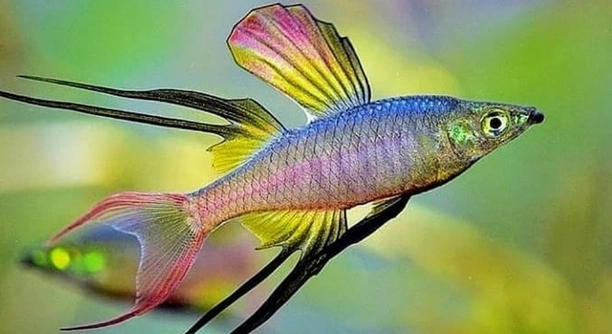
Threadfin aquarists often enjoy keeping tank setups that mimic natural habitats. However, certain features in modern aquariums can confuse even experienced keepers, making it difficult to maintain an ideal environment for these delicate fish.
Many tank features, such as filtration types, lighting intensity, and substrate choices, can be misunderstood by threadfin enthusiasts. Misinterpretation of these elements often leads to stress for the fish and suboptimal water conditions, affecting their growth and overall well-being.
Recognizing and understanding these common points of confusion will make it easier to provide a healthy, stable home for your threadfins.
Lighting Levels
Threadfins require specific lighting conditions to thrive, yet many aquarists overlook this detail. Too much light can stress them, causing them to hide or reduce activity, while too little can impact their feeding and coloration. LED and fluorescent lights are common, but intensity and duration must be carefully adjusted to match the tank’s natural rhythm. Observing the fish’s behavior under different lighting can help determine the ideal setup. Plants and decorations also play a role, as they create shaded areas where threadfins can retreat when light is strong. Balancing light with other environmental factors ensures the fish remain active, healthy, and visually vibrant. Consistent lighting schedules, mimicking day and night cycles, help reduce stress and maintain normal biological rhythms. Changing lighting suddenly or frequently can confuse the fish and lead to long-term health issues. Proper monitoring and gradual adjustments are key to a stable aquatic environment.
Lighting should never be too harsh or too dim. Maintaining a steady cycle keeps threadfins healthy and active.
Understanding how different bulbs and intensities affect both plants and fish is critical. Shadows, reflections, and placement within the tank can change light distribution, making some areas too bright while others remain dim. Observing the fish throughout the day allows you to notice subtle signs of discomfort or stress caused by lighting. Gradual adjustments rather than abrupt changes prevent shock. Using timers ensures consistent day-night cycles, supporting natural behavior. Plants not only provide hiding spaces but also moderate light levels, creating more balanced conditions. Even decorations influence how light reaches various areas, which may affect feeding or swimming patterns. A well-lit but not overwhelming environment allows threadfins to display natural coloration, encouraging active movement and reducing health problems. Prioritizing these considerations makes it easier to maintain a comfortable, balanced tank environment.
Filtration Systems
Choosing the right filtration system is essential for threadfins. High water flow can be stressful, while weak filtration may cause water quality issues.
Threadfins are sensitive to water conditions, so mechanical, biological, and chemical filtration must all be considered. Strong currents can tire them and limit swimming, while inadequate filtration allows ammonia and nitrite levels to rise, affecting health. Sponge filters are gentle and suitable for small tanks, while canister or hang-on-back filters offer stronger filtration for larger setups. Regular maintenance is necessary to prevent debris buildup, and balancing flow is key. Positioning the filter output to avoid strong direct currents while ensuring circulation is important. Clean water helps maintain the fish’s immune system and prevents disease, while biological filtration supports the nitrogen cycle and stabilizes water chemistry. Chemical filtration can remove impurities, odors, and discoloration, but must be used carefully to avoid affecting beneficial bacteria. Testing water parameters regularly ensures the tank remains safe and stable, keeping threadfins active and thriving. Properly chosen and maintained filtration directly influences the overall success of the aquarium.
Substrate Choice
A soft, fine substrate is best for threadfins. Rough or sharp gravel can injure their delicate fins and make foraging difficult.
Threadfins often sift the substrate while feeding. Coarse gravel can trap uneaten food and debris, leading to poor water quality. Sand or smooth fine gravel allows them to explore safely and reduces stress. Additionally, certain substrates can affect pH and hardness, so choosing an inert material helps maintain stable water chemistry. Layering a nutrient-rich substrate beneath a thin sand layer supports plant growth without compromising fish safety. Observing the fish’s natural behavior on different substrates helps determine what works best for both their health and activity. Proper substrate selection encourages normal feeding and reduces injury risks.
Substrate also influences tank maintenance. Smooth sand is easier to clean, preventing waste buildup while maintaining natural behaviors. Choosing the right type ensures both the fish and plants thrive.
Tank Decorations
Threadfins benefit from open swimming areas paired with hiding spots. Rocks, driftwood, and plants create shelter without overcrowding the tank.
Decorations must be arranged to allow smooth swimming paths while providing safe retreats. Sharp or unstable objects can cause injury or stress. Floating plants offer cover while maintaining open water below, and dense plants can create shaded areas where fish feel secure. Driftwood and smooth rocks provide resting and exploration spaces, enhancing activity and reducing boredom. Decorations should also be easy to clean, as algae and debris can accumulate on surfaces. Placement should support water circulation to prevent stagnant areas. By combining open zones with strategically positioned hiding spots, threadfins feel comfortable and secure, leading to healthier, more natural behavior. Maintaining a balance between decoration density and swimming space is critical for their well-being.
Water Temperature
Threadfins need stable water temperatures to stay healthy. Sudden changes can stress them and weaken their immune systems.
Maintaining a consistent temperature within their preferred range supports normal metabolism and activity. Using a reliable heater and thermometer helps prevent fluctuations.
Feeding Habits
Threadfins prefer small, frequent meals rather than one large feeding. Overfeeding can pollute the tank and cause health problems. A balanced diet of high-quality flakes, pellets, and occasional live or frozen food ensures proper growth and vibrant coloration. Observing their eating behavior helps adjust portion sizes to avoid waste.
Tank Size
Providing adequate swimming space is essential. Crowded tanks can increase stress and aggression, reducing overall health.
FAQ
What is the ideal water temperature for threadfins?
Threadfins do best in water between 75°F and 82°F. Temperatures outside this range can cause stress, reduce appetite, and weaken their immune system. Using a reliable heater and thermometer ensures the temperature stays stable. Gradual adjustments are safer than sudden changes.
How often should I feed threadfins?
Threadfins prefer small meals multiple times a day. Overfeeding in one sitting can pollute the water and lead to obesity. Offer a balanced diet of high-quality flakes, pellets, and occasional live or frozen foods. Watch their behavior to adjust portion sizes accordingly.
Which filtration system works best for threadfins?
Threadfins are sensitive to water quality, so a gentle yet efficient filter is ideal. Sponge filters are good for small tanks, while canister or hang-on-back filters suit larger setups. Ensure water flow is not too strong, and clean filters regularly to maintain water stability.
What type of substrate should I use?
Soft, fine substrates like sand or smooth gravel are best. Sharp or rough gravel can injure fins and interfere with feeding. A layer of nutrient-rich substrate under sand can support live plants without harming the fish. Proper substrate helps maintain water quality and encourages natural behavior.
How important is tank decoration?
Decorations are essential for providing hiding spots and reducing stress. Smooth rocks, driftwood, and live plants create safe areas without overcrowding the tank. Keep swimming paths open and ensure decorations are stable and easy to clean. Balanced decoration promotes natural activity and overall well-being.
How much space do threadfins need?
Threadfins need open swimming areas, so tank size should match their activity level. Crowded tanks increase stress, aggression, and disease risk. Providing sufficient space ensures healthy growth, normal behavior, and reduces the likelihood of injury.
What lighting conditions suit threadfins?
Moderate lighting is ideal. Too much light causes stress, while too little affects feeding and coloration. Use a timer to maintain consistent day-night cycles. Observing the fish’s behavior under different intensities can help determine optimal lighting. Shadows and plant cover also reduce stress.
How do I prevent water quality issues?
Regular water testing and partial water changes are essential. Monitor ammonia, nitrite, nitrate, and pH levels. Proper filtration and substrate choices help maintain stable conditions. Avoid overfeeding and remove uneaten food promptly. Clean filters and decorations regularly to prevent waste buildup.
Can threadfins live with other fish?
Threadfins are generally peaceful but may be stressed by aggressive or large tankmates. Choose compatible species with similar water requirements. Monitor interactions to prevent bullying. Providing hiding spots and adequate swimming space reduces stress and promotes harmony.
How do I know if my threadfins are stressed?
Signs of stress include hiding, reduced activity, loss of appetite, and faded coloration. Frequent water testing, stable temperature, proper feeding, and gentle handling reduce stress. Observing daily behavior helps identify problems early and allows timely adjustments to tank conditions.
What is the best way to acclimate new threadfins?
Float the sealed bag in the tank to equalize temperature, then gradually add small amounts of tank water over 30–60 minutes. Avoid sudden changes in water parameters to reduce stress and ensure successful acclimation.
How often should I clean the tank?
Partial water changes of 20–30% weekly help maintain water quality. Remove debris from substrate, clean decorations gently, and rinse filter media in tank water. Consistent maintenance prevents disease, supports biological filtration, and keeps threadfins healthy.
Can live plants benefit threadfins?
Yes, live plants provide cover, reduce stress, and improve water quality by absorbing nutrients. Fast-growing species help manage nitrate levels. Plant placement should balance shaded retreats with open swimming areas. Observing fish behavior ensures plants do not block movement or feeding.
What are common health issues in threadfins?
Stress from poor water quality, improper temperature, or overcrowding can lead to fin rot, infections, or weakened immunity. Monitoring water parameters, maintaining a stable environment, and providing a balanced diet prevent most health problems. Prompt treatment is crucial if symptoms appear.
How do I handle my threadfins safely?
Avoid sudden movements or frequent handling, as threadfins are delicate and stress easily. Use nets only when necessary, and ensure they are smooth and appropriate in size. Minimizing handling reduces injury risk and keeps fish calm.
This FAQ provides practical guidance for maintaining threadfins in a safe, healthy, and stable aquarium environment. Proper care, observation, and adjustments ensure the fish thrive and display natural behavior consistently.
Final Thoughts
Keeping threadfins healthy and comfortable requires attention to many small details. From lighting to substrate, each element in the tank can affect their behavior and overall well-being. Threadfins are sensitive fish, so creating a stable environment is crucial. Consistent water temperature, gentle filtration, and moderate lighting all help reduce stress. Even minor changes in their surroundings can cause them to hide, eat less, or show signs of discomfort. Observing the fish daily allows you to notice subtle behaviors that indicate whether the tank conditions are suitable. Proper monitoring and maintenance of water quality, including ammonia, nitrite, and nitrate levels, prevent health problems. Feeding practices are equally important; small, frequent meals with high-quality food keep threadfins active and growing. Avoid overfeeding, as leftover food can pollute the water and lead to bacterial growth. By balancing all of these factors, the tank can support a stable, healthy environment where threadfins thrive.
Another important aspect is the tank setup itself. Substrate choice, decorations, and swimming space all contribute to the fish’s comfort. A soft, fine substrate prevents injury and encourages natural foraging behaviors. Decorations such as driftwood, rocks, and plants provide hiding spots, reduce stress, and create shaded areas that mimic their natural habitat. Open swimming areas are just as important to prevent overcrowding and aggressive interactions. Plant placement and the arrangement of decorations should allow for smooth movement while still offering retreats. Even the water flow from filtration systems must be considered, as strong currents can tire the fish. Carefully planning the tank layout and keeping it well-maintained ensures that threadfins feel safe and secure. Regular cleaning and careful attention to plant health support water quality and keep the environment balanced. Every small choice, from the type of light bulb to the number of hiding spots, contributes to the overall success of the aquarium.
Caring for threadfins may seem challenging, but consistent attention and simple routines make it manageable. Stability and predictability in the tank environment are key to preventing stress and promoting natural behavior. Regular observation, proper feeding, and gradual adjustments when necessary help the fish adapt to their home. While each tank may have unique challenges, understanding the basic needs of threadfins allows for effective care. Small, thoughtful steps like testing water regularly, maintaining equipment, and providing a safe layout contribute to long-term health. Over time, these efforts create a thriving environment where threadfins can swim freely, eat well, and display vibrant colors. Prioritizing their comfort and health makes the task of keeping them rewarding and ensures that both the fish and the keeper benefit from a well-balanced, stable aquarium.
Word count: 407

Hello,
If you enjoy the content that we create, please consider saying a "Thank You!" by leaving a tip.
Every little bit helps us continue crafting quality advice that supports the health, happiness, and well-being of pets around the world, for pets of all shapes, sizes, and species.
We really appreciate the kindness and support that you show us!