
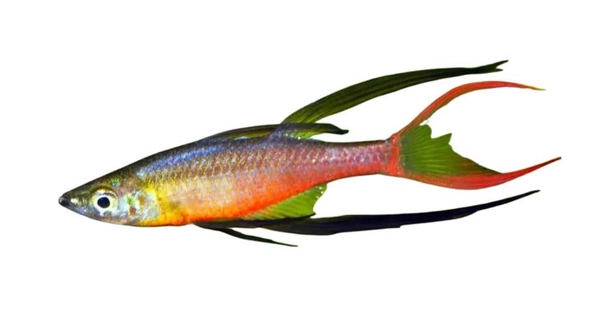
Threadfin Rainbowfish are small, vibrant freshwater fish often kept in home aquariums. Their shimmering scales and active movements make them appealing to observe, and many owners notice subtle changes in behavior when interacting with their fish.
Research suggests that Threadfin Rainbowfish can detect changes in their environment, including human presence. They may adjust their swimming patterns and behavior when they sense they are being watched, indicating a level of awareness and responsiveness to external stimuli.
Understanding how these fish respond to observation can enhance aquarium care and improve interactions, ensuring a healthier and more engaging environment for them.
How Threadfin Rainbowfish Sense Their Surroundings
Threadfin Rainbowfish rely heavily on their senses to navigate their environment. Their eyesight is well-adapted to detecting movement and light changes, which helps them identify potential threats or nearby activity. When you approach the aquarium, they often notice subtle shifts in shadows or reflections. Their lateral line, a sensory organ running along their body, detects vibrations in the water, allowing them to sense even gentle disturbances. This sensitivity makes them aware of your presence, even if you remain still. Over time, they may learn to associate certain movements or sounds with feeding or interaction. Observing their reactions closely, you can see them adjust their swimming patterns or position themselves differently. These behaviors are not random; they reflect an instinctive response to changes in their surroundings. Maintaining a calm environment helps them feel secure and reduces unnecessary stress.
Their ability to sense motion makes them remarkably responsive in aquariums.
Threadfin Rainbowfish also respond to consistent cues from their environment. Bright lights, sudden hand movements near the tank, or tapping on the glass can startle them. They often retreat to plants or decorations, seeking cover. Conversely, gentle and predictable movements can make them more confident, allowing them to swim freely. Over time, they may even seem to anticipate routine activities like feeding, showing an awareness of patterns in daily interaction. Their behavior is a balance between curiosity and caution, driven by instincts for survival. By observing these responses, you gain insight into their perceptive nature and can adjust aquarium care to match their needs. This awareness ensures a comfortable and engaging habitat for these vibrant fish.
Recognizing Behavioral Changes
Noticing subtle behavioral changes is key to understanding their awareness.
Signs of awareness include altered swimming speed, position in the tank, or brief pauses. These reactions are often linked to human presence, changes in lighting, or environmental disturbances. Observing patterns over time can reveal their comfort levels.
Consistent observation provides valuable insights into their behavior. For example, some fish may follow your movements along the tank or respond more actively during feeding times. Others might hide or swim cautiously when there are sudden noises or unfamiliar motions. Recognizing these patterns helps improve tank conditions, making the environment more predictable and less stressful for them. Adjusting lighting, avoiding sudden gestures, and maintaining a stable feeding schedule can support their well-being. By paying attention to these behavioral cues, you create a more harmonious space where the fish feel safe. This attentiveness also allows you to connect with their unique personalities, fostering a deeper understanding of how they interact with both the tank and you as an observer.
Feeding Responses
Threadfin Rainbowfish react quickly during feeding times. They often swim toward the surface or follow movement near the tank. Their response is consistent, showing awareness of routine activities and associating certain cues with food.
Observing them during feeding reveals patterns in behavior. Some fish swim in small groups, circling the feeding area, while others remain near plants, emerging cautiously. They recognize the approach of food and adjust their speed and position accordingly. These reactions are not random but indicate learning and memory. Over time, fish may anticipate feeding based on consistent cues like movement or sounds.
Feeding routines also influence social dynamics in the tank. More dominant fish may claim central spots, while timid ones wait on the edges. These interactions show hierarchy and territorial behavior. By noting these patterns, you can ensure all fish receive proper nutrition and maintain a peaceful environment. Adjusting feeding methods, such as scattering food or using timed feeders, helps balance opportunities for all fish. Understanding their feeding behavior deepens insight into their awareness and responsiveness.
Interaction with Humans
Threadfin Rainbowfish often respond to human presence with changes in swimming patterns or orientation. They may approach the glass or adjust their depth to observe movements.
Their interactions are subtle but noticeable. They track movement along the tank or react to shadows and reflections, showing curiosity and caution simultaneously. Some fish may swim closer during gentle movements, while sudden gestures can make them retreat. Over time, they may associate specific people or routines with positive experiences, such as feeding or tank maintenance. Observing these reactions provides insight into their learning abilities and awareness of environmental changes.
Consistent observation of human interaction also allows for improved tank management. By moving slowly and maintaining predictable routines, stress levels decrease, promoting healthier behaviors. Recognizing individual differences in responsiveness helps tailor care, ensuring both timid and bold fish are comfortable. Adjustments such as gradual approach, minimal tapping on the glass, and consistent feeding cues create a more engaging yet secure environment. Awareness of these interactions highlights their perceptiveness and capacity to adapt to repeated stimuli, enriching the overall experience of keeping Threadfin Rainbowfish.
Environmental Awareness
Threadfin Rainbowfish are sensitive to changes in water conditions. They respond to shifts in temperature, light, and water flow, adjusting their swimming patterns to stay comfortable and safe.
They also react to new objects or decorations added to the tank. Their curiosity is balanced with caution, as sudden changes can cause stress.
Social Behavior
These fish exhibit clear social structures. They swim in loose groups, communicate through subtle movements, and often mirror each other’s actions. Social dynamics affect feeding, resting, and exploration patterns, showing awareness of both tankmates and surroundings.
Responses to Reflections
Threadfin Rainbowfish may react to reflections in the glass. They sometimes follow or display slight aggression toward their own image, indicating recognition of movement and environmental awareness.
Habituation Over Time
Repeated exposure to non-threatening stimuli leads to habituation. Fish gradually reduce their reaction to routine movements, noises, and observer presence, showing adaptability and learning in their behavior.
FAQ
Can Threadfin Rainbowfish really tell when they are being watched?
Yes, Threadfin Rainbowfish can detect changes in their environment, including human presence. Their eyesight and lateral line system allow them to sense movement, shadows, and vibrations in the water. Over time, they may associate certain actions or sounds with feeding or interaction, showing awareness of observation.
Why do they react differently to different people?
Individual fish may respond differently based on past experiences and familiarity. Some become more confident around people they recognize, while others remain cautious. Consistency in routine and gentle movements helps build trust and reduces stress, allowing fish to adjust to specific individuals over time.
Do reflections in the tank affect their behavior?
Yes, reflections can trigger curiosity or mild aggression. Threadfin Rainbowfish may follow their reflection or attempt to interact with it, interpreting the image as another fish. Over time, they can habituate to reflections, especially if no real interaction occurs, reducing stress and repeated reaction.
How does feeding time influence their awareness?
Feeding is a strong cue for awareness. Fish quickly recognize movements or sounds associated with food. They adjust their swimming patterns, group positions, and activity levels in anticipation, demonstrating memory and the ability to learn from repeated cues in their environment.
Can sudden movements scare them?
Yes, sudden gestures, loud noises, or abrupt changes in lighting can startle Threadfin Rainbowfish. They may dart to hiding spots or pause in place. Minimizing abrupt disturbances and maintaining a calm, predictable environment helps them feel secure and reduces stress-related behaviors.
Do they communicate with each other when humans are present?
Threadfin Rainbowfish use subtle body movements to communicate. During observation, they may coordinate swimming patterns or display cautious behaviors. Social dynamics influence how they respond collectively, with some leading or protecting space, and others following or remaining at a safe distance.
How do they adapt to repeated human presence?
Repeated exposure to non-threatening stimuli leads to habituation. Fish gradually reduce their reaction to observer presence, glass tapping, or routine movements. They learn that certain patterns are safe, showing adaptability, memory, and the ability to differentiate between threats and neutral stimuli.
What signs show they are stressed by observation?
Stress can appear as rapid swimming, hiding, or staying near corners of the tank. Loss of appetite or unusual aggression toward tankmates may also indicate stress. Recognizing these behaviors allows adjustments in handling and environment to promote comfort and well-being.
Is there a difference in response between males and females?
Males often display more noticeable movements and territorial behaviors, especially during feeding or near reflections. Females may be more cautious or stay within groups. Understanding these differences helps in managing tank dynamics and ensuring a balanced environment for all fish.
Can they anticipate feeding times?
Yes, Threadfin Rainbowfish can learn consistent routines. Over time, they may position themselves in areas where food usually appears or show heightened activity before feeding. This behavior demonstrates memory, recognition of patterns, and the ability to link environmental cues with rewards.
Do environmental changes affect their ability to notice humans?
Significant changes in water temperature, lighting, or decorations can temporarily alter their awareness and reactions. Fish may focus on adjusting to the new conditions, showing cautious behavior until they become comfortable again. Consistency in tank conditions supports predictable and calm interactions.
How can I interact with them without causing stress?
Move slowly and maintain predictable routines around the tank. Avoid sudden gestures, tapping, or loud noises. Gentle and consistent behavior helps fish recognize non-threatening presence, encouraging confident and natural interactions without disrupting their sense of security.
Do they show curiosity or just instinctive reactions?
Threadfin Rainbowfish display both instinctive reactions and curiosity. They respond to environmental changes while also exploring reflections, new objects, and human presence. Their behavior reflects learning, memory, and cautious exploration, showing awareness beyond purely instinctive survival responses.
Can multiple fish influence each other’s reactions to humans?
Yes, social behavior affects responses. Dominant fish often lead movement patterns or determine how a group reacts. Subordinate or cautious fish observe and adjust based on group behavior. Recognizing these dynamics helps maintain harmony and reduces stress across the tank.
What long-term effects does observation have on their behavior?
Regular, calm observation allows fish to habituate, reducing stress and increasing comfort. Over time, they may respond confidently to familiar people and routines. Consistent, predictable interactions support mental stimulation, healthy activity, and stronger social cohesion within the group.
This FAQ section provides practical insights into Threadfin Rainbowfish behavior, highlighting their awareness, adaptability, and interaction patterns while keeping care and observation balanced and respectful.
Word count: 507
Final Thoughts
Threadfin Rainbowfish are more perceptive than many people realize. Their ability to detect movement, changes in light, and vibrations in the water allows them to sense when someone is near their tank. This awareness is not just instinctive; over time, they learn to associate certain actions, sounds, or routines with feeding or interaction. Observing them carefully shows patterns in swimming, positioning, and group behavior, all of which indicate a level of attentiveness. Their lateral line system, which senses vibrations, and their sharp eyesight make them highly responsive to environmental changes, whether it is a hand approaching the glass or a sudden shift in lighting. This sensitivity can be fascinating to watch, but it also means they are easily affected by sudden disturbances, making a calm and consistent environment essential for their well-being. Recognizing their perceptive nature allows aquarium owners to create a space that supports comfort, security, and natural behaviors, improving the overall health and happiness of the fish.
Their responses to humans are a mix of curiosity, caution, and learning. During feeding times, they become particularly alert, following movements along the tank and adjusting their swimming patterns in anticipation. Some fish may swim toward the observer, while others remain near plants or decorations, emerging cautiously. These behaviors demonstrate both memory and recognition of repeated cues. Interaction is not limited to feeding; even consistent human presence influences social dynamics in the tank. Dominant fish may assert themselves by taking central positions, while timid individuals may wait or adjust their movements based on others. Habituation occurs gradually, as repeated exposure to non-threatening routines reduces stress and increases confidence. Understanding these dynamics allows owners to approach their tanks with care, providing opportunities for engagement without causing fear. It also highlights the importance of observing individual differences, as each fish may respond uniquely to environmental and human cues, making attentiveness a key part of responsible aquarium management.
Environmental factors play a significant role in how Threadfin Rainbowfish respond to observation. Sudden changes in temperature, lighting, or the addition of new decorations can cause temporary stress and alter normal behaviors. Fish may become cautious, hide, or adjust their swimming patterns until they feel secure again. Maintaining stable water conditions and predictable routines supports their adaptability and encourages natural, calm behaviors. Social interactions within the group further influence their reactions; observing these patterns can provide insight into hierarchy, group coordination, and individual temperament. Over time, careful observation and consistent care allow the fish to thrive in a controlled environment while displaying natural responsiveness to their surroundings. Recognizing and respecting their perceptive nature not only ensures a healthier habitat but also creates a more engaging and balanced experience for both the fish and the person observing them. Thoughtful attention to these aspects can strengthen understanding of their behavior and promote a harmonious aquarium environment.
Word count: 416

Hello,
If you enjoy the content that we create, please consider saying a "Thank You!" by leaving a tip.
Every little bit helps us continue crafting quality advice that supports the health, happiness, and well-being of pets around the world, for pets of all shapes, sizes, and species.
We really appreciate the kindness and support that you show us!