
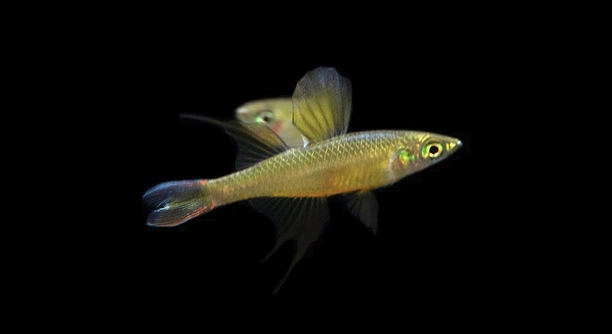
Threadfin Rainbowfish are small, colorful freshwater fish that brighten up any aquarium. They are known for their shimmering scales and lively behavior, often swimming in groups and creating a dynamic environment in the tank.
Threadfin Rainbowfish exhibit distinct behavioral changes at night. They become less active, often seeking shelter among plants or decorations, and reduce social interactions. These nocturnal patterns are consistent and can be observed across healthy, well-maintained aquariums.
Observing these shifts provides insight into their natural habits and helps create a more suitable environment for their well-being. Understanding their behavior can improve care and tank management.
Daytime Behavior of Threadfin Rainbowfish
During the day, Threadfin Rainbowfish are energetic and social. They swim actively in schools, exploring every corner of the tank. Their bright colors are most visible in daylight, making them a lively addition to any aquarium. They often chase smaller particles in the water, nibble on flakes or live food, and interact with each other through gentle nudges and synchronized swimming. Observing them during daytime reveals their natural curiosity and territorial instincts. They prefer open swimming areas but also appreciate plants or hiding spots for resting or feeling secure. Feeding times are usually lively, as fish compete for food without showing aggression. Maintaining proper lighting enhances their colors and supports their circadian rhythm. Monitoring water quality and temperature is essential because their activity and health depend heavily on stable conditions. A well-structured tank encourages natural behavior while keeping them stress-free and visually striking.
Daytime activity is intense, social, and energetic. Proper lighting and tank structure help maintain their health and behavior.
Watching their daily routines helps understand their preferences and creates a healthier, more balanced environment in your aquarium. Observing patterns makes caring for them easier.
Nighttime Adjustments
At night, Threadfin Rainbowfish slow down and reduce movement, seeking shelter among plants or decorations.
As darkness falls, their activity decreases significantly. They become less social, often splitting from the group to rest. While some may continue minor exploration, most settle in secure spots, hidden from view. Nighttime behavior is influenced by light levels, tank size, and structure. Maintaining a regular day-night cycle helps regulate their natural rhythm, promoting health and reducing stress. Sudden changes in lighting can startle them, causing unnecessary panic or injury. Providing adequate hiding spaces mimics natural conditions, allowing them to feel secure. Observing these nighttime adjustments offers insight into their natural routines. A balanced environment ensures they wake refreshed and active during daylight hours. Careful attention to these shifts helps aquarists create a stable habitat while appreciating the subtle behavioral changes that nighttime brings.
Would you like me to continue with the next section following the same structure?
Feeding Patterns at Different Times
Threadfin Rainbowfish tend to eat more actively during the day and slow down at night. They prefer small, frequent meals and respond quickly to food placed in the tank. Nighttime feeding is minimal and often ignored.
During daylight, they are eager for flakes, pellets, or live food. Feeding stimulates their activity, with fish often competing gently for each morsel. Overfeeding should be avoided, as excess food can pollute the water and harm their health. Watching their feeding behavior helps gauge overall well-being. Their appetite can indicate stress, illness, or water quality issues, so maintaining consistent routines is important. Proper portioning ensures they remain healthy without causing unnecessary waste in the tank.
Nighttime feeding should be limited, as fish are less active and often do not notice food. Offering food during their active period ensures they get proper nutrition. Observing their appetite at different times helps manage diet and supports a balanced environment, improving both behavior and health.
Tank Environment and Lighting
Lighting and tank setup significantly influence Threadfin Rainbowfish behavior. Bright, consistent light encourages daytime activity, while dimming simulates natural night conditions. Plants, decorations, and open swimming areas provide both security and freedom.
A well-structured tank supports natural rhythms. Dense plants offer hiding spots, reducing stress, while open areas allow schooling and exploration. Lighting changes should be gradual to prevent startling the fish. Temperature and water quality play a role in behavior, as unstable conditions can cause inactivity or aggression. Observing responses to different setups helps optimize the environment. Proper balance between shelter and space encourages healthy activity patterns, supporting both physical health and natural behaviors. Fish become more confident and active in a carefully managed tank.
Social Interaction Variations
Threadfin Rainbowfish are highly social during the day, swimming in groups and interacting actively. At night, they reduce these interactions, often resting apart or staying close to secure hiding spots.
Even when in groups, nighttime behavior is calmer. Fish display less chasing or nudging, conserving energy until daylight returns.
Response to Stress
Stress can alter normal day-night behavior. Changes in lighting, water quality, or sudden disturbances may cause fish to hide excessively or act unusually. Observing these patterns helps identify problems quickly.
Maintaining a stable environment with predictable light cycles, clean water, and minimal disturbances reduces stress. Stress responses are easier to detect when their regular behavior is understood. Healthy fish follow a consistent rhythm, while stressed fish may become lethargic or overly cautious at night, avoiding open spaces and clustering in tight hiding spots. Consistency in care improves their confidence and overall well-being, ensuring activity remains natural and balanced.
Monitoring Overall Health
Behavioral changes can signal health issues. Less activity, refusal to eat, or erratic swimming may indicate problems.
FAQ
Do Threadfin Rainbowfish sleep at night?
Yes, Threadfin Rainbowfish enter a resting state at night. They do not sleep like mammals, but their activity slows significantly. Most find shelter among plants, decorations, or other secure spots in the tank, reducing movement and conserving energy until daylight returns.
Why do they hide at night?
Hiding is a natural behavior that helps them feel safe. Darkness triggers their instinct to seek protection from potential predators. Even in a secure aquarium, this behavior persists. Providing plants, caves, or other hiding spaces ensures they feel comfortable and reduces nighttime stress.
Do they eat at night?
Feeding at night is minimal. Threadfin Rainbowfish are primarily diurnal and prefer daytime feeding. Offering food after lights go out is usually ignored, so it is best to feed them during daylight hours when they are most active and responsive.
Can lighting affect their behavior?
Absolutely. Bright, consistent lighting encourages daytime activity and highlights their colors. Gradually dimming lights simulates natural evening conditions, allowing them to adjust without stress. Sudden changes in lighting can startle them, causing panic or unusual hiding. Proper lighting supports their circadian rhythm.
How can I tell if they are stressed at night?
Indicators of stress include excessive hiding, clumping in corners, or erratic swimming when lights go out. Stressed fish may also refuse food during the day. Maintaining stable water conditions, gentle lighting changes, and a secure tank setup helps prevent stress. Observing patterns is key.
Do all Threadfin Rainbowfish act the same at night?
Individual differences exist. Some may be more active at night, exploring lightly, while others remain hidden. Age, personality, and tank conditions influence behavior. Observing your specific group helps you understand their unique nighttime patterns and adjust the tank environment accordingly.
Can nighttime activity affect health?
Yes. Lack of proper rest can lead to stress and weaken the immune system. Ensuring a stable day-night cycle, adequate hiding spots, and minimal disturbances helps them maintain healthy behavior patterns and overall well-being.
Is it necessary to turn off tank lights at night?
Turning off or dimming lights at night is important. Continuous bright light can disrupt their natural rhythm, cause stress, and affect feeding and activity patterns. Using a timer helps create a consistent cycle, ensuring they get predictable periods of rest.
Do they interact with other fish at night?
Interaction is limited. Nighttime reduces social behaviors, and fish often retreat to separate hiding spots. Observing this reduction is normal and should not be a cause for concern, as it reflects their natural rest cycle.
How can I encourage healthy night behavior?
Maintain stable water conditions, consistent day-night lighting, and provide plenty of hiding spots. Avoid sudden disturbances or overhandling at night. Understanding and respecting their natural rhythm helps promote health, reduces stress, and allows you to observe natural patterns comfortably.
Can tank size influence nighttime behavior?
Yes, smaller tanks may make fish feel exposed, increasing hiding behavior. Larger tanks with adequate plants and decorations provide secure areas for resting, encouraging calmer and more natural nighttime activity. Proper space supports social structure and reduces stress-related behaviors.
Are there signs of illness that appear more at night?
Some illnesses may be noticed at night through reduced activity, clamped fins, or unusual hiding patterns. Monitoring their nighttime behavior alongside daytime activity provides a clearer picture of health, helping detect problems early.
Does water temperature impact their night routine?
Water temperature affects metabolism and activity. Cooler or unstable temperatures can make fish lethargic or increase hiding. Maintaining a stable, appropriate temperature range ensures normal behavior both day and night, supporting health and reducing stress.
How long does their nighttime resting last?
Nighttime resting typically lasts for the duration of darkness, often 8–12 hours depending on lighting schedules. Regular cycles help reinforce their internal rhythm, promoting alertness and active behavior during the day.
Can I observe them at night without disturbing them?
Yes, using dim red lighting or night-vision cameras allows observation without startling them. Avoid bright lights or tapping on the tank, as sudden stimuli can cause stress and interrupt their resting behavior.
Do they ever show playful behavior at night?
Playful activity is rare at night. Most behavior is calm and restorative. Occasional light swimming or brief exploration may occur, but active schooling or chasing is almost exclusively daytime behavior. Recognizing this helps set expectations for nighttime observation.
How important is consistency for their routine?
Consistency is key. Regular feeding times, stable lighting, and minimal nighttime disturbances help Threadfin Rainbowfish maintain predictable day-night behaviors. Disruptions can lead to stress, reduced activity, or health issues. Observing patterns and maintaining structure benefits both fish and aquarist management.
Can they adapt to unusual schedules?
They can adapt slightly, but extreme or irregular schedules disrupt natural rhythms. Prolonged light at night or inconsistent feeding can cause stress, reduced coloration, and abnormal behavior. Gradual adjustments are preferable if changes are necessary for tank management.
Does tank decoration impact nighttime comfort?
Yes, plants, rocks, and caves provide hiding and resting spots, increasing security. Sparse tanks may leave them exposed, causing stress and less natural resting behavior. A balanced layout encourages normal activity patterns and promotes a healthier environment.
What should I do if they are unusually inactive at night?
Monitor water quality, temperature, and overall health. Slight inactivity is normal, but extreme lethargy may indicate stress or illness. Checking for disease, maintaining stable conditions, and observing daytime behavior helps ensure proper care.
Can nighttime behavior indicate social hierarchy?
Yes, dominant fish may claim preferred hiding spots, while others adjust around them. Observing these interactions can provide insight into social structure and help manage tank harmony.
Are there seasonal changes in behavior?
Minor seasonal changes can occur with light duration or temperature fluctuations. Fish may adjust activity levels slightly, but consistent care mitigates stress. Observing seasonal patterns can help adjust feeding and tank maintenance accordingly.
Do they show aggression at night?
Aggression is rare at night. Reduced activity and limited social interaction minimize conflicts. Most fish remain calm and focus on resting. Proper tank structure further reduces tension and supports peaceful nighttime behavior.
Is observing nighttime behavior useful for care?
Yes, monitoring nighttime patterns provides insights into stress, health, and comfort levels. Recognizing deviations from normal behavior allows early intervention, improving both daily management and long-term well-being of your Threadfin Rainbowfish.
Can they recognize feeding times at night?
Typically, no. They rely on daylight cues for activity and feeding. Feeding during the day ensures proper nutrition and aligns with their natural rhythms. Nighttime feeding is generally ignored and unnecessary.
How do plants influence nighttime behavior?
Plants offer security and reduce stress, allowing fish to rest without feeling exposed. Dense or tall plants are particularly valuable for providing shade and secluded spots, supporting natural nighttime patterns and calmer behavior.
Do they show different behaviors individually at night?
Yes, some may rest more openly while others prefer complete concealment. Personality, age, and previous experiences influence individual choices. Observing each fish helps provide tailored care and ensures all feel secure.
Are nocturnal lights helpful?
Low-intensity red or blue lights can aid observation without disturbing fish. Bright lights at night disrupt rest and cause stress. Night lighting should prioritize minimal intrusion while supporting natural cycles.
Do they interact with tank equipment at night?
Interaction with filters, heaters, or pumps is minimal. Fish usually avoid these areas during rest, focusing on sheltered spots. Proper equipment placement reduces disturbance and promotes calmer nighttime behavior.
Can sudden noises affect them at night?
Yes, sudden vibrations or loud noises can startle fish, triggering frantic swimming or hiding. Keeping the environment quiet at night supports normal resting behavior and reduces stress.
Do they change color at night?
Coloration may appear duller at night due to reduced activity and dim lighting. This is normal and not a sign of illness. Colors typically return to normal during daytime activity.
How long does it take them to resume normal activity in the morning?
Most fish gradually increase movement as lights come on. Within minutes to an hour, they become active, feeding, and schooling. Maintaining consistent lighting helps ensure predictable transitions and healthy morning behavior.
Can nighttime stress affect daytime behavior?
Yes, disrupted rest can make fish lethargic, reduce appetite, and increase sensitivity during the day. Consistent night conditions help maintain overall health and regular daily activity patterns.
Are hiding spots more important at night than during the day?
They are crucial at night, providing security and reducing stress. While daytime activity allows exploration, nighttime resting requires safe spaces to feel protected, which supports overall well-being.
How can I track normal night behavior?
Observing without disturbance, noting patterns, and recording unusual changes helps track behavior. Gradual adjustments in tank conditions or lighting can be monitored for effects, ensuring a stable, healthy environment.
Do they interact with other species at night?
Nighttime interactions are minimal. Other tank mates generally follow the same pattern of reduced activity and rest. Ensuring compatible species and adequate hiding spaces helps maintain calm night behavior.
Can feeding too late disrupt their night pattern?
Yes, feeding after lights go out can encourage activity when they should rest, disrupting natural rhythms. Feeding should occur during their active daylight period to maintain a consistent schedule.
Is water clarity important for nighttime behavior?
Clear water supports normal behavior, as murky conditions can increase stress and hiding. Maintaining proper filtration and water quality helps them navigate and feel secure during both day and night.
Do they prefer specific tank areas at night?
Yes, fish often select secluded corners or dense plant clusters. Observing these preferences helps optimize tank layout, ensuring everyone has adequate resting spots and reducing nighttime stress.
Are nighttime changes in behavior reversible?
Yes, providing stable conditions, proper lighting, and secure hiding spaces restores normal night behavior. Fish adapt quickly when their environment is predictable and safe.
Can observing night behavior prevent future issues?
Monitoring nighttime patterns allows early detection of stress, illness, or environmental problems. Recognizing deviations helps address issues before they affect overall health or daytime behavior.
Do younger fish behave differently at night?
Juveniles may be more exploratory and less predictable, while adults tend to rest in secure spots consistently. Understanding age-related differences helps create an appropriate tank environment.
Can tankmates affect nighttime behavior?
Yes, aggressive or overly active tankmates may disturb resting fish. Adequate hiding spaces and compatible species reduce stress and encourage natural night behavior.
How do I encourage consistent night behavior?
Maintain stable water parameters, consistent lighting schedules, adequate hiding spots, and minimal nighttime disturbances. Observing their natural rhythms allows for adjustments that support health and comfort.
Are nighttime observations important for breeding?
Night behavior provides insight into stress, comfort, and health, all of which influence breeding readiness. Calm, well-rested fish are more likely to display natural reproductive behaviors during the day.
Do they ever move actively at night?
Occasional light swimming occurs, usually brief and within shelter areas. Active schooling or chasing is rare at night. Observing this helps distinguish normal resting behavior from potential stress signs.
Can environmental enrichment affect night behavior?
Yes, varied plants, hiding spots, and decorations make fish feel secure, reducing stress and promoting calm, natural night activity. Enrichment supports both mental and physical health.
Do changes in feeding routines affect night behavior?
Irregular feeding can lead to nighttime restlessness or unusual activity. Maintaining predictable daytime feeding helps preserve natural resting patterns and reduces stress.
How long does it take to establish a stable night routine?
Most fish adjust within a few days to weeks, depending on consistency in lighting, tank structure, and minimal disturbances. Patience ensures smooth adaptation and healthier behavior.
Are there signs of aging visible at night?
Older fish may rest more deeply or hide longer. Reduced night activity can indicate normal aging rather than illness. Observing over time helps distinguish age-related changes from health concerns.
Can nighttime water movement affect behavior?
Excessive currents may disturb resting fish. Gentle, consistent water flow ensures comfort, allowing them to rest without unnecessary stress. Proper placement of pumps and filters minimizes disturbance.
Does tank cover affect night behavior?
A secure cover prevents external light or disturbances from startling them. Covers also reduce evaporation and maintain temperature, supporting stable conditions for natural night behavior.
Do they prefer group resting or individual hiding?
Both occur. Some fish cluster in safe areas, while others choose solitary spots. Observing preferences helps optimize tank layout, ensuring security for all individuals.
Can nighttime observation help improve care routines?
Yes, monitoring behavior allows adjustments in feeding, lighting, tank structure, and social management, supporting health and maintaining natural rhythms. Observing patterns guides better long-term care.
Do they ever interact with the tank glass at night?
Rarely. Nighttime activity focuses on resting and sheltering. Interaction with glass is more common during active daylight hours when they explore boundaries and territory.
How important is temperature stability for night behavior?
Temperature fluctuations can increase stress and disrupt resting. Maintaining consistent warmth supports normal night activity and overall health. Stable conditions encourage predictable routines.
Can nighttime behavior indicate water quality problems?
Yes, unusual restlessness, hiding, or lethargy may signal ammonia, nitrite, nitrate issues, or pH imbalance. Monitoring behavior complements water testing to ensure a safe environment.
Are nocturnal reflections in the glass a concern?
Reflections can startle fish at night. Minimizing reflective surfaces or dimming lights helps maintain calm behavior. Fish are more comfortable in a stable, low-disturbance environment.
Do they respond to human presence at night?
Responses are minimal. Sudden movements or light from viewing the tank may disturb them. Observing quietly or using dim red lighting allows safe monitoring without stress.
How often should nighttime behavior be monitored?
Regular but non-intrusive observation is sufficient. Weekly checks combined with occasional detailed monitoring help detect stress, illness, or environmental issues without disturbing their rest.
Can night behavior predict daytime mood?
Yes, calm nighttime behavior often corresponds to active, healthy daytime patterns. Restless or stressed nights may indicate potential issues affecting daytime activity and overall well-being.
Do nighttime patterns differ between males and females?
Differences are subtle. Males may assert dominance over preferred hiding spots, while females may cluster or choose solitary rest. Observing gender-specific preferences helps maintain harmony and proper tank management.
Can I use automated feeders at night?
It is unnecessary. Automated feeders at night may disturb natural rest patterns. Daytime feeding ensures proper nutrition and supports natural activity cycles.
Are there signs of reproductive readiness at night?
Subtle behaviors, like choosing specific shelters, may hint at readiness, but most reproductive activity occurs during the day. Nighttime observations primarily indicate comfort and stress levels.
Do they ever engage in playful chasing at night?
Playful chasing is almost exclusive to daylight. Nighttime activity is calm and focused on resting, with minimal movement and interaction.
How do I differentiate normal night rest from lethargy?
Normal rest involves slow, minimal movement in secure spots. Lethargy may involve abnormal posture, clamped fins, or refusal to respond to gentle stimuli. Comparing day and night behavior helps identify issues.
Does water flow direction matter at night?
Yes, gentle, predictable flow prevents disturbance. Sudden or strong currents can stress resting fish and disrupt normal nighttime behavior. Proper placement of pumps ensures calm conditions.
How does tank noise affect night behavior?
External noise vibrations can startle fish, causing unusual activity or hiding. Minimizing noise during nighttime supports normal rest and reduces stress.
Are nighttime patterns influenced by feeding schedule consistency?
Yes, regular feeding promotes predictable night resting. Irregular schedules can lead to restlessness, reduced sleep, and stress, affecting overall behavior and health.
Can observing night behavior help with breeding preparation?
Yes, understanding resting habits, stress levels, and social interactions provides insights into readiness. Calm, secure fish are more likely to display successful reproductive behaviors during the day.
Do nighttime patterns vary in newly introduced fish?
New fish may hide more and explore less during initial nights. Gradual acclimation to tank conditions helps them establish normal resting behavior over time.
Can nighttime behavior be used to detect illness early?
Yes, deviations such as excessive hiding, erratic swimming, or lethargy can indicate health problems. Early detection through observation allows prompt intervention and treatment.
Are there behavioral differences in older versus younger fish at night?
Older fish may rest longer or select more secure spots. Juveniles might explore slightly more but still reduce activity compared to daytime. Age-related patterns help guide care and tank arrangement.
Do nighttime observations help with tank layout decisions?
Yes, noticing preferred hiding spots, movement patterns, and resting areas informs plant placement, decorations, and overall tank structure to optimize comfort and reduce stress.
Is night behavior affected by other nocturnal species in the tank?
Yes, active nocturnal species may disturb resting fish. Providing separate hiding spaces or monitoring interactions helps maintain calm and predictable nighttime behavior.
Do lighting color or intensity changes affect them at night?
Red or dim blue lighting is less intrusive. Sudden bright light disrupts resting behavior and increases stress, while gentle illumination allows safe observation and preserves natural rhythms.
Are night activity levels consistent every day?
They can vary slightly due to minor environmental changes, but generally, night activity follows a predictable pattern. Consistency in tank conditions ensures reliable resting behavior.
Can nighttime patterns indicate long-term health trends?
Yes, deviations in activity, hiding, or interaction can signal early health issues, stress, or aging effects. Tracking patterns over time helps ensure long-term well-being.
Do they ever show curiosity at night?
Curiosity is mostly absent at night. Fish prioritize resting and security, with limited exploration or interaction during darkness.
Can nighttime patterns help improve daily care routines?
Yes, observing night behavior allows adjustments in feeding, lighting, and tank setup, ensuring healthier and more predictable daily activity patterns.
Are nighttime behaviors different in community tanks versus single-species tanks?
Yes, interactions and hiding preferences may vary with tankmates. Community tanks require careful observation and adequate hiding spaces to support calm night behavior.
Do fish ever move in groups at night?
Some may cluster for security, but active schooling is rare. Group resting is minimal compared to daytime social activity.
Is monitoring night behavior time-consuming?
Not necessarily. Brief, consistent checks provide valuable insights into health and comfort, guiding tank management without excessive effort.
Can nighttime stress affect coloration?
Yes, stressed fish may appear duller or lose vibrancy temporarily. Stable lighting, hiding spots, and minimal disturbances help maintain natural coloration.
Do they prefer specific tank zones for resting?
Yes, corners, dense plants, or shaded areas are commonly chosen. Observing preferences helps optimize layout for comfort and reduces stress.
**How can I support their natural night
Threadfin Rainbowfish are fascinating creatures that display clear differences between their daytime and nighttime behavior. During the day, they are active, social, and colorful, swimming in groups and exploring their environment. Nighttime brings a noticeable change, with most fish slowing down, hiding, or resting in secure areas. Understanding these natural patterns is important for anyone keeping these fish, as it helps maintain their health and comfort. Observing their routines can also be rewarding, as it offers insight into their instincts and preferences. Their shift from activity to rest is a reflection of their natural circadian rhythm, which is influenced by light, temperature, and the structure of their habitat. By providing consistent conditions, aquarists can support these behaviors and ensure the fish thrive in captivity.
Creating a suitable environment is essential for maintaining their natural day-night cycle. Adequate lighting, hiding spots, and open swimming areas all contribute to a comfortable habitat. Plants, rocks, and decorations provide places for them to feel secure at night, while still allowing room for daytime activity. Maintaining stable water quality and temperature is equally important, as fluctuations can increase stress and affect both daytime and nighttime behavior. Feeding routines should align with their active periods to promote proper nutrition and avoid disrupting their rest. By paying attention to these factors, caretakers can help Threadfin Rainbowfish develop predictable behavior patterns, reduce stress, and maintain overall health. Observing subtle changes, such as shifts in hiding preferences or energy levels, provides important feedback about their well-being. Small adjustments in tank layout or care routines can have a significant impact on creating a balanced environment.
Consistency in care and observation is key to supporting healthy fish behavior. Understanding the differences between daytime activity and nighttime rest allows aquarists to respond appropriately to their needs. Nighttime behavior, such as hiding, reduced movement, or resting in sheltered areas, is normal and indicates that the fish feel secure. By monitoring these patterns regularly, it becomes easier to identify stress, illness, or environmental issues before they become serious. Taking time to observe the fish at different times of day helps ensure that their habitat meets both physical and psychological needs. With proper care, attention to lighting, feeding, and tank setup, Threadfin Rainbowfish can maintain a natural rhythm that promotes longevity and overall well-being. Recognizing and supporting their nighttime behavior is as important as attending to their daytime activity, creating a healthier and more harmonious aquarium environment.

Hello,
If you enjoy the content that we create, please consider saying a "Thank You!" by leaving a tip.
Every little bit helps us continue crafting quality advice that supports the health, happiness, and well-being of pets around the world, for pets of all shapes, sizes, and species.
We really appreciate the kindness and support that you show us!