
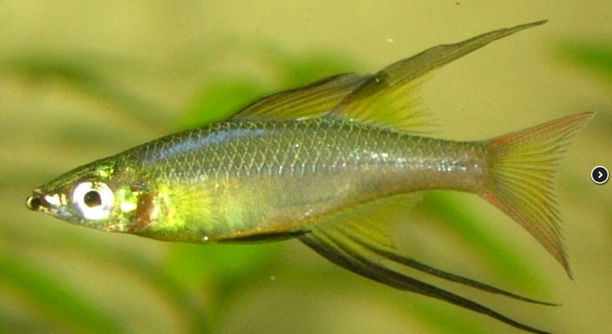
Have you ever introduced threadfins to a new tank or pond and noticed them acting unusually cautious or skittish? Their behavior can seem puzzling at first, especially when they hesitate to explore familiar spaces.
Threadfins often experience stress in new environments due to sudden changes in water temperature, lighting, or tank structure. Common fears include unfamiliar currents, new tank mates, altered feeding routines, and exposure to sudden noises, all of which impact their comfort and behavior.
Recognizing these common fears helps you create a calmer environment, allowing threadfins to adjust safely and thrive in their new home.
Sudden Changes in Water Temperature
Threadfins are highly sensitive to shifts in water temperature. Even a few degrees difference can make them anxious, slow their movement, or cause them to hide. In new tanks or ponds, this is common because the water may not match their previous environment. Maintaining a consistent temperature helps them feel safe. Sudden heating or cooling can trigger a stress response, which affects their appetite and overall activity. Using a reliable thermometer and adjusting gradually allows threadfins to adapt without shock. If they show signs of stress, it is important to observe them closely and avoid introducing any additional changes. Creating small, consistent adjustments to water conditions helps threadfins feel more secure. Over time, they become more comfortable exploring the tank and interacting with their environment, reducing stress-related behaviors and improving their health.
Keeping water at a steady, moderate temperature ensures threadfins remain calm and active, minimizing fear-related responses.
Gradual acclimation is key. Adding water slowly from the new tank to their transport container helps threadfins adjust. Avoid sudden water changes and monitor behavior daily to ensure stability. Proper heating equipment can maintain a comfortable, uniform temperature throughout the tank.
Unfamiliar Tank Mates
Introducing new fish alongside threadfins can create anxiety. They may perceive other species as threats, especially in confined spaces, leading to hiding, reduced feeding, or erratic swimming.
It’s important to introduce companions slowly. Quarantine new fish and use visual barriers initially. Monitor interactions and ensure that threadfins have safe hiding spots. Keeping the number of new tank mates low reduces stress and allows threadfins to feel secure. Gradually removing barriers as they adjust prevents fear-driven aggression or withdrawal. Providing enough space and creating separate territories with decorations or plants can also minimize tension. Patience during this period is crucial because threadfins need time to recognize that the new fish are not a danger. Over time, with careful observation, they may swim more freely, interact lightly, and regain confidence. Consistent feeding and minimal disruption during this period further support their adjustment. This approach fosters a healthier social environment and helps threadfins maintain normal routines while settling into the tank.
Loud or Sudden Noises
Threadfins react strongly to loud or sudden noises near their tank. They may dart, hide, or freeze, showing clear signs of stress. Keeping the environment calm helps them feel secure and prevents unnecessary fear responses.
Noise can cause prolonged stress, affecting feeding and immune health. Vibrations from nearby equipment, music, or footsteps can disturb threadfins. Minimizing sudden disturbances and placing the tank in a quiet area reduces anxiety. Over time, consistent quiet surroundings allow threadfins to explore naturally and regain confidence in swimming and feeding behaviors.
Frequent loud noises may lead to long-term behavioral issues. Threadfins that experience repeated shocks often become skittish and avoid open areas. Providing hiding spots, gentle filtration, and stable routines helps them cope. Gradually exposing them to minor, controlled sounds can reduce sensitivity, but patience and observation are essential to prevent excessive stress.
Changes in Lighting
Sudden changes in lighting can unsettle threadfins, making them hide or act lethargic. Consistent light cycles are important for their comfort and overall well-being.
Bright lights or direct sunlight can overwhelm threadfins, while very dim conditions may reduce their activity. Using timers to maintain a stable day-night cycle supports natural behavior and feeding patterns. Gradual adjustments in light intensity help them acclimate when moving to a new tank.
Threadfins rely on familiar light cues to feel safe and oriented. In new environments, abrupt lighting changes can disrupt their circadian rhythm, causing stress or inactivity. Ensuring areas with shade or cover allows them to retreat when needed. Proper lighting also influences algae growth and water quality, indirectly affecting their habitat. Consistent, moderate light encourages healthy activity, feeding, and exploration, helping threadfins adapt faster to unfamiliar surroundings while minimizing fear-driven behaviors.
Strong Currents
Threadfins can become stressed when exposed to strong or unfamiliar water currents. They may struggle to swim, hide, or avoid open areas, showing signs of discomfort. Adjusting the flow to a moderate level helps them feel secure and encourages natural movement.
Providing areas with calmer water allows threadfins to rest and explore without fear. Hiding spots or gentle barriers reduce the impact of currents and give them control over their environment, supporting confidence and reducing stress.
Limited Hiding Spots
Without sufficient places to hide, threadfins may feel exposed and anxious. They need secure areas to retreat when feeling threatened or unsure of the environment.
Providing plants, rocks, or small shelters allows threadfins to establish safe zones. These spaces reduce stress, encourage feeding, and support natural behavior. A well-structured tank balances open swimming areas with protective hiding spots, promoting comfort and confidence.
Sudden Feeding Changes
Abrupt changes in feeding routines can unsettle threadfins. They rely on predictable schedules and familiar food to feel secure and maintain proper nutrition.
FAQ
Why do threadfins hide so much in a new tank?
Threadfins hide primarily because they feel exposed and uncertain in an unfamiliar environment. Sudden changes in water temperature, lighting, or tank mates can trigger this behavior. Providing hiding spots, plants, or shelters helps them feel safe, reducing stress and encouraging exploration over time.
How can I help threadfins adjust to new tank mates?
Introducing new fish slowly is key. Quarantine newcomers first, then use visual barriers initially. Gradually remove barriers while observing interactions. Ensuring enough space and hiding spots reduces tension and allows threadfins to feel secure while learning that the new fish are not threats.
What is the best way to manage water temperature for threadfins?
Threadfins are sensitive to even small fluctuations. Maintaining a consistent temperature with a reliable thermometer is essential. Gradual adjustments when needed prevent shock, while stable heating equipment and careful monitoring keep the environment safe and comfortable. Sudden changes should always be avoided.
Why do threadfins panic with sudden noises?
Threadfins have heightened sensitivity to vibrations and loud sounds. They can perceive footsteps, equipment noise, or music as threats. Keeping the area around their tank quiet, avoiding abrupt disturbances, and providing hiding spots helps them feel secure and prevents prolonged stress responses.
How much lighting is suitable for threadfins?
Moderate, consistent lighting works best. Sudden bright lights or dark periods can disrupt behavior and feeding patterns. Timers can maintain stable day-night cycles. Shade or hiding areas allow threadfins to regulate exposure, supporting natural activity without fear. Gradual adjustments are necessary when changing lighting conditions.
Can strong water currents harm threadfins?
Strong or unfamiliar currents can exhaust threadfins and cause stress. They may hide or avoid swimming in exposed areas. Providing calmer zones, barriers, or plants allows them to move comfortably while still exercising. Controlled flow ensures safety and encourages natural behavior without overwhelming them.
What should I do if threadfins refuse food in a new environment?
Refusal to eat is often stress-related. Stick to familiar foods, maintain consistent feeding times, and ensure the tank environment is calm. Introducing food slowly and offering small portions helps them regain appetite. Reducing disturbances and providing secure hiding spots supports natural feeding behavior.
How important are hiding spots for threadfins?
Hiding spots are essential for reducing stress. Threadfins need safe areas to retreat when feeling anxious. Rocks, plants, and small shelters give them control over their environment, encourage exploration, and promote overall health. A balanced layout with open areas and hiding spaces works best.
Do threadfins adapt to new environments quickly?
Adaptation depends on the individual and the conditions. Gradual changes in water parameters, lighting, and tank setup help them adjust faster. Providing stable routines, hiding spots, and minimal stressors accelerates acclimation. Patience is essential, as forcing interaction or rapid changes can prolong anxiety.
Are sudden feeding or light schedule changes dangerous for threadfins?
Abrupt changes can cause stress, reduce appetite, and impact health. Maintaining consistent feeding and light schedules helps threadfins feel secure. Any changes should be gradual, allowing them to adapt without fear. Monitoring behavior during transitions ensures they remain healthy and comfortable.
How can I reduce stress in threadfins during tank maintenance?
Perform maintenance quietly and slowly. Avoid sudden water changes, loud noises, or rapid rearrangement of decorations. Use gradual water replacement and provide temporary hiding spots if necessary. Calm handling and minimal disruption support threadfins’ sense of safety and prevent fear-related behaviors.
Is it normal for threadfins to be skittish in new environments?
Yes, skittish behavior is common. Threadfins are naturally cautious in unfamiliar surroundings. Over time, with consistent routines, stable water conditions, and protective hiding spaces, they usually regain confidence, explore more, and display normal feeding and swimming behaviors.
What long-term effects can stress have on threadfins?
Prolonged stress can weaken the immune system, reduce appetite, and affect growth. Behavior changes like constant hiding, erratic swimming, or aggression may appear. Ensuring stable conditions, hiding spaces, and gradual introductions minimizes stress and promotes long-term health.
How often should I check environmental conditions for threadfins?
Daily monitoring of water temperature, flow, and cleanliness is recommended. Observing behavior helps detect stress early. Regular checks allow timely adjustments, ensuring a secure and comfortable environment that supports feeding, growth, and general well-being.
Can threadfins adjust to minor changes over time?
Yes, with gradual exposure and a safe environment, threadfins can tolerate small changes. Consistency, patience, and controlled adjustments in lighting, water flow, and feeding routines help them adapt without fear. Abrupt alterations should always be avoided to prevent stress responses.
What are the signs that a threadfin is comfortable in a new tank?
Calm swimming, regular feeding, exploration of open areas, and minimal hiding indicate comfort. They may interact lightly with other tank mates and respond less to minor disturbances. These behaviors show that environmental adjustments and hiding spaces are effectively reducing fear.
How can I create a low-stress environment for threadfins?
Maintain stable water temperature, moderate lighting, controlled currents, and consistent feeding routines. Provide hiding spots and avoid loud noises. Gradual introductions of new fish or changes ensure threadfins feel secure, adapt naturally, and display normal, healthy behavior over time.
Threadfins are sensitive fish that respond strongly to changes in their environment. Moving them to a new tank or pond can cause stress, fear, and unusual behaviors. Sudden changes in water temperature, lighting, tank structure, or the introduction of new fish can all make threadfins feel unsafe. When threadfins feel threatened, they often hide, swim erratically, or refuse food. These reactions are natural, and they are not signs of illness in most cases. Understanding what makes threadfins anxious is the first step to helping them adjust. By observing their behavior closely, you can identify specific stress triggers and take steps to reduce fear. Consistency in their surroundings is important, as sudden adjustments can increase anxiety. The more stable and predictable their environment, the quicker they can regain confidence and explore freely.
Providing hiding spots, plants, and shelters is essential to creating a secure environment. Threadfins need places to retreat when they feel nervous or threatened. Even small rocks, caves, or clusters of plants can make a significant difference. Having calm zones in the tank allows them to rest and recover without feeling pressured. Gradual introductions of new tank mates also help reduce stress. Quarantining new fish and using visual barriers at first gives threadfins time to observe without feeling attacked. Over time, they may begin to swim more openly, interact lightly, and return to normal feeding habits. Maintaining a regular feeding schedule and offering familiar foods further improves their sense of security. Combining environmental stability with safe hiding spots ensures that threadfins can adapt comfortably to a new tank or pond.
Even with careful preparation, threadfins may take time to adjust fully. Patience is important because each fish responds differently to new environments. Monitoring water quality, temperature, and lighting daily helps prevent stress from unnoticed changes. Avoid loud noises or sudden movements near the tank, as these can trigger fear responses. Observing behavior regularly lets you make small adjustments to improve comfort and confidence. Over time, threadfins usually become more active, explore open areas, and display healthier feeding patterns. Creating a calm, stable, and secure environment is the key to helping threadfins settle in successfully. By understanding their fears and responding thoughtfully, you can ensure they thrive and remain healthy in their new home.

Hello,
If you enjoy the content that we create, please consider saying a "Thank You!" by leaving a tip.
Every little bit helps us continue crafting quality advice that supports the health, happiness, and well-being of pets around the world, for pets of all shapes, sizes, and species.
We really appreciate the kindness and support that you show us!