
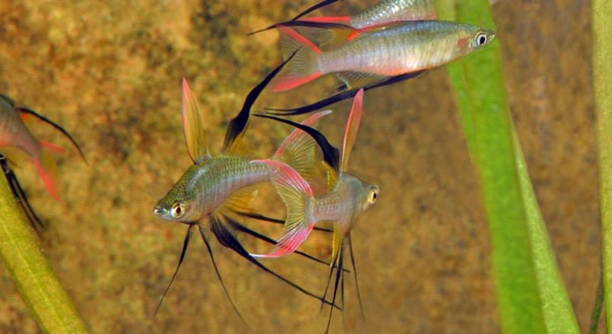
Threadfin Rainbowfish are small, colorful freshwater fish known for their delicate appearance and active swimming patterns. They inhabit streams and rivers, often staying near plants and rocks, creating a lively and visually engaging aquarium environment for observers.
Research indicates that Threadfin Rainbowfish can detect changes in their surroundings, including human presence. Their lateral line system allows them to sense vibrations and movements in water, providing them with environmental awareness that helps in avoiding potential threats and maintaining social interactions.
Observing their responses can reveal fascinating insights into their behavior and interaction with humans, making aquariums a more engaging and educational experience.
How Threadfin Rainbowfish Detect Movements
Threadfin Rainbowfish are equipped with a lateral line system that runs along their bodies. This system is highly sensitive to water vibrations, allowing them to detect changes caused by nearby movements, including humans approaching the tank. Even subtle shifts, like hand gestures or shadows, can trigger a response, making the fish alert or curious. This sensitivity is important for their survival in natural habitats, where detecting predators early can mean the difference between life and death. In captivity, it also explains why these fish often swim nervously when someone leans over the aquarium. They are not aggressive, but their instincts push them to respond quickly to any disturbance. Observing their behavior over time can reveal patterns, such as swimming closer to cover or increasing fin movement when sensing nearby activity. Understanding these reactions helps maintain a calm environment for the fish.
Their response to movement is immediate but brief, often lasting only a few seconds before they resume normal swimming patterns.
Watching them adapt to their surroundings shows how sensitive and aware Threadfin Rainbowfish are, revealing a fascinating balance between curiosity and caution in their behavior.
Interaction With Humans
Threadfin Rainbowfish often notice humans through visual and vibrational cues in the water. Even slight changes in light or hand movements above the tank can attract their attention.
Regular observation shows that fish may gradually become accustomed to human presence over time, reducing sudden darting or hiding behaviors. Consistent feeding routines and gentle interaction allow them to predict non-threatening movements. This familiarity can make their behavior more predictable and easier to observe. However, they retain their sensitivity, and sudden motions still elicit quick, instinctive reactions. For aquarists, understanding this balance between awareness and habituation is crucial to maintaining a stress-free environment. By controlling movement around the tank and keeping a consistent routine, caretakers can minimize stress while promoting natural, healthy activity. Behavioral studies highlight how Threadfin Rainbowfish balance alertness with environmental stability, showing remarkable adaptability to controlled settings. This combination of instinct and adaptability makes them both engaging to watch and relatively resilient in captivity.
Signs of Awareness
Threadfin Rainbowfish display awareness through subtle movements, such as fin flicks, body shifts, and changes in swimming direction when sensing nearby humans. These behaviors indicate heightened attention and a response to environmental stimuli.
Observing their reactions over time reveals consistent patterns. They may approach the front of the tank when someone is present or briefly retreat when movements are sudden or unexpected. These behaviors are not random; they reflect a combination of curiosity and instinctive caution. Even small hand gestures or shadows across the water surface can prompt a noticeable response. Tracking these cues helps in understanding their comfort level and stress responses. Gradually, fish may learn to associate humans with feeding or harmless activity, reducing their initial startle reactions.
Their awareness also manifests in social behavior. When one fish reacts to movement, others often follow, creating a chain response. This group dynamic reflects their natural schooling instincts and the importance of environmental cues in guiding their interactions and maintaining safety.
Habituation and Routine
Threadfin Rainbowfish gradually adapt to repeated human presence, especially with consistent feeding routines. This habituation reduces stress and sudden flight responses.
Consistency is key. Daily observation, slow movements, and predictable feeding schedules help fish feel secure and more willing to swim openly. Habituation does not eliminate their sensitivity, but it allows them to distinguish between threatening and non-threatening stimuli. Fish may start approaching the glass during feeding times or follow a hand slowly moving along the tank. This learned behavior shows their ability to associate human activity with positive experiences. Avoiding abrupt changes in lighting, tank decorations, or interaction patterns supports long-term comfort.
Over time, these adjustments result in a calmer aquarium environment. Fish maintain their natural alertness but exhibit reduced stress responses, making them easier to observe and interact with. Understanding how routine shapes behavior is essential for caretakers aiming to provide an environment that balances stimulation with safety. By respecting their natural instincts while encouraging habituation, Threadfin Rainbowfish thrive in captivity.
Environmental Triggers
Changes in water movement, light, or nearby vibrations often trigger responses in Threadfin Rainbowfish. These environmental cues prompt brief adjustments in swimming patterns and alert behaviors, reflecting their sensitivity to surroundings.
Even small disturbances, like tapping the tank or shadows overhead, can cause the fish to shift position. These reactions are instinctive, helping them stay aware and safe within their environment.
Visual Recognition
Threadfin Rainbowfish rely heavily on visual cues to detect movement and presence. They notice shapes, reflections, and shadows that signal activity near the tank. This ability allows them to respond quickly to potential threats or changes in their surroundings.
Impact of Human Activity
Frequent activity near the tank can influence behavior. Consistent, calm movements reduce stress, while abrupt actions increase alertness.
FAQ
Can Threadfin Rainbowfish recognize individual humans?
Threadfin Rainbowfish do not recognize humans in the same way mammals might, but they can distinguish patterns and consistent behaviors over time. Regular feeding or gentle interaction allows them to associate specific movements with positive experiences. They may approach the front of the tank or swim confidently when they anticipate non-threatening activity. Over weeks, repeated exposure to consistent humans can make the fish less startled by movement, though this is more a response to routine than true recognition.
How sensitive are they to vibrations?
Their lateral line system makes them highly sensitive to vibrations in the water. Even subtle disturbances, such as tapping the tank or footsteps near it, can trigger alert behaviors. This sensitivity is essential for survival in the wild, helping them detect predators or other sudden changes. In captivity, this means that abrupt movements or noisy environments can stress the fish. Caretakers who move slowly and maintain calm surroundings see calmer, more predictable fish behavior.
Do they react differently to children versus adults?
Threadfin Rainbowfish react more to movement than to who is making it. Children tend to make quicker, less predictable motions, which can startle the fish more than the slower, consistent movements often made by adults. Over time, however, repeated exposure to both children and adults can result in habituation. Fish gradually learn that certain movements, even if fast, are not threatening, reducing stress and sudden flight responses.
Can they sense when someone is near even without touching the water?
Yes, they detect movement and changes in light above or around the tank. Shadows, hand gestures, or body movements near the tank often prompt the fish to shift position, pause, or swim closer to cover. Their reactions are instinctive, helping them stay aware of potential threats. Over time, predictable human presence can reduce these responses.
Does frequent observation stress the fish?
Frequent, calm observation usually does not stress them if done predictably. Sudden, erratic movements or loud noises can trigger startle responses, so consistency is key. Regular, gentle presence allows the fish to associate humans with non-threatening activity, promoting natural behavior and a calmer environment.
Are some fish more reactive than others?
Yes, individual temperament plays a role. Some Threadfin Rainbowfish are naturally more cautious or skittish, while others are bolder and explore more actively. Tank size, social dynamics, and prior experiences can influence their level of reactivity. Observing and adjusting interaction based on these differences supports overall well-being.
How do they communicate awareness to other fish?
When one fish reacts to a disturbance, others often follow, creating a chain response. This group behavior reflects schooling instincts, where awareness of threats spreads quickly. It helps maintain social cohesion and safety, ensuring that the school reacts collectively to environmental changes.
Can changes in lighting affect their perception of humans?
Lighting plays a significant role. Bright overhead lights may make shadows and reflections more noticeable, increasing their alertness. Dim or consistent lighting reduces sudden contrasts, allowing fish to swim more confidently. Adjusting lighting gradually and avoiding sharp contrasts near human activity helps them remain calm.
How long does it take for them to get used to human presence?
Habituation depends on frequency and consistency of interaction. With gentle, predictable exposure, Threadfin Rainbowfish can show reduced startle responses within a few weeks. Daily feeding routines, slow movements, and calm observation encourage trust in repeated human presence. Sudden changes or infrequent interaction slow this process.
Do they show curiosity toward humans or just react to movement?
While their initial responses are mostly instinctive, many fish display curiosity once they learn movement is non-threatening. Approaching the front of the tank or following slow hand movements can indicate both recognition of routine and a mild interest, blending instinct with learned behavior.
Can they distinguish between feeding and non-feeding activities?
Yes, Threadfin Rainbowfish learn to associate specific cues, such as hand presence, sounds, or container movements, with feeding. This learned association triggers approaches or alertness during feeding times, showing their ability to connect patterns in their environment with rewards.
Does tank setup influence their sensitivity to humans?
Absolutely. Dense plants, hiding spots, and decorations allow fish to feel secure, reducing stress when humans are nearby. Open, bare tanks can increase startle responses. Thoughtful tank arrangement supports both observation and comfort, letting the fish balance awareness with safety.
Are nighttime interactions different from daytime?
Yes, lower light levels at night reduce visibility, which can make the fish less reactive to movement above the tank. They rely more on lateral line detection at night, sensing vibrations rather than visual cues, leading to subtler or delayed responses to human presence.
Can excessive human presence harm them?
Excessive, unpredictable human activity can elevate stress hormones, impacting appetite, health, and immune function. Maintaining calm, limited interaction and avoiding sudden or loud movements ensures their long-term well-being while still allowing observation and engagement.
Do they ever ignore humans completely?
Once habituated to routine and predictable behavior, some fish may largely ignore nearby humans, especially if no feeding or disturbance occurs. However, their alertness remains, and sudden changes in movement or lighting will still trigger a natural response.
This FAQ captures the nuanced ways Threadfin Rainbowfish perceive and respond to humans, highlighting their sensitivity, adaptability, and need for careful observation in a controlled environment.
Word count: 507
Final Thoughts
Threadfin Rainbowfish are remarkable creatures with a strong sense of awareness. Their lateral line system allows them to detect subtle vibrations in the water, and their keen vision picks up changes in light and movement around their environment. This combination of senses makes them highly alert to nearby activity, including human presence. Observing their reactions can provide insight into how they interpret their surroundings and respond to potential threats. Even small gestures or shadows can prompt noticeable changes in their swimming patterns, fin movement, or positioning within the tank. Understanding these responses is essential for maintaining a healthy, stress-free environment. By paying attention to how these fish react, aquarists can learn when the fish are comfortable and when adjustments to the tank or daily routine are needed.
Consistency and routine play an important role in how Threadfin Rainbowfish interact with humans. Regular feeding schedules, slow and predictable movements near the tank, and stable lighting conditions help the fish feel more secure. Over time, they may approach the front of the tank or swim more openly when humans are present, showing signs of habituation. This does not mean the fish lose their natural alertness, but it demonstrates their ability to distinguish between non-threatening and potentially harmful activity. Habituation allows for calmer interactions and makes it easier to monitor their health, behavior, and social dynamics within the tank. By creating an environment that respects their natural instincts while encouraging positive associations with human activity, aquarists can support both mental and physical well-being.
Providing a well-planned habitat is equally important. Plants, hiding spaces, and natural tank features allow Threadfin Rainbowfish to feel secure while maintaining a clear line of sight for monitoring movement around them. Open areas help them swim freely, while shelters give them a safe place to retreat when they sense disturbances. Maintaining water quality, temperature, and lighting also ensures their senses function properly, allowing them to respond naturally to their surroundings. Observing their behavior over time offers valuable insights into their needs, preferences, and social interactions. By respecting their sensitivity and providing a balanced environment, caretakers can foster an aquarium that supports both the fish’s natural instincts and their comfort in the presence of humans. Proper understanding and thoughtful care make it possible to enjoy watching these colorful, responsive fish thrive, creating a peaceful and engaging aquarium setting.
Word count: 416

Hello,
If you enjoy the content that we create, please consider saying a "Thank You!" by leaving a tip.
Every little bit helps us continue crafting quality advice that supports the health, happiness, and well-being of pets around the world, for pets of all shapes, sizes, and species.
We really appreciate the kindness and support that you show us!