
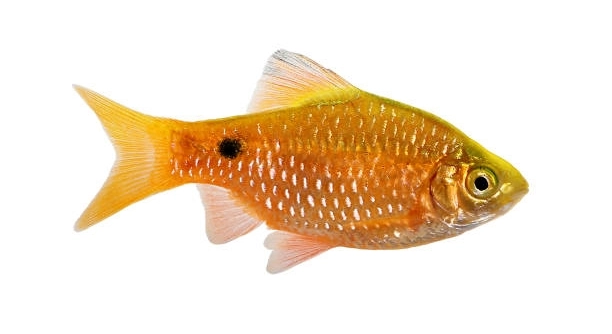
Rosy Barbs are popular freshwater fish known for their vibrant color and active nature. Many fish owners wonder about their behavior, especially if these fish enjoy interactive activities or play within their tanks. Understanding their natural tendencies helps create a better environment for them.
Rosy Barbs do exhibit playful behaviors, often engaging in chasing and exploring their surroundings. They are social fish that thrive in groups, showing lively interactions that can be interpreted as play. Providing stimulating environments encourages these behaviors and supports their well-being.
Learning about what encourages Rosy Barbs to stay active can improve their care. Small changes in their habitat often enhance their natural curiosity and playful spirit.
How Rosy Barbs Show Playful Behavior
Rosy Barbs often display playful actions through chasing and darting around their tank. They swim quickly after one another, which can look like a game but also helps establish social order. These fish enjoy exploring their environment, often investigating plants, decorations, and tank corners. Their playful movements can increase when the tank is well-maintained with clean water and enough space. When kept in groups, Rosy Barbs tend to be more active and curious, showing signs of engagement. A bare or crowded tank may reduce their energy and interaction. Adding varied decorations and hiding spots encourages exploration and mental stimulation. Their playful nature also reflects good health, so observing their behavior can help identify when something is wrong. Overall, these fish appreciate an environment that offers both safety and opportunity to move freely, which brings out their livelier traits.
Healthy Rosy Barbs are usually active and engage often in chasing and swimming around. Activity levels show their comfort.
Watching their movements closely helps in understanding their needs. Providing varied tank environments keeps them interested and active longer.
Creating a Playful Environment for Rosy Barbs
To support playful behavior, a tank setup that encourages movement and exploration is essential. Including plants, smooth rocks, and decorations provides places to hide and swim through, stimulating natural instincts. Maintaining good water quality by regular cleaning is crucial to keep them healthy and active. Rosy Barbs feel safer in groups of at least five, which encourages social interactions that look like play. Lighting that mimics natural daylight cycles also helps regulate their activity patterns. Avoid overcrowding the tank to reduce stress and allow ample space for swimming. Feeding a balanced diet with occasional treats like live or frozen foods can increase their energy and playful mood. Observing their interaction with new objects can give clues about their preferences and help in adjusting the tank setup. Small adjustments in their environment can make a big difference in their behavior.
A well-planned tank setup supports Rosy Barbs’ natural playfulness and keeps them lively.
Providing hiding spots and clean water encourages their activity, making their environment enjoyable.
Keeping the tank dynamic with changing decorations or new plants can refresh their interest. Social groups reduce stress and promote chasing and swimming games. Careful feeding also boosts their energy and alertness. When they have space to move freely and feel safe, Rosy Barbs show their playful side regularly, which is rewarding for any fish keeper.
Signs Rosy Barbs Are Enjoying Themselves
Rosy Barbs show enjoyment by actively swimming and chasing each other. They often flash their bright colors and explore new tank decorations. These behaviors indicate comfort and engagement in their environment.
When Rosy Barbs are content, they swim confidently and interact with other fish. They may chase playfully but rarely show aggression. Their fins stay spread out, and colors become more vibrant. Resting calmly among plants also shows they feel safe. If they quickly investigate new items added to the tank, it’s a good sign they are curious and stimulated. These fish enjoy mild activity that challenges them without causing stress.
Sometimes, playful behavior can look like sudden bursts of energy or quick dashes through the tank. Watching these moments helps in understanding their mood. If they hide or stay still for long periods, it might mean they are stressed or unhappy. Proper tank maintenance and company help keep their behavior positive and lively.
Encouraging Playful Activities for Rosy Barbs
Adding floating toys or gentle water currents can stimulate Rosy Barbs’ playfulness. Moving objects in the tank spark their curiosity and encourage chasing. Gentle bubbling from air stones can create currents that motivate swimming.
Placing different textures and shapes inside the tank provides exploration opportunities. Leafy plants, smooth stones, and tunnels make the environment more interesting and inviting. Changing the layout occasionally prevents boredom. Group interaction also plays a big role in keeping Rosy Barbs active. When kept with compatible tank mates, they engage in chasing games and social behaviors that resemble play. These activities help maintain their physical health and mental alertness. Keeping the environment varied and lively encourages ongoing play and reduces stress in the fish.
Do Rosy Barbs Get Bored?
Rosy Barbs can become bored if their environment stays the same for too long. Lack of stimulation may cause them to swim less or hide more often. Changing tank decorations helps keep them interested.
Providing new hiding spots or rearranging plants gives Rosy Barbs fresh things to explore. Bored fish tend to lose some of their bright colors and energy.
How Tank Size Affects Playfulness
A tank that is too small limits Rosy Barbs’ ability to swim freely and interact naturally. They need enough space to chase and explore without feeling cramped. A minimum of 20 gallons for a small group supports their activity and social behavior. Larger tanks allow for better decoration placement, creating an enriched environment that encourages playful movements. Crowded tanks cause stress, reducing their energy and increasing aggression. Proper tank size is essential for their mental and physical well-being, helping maintain their natural lively behavior.
Tips to Keep Rosy Barbs Active
Regularly change tank layout and introduce new objects to maintain interest and activity.
FAQ
Do Rosy Barbs enjoy playing with tank decorations?
Yes, Rosy Barbs often interact with tank decorations. They like exploring plants, rocks, and tunnels, which simulate their natural habitat. Decorations provide hiding spots and stimulate their curiosity, encouraging playful swimming and chasing behaviors. Changing or adding new items occasionally keeps their interest high.
How many Rosy Barbs should I keep together?
It’s best to keep Rosy Barbs in groups of five or more. They are social fish and feel safer and more active in groups. Larger groups encourage natural chasing and playful interactions, while smaller groups can lead to stress and less activity.
Can Rosy Barbs get lonely?
Yes, Rosy Barbs can become lonely if kept alone or in very small groups. Loneliness can cause them to become inactive, hide more, and lose their vibrant colors. Keeping them in groups helps reduce stress and promotes social behaviors.
What kind of tank setup encourages playfulness?
A tank with plenty of open swimming space and varied decorations encourages playfulness. Live or artificial plants, smooth rocks, and tunnels create an enriched environment. Good water quality and stable temperature are also crucial for keeping them healthy and active.
Are Rosy Barbs aggressive when playing?
Playful chasing is common and usually harmless among Rosy Barbs. However, if the tank is overcrowded or lacks hiding spots, this chasing can turn aggressive. Proper tank size and environment help keep their behavior balanced and prevent stress.
How often should I change the tank layout?
Changing the tank layout every few weeks or months can help keep Rosy Barbs engaged. New objects or rearranged plants stimulate exploration and reduce boredom. Avoid drastic changes all at once to prevent stress.
Do Rosy Barbs play more during feeding time?
Feeding time often increases activity and playful behavior. Rosy Barbs become more energetic, swimming actively as they compete for food. Feeding live or frozen foods can also encourage natural hunting instincts.
Can lighting affect Rosy Barbs’ behavior?
Yes, lighting influences their activity. Mimicking natural daylight cycles with 8–12 hours of light helps regulate their behavior and encourages playfulness. Too much or too little light can cause stress and reduce activity.
Is water current important for play?
Gentle water currents created by filters or air stones encourage swimming and play. Currents simulate natural conditions and motivate Rosy Barbs to swim actively. Strong currents should be avoided as they may tire the fish.
How do I know if my Rosy Barbs are stressed?
Signs of stress include hiding often, loss of color, clamped fins, and reduced movement. Stress can be caused by poor water quality, overcrowding, or lack of stimulation. Addressing tank conditions and adding enrichment can help reduce stress.
What are common signs that Rosy Barbs are healthy and playful?
Bright colors, active swimming, chasing, and exploring new objects are good signs. Healthy Rosy Barbs have clear eyes, smooth scales, and spread fins. Regular observation helps spot changes early to maintain their well-being.
Should I provide live plants for Rosy Barbs?
Live plants benefit Rosy Barbs by improving water quality and offering natural hiding spots. They encourage natural behaviors and provide comfort. However, some Rosy Barbs may nibble on plants, so choosing hardy species is recommended.
Do Rosy Barbs prefer specific tank mates?
They do well with other peaceful, similarly sized fish like danios, tetras, or barbs. Compatible tank mates help reduce stress and promote social interaction. Avoid aggressive or very slow-moving fish that may be bullied.
Can Rosy Barbs play with other fish?
They may chase or interact playfully with certain species but usually stay within their group for social play. Ensuring enough space and compatible tank mates minimizes conflict and encourages positive interactions.
How important is water temperature for playfulness?
Maintaining water temperature between 64°F and 72°F (18°C–22°C) keeps Rosy Barbs comfortable and active. Temperatures outside this range can slow their movement or cause stress, reducing playfulness.
Are there toys or tools specifically made for fish play?
There are floating toys and mirrors marketed for fish stimulation, but these should be used with caution. Mirrors can cause stress if fish become overly aggressive. Natural enrichment like plants and decorations is safer and more effective.
Can I teach Rosy Barbs to recognize feeding time?
Yes, Rosy Barbs can learn to associate certain signals like tapping the tank or light changes with feeding. This anticipation often leads to increased activity and excitement, which can seem like playful behavior.
How can I prevent aggression while encouraging play?
Provide enough space, hiding spots, and proper group size to reduce competition. Avoid overcrowding and observe behavior regularly to intervene if chasing becomes harmful. Balanced conditions support healthy social play without aggression.
Rosy Barbs are lively and social fish that enjoy an environment where they can swim freely and interact with their tank mates. Their playful behavior, such as chasing and exploring, is a sign of good health and comfort. Providing enough space and keeping them in groups helps bring out these natural activities. Without proper care, Rosy Barbs may become less active and lose their vibrant colors, so observing their behavior is important. Simple things like clean water, balanced feeding, and a well-arranged tank contribute greatly to their well-being and overall happiness.
Creating a stimulating environment is key to encouraging playful behavior in Rosy Barbs. Including plants, rocks, and tunnels not only mimics their natural habitat but also gives them places to explore and hide. Changing the tank layout occasionally can prevent boredom and keep them interested. Lighting and gentle water currents also play a role in regulating their activity levels. When these elements are well managed, Rosy Barbs tend to be more active and show behaviors that owners often describe as playful. It’s important to balance decorations with enough open space for swimming so that they don’t feel crowded or stressed.
Keeping Rosy Barbs healthy and happy requires attention to their social needs as well. They do best in groups of five or more, which helps reduce loneliness and promotes natural interaction. Aggression is less likely when the tank is spacious and has enough hiding spots for all fish. Feeding them a varied diet and maintaining good water quality also support their energy and playfulness. Paying attention to these details will help ensure that Rosy Barbs remain active and show their natural behaviors. A well-cared-for tank creates a positive environment where these fish can thrive and display their lively nature.

Hello,
If you enjoy the content that we create, please consider saying a "Thank You!" by leaving a tip.
Every little bit helps us continue crafting quality advice that supports the health, happiness, and well-being of pets around the world, for pets of all shapes, sizes, and species.
We really appreciate the kindness and support that you show us!