
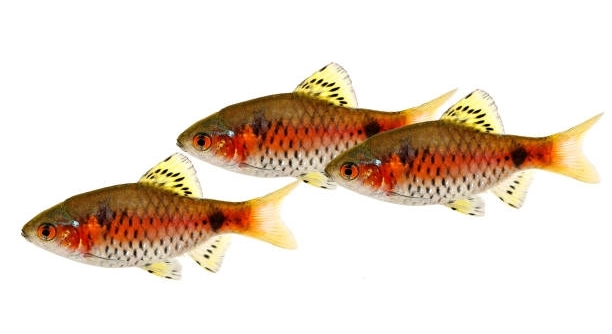
Rosy barbs are popular freshwater fish known for their bright colors and social nature. Many fish owners notice these fish often swim together and seem to react to each other’s behavior. This has led to interest in whether rosy barbs learn by watching one another.
Research indicates that rosy barbs can learn from observing their tank mates. They pick up on cues related to feeding, safety, and social interactions, which helps them adapt more quickly to their environment. This observational learning enhances their survival and social skills.
Learning about how rosy barbs observe and imitate each other provides useful insight for fish owners. Understanding these behaviors can improve care and tank management, leading to a healthier, more active aquarium environment.
How Rosy Barbs Observe Each Other
Rosy barbs are naturally social fish that often swim in groups called shoals. Within these groups, they watch each other closely, especially during feeding times or when reacting to potential threats. This observation allows them to learn which areas of the tank are safe and when food is available. For example, if one rosy barb suddenly darts toward food, others quickly follow. This behavior is not just about feeding; it helps establish social order and reduces stress by providing signals about danger or comfort. Watching each other also teaches shy or new fish how to behave in the tank. Over time, this observational learning builds a shared awareness in the group, improving their chances of survival and well-being.
This social learning helps maintain harmony in the tank. By observing peers, rosy barbs respond faster to changes, making the group more adaptable.
Understanding how rosy barbs watch and learn from one another can guide you in creating a tank environment that supports their natural behavior. Providing enough space and hiding spots encourages safe interaction, while consistent feeding routines reinforce positive social cues. This insight helps fish keepers maintain a calm, healthy community of rosy barbs, reducing aggression and stress. The fish will be more confident and responsive, which makes caring for them easier and more rewarding.
The Role of Environment in Learning
The tank environment plays a key role in how rosy barbs learn from each other.
A well-structured environment with clear sightlines and minimal distractions allows rosy barbs to observe each other more effectively.
When the tank setup supports visibility and interaction, fish can better watch peers and learn important behaviors. If the tank is overcrowded or cluttered, observation may be limited, reducing learning opportunities. Additionally, stable water conditions and consistent feeding schedules create predictable patterns for the fish to follow. Changes in the environment, such as new decorations or tank mates, can temporarily disrupt their social learning but often lead to new adaptations. The tank environment directly impacts how well rosy barbs pick up on social cues and adjust their actions.
By paying attention to tank design and maintenance, fish keepers can support rosy barbs’ ability to learn through watching. This improves their overall health and social dynamics, leading to a more peaceful aquarium. Creating an environment where observation is easy encourages positive behaviors and helps prevent stress-related issues among the fish.
How Social Behavior Influences Learning
Rosy barbs use social signals like body language and movement to communicate. These signals help them learn from one another quickly.
When one fish finds food or senses danger, others observe and react. This social learning reduces individual risk and improves group survival. The fish develop routines based on these observations, such as when to feed or avoid threats. Social hierarchies also influence who leads and who follows. Dominant fish may be observed more closely, guiding the behavior of others. This interaction strengthens group cohesion and helps maintain balance in the tank.
Fish that learn socially tend to adapt faster to new situations. They watch how others respond and imitate successful actions, reducing stress and promoting healthy behavior within the group.
Factors That Affect Learning Among Rosy Barbs
Age and experience influence how well rosy barbs learn from each other. Younger fish often mimic older, more experienced fish to gain knowledge. Dominance status also impacts learning, as lower-ranking fish pay close attention to dominant individuals to avoid conflicts. Stress and environmental changes can temporarily reduce their ability to observe and learn. Water quality, tank size, and the presence of hiding places also affect how much the fish interact and watch one another. A stable, comfortable environment encourages better social learning and helps maintain peaceful tank dynamics. Knowing these factors helps improve care and management of rosy barbs in captivity.
Observational Learning in Feeding Behavior
Rosy barbs often learn feeding habits by watching others. When one fish eats, others quickly follow. This shared behavior helps the group find food efficiently.
Young fish especially rely on observing adults to learn what to eat and when. This reduces feeding competition and confusion in the tank.
How Stress Impacts Learning
Stress can disrupt how rosy barbs observe each other. When stressed, fish may isolate or act erratically, making social learning difficult. Reducing stress by maintaining good water quality and stable conditions helps improve learning and social interaction in the tank.
Benefits of Learning by Watching
Learning through observation helps rosy barbs avoid danger and improve feeding success. It promotes social harmony by reducing aggression and misunderstanding among tank mates. This natural ability supports their survival in captivity and makes them more adaptable to changing environments.
Supporting Natural Learning Behaviors
Creating a calm, stable environment encourages rosy barbs to watch and learn from each other. Proper tank setup and routine care support their natural social behaviors, leading to a healthier aquarium community.
FAQ
Do rosy barbs really learn by watching each other?
Yes, rosy barbs do learn by observing their tank mates. This behavior helps them adapt to new situations, such as finding food or recognizing threats. By watching others, they can quickly pick up cues without experiencing risks themselves. This form of social learning improves their survival chances in a shared environment.
How can I tell if my rosy barbs are learning from each other?
Look for synchronized behaviors, like multiple fish reacting at the same time to food or changes in the tank. If one fish explores a new area or tries new food and others soon follow, it’s a sign they are watching and learning. Consistent group movements or shared responses to stimuli also indicate observational learning.
Does tank size affect how rosy barbs learn?
Yes, tank size influences their ability to observe one another. A larger tank with plenty of swimming space and clear sightlines allows fish to watch peers more easily. Overcrowded tanks or those with many decorations can limit visibility, reducing opportunities for learning and social interaction.
Can stress prevent rosy barbs from learning?
Stress can reduce their focus and willingness to interact socially. When stressed, fish may hide or act aggressively, limiting observation of others. Keeping water quality high, maintaining stable temperatures, and avoiding sudden changes help minimize stress, supporting better social learning.
Are younger rosy barbs better learners than older ones?
Younger rosy barbs often learn faster because they rely on adults to teach them about their environment. They tend to mimic older fish to gain important survival skills. However, older fish may also learn by observing new fish or changes in the tank, showing that learning can happen at any age.
How does dominance affect learning among rosy barbs?
Dominant fish often lead the group and are observed more closely. Subordinate fish watch dominant individuals to understand social rules and avoid conflict. This social hierarchy helps structure the tank’s behavior and allows less dominant fish to learn safe and effective ways to interact.
What role does feeding routine play in their learning?
Regular feeding schedules provide predictable opportunities for rosy barbs to observe and learn. When food is given at consistent times, fish develop routines based on watching others. This reduces competition and stress around feeding times and promotes healthier group dynamics.
Can environmental changes impact their ability to learn?
Yes, changes like new decorations, tank mates, or water parameters can disrupt social learning temporarily. Fish need time to adjust and re-establish social cues in the altered environment. Gradual changes are less stressful and help maintain steady observational learning.
Is it necessary to keep rosy barbs in groups for them to learn?
Rosy barbs are social fish and learn best in groups. Isolated fish miss out on social cues and observational learning opportunities. Keeping them in small shoals encourages natural behaviors, reduces stress, and promotes a more active and healthy aquarium.
How can I encourage my rosy barbs to learn from each other?
Maintain a clean, stable tank with enough space for movement and clear sightlines. Avoid overcrowding and sudden changes. Feed fish on a regular schedule and provide hiding spots. Watching fish regularly and recognizing their social behavior helps you support their learning naturally.
Does learning from each other affect how rosy barbs behave toward new fish?
Yes, rosy barbs observe newcomers to understand their role in the group. This helps reduce aggression and integrates new fish more smoothly. Social learning allows the group to adjust quickly, which helps maintain peace in the tank.
Are there any signs that learning is not happening properly?
Signs include constant aggression, hiding, or failure to respond to feeding cues. If fish ignore each other or seem isolated, it may indicate poor social learning. Checking tank conditions and ensuring proper group size often resolves these issues.
Final thoughts on rosy barbs and their ability to learn from watching each other highlight the importance of social behavior in these fish. Rosy barbs naturally form groups and rely on observation to guide their actions. This ability to learn by watching helps them adapt to their environment, find food efficiently, and avoid danger. It also strengthens their social bonds, reducing stress and aggression in the tank. Understanding this behavior allows fish keepers to provide better care by supporting natural interactions within the group.
Creating the right environment is key to encouraging learning among rosy barbs. A tank that is spacious, clean, and stable gives fish the chance to observe one another clearly. Overcrowding or too many decorations can limit their ability to watch and respond to social cues. Consistent feeding routines and good water quality also reduce stress and make it easier for fish to focus on learning from each other. When fish are comfortable and can see each other well, they develop routines that benefit the whole group.
In summary, rosy barbs’ social learning is a useful and natural part of their behavior. It helps them adjust to changes and maintain a peaceful community in the tank. Fish owners who understand this can improve their care practices by creating an environment that supports observation and interaction. Paying attention to tank conditions, group size, and feeding schedules will help rosy barbs thrive. Supporting their natural ability to learn by watching each other leads to healthier, happier fish.

Hello,
If you enjoy the content that we create, please consider saying a "Thank You!" by leaving a tip.
Every little bit helps us continue crafting quality advice that supports the health, happiness, and well-being of pets around the world, for pets of all shapes, sizes, and species.
We really appreciate the kindness and support that you show us!