
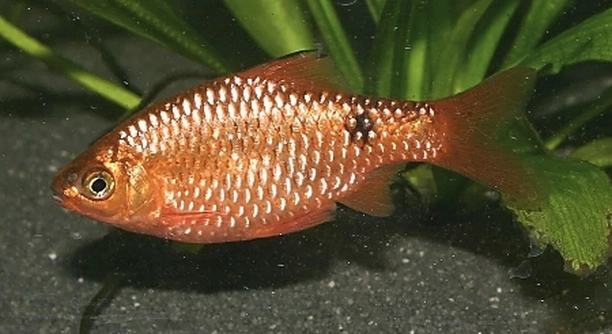
Are your rosy barbs not acting the way you expected after setting up their tank? It might be something in their environment. These energetic fish can show signs of stress when their tank isn’t quite right.
Rosy barbs tend to thrive better in busy tanks with active tankmates, regular movement, and moderate currents. Their natural behavior leans toward social and energetic activity, making calm or still environments less ideal for their well-being.
Understanding how tank conditions impact their mood, behavior, and health can help you create a space they truly enjoy. Let’s explore what helps rosy barbs feel at home.
Why Activity Levels Matter for Rosy Barbs
Rosy barbs are naturally active and social fish. In the wild, they live in flowing streams where there’s plenty of movement and stimulation. When placed in a quiet or still tank, they may become bored or stressed. A busy tank with a gentle current and other fast-swimming fish keeps them mentally engaged and physically healthy. Their constant swimming helps reduce aggression and supports their natural behavior. Without enough stimulation, they can nip at slower tankmates or hide more often. Adding plants, rocks, and decorations to swim around also keeps their environment interesting. These fish enjoy darting through open spaces and need room to move freely. Lighting and water flow can also play a role. Soft lighting and a steady filter help mimic the conditions they naturally prefer. Creating an active environment is key to keeping them happy and balanced in a home aquarium.
Busy tanks help prevent boredom and allow rosy barbs to stay active and engaged. Still tanks can lead to unwanted behavior.
If you notice your rosy barbs becoming sluggish or aggressive, consider the tank’s setup. Adding more movement or tankmates can often improve their mood and bring out their best colors and behaviors.
Choosing Tankmates and Decorations
Rosy barbs do best when kept with fish that can keep up with their energy. Slower, delicate species may get stressed by their quick movements. Tankmates like zebra danios, cherry barbs, or rainbowfish are good options.
A well-designed tank goes beyond just fish choice. Adding plants, tunnels, or driftwood creates hiding spots and breaks line of sight. This can lower stress and allow all fish to establish their own space. While rosy barbs are active, they still need places to retreat if they feel overwhelmed. Live or silk plants work well and don’t interfere with swimming patterns. Choose gravel or sand that’s smooth, and make sure all decorations are secure and won’t shift easily. Water movement should be steady but not too strong—just enough to create a natural flow. Lighting should be soft and consistent, with a regular schedule to maintain stability. These small details help support a healthy, balanced aquarium where your rosy barbs can truly thrive.
Tank Size and Group Dynamics
Rosy barbs need space to swim comfortably. A small tank can cause stress, aggression, and health problems. A 30-gallon tank or larger is best, especially if keeping them in a group.
These fish are schooling by nature and feel more secure when kept in groups of at least five or six. A proper group helps reduce fin-nipping and keeps their energy balanced. When kept alone or in pairs, they may become restless or overly aggressive. Group dynamics also bring out their natural colors and playful behavior. Watching them interact is one of the more enjoyable parts of having them in a home tank. Make sure there’s enough room for everyone, as crowded conditions can lead to problems. Spread decorations evenly, and create open swimming areas as well as spots to rest. Group size and tank space go hand in hand for a healthy, active environment.
A larger group encourages healthier behavior and prevents boredom. They enjoy swimming in loose schools and chasing each other in short bursts. If one fish becomes dominant, having more in the group helps balance things out. Always keep the group number even if possible, and monitor for signs of stress or bullying. A happy school leads to a calm tank.
Water Conditions and Maintenance
Rosy barbs do best in stable water conditions with a temperature between 72–78°F. pH should stay between 6.0 and 8.0. Sudden changes in water quality can affect their mood, energy, and immune system.
Weekly water changes of around 25–30% help maintain good quality. Use a gravel vacuum to remove waste buildup at the bottom of the tank. Test the water regularly for ammonia, nitrite, and nitrate. A good filter keeps the water clear and supports healthy bacteria, but it should not create strong currents that make swimming difficult. Overfeeding can cloud the water and cause health issues, so only feed small portions they can finish in a couple of minutes. Clean algae off decorations and glass as needed, and avoid using harsh chemicals. Simple, steady care keeps rosy barbs stress-free. A clean tank with balanced parameters allows them to stay vibrant, social, and active over time.
Signs Your Rosy Barbs Are Unhappy
If your rosy barbs are hiding more than usual or swimming less, it could mean they aren’t comfortable. Other signs include pale colors, frayed fins, or sudden changes in behavior like nipping or chasing tankmates too much.
A loss of appetite or constant pacing along the glass are also signs of stress.
Creating the Right Environment
A well-balanced environment starts with space, stable water, and the right mix of tankmates. Rosy barbs need both room to swim and mental stimulation to stay happy. Too little movement or poor tank layout can cause them to feel anxious or aggressive. Keep a consistent light cycle, avoid sudden changes, and feed them a varied diet of flakes, frozen foods, and vegetables. Make sure the tank has open areas and hiding spots. Busy tanks don’t mean clutter—leave enough space for free swimming. Keep decorations low-risk and smooth. A little planning goes a long way in helping these fish show their best side.
When to Adjust Tank Conditions
If behavior shifts suddenly, it may be time to test the water or check your filter. Adjustments made early can prevent long-term health issues.
FAQ
How many rosy barbs should I keep together?
Rosy barbs do best in groups of at least five or six. Being in a school helps reduce stress and prevents aggressive behavior. In smaller numbers, they may become territorial or anxious. A larger group encourages natural schooling, which brings out their playful, active nature. It’s best to keep an even number if possible, especially when mixing males and females, to avoid unwanted dominance issues. Make sure the tank is large enough to give the group plenty of swimming space.
Can rosy barbs live with other fish?
Yes, rosy barbs can live with other peaceful and active fish. Good tankmates include zebra danios, cherry barbs, rainbowfish, and larger tetras. Avoid slow-moving fish with long fins, like bettas or angelfish, as rosy barbs may nip at them. When choosing tankmates, make sure they can keep up with the barbs’ speed and energy. Matching their activity level keeps the tank more balanced. Always monitor behavior after adding new fish to make sure everyone gets along.
Do rosy barbs like plants in their tank?
They do enjoy having plants, but they can be rough on delicate ones. Choose hardy plants like Java fern, Anubias, or hornwort that can handle a bit of nibbling or movement. Plants provide shade, hiding spots, and help break up the tank space. They also make the environment more natural, which reduces stress. You can use live or artificial plants—just make sure artificial ones don’t have sharp edges. Plants also help keep the water clean by absorbing some waste.
What kind of filter is best for a rosy barb tank?
Use a filter that provides steady water movement but doesn’t create strong currents. A hang-on-back or sponge filter works well for most tanks. These help maintain water quality while keeping the flow at a level rosy barbs enjoy. Too much current can wear them out or make swimming difficult. Look for a filter rated for your tank’s size and make sure to clean it regularly. A quiet, steady filter also helps keep stress levels low.
How often should I feed rosy barbs?
Feed them once or twice a day in small amounts they can finish within two to three minutes. Overfeeding can cloud the water and lead to health problems. Rosy barbs enjoy a mix of flakes, pellets, frozen brine shrimp, and blanched vegetables like spinach or zucchini. A varied diet helps keep them healthy and brings out their color. Remove any uneaten food to keep the tank clean and avoid water issues. Feeding at the same time each day also helps create a routine.
What temperature should the tank be for rosy barbs?
Keep the water between 72–78°F. A stable temperature is important for their immune system and behavior. Use a reliable aquarium heater with a built-in thermostat to avoid sudden changes. Sudden drops or spikes in temperature can lead to stress, illness, or sluggish behavior. It’s helpful to check the temperature daily with a thermometer. If your home is prone to temperature changes, consider an automatic heater to keep things steady. Warm, stable water supports their active lifestyle and overall health.
Do rosy barbs need a light in their tank?
Yes, but the lighting should be soft and consistent. Use a timer to give them a regular day and night cycle—about 8 to 10 hours of light each day. Bright lights can be stressful, especially without enough hiding spots. Dimmer lighting helps them feel more secure and lets them show their natural colors. Combine light with live plants to create a natural feel. Avoid leaving the light on overnight, as fish need darkness to rest, just like we do.
Are rosy barbs aggressive?
They are generally peaceful but can become aggressive if kept alone or in a tank that’s too small. Nipping usually happens when they are bored, overcrowded, or under-stimulated. A proper group size, enough space, and a well-set-up tank reduce these behaviors. If one fish becomes too dominant, adding more barbs or rearranging the tank can help reset the social balance. Keep an eye on interactions, especially when introducing new fish, to make sure no one is being singled out.
How can I tell if my rosy barbs are stressed?
Signs of stress include pale color, hiding, frantic swimming, or not eating. Sometimes they may nip at tankmates or stay near the surface. Stress can be caused by poor water quality, overcrowding, sudden changes, or lack of stimulation. Check your water parameters first and make sure the tank isn’t too crowded or too still. Make small adjustments one at a time. Watching their behavior daily helps you spot changes early. A relaxed, active barb usually swims in the middle areas and interacts with others.
Final Thoughts
Rosy barbs are active, social fish that do best in tanks with steady movement, open space, and a good group size. They are not well-suited for still or quiet environments. When their tank is set up with care, rosy barbs tend to show bright colors, smooth swimming patterns, and playful group behavior. A busy tank doesn’t mean overcrowded—it means providing enough activity, structure, and compatible tankmates to keep them interested. The more their setup reflects their natural environment, the healthier and calmer they will be.
Watching their behavior is one of the easiest ways to know if something needs adjusting. When rosy barbs feel secure, they stay near the middle of the tank, interact with others, and eat well. When something is off, they may hide, lose color, or act aggressively. These signs can usually be managed by checking water quality, giving them enough space, or improving their group dynamics. They may also need more stimulation, like live plants or a gentle current. Keeping an eye on the tank’s setup and making small changes when needed helps prevent long-term issues.
Taking care of rosy barbs isn’t complicated, but it does take regular attention. Weekly water changes, balanced feeding, and consistent lighting all play a part in their overall health. They are tough fish in many ways, but like any animal, they do better when their needs are met. If you create an environment that suits their active nature and support their social habits, they will usually stay peaceful and thrive. With the right care, rosy barbs can be a colorful and lively addition to any freshwater aquarium.

Hello,
If you enjoy the content that we create, please consider saying a "Thank You!" by leaving a tip.
Every little bit helps us continue crafting quality advice that supports the health, happiness, and well-being of pets around the world, for pets of all shapes, sizes, and species.
We really appreciate the kindness and support that you show us!