
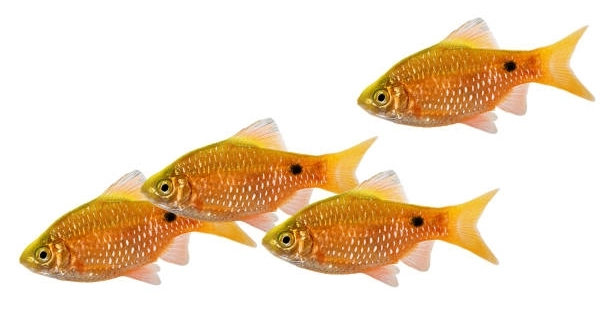
Rosy barbs are popular freshwater fish often kept in home aquariums. Many fish owners wonder if these colorful creatures can show emotions or respond to their environment in expressive ways. Understanding their behavior helps improve care and interaction.
Rosy barbs display basic emotional responses primarily through body language and movement patterns rather than complex facial expressions. Their reactions to stimuli, such as changes in environment or social interaction, indicate stress, excitement, or curiosity in observable but limited ways.
Observing these subtle behaviors can offer valuable insight into their well-being and help create a more comfortable habitat for them.
How Rosy Barbs Communicate Their Feelings
Rosy barbs use their body movements and colors to communicate what they feel. When they feel stressed or scared, they might swim faster or hide behind plants. Their colors can become duller, which signals discomfort. On the other hand, when they feel safe and relaxed, their colors brighten up, and they swim calmly around the tank. Rosy barbs also interact with other fish by gently nudging or swimming close, showing social behavior. Watching these small changes can help you understand when your fish is happy or needs attention. These signals are subtle but important for recognizing how your fish feels day to day.
This simple communication through behavior and color helps owners respond better to their fish’s needs, ensuring a healthier environment.
Watching how your rosy barbs behave can help you create the best tank conditions. Adjusting water quality or tank setup based on their signals keeps them comfortable and lively.
Signs of Stress and Happiness in Rosy Barbs
Rosy barbs show stress through erratic swimming and loss of color.
Stress can come from poor water conditions, overcrowding, or sudden changes in their environment. When stressed, rosy barbs may hide or become less active. It’s important to regularly check water temperature, pH levels, and cleanliness to reduce stress. Providing enough space and plants for hiding also helps. Happy rosy barbs swim steadily, explore the tank, and display vibrant colors. Social interaction with other fish supports their well-being. Noticing these signs early can prevent illness and promote a long life for your fish. Keeping their environment stable and calm is key to their happiness and health. Observing your rosy barbs daily will give you clues about their emotional state and help you make necessary adjustments to their care.
How Rosy Barbs React to Their Environment
Rosy barbs respond quickly to changes in their surroundings. Sudden noises or movements can make them dart around the tank or hide. They also react to water quality by becoming less active or losing color if conditions are poor.
Their sensitivity to environment means they need stable water temperature, clean water, and enough space. When conditions are good, they swim confidently and display bright colors. If anything disrupts their tank, such as overcrowding or improper filtration, they show signs of stress quickly. This responsiveness helps you know when something is wrong, allowing you to fix it before problems grow.
Providing a consistent, calm environment is essential for their comfort. Regular tank maintenance and gentle handling prevent stress and promote natural, relaxed behavior. Knowing their reactions helps you keep your fish healthy and happy.
Social Behavior and Emotional Signals
Rosy barbs are social fish that enjoy being in groups. They show emotions through interactions with other fish, like swimming close or chasing playfully. These behaviors indicate comfort and bonding.
In a group, rosy barbs establish a social order, which reduces aggression. They communicate through body language such as fin movements or color changes. When one fish is sick or stressed, others may react by keeping distance or showing defensive behavior. Understanding these social cues helps you recognize when your fish are thriving or facing issues. Maintaining proper group size and tank conditions supports healthy social behavior and emotional well-being. Observing their interactions provides valuable insight into their mood and health.
Recognizing Fear in Rosy Barbs
Fear in rosy barbs often shows as sudden darting or hiding behind decorations. They may freeze in place or stay close to the tank bottom when scared.
These reactions help them avoid threats, even in a home aquarium. Keeping the environment calm reduces fear responses.
How Feeding Time Affects Their Mood
Feeding time can brighten rosy barbs’ mood, making them more active and alert. They often swim eagerly toward food and compete gently with tank mates. Regular feeding schedules support their emotional well-being and build trust with their owner.
Interaction with Owners
Rosy barbs may react to your presence by swimming closer or showing excitement during feeding. This behavior indicates recognition and comfort with their environment.
Importance of Tank Setup
A well-arranged tank with plants and hiding spots lowers stress and helps rosy barbs feel safe.
FAQ
Can rosy barbs really feel emotions like humans?
Rosy barbs do not experience emotions in the same complex way humans do. However, they do respond to their environment and social situations with basic emotional reactions. These include signs of stress, comfort, fear, or curiosity shown through behavior and color changes. Their responses are instinctual and help them survive, rather than reflecting deep feelings.
How can I tell if my rosy barb is stressed?
Stress in rosy barbs shows as dull color, erratic swimming, hiding, or loss of appetite. They may also become less active or isolate themselves from other fish. Common causes include poor water quality, overcrowding, or sudden changes in tank conditions. Regular water testing and maintaining stable conditions can reduce stress.
Do rosy barbs show happiness?
While “happiness” is a human term, rosy barbs display positive signs such as bright colors, smooth swimming, and social interaction with tank mates. These behaviors suggest they are comfortable and healthy in their environment.
Why does my rosy barb change color suddenly?
Color changes often reflect the fish’s emotional state or health. Bright colors usually mean the fish feels secure, while dull or faded colors can indicate stress, illness, or poor water conditions. Improving water quality and reducing stress factors often restore their vibrant appearance.
Can rosy barbs recognize their owners?
Rosy barbs can recognize movement near their tank and associate it with feeding. They may swim closer or become more active when they see you, showing a level of familiarity but not emotional attachment like pets that interact directly.
What behaviors show that rosy barbs are scared?
Fearful rosy barbs often dart quickly, hide behind plants or decorations, or freeze in place. These survival responses help them avoid perceived threats. Keeping the tank environment calm helps reduce fear reactions.
How important is social interaction for rosy barbs?
Social interaction is vital for rosy barbs. They thrive in groups and show more natural behaviors when kept with others. Group dynamics reduce stress and encourage activity. Keeping at least five rosy barbs together supports their emotional health.
What can I do if my rosy barb seems lonely or stressed?
If a rosy barb appears isolated, adding more compatible fish can help. Ensuring the tank is large enough and has hiding spots reduces stress. Regular feeding and stable water conditions also improve their mood and health.
Do rosy barbs communicate with each other?
Rosy barbs communicate mainly through body language and color changes. Movements such as fin flicking or gentle chasing show social interaction. These signals help maintain group order and alert others to danger or illness.
How does tank setup affect rosy barb emotions?
A tank with enough space, plants, and hiding spots helps rosy barbs feel secure. Poor setups can cause stress, aggression, and illness. Proper lighting and stable water parameters also support their well-being.
Can rosy barbs feel pain or discomfort?
While it’s hard to know exactly, rosy barbs likely feel discomfort through physical damage or illness. Signs include rubbing against objects, lethargy, or loss of appetite. Prompt care and clean water reduce suffering.
How often should I observe my rosy barbs to understand their emotions?
Daily observation is best to notice changes in behavior or appearance. This helps catch signs of stress or illness early. Keeping a consistent routine and monitoring their activity supports long-term health.
Is it normal for rosy barbs to fight sometimes?
Minor chasing or nipping happens as part of social behavior and establishing hierarchy. However, constant aggression indicates stress or overcrowding and needs addressing by adjusting tank conditions or group size.
What should I do if my rosy barb is hiding a lot?
Frequent hiding may mean the fish is stressed, scared, or unwell. Check water quality, tank mates, and lighting. Providing more hiding spots and reducing disturbances usually helps them feel safer.
Can rosy barbs show affection?
Rosy barbs do not show affection like mammals, but their social behaviors, like swimming close and gentle nudging, indicate comfort and group bonding. These actions help maintain harmony and security within the tank.
Final Thoughts
Rosy barbs are fascinating fish that communicate their feelings mostly through behavior and body language. While they do not show emotions like humans, their actions reveal important clues about how they are feeling. Changes in swimming patterns, color, and social interaction help indicate if they are stressed, comfortable, or scared. Paying attention to these signs allows owners to better care for their fish and provide a safe, healthy environment. Understanding their simple emotional responses makes it easier to meet their needs.
Maintaining a stable tank environment is key to keeping rosy barbs calm and healthy. They respond quickly to changes in water quality, temperature, and tank setup. Sudden shifts or overcrowding can cause stress, which affects their behavior and color. Providing enough space, clean water, and hiding places helps reduce anxiety and promotes natural behavior. Observing how rosy barbs interact with each other also shows how well they are adjusting to their surroundings. A peaceful tank supports their overall well-being.
Social interaction plays an important role in rosy barbs’ lives. These fish do best when kept in groups, where they establish social order and communicate through movements and colors. Their gentle chasing and close swimming indicate comfort within the group. Loneliness or stress may appear if they are kept alone or in poor conditions. Watching their behavior regularly allows owners to notice when something is wrong and make improvements. In the end, creating a balanced environment with attention to their subtle signals ensures rosy barbs can thrive and display their natural, lively character.

Hello,
If you enjoy the content that we create, please consider saying a "Thank You!" by leaving a tip.
Every little bit helps us continue crafting quality advice that supports the health, happiness, and well-being of pets around the world, for pets of all shapes, sizes, and species.
We really appreciate the kindness and support that you show us!