
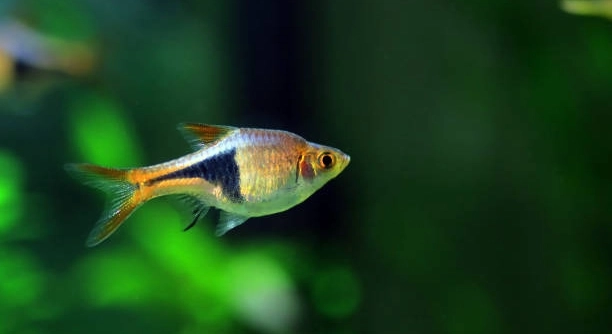
Have you ever noticed your rasboras swimming close when you approach the tank and wondered if they truly recognize you as their caretaker? These tiny fish often display patterns that suggest awareness and familiarity with their surroundings.
Rasboras can recognize their owners to some extent through visual cues and routine interactions. They may respond to familiar faces or movements, demonstrating associative learning rather than deep emotional recognition, which is common in many small fish species.
Observing these subtle behaviors can enrich your relationship with your fish and help create a more engaging and attentive aquarium environment.
How Rasboras See You
Rasboras primarily use their vision to understand their surroundings. They notice movement, light changes, and shapes more than details like color or facial features. When you approach the tank consistently, they begin to associate your presence with feeding or activity. Over time, they may swim toward you or follow your hand when you are near. This response is often more pronounced if you maintain a regular routine for feeding and cleaning. They may also recognize objects you frequently move in the tank, like decorations or equipment, linking these items with your presence. While they do not form emotional bonds like mammals, their repeated recognition of familiar patterns shows a form of learning and adaptation.
These fish are sensitive to routine and consistency. A steady environment allows them to respond predictably to you and your actions in the aquarium.
Rasboras’ recognition develops slowly. By interacting regularly and maintaining consistent habits, you can encourage them to associate your presence with safety and feeding. Small movements outside the tank often trigger noticeable reactions inside, showing they pay attention to cues in their environment. They may swim closer, speed up, or gather near the front of the tank. Over weeks, they begin to differentiate between regular caretakers and strangers, even though their memory spans only a few days. This learning helps reduce stress for both you and the fish, creating smoother daily care. By observing and responding gently, you can foster a more responsive and attentive group of rasboras, enhancing their comfort and your enjoyment of their behavior.
Signs Your Rasboras Recognize You
Rasboras show recognition through behavior more than direct interaction. They often swim toward familiar movements and wait near feeding areas.
These subtle signs, like approaching the glass or following your hand, indicate learning and routine recognition. They may pause or react to your movements differently than to strangers. Over time, this behavior becomes more consistent, showing adaptation and awareness. Watching these responses closely helps you understand individual fish personalities, their comfort levels, and how they interact with each other. Some may be more responsive, while others remain cautious but still notice your presence. Recognizing these patterns allows you to adjust feeding, tank maintenance, and interaction times to suit their needs. This consistency strengthens their routine and minimizes stress, improving overall health. By maintaining predictable behavior, you create an environment where rasboras can learn and respond safely, giving you insight into their subtle, observant nature.
Training Rasboras to Recognize You
Consistency is key when interacting with rasboras. Feeding them at the same spot and time daily helps them associate your presence with food and comfort, encouraging recognition over time.
By maintaining a predictable routine, rasboras gradually learn to link your movements with positive experiences. When you approach the tank, they may swim closer or gather near the surface in anticipation of feeding. This learning process is subtle and requires patience. Gentle hand movements and calm interactions reinforce their sense of safety, making them more attentive to your presence. Over weeks, these behaviors become more reliable as the fish recognize cues associated with you.
Small adjustments, like moving slowly or offering food at consistent times, strengthen the bond. Avoid sudden changes, as they can cause stress and slow the recognition process. Over time, you may notice individual fish responding differently, showing their personalities and levels of curiosity. Monitoring these responses helps tailor care to each fish, improving comfort and engagement in the tank.
Common Mistakes That Hinder Recognition
Inconsistent feeding schedules can confuse rasboras and reduce their ability to associate you with positive experiences. Stressful tank conditions make recognition harder.
Frequent water changes or moving decorations abruptly may make them wary of your presence. Overhandling the tank or sudden, fast movements can create fear responses rather than recognition. Ignoring these signs slows the learning process. Ensuring a calm, predictable environment allows rasboras to link your presence with safety and routine.
Some mistakes are subtle. Feeding at irregular intervals, tapping the glass, or introducing loud noises can prevent fish from noticing your movements as positive signals. Overcrowded tanks or aggressive tank mates reduce their focus on external cues like your presence. Gradually adjusting your approach—slow movements, calm voice, predictable feeding, and minimal stress—encourages recognition. Observing their reactions allows you to fine-tune interactions, enhancing comfort and responsiveness. Patience and attention to small details are essential to help rasboras learn your patterns and respond consistently.
Visual Cues Rasboras Respond To
Rasboras notice movement and shapes more than colors or details. Slow hand movements near the tank encourage them to observe without fear.
They respond to familiar objects, like feeding tools or decorations, linking these cues with routine interactions. Consistency helps them recognize patterns quickly.
Patience and Observation
Watching rasboras carefully is essential for understanding their recognition behaviors. Repeated interactions at the same times of day improve familiarity and reduce stress. Over weeks, you will notice subtle responses, such as swimming closer or following movements, showing they are learning and adapting to your presence.
The Role of Feeding
Regular, calm feeding encourages recognition. Rasboras learn to associate your approach with food, making interactions more predictable and comfortable for them.
FAQ
Do rasboras really know their owners?
Rasboras do not recognize owners like pets such as dogs or cats, but they can learn to identify familiar movements, shapes, and routines. Over time, they may respond differently to you than to strangers, showing a level of associative learning rather than emotional attachment.
How can I encourage my rasboras to recognize me?
Consistency is crucial. Feed them at the same time and place each day, and move slowly when approaching the tank. Calm and predictable actions help them link your presence to positive experiences, encouraging responsiveness. Gentle hand movements and minimal sudden changes reinforce their comfort.
Why do some rasboras react more than others?
Individual personalities play a role. Some rasboras are naturally more curious, while others are cautious. Tank conditions, past stress, and social dynamics also affect their responses. Observing their behavior allows you to tailor interactions to each fish’s temperament.
Can touching the tank help them recognize me?
Tapping or touching the tank can stress rasboras, making them wary. It is better to use slow, consistent hand movements outside the glass, combined with feeding routines, so they associate your presence with safety and food rather than sudden disturbances.
How long does it take for rasboras to recognize a person?
Recognition is gradual. Most rasboras begin showing subtle responses in a few weeks if routines are consistent. Full recognition, where they respond reliably to your presence, may take several months depending on their personality and tank environment. Patience and observation are key.
Do tank decorations affect recognition?
Yes, familiar objects help rasboras learn patterns. Moving decorations frequently can confuse them, while consistent placement reinforces the association of your presence with a predictable environment. They notice objects tied to feeding or cleaning and link these cues to your actions.
Can recognition reduce stress in rasboras?
Yes, knowing and expecting routine interactions lowers anxiety. When rasboras associate your presence with feeding or calm activity, they exhibit fewer stress behaviors. Predictable interactions contribute to healthier, more active fish, making their tank a more stable environment.
Do all sizes of rasboras recognize their owners the same way?
Smaller and younger fish may be less responsive at first due to cautious instincts, while mature fish often react more consistently. However, size is less important than individual personality and consistent interaction for developing recognition. Patience and gentle routines help all ages.
Will they remember me after time away?
Rasboras have short-term memory for a few days to a week. If interactions pause for longer periods, they may need to relearn routines. Regular contact and consistent patterns help maintain recognition over time. Reintroducing feeding cues quickly restores familiarity.
Can multiple owners confuse rasboras?
Yes, having different people approach at varying times can slow learning. Rasboras associate recognition with consistent cues. A primary caretaker who maintains feeding and movement patterns ensures clearer recognition. Other people should follow similar routines to avoid stress or confusion.
Do rasboras recognize owners differently than other fish?
Compared to more interactive species, rasboras rely on visual and movement cues rather than social interaction. Their recognition is subtler and more dependent on routine. While they respond to familiar actions, they are less likely to show overt behaviors like swimming to greet a person.
How do I know if my rasboras really notice me?
Signs include swimming closer to your hand, pausing near the glass, or gathering at feeding spots. These behaviors indicate they recognize cues linked to you. Consistent observation over time reveals patterns, helping you understand each fish’s comfort and attentiveness.
Can feeding too much affect recognition?
Yes, overfeeding can reduce responsiveness. Rasboras may focus on food rather than learning cues from your presence. Controlled, consistent portions maintain routine recognition and promote healthy behavior and diet.
Do environmental changes affect recognition?
Yes, sudden water temperature changes, lighting shifts, or tank rearrangements can stress rasboras and slow recognition. Stability helps them link your presence to positive experiences rather than unexpected disturbances. Slow adjustments are better than abrupt changes.
Is recognition permanent?
No, recognition fades without reinforcement. Regular interaction and routine help maintain it. Short-term breaks may require reintroducing consistent cues for rasboras to regain familiarity, but ongoing gentle and predictable care strengthens long-term responses.
Can I use gestures or signals to enhance recognition?
Yes, repeating the same hand movements, feeding gestures, or specific actions at regular times helps rasboras associate those cues with positive outcomes. Over time, they learn to anticipate feeding or interaction based on these gestures. Consistency is key.
Does lighting affect their ability to recognize me?
Moderate, consistent lighting is best. Too dim or harsh light can reduce visibility, making it harder for them to notice movement cues. Proper lighting helps them see you clearly and respond appropriately to routine actions.
Are there signs that indicate fear instead of recognition?
Yes, darting away, hiding, or clumping together signals stress rather than familiarity. If these behaviors occur during your approach, slow down, reduce sudden movements, and ensure feeding routines are gentle to encourage positive recognition.
Can other fish influence their recognition of me?
Yes, tank mates impact behavior. Aggressive or highly active fish may distract or stress rasboras, reducing focus on cues from you. Calm community members and stable social dynamics enhance their ability to notice and respond to your presence.
Is it possible for rasboras to recognize multiple people?
They can learn multiple consistent routines, but recognition is clearest with a primary caretaker. Other people should follow predictable patterns for feeding and movement to ensure positive responses and minimize confusion.
Do seasonal changes affect recognition?
Slightly. Changes in temperature, lighting, or water chemistry may alter activity levels and responsiveness. Maintaining consistent feeding and interaction routines throughout the year helps reinforce recognition regardless of seasonal shifts.
How can I improve their memory for recognition?
Consistent daily routines, calm interaction, and repeated cues strengthen associative learning. Avoid sudden disruptions, overfeeding, or irregular schedules, and observe their behavior to adjust interactions for clearer recognition over time. Patience and steady care improve long-term responses.
What is the main takeaway about rasboras recognizing owners?
Recognition is subtle, based on routine and visual cues rather than emotional bonds. Regular, predictable interaction, calm movements, and consistent feeding help rasboras learn to respond to you, making the tank more engaging and reducing stress for the fish.
How can I tell if recognition is improving?
Look for consistent approaches, waiting near feeding areas, and attentiveness to your hand or movement. Over weeks, these patterns indicate growing familiarity. Keeping a calm, predictable routine accelerates learning and strengthens their responses.
Does age impact recognition ability?
Younger rasboras may take longer to respond due to caution, while older fish often show clearer recognition. However, regular interaction benefits all ages, and personality often plays a bigger role than age in responsiveness.
Are there specific signs of comfort tied to recognition?
Yes, relaxed swimming, following movements, and calm behavior near feeding areas indicate comfort. These signs show they associate your presence with safety and routine rather than stress, reflecting positive recognition over time.
Can I combine recognition training with other care routines?
Yes, pairing feeding, cleaning, and observation consistently helps rasboras link multiple cues to your presence. Gentle, predictable handling during routine maintenance enhances learning and strengthens responses, creating a calm and familiar environment for the fish.
Do rasboras ever forget recognition cues?
Yes, without consistent reinforcement, recognition fades. Interruptions in routine, changes in caretakers, or stressful conditions can reduce responsiveness. Regular interaction and consistent patterns help maintain recognition over time, ensuring the fish continue to respond predictably to your presence.
Rasboras are small, delicate fish, but they are surprisingly observant. They may not form bonds like mammals, but they can recognize familiar patterns and movements over time. Regular routines, gentle interactions, and predictable feeding schedules help them associate your presence with safety and food. Even small gestures, like moving slowly near the tank or using the same hand movements during feeding, can make a difference. These consistent cues allow them to notice you and respond in ways that show they are aware of what is happening in their environment. Over time, you can see subtle signs of recognition, like swimming toward your hand or gathering near the front of the tank when you approach.
The process of gaining their attention and recognition requires patience. Rasboras have short-term memory, so repeated interactions and routine behaviors are essential to reinforce familiarity. They respond more reliably to calm, consistent actions than to sudden changes or loud noises. Environmental factors also play a role; stable water conditions, consistent lighting, and a predictable tank setup help them feel secure and more likely to notice your presence. Observing individual fish closely allows you to understand their personalities and preferences. Some may be naturally curious, swimming toward you quickly, while others are cautious but still respond over time. Adjusting your interactions to match their temperament improves comfort and encourages recognition.
Recognizing and responding to your presence is a form of learning for rasboras. It is subtle, but it can make your aquarium experience more engaging and enjoyable. By creating a predictable environment and interacting gently and consistently, you encourage behaviors that show awareness and familiarity. This process benefits both you and the fish: they experience less stress, and you gain the satisfaction of observing their reactions and developing a form of communication. While rasboras do not form emotional bonds in the way pets like cats or dogs do, their ability to recognize patterns and respond to routine is a rewarding part of caring for them. Paying attention to these small behaviors, maintaining consistency, and being patient allow you to nurture a calm, attentive group of fish that are more responsive to your presence over time.

Hello,
If you enjoy the content that we create, please consider saying a "Thank You!" by leaving a tip.
Every little bit helps us continue crafting quality advice that supports the health, happiness, and well-being of pets around the world, for pets of all shapes, sizes, and species.
We really appreciate the kindness and support that you show us!