
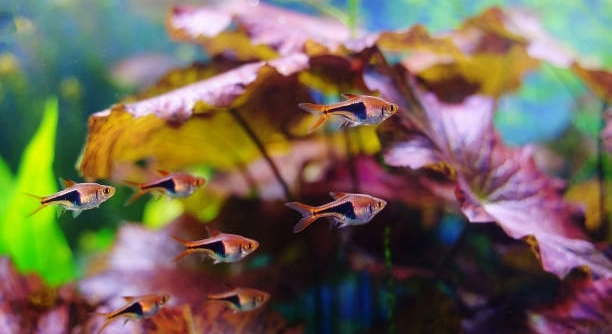
Rasboras are small, lively fish that brighten any aquarium with their movements and colors. Observing them can be relaxing, and noticing their shades gives clues about their health and environment. Healthy rasboras display consistent, vibrant patterns that appeal to hobbyists.
Healthy rasboras typically exhibit a range of colors including bright red, orange, yellow, metallic green, iridescent blue, silvery white, and deep black. These hues indicate proper nutrition, water quality, and overall well-being, and sudden fading may signal health concerns.
Knowing what to expect in their coloration helps ensure your rasboras thrive in a safe and well-maintained aquarium environment.
Bright Red Rasboras
Bright red rasboras are among the most striking colors you can see in an aquarium. Their bodies glow with a warm, vivid hue that instantly draws attention. This red coloration is often strongest in healthy, well-fed fish that receive a balanced diet with proper nutrients. Water quality also plays a major role. Poor water conditions can dull their color quickly, while stable parameters help maintain their brightness. Red hues are typically more prominent during mating displays, as male rasboras showcase their intensity to attract females. Observing their shade regularly helps monitor their health and alert you to any subtle changes in diet or environment.
The intensity of red can vary depending on age and species. Younger fish may appear lighter, while mature adults display deeper red tones. Consistent care ensures these shades remain vivid.
Maintaining bright red coloration requires attention to diet and habitat. Foods rich in carotenoids and vitamins enhance pigmentation, while avoiding stress keeps colors from fading. Proper tank setup with plants and clean water also supports overall health. Watching your red rasboras thrive can be a rewarding and visually satisfying experience, showing the direct impact of your care.
Orange and Yellow Shades
Orange and yellow shades are common in healthy rasboras, offering a cheerful contrast to darker hues in the tank.
These colors usually indicate well-nourished fish and a balanced environment. Vitamins and natural pigments in their diet enhance these warm tones, while stress or poor conditions may make them fade.
Orange and yellow shades appear in various patterns, sometimes mixed with red or metallic highlights. Regular feeding with color-enhancing foods, such as shrimp flakes or spirulina, helps maintain vibrancy. Tank lighting also affects how these colors are perceived, so ensuring proper brightness without excessive exposure is important. Observing these warm shades helps track the health of your rasboras, as dull colors often signal issues in nutrition or water quality. By keeping the aquarium clean and feeding nutrient-rich foods, these shades remain vivid and lively. Watching the movement of orange and yellow rasboras adds a dynamic and pleasing visual to any tank, reflecting both their natural beauty and the care provided.
Metallic Green Hues
Metallic green is a sign of healthy rasboras. This shade appears on their scales, reflecting light and adding a shimmering effect throughout the tank.
The green tones are often enhanced by a clean environment and proper diet. Fish that receive varied nutrition with plant-based ingredients develop stronger metallic reflections. Stable water conditions reduce stress, which otherwise dulls these hues. Lighting also plays a role, as natural or full-spectrum aquarium lights highlight the reflective quality of the scales.
Metallic green can appear alongside other colors, such as red or silver, creating a layered, iridescent look. Observing these shades helps track health because fading or patchy metallic tones may indicate water or dietary issues. Regular monitoring, consistent feeding, and maintaining ideal water parameters allow these colors to remain bright, giving your tank a lively, vibrant appearance that changes subtly throughout the day.
Iridescent Blue Shades
Iridescent blue often appears in healthy rasboras, especially on their fins or along the sides of the body, giving them a soft, reflective sheen. This shade signals proper nutrition and low-stress conditions.
Blue pigmentation comes from light interaction with specialized scales. Fish exposed to stable water conditions and proper diet show more vivid blue hues. Poor water quality or low-quality food can reduce the intensity of these shades, making them appear dull or washed out. Blue tones are often more noticeable under specific lighting, enhancing the natural shimmer. Maintaining consistent tank conditions allows these shades to flourish while highlighting the unique beauty of each individual fish.
Supporting iridescent blue shades requires careful attention to both diet and environment. Feeding foods rich in carotenoids and vitamins enhances their natural color while reducing stress prevents fading. Tank plants, gentle water flow, and regular cleaning contribute to overall well-being, helping maintain the reflective quality. Observing these fish regularly allows you to notice subtle changes, ensuring any health or environmental issues are addressed promptly. Healthy blue shades make the aquarium more visually dynamic, creating an appealing, almost magical effect as fish move and interact.
Silvery White Tones
Silvery white is a common shade in healthy rasboras, especially on their bellies and sides. It reflects light, giving the fish a clean, bright appearance that complements other colors in the tank.
Maintaining this tone requires clear water and a balanced diet. Stress or poor nutrition can make the silver appear dull.
Deep Black Markings
Deep black markings often appear as stripes, spots, or fins. They highlight patterns and contrast with brighter colors, showing the fish’s natural design.
These black areas remain sharp when fish are healthy and unstressed. Changes in intensity may indicate water quality or dietary issues, signaling the need for closer observation.
Observing Color Changes
Monitoring your rasboras’ colors regularly helps assess their health. Subtle fading or darkening can reveal stress, illness, or poor water conditions. Consistent care, proper feeding, and a clean environment help maintain their natural vibrancy.
Maintaining Vibrancy
To keep colors vivid, provide a varied diet with color-enhancing nutrients. Regular water changes and avoiding overcrowding reduce stress, allowing reds, blues, greens, and metallic shades to remain bright and reflective over time.
FAQ
Why are my rasboras losing color?
Color fading in rasboras usually points to stress, poor water quality, or insufficient nutrition. Sudden changes in temperature, pH, or overcrowding can dull their natural hues. A diet lacking in vitamins and pigments also affects vibrancy. Maintaining stable water conditions and feeding high-quality, varied foods restores their colors over time.
How often should I feed rasboras to keep their colors vibrant?
Feeding two to three small meals daily is ideal. Include color-enhancing foods like shrimp flakes, spirulina, and finely chopped vegetables. Overfeeding can harm water quality, causing stress and dull colors. Feeding in moderation ensures proper nutrition without affecting tank conditions.
Can tank lighting affect rasbora colors?
Yes, lighting greatly influences how colors appear. Full-spectrum or natural lighting highlights reds, blues, and metallic shades. Avoid excessive exposure, which can stress the fish. Proper light duration of eight to ten hours a day helps maintain color without harming their health.
Do rasboras change color as they age?
Rasboras often brighten as they mature, with juveniles showing lighter shades. Mature adults display deeper reds, blues, and metallic tones. Fading or patchy colors in older fish usually indicate health issues or environmental stress rather than natural aging.
Is water quality important for maintaining vibrant colors?
Water quality is critical. Ammonia, nitrite, or high nitrate levels can cause fading and stress. Regular water testing, partial water changes, and a well-maintained filtration system keep fish healthy and their colors bright. Stable parameters prevent sudden stress-related color loss.
Can stress affect the coloration of rasboras?
Yes, stress directly impacts pigmentation. Aggressive tankmates, overcrowding, or sudden environmental changes can make their colors dull. Providing hiding spots, maintaining group dynamics, and avoiding drastic changes reduces stress, keeping their natural hues vivid.
Are all color changes a sign of illness?
Not always. Some changes are normal during molting, breeding, or slight environmental adjustments. However, persistent dullness, spots, or unusual patterns can indicate disease or poor water conditions. Observing behavior alongside color changes helps distinguish normal from concerning shifts.
How do diet and nutrition enhance rasbora colors?
Nutrients like carotenoids, vitamins, and protein-rich foods improve pigmentation. Regularly feeding varied food sources ensures deep reds, bright oranges, and shimmering blues. A poor diet leads to muted tones, making the fish look unhealthy despite proper tank care.
Do different rasbora species have different color expectations?
Yes, species vary in natural shades. Harlequin rasboras show red-orange with black markings, while other species may have metallic greens or silvers. Understanding the species’ typical colors helps you monitor health and detect deviations from their natural appearance.
Can breeding affect color intensity?
Breeding can temporarily enhance or reduce coloration. Males often brighten to attract females, while females may show subdued tones. After spawning, colors may return to baseline. Observing these cycles helps distinguish natural variations from stress-induced changes.
How quickly can colors return after improving conditions?
Improved water quality, nutrition, and reduced stress can restore colors within days to weeks. Recovery speed depends on severity of fading, age, and species. Consistency in care ensures vibrant, lasting hues rather than temporary improvement.
Is it necessary to separate dull or stressed fish?
Separation isn’t always required unless aggression or illness is present. Instead, focus on water quality, proper diet, and calm tank conditions. Providing hiding spots and reducing stressors allows all fish to regain color naturally without isolation.
What signs indicate permanent color loss?
Permanent fading may result from chronic illness, genetic issues, or prolonged poor conditions. If fish show irregular patterns, persistent dullness, or behavioral changes despite care improvements, consult aquatic health resources to prevent further decline.
Can adding plants help maintain color?
Yes, live plants provide hiding spots and improve water quality, reducing stress. Healthy plants also offer visual contrast, making colors appear more vibrant. They create a balanced environment that supports the well-being and pigmentation of rasboras.
How important is tank size for color maintenance?
Adequate space reduces stress and encourages natural swimming behaviors, which highlight colors. Overcrowded tanks lead to fading, aggression, and uneven growth. Choosing the right size tank ensures fish remain healthy and visually vibrant.
Can supplements improve faded colors?
Certain supplements like spirulina powder, carotenoid-enriched flakes, or vitamin mixes enhance pigmentation. Use them as part of a balanced diet rather than relying solely on supplements. Combined with proper care, they help restore natural hues effectively.
Do seasonal changes affect color intensity?
Seasonal variations can subtly impact water temperature and light cycles, slightly altering shade brightness. Maintaining consistent conditions minimizes these fluctuations, allowing fish to retain steady, healthy colors throughout the year.
How does tank decoration influence coloration?
Dark backgrounds and substrate can make colors appear brighter, while pale or reflective surfaces may wash out shades. Choosing complementary decor enhances visual contrast, making vibrant reds, blues, and metallic greens stand out.
Can stress from new additions affect current rasboras’ colors?
Yes, introducing new fish may trigger temporary stress, leading to dull colors. Gradual acclimation and monitoring interactions reduce stress. Providing hiding spots and adequate space ensures existing fish maintain their natural vibrancy.
How do I know if fading is serious?
Persistent dullness combined with lethargy, loss of appetite, or abnormal swimming indicates serious issues. Immediate water testing, diet evaluation, and observation for disease signs are necessary to prevent further health decline.
Are color-enhancing foods safe long-term?
Yes, when used as part of a balanced diet. Avoid over-reliance on supplements alone. High-quality, varied foods support overall health while naturally intensifying pigmentation without adverse effects over time.
How often should I monitor colors?
Daily observation is helpful, especially during feeding or active swimming. Noting gradual changes helps detect early stress or illness. Regular monitoring ensures timely intervention and long-term maintenance of healthy, vibrant rasboras.
Can tankmates influence coloration?
Aggressive or overly dominant fish can stress rasboras, dulling their colors. Choosing peaceful companions and maintaining proper stocking levels supports natural pigmentation and overall well-being.
Does water hardness impact colors?
Yes, extreme hardness or softness can affect coloration. Stable, moderate water parameters maintain healthy pigmentation. Regular testing and gradual adjustments prevent stress-related fading and support vibrant shades.
How do I encourage natural color displays?
Consistent feeding, clean water, appropriate lighting, and calm tank conditions encourage fish to display their full spectrum of colors naturally. Observing and adjusting care as needed allows their beauty to flourish.
Is it normal for some colors to fade at night?
Slight color dimming at night is natural due to reduced light. It does not indicate illness. Colors should return to full intensity under proper lighting during the day.
Can temperature fluctuations affect coloration?
Yes, sudden changes in temperature can stress fish, leading to temporary dulling. Maintaining stable temperatures suited to the species ensures consistent, vibrant coloration throughout the day and season.
How long does it take for juvenile rasboras to show true colors?
Juveniles gradually develop brighter, distinct colors as they grow. Full coloration typically appears after several months, depending on species, diet, and water quality. Patience and proper care ensure healthy, vibrant adults.
Do all colors indicate good health?
Bright, consistent colors generally indicate health, but extremes or unusual patterns may signal issues. Observing behavior, appetite, and overall activity alongside colors provides a fuller picture of well-being.
How can I enhance colors naturally?
Provide a varied diet with natural pigments, maintain stable water conditions, include plants, and reduce stress. Gradual improvements support lasting vibrancy without relying heavily on artificial additives.
Can illness cause specific color changes?
Yes, diseases often cause patchy, faded, or off-colored areas. Combined with lethargy, loss of appetite, or abnormal swimming, these changes indicate a need for treatment. Early detection improves recovery chances and restores natural colors.
Is tank cleaning important for color retention?
Regular cleaning prevents harmful buildup of waste and toxins that dull pigmentation. Maintaining a clean, stable environment supports both health and vibrant coloration in rasboras.
Do genetics play a role in color intensity?
Yes, some species or strains naturally display more vivid colors. Genetics set the baseline, but diet, environment, and stress levels determine how well these colors are expressed in daily life.
Can seasonal diet changes affect coloration?
Yes, varying available foods can influence pigment intensity. Maintaining consistent, nutrient-rich feeding supports stable, vibrant colors throughout seasonal variations.
How do I tell the difference between stress-related fading and illness?
Stress fading is often temporary and linked to environmental changes, while illness usually comes with behavior changes, spots, or irregular patterns. Observing both physical appearance and behavior helps distinguish the cause.
Are there signs that colors are at their healthiest?
Vibrant, even, and reflective shades with active swimming, consistent appetite, and normal behavior indicate peak health. Balanced contrast between reds, blues, greens, and metallic tones shows well-maintained fish.
Can over-lighting cause color problems?
Excessive light can stress rasboras, causing colors to dull. Using appropriate duration and intensity prevents fading while highlighting natural pigmentation effectively.
What should I do if colors do not return after improving conditions?
Persistent dullness may require closer evaluation of diet, water parameters, or potential disease. Consulting a fish health resource ensures the right interventions to restore vitality and color.
How do I support color during breeding?
Provide optimal water conditions, nutritious food, and calm environments. Males often brighten naturally, while females maintain healthier tones, ensuring vivid coloration throughout reproductive periods.
Can crowding affect coloration?
Yes, overcrowded tanks increase stress, dulling natural colors. Providing adequate space and reducing aggressive interactions helps maintain vibrant hues.
Are there natural supplements to improve color?
Spirulina, krill, and carotenoid-rich foods enhance pigmentation safely. Incorporate them into a balanced diet to support bright, healthy colors over time.
How important is observation in color management?
Regular monitoring allows early detection of stress, illness, or fading, helping maintain vibrant and healthy rasboras consistently. Observation paired with proper care ensures colors remain true and bright.
Can changes in tank background affect appearance?
Yes, darker backgrounds often make colors pop, while lighter ones may make them appear muted. Choosing complementary decor enhances visual contrast and vibrancy naturally.
Do colors fade after shipping or relocation?
Temporary fading is common due to stress. Gradual acclimation, stable water, and careful handling help colors recover fully once fish adjust to the new environment.
Can water additives enhance colors?
Some additives provide trace minerals or mild pigments, but their effect is limited without proper diet and environment. Consistent care remains the primary factor for maintaining vibrant coloration.
What are signs of optimal color balance in a tank?
Bright, evenly distributed colors with reflective metallic tones and active, healthy behavior indicate the tank environment supports ideal coloration. Proper diet, water quality, and low stress are key contributors.
How do I manage fading in mixed-species tanks?
Ensure all species have compatible water parameters, sufficient space, and minimal aggression. Balanced feeding and calm conditions allow all fish to maintain their natural colors without stress-induced fading.
Can seasonal breeding cycles influence colors?
Yes, males may display intensified colors during mating, while females show subtle changes. This is natural and temporary, returning to baseline post-spawning with proper care.
Does tank temperature uniformity affect coloration?
Stable temperature within the species’ preferred range supports consistent pigmentation. Fluctuations can induce stress and temporary dulling, so gradual adjustments and monitoring are essential.
Are there environmental cues that trigger brighter colors?
Stable water, good diet, appropriate lighting, and calm surroundings encourage natural displays. Males often respond to females or territory signals, briefly intensifying colors.
Do all fish recover colors at the same rate?
Recovery speed depends on species, age, diet, and environmental factors. Some may regain full intensity within days, while others take weeks. Patience and consistent care ensure the best results.
Can introducing hiding spots improve coloration?
Yes, reduced stress from adequate shelters allows fish to display natural colors more confidently. Plants, caves, and driftwood provide security and encourage active swimming.
How do I differentiate between natural color variation and health issues?
Understanding species-specific coloration and observing behavior, appetite, and pattern consistency helps distinguish normal variations from disease or stress-related fading.
Does tank size influence color intensity?
Larger, appropriately stocked tanks reduce stress, promote activity, and allow colors to develop fully. Small, crowded tanks often result in muted shades.
Can water flow impact coloration?
Gentle, consistent water flow promotes health and reduces stress, supporting vibrant pigmentation. Strong currents may tire fish, causing temporary color dulling.
How can seasonal light cycles affect pigmentation?
Gradual changes in light intensity or duration can subtly shift perceived coloration. Maintaining consistent lighting helps stabilize shades year-round.
Is it normal for some colors to appear more intense in groups?
Yes, social interaction can enhance displays. Males may brighten to assert dominance, while overall group dynamics make individual colors appear more vivid.
How does water pH affect color?
Stable pH within the species’ preferred range maintains healthy pigmentation. Sudden swings can stress fish, leading to faded or uneven coloration.
Do all rasboras show metallic effects?
Not all species display metallic sheen. Those that do often show green or blue reflections, which are enhanced by light and proper care.
Can diet alone restore faded colors?
Diet helps, but without clean water, stable conditions, and reduced stress, improvements are limited. A combined approach ensures lasting vibrancy.
How do I prevent long-term color loss?
Consistent water quality, balanced nutrition, stable temperature, proper lighting, and minimal stressors prevent permanent fading and maintain healthy, vibrant rasboras over time.
Are temporary color changes during stress reversible?
Yes, temporary fading from stress often reverses once conditions improve. Monitoring behavior and environment ensures recovery without lasting damage.
Can seasonal food availability impact color?
Yes, consistent nutrient-rich diets year-round help sustain bright pigmentation despite seasonal changes in food sources.
Does adding floating plants affect coloration?
Floating plants provide shade and reduce stress, indirectly supporting vibrant colors. They create gentle lighting conditions that highlight natural hues.
Are all black markings permanent?
Black markings generally remain consistent, but stress, illness, or poor water quality can make them appear faded temporarily. Proper care preserves their intensity.
Can colors fade after illness recovery?
Temporary dulling is common after sickness. With consistent care, proper diet, and stable conditions, colors usually recover fully.
Do tank decorations influence color perception?
Yes, contrasting backgrounds and surfaces enhance the visual impact of colors. Darker tones make reds, blues, and metallic shades stand out more clearly.
How do I track gradual color changes?
Regular observation during feeding or daily activity, combined with photos, helps identify subtle fading or improvements over time, ensuring timely adjustments to care.
Can long-term stress cause irreversible fading?
Prolonged stress may permanently dull colors if not addressed. Early intervention with proper care prevents lasting damage and restores natural vibrancy.
Are there specific supplements for metallic tones?
Spirulina and carotenoid-rich foods enhance metallic reflections safely, supporting shimmer and iridescence when combined with a balanced diet.
How important is tank stability for color?
Stable temperature, pH, water quality, and minimal stress are essential. Fluctuations can cause fading or patchiness, while consistent care maintains vibrant pigmentation.
Can color intensity signal breeding readiness?
Yes, males often intensify colors during breeding periods. Observing these natural changes helps track reproductive behavior while maintaining overall health.
Do lighting angles affect color perception?
Lighting direction and intensity can enhance or dull appearance. Adjusting placement highlights metallic, red, and blue shades effectively.
Is it normal for colors to change slightly with seasons?
Minor seasonal changes in light and temperature can slightly alter appearance, but consistent care keeps colors bright and healthy.
How do I maintain all color shades simultaneously?
Balanced diet, clean water, stable conditions, proper lighting, low stress, and sufficient space ensure reds, blues, greens, metallics, and blacks remain vibrant together.
Can stress from water parameter changes cause fading?
Yes, abrupt pH, temperature, or hardness changes trigger stress-related dulling. Gradual adjustments and careful monitoring prevent permanent fading.
Are natural pigments in foods safe for long-term use?
Yes, natural carotenoids and plant-based pigments support healthy colors when part of a balanced diet, without adverse effects over time.
Can introducing new fish cause temporary color loss?
Yes, stress from new additions may dull existing fish temporarily. Proper acclimation and monitoring allow colors to recover quickly.
Do colors indicate overall fish health?
Bright, consistent colors generally reflect good health, while sudden fading or patchiness signals potential problems requiring attention.
Can environmental enrichment affect coloration?
Yes, hiding spots, plants, and structured environments reduce stress and encourage natural displays, keeping pigmentation vivid.
Is gradual color fading normal in older fish?
Slight dulling may occur with age, but sudden or patchy fading is usually stress- or illness-related, not natural aging.
How do I ensure color consistency in mixed-species tanks?
Provide compatible water conditions, space, and feeding routines. Reducing aggression and stress allows all species to maintain healthy pigmentation.
Do water hardness and minerals impact metallic sheen?
Moderate hardness and proper minerals support reflective scales. Extreme levels can dull metallic colors, so stability is key.
Can low-quality food permanently affect colors?
Yes, prolonged poor nutrition can result in muted, uneven pigmentation. High-quality, varied foods prevent long-term fading.
Does social hierarchy influence color display?
Dominant males often show brighter shades. Ensuring peaceful social structure reduces stress-induced fading among all fish.
Are there specific behavioral cues linked to color changes?
Aggression, mating, or stress may trigger temporary color shifts. Observing behavior alongside appearance helps interpret changes accurately.
How quickly do colors respond to improved care?
Depending on severity, recovery can take days to weeks. Consistent care ensures lasting improvement rather than temporary enhancement.
Can temperature drops affect metallic or iridescent colors?
Sudden drops may dull reflective scales. Maintaining stable, appropriate temperatures preserves shimmer and iridescence effectively.
Do juvenile and adult colors differ significantly?
Juveniles often appear muted. Adults show deeper, more vivid tones. Proper care accelerates development and maintains full pigmentation.
Can algae or biofilm affect color perception?
Yes, buildup on glass or decorations may
Final Thoughts
Healthy rasboras are a beautiful addition to any aquarium, and their colors provide more than just visual appeal. Observing the shades of red, orange, yellow, metallic green, iridescent blue, silvery white, and black markings can tell you a lot about their well-being. Vibrant colors generally indicate proper diet, clean water, and a low-stress environment. Fading or dull colors can be an early sign that adjustments are needed, whether in water quality, nutrition, or tank conditions. Paying attention to these details helps maintain a healthy and visually pleasing aquarium, while also giving your fish the best chance to thrive over time. Colors are not static; they can change slightly due to age, breeding, or natural variations. However, consistent care ensures that these variations remain within a healthy range and that your rasboras retain their natural vibrancy.
Providing a balanced diet is key to maintaining strong, bright colors in your rasboras. Foods rich in carotenoids, vitamins, and natural pigments support red, orange, and yellow tones, while high-quality protein and plant-based ingredients contribute to metallic and iridescent shades. Feeding several small meals a day rather than one large portion helps your fish digest food more efficiently and prevents water quality issues that can stress the fish. Supplements like spirulina or color-enhancing flakes can also support pigmentation, but they should be part of a varied and balanced diet rather than the sole source of nutrients. Along with proper nutrition, stable water parameters, adequate tank size, and gentle lighting conditions work together to create an environment where your rasboras can display their full range of colors naturally.
Monitoring your fish regularly is another important step in keeping them healthy and colorful. Observing behavior, appetite, and subtle changes in pigmentation helps you notice problems early. Stress, illness, or poor water conditions can lead to temporary or permanent fading, so taking quick action when something seems off is crucial. Small adjustments, such as improving water quality, adding plants or hiding spots, or adjusting lighting, can have a big impact on your fish’s coloration and overall well-being. By paying close attention to their needs and responding consistently, you can enjoy the full beauty of your rasboras while ensuring their health and longevity. Vibrant colors are not just for appearance—they are a reflection of care, stability, and a thriving aquarium ecosystem.

Hello,
If you enjoy the content that we create, please consider saying a "Thank You!" by leaving a tip.
Every little bit helps us continue crafting quality advice that supports the health, happiness, and well-being of pets around the world, for pets of all shapes, sizes, and species.
We really appreciate the kindness and support that you show us!