
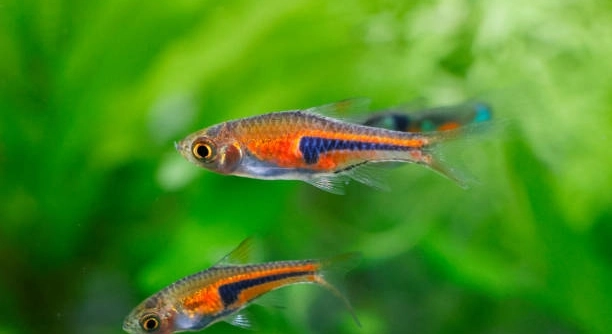
Rasboras are small, peaceful fish that brighten up any freshwater aquarium. Observing their behavior closely can help hobbyists know when these fish are preparing to spawn, ensuring a healthy and successful breeding environment.
Subtle signs of spawning readiness in rasboras include increased swimming activity, chasing among males and females, brighter coloration, and the appearance of tiny eggs on plants or substrate. Monitoring these behaviors allows aquarists to anticipate breeding and adjust tank conditions accordingly.
Recognizing these clues can make breeding more predictable and rewarding, helping you support your rasboras’ natural life cycle effectively.
Increased Swimming and Chasing
When rasboras are ready to spawn, you may notice a sudden increase in their activity. Males often chase females more persistently, weaving around the tank and nudging them gently. This behavior is a clear indicator that the fish are in breeding condition. Observing this can help you determine the right moment to provide optimal conditions for spawning. The increased movement is usually accompanied by frequent visits to plants or substrate, where eggs may eventually be deposited. Maintaining clean water and a slightly warmer temperature can encourage this activity, creating an environment that supports natural behaviors.
This heightened activity is a reliable sign of readiness, signaling that the breeding process is imminent and that your care can directly influence success.
Watching these chasing patterns closely allows you to adjust tank conditions promptly. By ensuring the tank is well-planted and free from stressors, you increase the likelihood of successful spawning and the health of both adults and future fry. Observing this behavior also gives insight into social dynamics, as dominant males may compete for attention, influencing which females lay eggs first. Recognizing these patterns early ensures that you can provide a safe and supportive environment. Small adjustments, like adding fine-leaved plants or lowering water flow, can create ideal spawning spots. Feeding high-quality live or frozen foods encourages vitality and further stimulates spawning readiness, helping the fish perform natural behaviors without interruption.
Brightened Coloration
Rasboras often display more intense and vivid colors when ready to spawn, making them easier to observe.
This visual change signals health and readiness. Bright colors attract mates and indicate that the fish are in peak condition. Monitoring these changes helps determine timing for breeding interventions.
Enhanced coloration is particularly noticeable in males, whose scales become more luminous and reflective. Females may also show subtle changes, though these are usually less dramatic. This transformation is a natural part of the breeding cycle, demonstrating that the fish are physiologically prepared. By noticing these color shifts, you can plan tank adjustments, like adding fine-leaved plants or gentle lighting, to encourage spawning. Proper nutrition plays a key role in supporting vivid coloration, as diets rich in protein and carotenoids enhance pigment expression. Observing these changes over time allows for accurate predictions of spawning periods, reducing stress and improving reproductive success. Keeping track of these visual cues complements other behavioral signs, ensuring a comprehensive understanding of your rasboras’ readiness to breed.
Egg Deposition Behavior
Rasboras begin selecting spots for egg laying, usually among fine-leaved plants or moss. Females may hover or repeatedly touch leaves with their bellies, preparing to release eggs. This behavior signals that the tank environment meets their spawning needs and should be left undisturbed.
Females often deposit eggs one at a time, attaching them carefully to plant surfaces. Males swim nearby, sometimes nudging the female to encourage egg release. The process can last several hours, with both fish displaying focused activity. Ensuring gentle water flow and stable temperature supports this delicate stage. Excessive handling or tank disturbances may stress the fish, causing them to abandon egg-laying efforts. Monitoring without interference helps maximize success while allowing natural behaviors to proceed.
Providing dense, safe planting gives the eggs protection from being eaten. Some rasboras may even scatter eggs across multiple areas, reducing risk of predation. Observation is key to recognizing the best time for adjusting tank conditions, like slightly lowering light or adding spawning mops. Regular feeding of live or frozen foods keeps adults energetic and encourages consistent egg-laying. By understanding this behavior, you create conditions that support healthy egg development and improve hatching outcomes, ensuring that your rasboras can reproduce successfully within a secure environment.
Subtle Water Preference Changes
Rasboras often shift toward slightly warmer or calmer areas in the tank during spawning periods.
These small adjustments indicate readiness, as fish seek conditions that favor egg survival. Monitoring these preferences allows timely adjustments to temperature or water flow to improve breeding outcomes.
Water preference changes are subtle but significant. Fish may linger near heater zones or areas with lower current, positioning themselves where eggs are most likely to remain undisturbed. These movements can be coupled with increased hovering or repeated brushing against plant leaves. Adjusting water parameters slightly, such as a gentle rise in temperature or softening flow, can enhance comfort and encourage spawning behavior. Over time, observing these patterns allows you to predict when spawning will occur and make minor tweaks that support egg retention and adult health. Consistency in water quality remains crucial, as even small fluctuations can cause stress. Recognizing these changes ensures the fish are in optimal conditions and reduces the chance of eggs being damaged or adults abandoning the site.
Restlessness Before Spawning
Rasboras often appear restless, swimming back and forth quickly or darting around the tank.
This restlessness indicates that they are preparing for spawning. Observing this behavior helps determine the optimal time to ensure the tank remains calm and supportive for breeding.
Male Display Behavior
Males frequently display to attract females, flaring fins and swimming prominently near chosen spawning sites.
These displays serve to show fitness and readiness. Dominant males may chase rivals or hover near females, ensuring they have the best chance to fertilize eggs. Proper observation of this behavior allows for timely adjustments to the tank environment.
Subtle Hiding Patterns
Females may briefly hide or linger in plants between egg releases.
This behavior helps protect eggs and reduces stress from males, ensuring safer and more successful spawning.
FAQ
How can I tell when my rasboras are ready to spawn?
Rasboras show several signs before spawning. Males become more active and chase females around the tank. Their colors become brighter, and females may hover near plants, rubbing their bellies against leaves. Watching for these behaviors helps predict when spawning is imminent.
Do I need special plants for egg-laying?
Yes, fine-leaved plants or moss are ideal. They provide surfaces for eggs to attach and offer protection from adults. Dense planting encourages natural behavior and reduces the chance of eggs being eaten or damaged.
Should I change the water for spawning?
Small adjustments can help. Slightly warmer water and gentle flow mimic natural conditions. Keep water clean, stable, and stress-free. Sudden or large changes can disturb the fish and prevent spawning.
How long does the spawning process take?
Egg-laying can take several hours. Females release eggs one by one while males fertilize them. Activity may continue intermittently throughout the day. Observing without interference ensures a smoother process and higher success rate.
Do all rasboras spawn at the same time?
No, timing varies by species, age, and health. Some may start earlier, while others follow a day or two later. Recognizing subtle behavior changes is essential to manage multiple fish successfully in one tank.
How do I protect the eggs?
Placing dense plants or spawning mops helps shield eggs. Avoid disturbing adults during this time. Some breeders remove adults temporarily to prevent egg predation, especially in smaller tanks.
What should I feed my rasboras before spawning?
High-quality live or frozen foods like brine shrimp, daphnia, or bloodworms boost energy and encourage breeding readiness. Feeding small amounts multiple times a day can enhance vitality and stimulate natural reproductive behavior.
Can rasboras spawn without male presence?
No, fertilization requires males. Observing male displays and chasing behavior ensures that eggs will be fertilized, and this interaction is a key part of successful breeding.
Is it normal for females to hide during spawning?
Yes, females may seek cover in plants or decorations between egg releases. This behavior reduces stress and protects the eggs. Providing plenty of hiding spots ensures safer and more successful spawning.
How can I increase spawning success?
Maintain stable water conditions, provide dense planting, feed nutritious foods, and minimize stress. Observing behavioral signs and adjusting minor environmental factors like flow and temperature can significantly improve outcomes.
Do rasboras need specific lighting to spawn?
Moderate, consistent lighting is sufficient. Too bright or fluctuating light can stress the fish. Gentle illumination helps them see plants for egg-laying and supports natural daily activity cycles.
When will eggs hatch?
Hatching typically occurs within 24–36 hours depending on species and temperature. Keep water conditions stable and avoid disturbing the eggs to maximize survival.
Should I separate fry from adults?
Yes, once hatched, fry are vulnerable to being eaten. Moving them to a separate tank or using a breeding box ensures higher survival and allows controlled feeding with fine foods like infusoria or newly hatched brine shrimp.
Can I encourage multiple spawns in one tank?
Yes, with proper care. Maintaining good water quality, abundant plants, and nutritious food encourages repeated spawning. Allow adults time to recover between spawns for consistent reproductive health.
Do environmental changes trigger spawning?
Slight adjustments in temperature, water flow, and diet can stimulate readiness. Avoid sudden or extreme changes, as these can stress the fish and disrupt natural behavior. Subtle, consistent modifications are most effective.
How do I know if eggs are fertilized?
Fertilized eggs are usually clear with a small embryo inside. Unfertilized eggs may turn cloudy or opaque. Removing unfertilized eggs helps prevent fungal growth and protects viable eggs.
What common mistakes should I avoid?
Avoid sudden water changes, overcrowding, lack of hiding places, and poor nutrition. Disturbing adults during spawning or neglecting egg protection reduces success rates. Consistency, observation, and gentle care are key.
How often can rasboras spawn?
Frequency varies by species and tank conditions. Some can spawn every few weeks, while others require longer intervals. Providing optimal conditions, food, and rest periods encourages regular breeding cycles.
Can I breed multiple rasbora species together?
It’s possible but not always recommended. Different species may have slightly different environmental needs and behaviors. Closely monitor interactions to prevent stress, aggression, or hybridization if purebred offspring are desired.
What should I do if spawning doesn’t occur?
Check water quality, temperature, nutrition, and tank setup. Ensure males and females are healthy and compatible. Sometimes, adjusting plants or flow gently encourages natural behavior. Patience and careful observation are crucial for eventual success.
Final Thoughts
Breeding rasboras can be a rewarding experience when approached with patience and careful observation. Understanding the subtle behaviors that indicate spawning readiness is key to ensuring a successful outcome. Increased swimming, chasing, and hovering near plants are all signs that your fish are preparing to reproduce. Observing these behaviors closely allows you to adjust tank conditions, like maintaining stable water quality, slightly warmer temperatures, and gentle flow, creating an environment that supports natural behaviors without causing stress. Providing plenty of fine-leaved plants or moss not only gives the eggs surfaces to attach but also ensures safety for both the adults and the developing embryos. By focusing on these details, you can help your rasboras thrive and reproduce naturally.
Nutrition plays a significant role in successful spawning. Feeding a diet rich in live or frozen foods, such as brine shrimp, daphnia, and bloodworms, enhances the vitality and coloration of your fish, making them more likely to engage in reproductive behaviors. Regular, small feedings maintain energy levels and encourage consistent activity in the tank. Observing male displays, chasing behaviors, and subtle hiding patterns of females provides insight into when the breeding process is happening and how best to support it. Attention to these small details, combined with a calm and stable environment, helps ensure that the eggs are fertilized and protected from unnecessary stress or predation. Over time, you will notice patterns and signals that indicate readiness, allowing for better planning and adjustments to the tank setup, which can improve the overall success of each spawning attempt.
Patience and careful monitoring are essential throughout the entire process. Rasboras do not always spawn immediately, and timing can vary depending on species, tank conditions, and individual fish health. Avoid making sudden changes to water conditions or disturbing the tank during critical periods, as this can interrupt spawning behavior. Providing a supportive environment, along with consistent care and observation, increases the chances of producing healthy fry. Watching your rasboras display natural breeding behaviors can be satisfying, offering insight into their biology and interactions. Maintaining good care practices, such as feeding high-quality food, monitoring water parameters, and offering adequate plant coverage, ensures that the adults remain healthy and capable of repeated spawning. By paying attention to these elements, you create an environment where rasboras can successfully reproduce while maintaining their overall well-being, allowing you to enjoy the process of raising vibrant, active fish.

Hello,
If you enjoy the content that we create, please consider saying a "Thank You!" by leaving a tip.
Every little bit helps us continue crafting quality advice that supports the health, happiness, and well-being of pets around the world, for pets of all shapes, sizes, and species.
We really appreciate the kindness and support that you show us!