
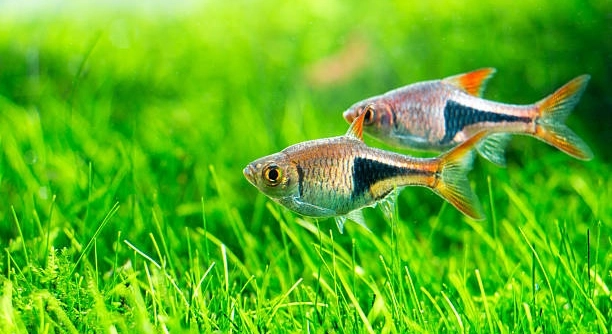
Have you ever noticed how aquarium lighting can shape the calm behavior of rasboras, influencing their colors, movement, and comfort within the tank, while also affecting how natural and balanced the entire aquatic environment feels.
Rasboras generally prefer dim to moderate lighting conditions, as softer light closely resembles their natural habitats. Bright lighting can cause stress and subdued behavior, while gentle illumination supports normal activity, coloration, and a greater sense of security within captive aquariums.
Lighting choices affect stress, color, and behavior, making proper illumination an essential part of creating a stable, healthy rasbora aquarium.
Natural Lighting Preferences of Rasboras
I have kept rasboras in several setups, and their response to lighting has always been consistent. In nature, these fish inhabit shaded streams filled with plants, leaf litter, and dark substrates. Light filters through tree cover rather than shining directly. When placed under intense aquarium lights, rasboras often fade in color and remain close to cover. Dimmer lighting helps them swim more freely and display stronger schooling behavior. It also supports a calmer tank atmosphere overall. Soft lighting reduces sudden shadows and sharp contrasts, which can trigger stress responses. This preference is not about darkness, but balance. A gentle glow allows rasboras to feel protected while still maintaining a visible, active presence. Matching their natural conditions as closely as possible leads to healthier behavior and long term stability. This approach also makes observation easier and creates an aquarium environment that feels steady, natural, and visually pleasing over time indoors consistently.
Low lighting does not mean poor visibility or neglected care. It means using controlled intensity, floating plants, and darker décor to diffuse light gently. These adjustments help rasboras feel settled without sacrificing plant health or overall tank appearance. This approach keeps lighting practical, stable, and responsive to conditions.
Rasboras kept in softer light often show improved feeding responses and smoother social interaction. I have noticed fewer frantic movements and more synchronized swimming when brightness is reduced. Subdued lighting also complements dark substrates and natural wood, enhancing color contrast without overwhelming the fish. It encourages a consistent day and night rhythm, especially when paired with a reliable timer. Sudden light changes should be avoided, as gradual transitions are less disruptive. When lighting feels predictable, rasboras adapt faster to their surroundings. This stability contributes to stronger immune response and fewer stress related issues over time within the aquarium environment overall.
Choosing the Right Aquarium Light
Selecting appropriate lighting starts with moderation. Bright systems marketed for display tanks are often unnecessary for rasboras. Instead, adjustable lights allow gradual tuning based on fish behavior. Observing movement, color, and comfort offers clearer guidance than relying on wattage alone. This approach keeps lighting practical, stable, and responsive to conditions.
LED fixtures with adjustable intensity are ideal for rasbora tanks. I prefer models that allow fine control rather than preset modes. Starting at a lower setting and slowly increasing brightness over several days helps fish adjust without visible stress. Floating plants like frogbit or salvinia further soften light and create shaded zones. These plants also improve surface coverage, which rasboras naturally seek. Tank placement matters as well. Aquariums near windows may receive fluctuating daylight, leading to inconsistent exposure. Keeping the tank away from direct sunlight prevents algae spikes and sudden brightness shifts. A lighting schedule of eight to ten hours supports stability without overexposure. Timers are useful for maintaining consistency, even on busy days. When light levels remain steady, rasboras maintain better color and predictable behavior. Proper lighting works alongside filtration, diet, and tank layout. It is not an isolated factor but part of a balanced system. Paying attention to light quality rather than intensity alone creates a calmer, healthier aquarium that supports long term success. From my experience, small adjustments made patiently tend to produce better results than frequent changes, allowing fish to settle, adapt, and thrive without constant environmental disruption over extended periods in well maintained aquariums consistently.
Signs of Excessive Lighting Stress
Rasboras show clear signs when lighting feels too intense in the tank. They may hide more often, stay near the bottom, or lose color. I usually notice reduced activity during feeding times, along with tighter grouping and quicker reactions to sudden movement under bright, prolonged exposure from overhead lighting sources.
Bright lighting can also increase stress levels over time, even if changes appear subtle at first. Rasboras rely on visual security, and excessive brightness removes shaded areas they naturally depend on. I have seen fish become jumpy and less willing to explore open space. Constant exposure may weaken immune response and shorten lifespan. This is especially noticeable in smaller tanks where light reflects off bare glass and pale substrates. Without plant cover or dark décor, fish have nowhere to retreat. Providing contrast through shadows helps them regulate behavior and rest properly throughout the day and maintain consistent daily comfort levels.
Adjusting light intensity does not require major equipment changes. Simple steps often make a clear difference. Floating plants reduce direct exposure and create natural shade. Darker substrates absorb light instead of reflecting it upward. I prefer adding driftwood to break lines of sight and soften brightness. Lowering light duration can also help, especially in tanks without live plants. Eight hours is usually enough. Watching fish behavior after each adjustment matters more than following fixed rules. Small changes, given time, allow rasboras to settle into a calmer routine that supports steady feeding, movement, and long term comfort within the home aquarium.
Balancing Light With Plant Growth
Lighting must also support plant health without overwhelming rasboras. Low to moderate light plants thrive under softer conditions. I choose species like java fern and anubias, which grow slowly and tolerate shade. These plants provide cover while keeping maintenance simple. Balanced lighting avoids algae growth and reduces the need for constant adjustments that disrupt tank stability. This balance supports visual calm and consistent growth over time for planted community aquariums housing small schooling fish comfortably.
Plant choice, light strength, and tank layout work together. Strong lighting for demanding plants can conflict with rasbora comfort. In those cases, creating shaded zones becomes essential. I arrange taller plants toward the back and let floating plants break surface light. This creates varied brightness levels across the tank. Fish can choose where they feel most at ease. Timers help keep light exposure consistent, preventing stress from irregular schedules. When plants receive stable light and fish remain relaxed, the aquarium becomes easier to manage. Algae stays controlled, feeding behavior improves, and overall balance is easier to maintain long term. This setup reduces constant intervention and allows natural patterns to develop without sudden disruptions across the tank, supporting stable conditions for both plants and fish species.
Setting a Stable Lighting Schedule
Lighting schedules influence how rasboras rest, feed, and school throughout the day. I have found that irregular on and off cycles create confusion and visible stress. Consistent timing helps fish anticipate changes, settle faster, and maintain steady behavior without sudden bursts of fear or inactivity during normal aquarium conditions daily.
Using a timer removes guesswork and keeps lighting predictable even on busy days. I rely on timers to avoid accidental overexposure. Stable schedules support natural rhythms, reduce startle responses, and help rasboras remain calm when lights switch on or off each day without sudden environmental disruption in home aquariums consistently.
How Tank Size Affects Light Perception
Tank size plays a role in how light is perceived by rasboras. In smaller tanks, light reflects more intensely off glass and décor, making brightness feel stronger. I notice stress signs faster in compact setups. Larger tanks allow light to spread evenly and provide shaded zones. Depth also matters. Shallow tanks expose fish to direct light, while deeper tanks soften intensity naturally. Adjusting brightness based on tank dimensions prevents overcorrection. Instead of increasing power, I focus on layout, plant placement, and surface coverage. This approach keeps lighting comfortable without sacrificing visibility or plant health over time in long term aquariums.
Adapting to Seasonal Light Changes
Seasonal room lighting can affect aquariums more than expected. Shorter daylight hours change ambient brightness, especially near windows. I adjust aquarium lights slightly during these shifts. This keeps rasboras from experiencing abrupt changes that interfere with rest, feeding patterns, and daily comfort within indoor home environments over time consistently maintained.
FAQ
Do rasboras need dim lighting to survive?
Rasboras do not require dim lighting to survive, but they do perform better under softer conditions. Bright light does not immediately harm them, yet long term exposure often leads to stress related behavior. I have noticed that rasboras kept under intense lighting tend to hide more and interact less. Dim to moderate light supports calmer movement, stronger schooling, and better color retention. Survival is possible under bright light, but comfort and health are clearly improved when lighting is reduced and balanced with shade.
Can rasboras live in brightly lit planted tanks?
Yes, rasboras can live in brightly lit planted tanks if adjustments are made. The key is creating shaded areas within the setup. Floating plants, tall stems, and driftwood help break direct light. In my experience, rasboras adapt better when they have choices within the tank. They may spend time in brighter zones briefly, then return to cover. Without shade, bright planted tanks often feel overwhelming. Light intensity should serve both plant growth and fish comfort.
Does bright light affect rasbora coloration?
Bright lighting often causes rasboras to appear washed out. This change usually happens gradually. Under softer lighting, their colors look deeper and more defined. I have seen red and orange tones become stronger once brightness was reduced. Color loss is often linked to stress rather than genetics. When lighting feels natural, rasboras display coloration more consistently. This is especially noticeable during feeding and schooling, when they feel secure enough to stay visible.
How many hours of light are best for rasboras?
Eight to ten hours of light per day works well for rasboras. Longer periods can lead to stress and algae growth. I prefer sticking closer to eight hours in tanks without demanding plants. Consistency matters more than duration. Using a timer helps keep the schedule stable. When light exposure is predictable, rasboras rest properly and maintain steady activity patterns throughout the day without sudden changes.
Can sudden light changes stress rasboras?
Sudden changes are one of the most common stress triggers. Turning lights on in a dark room can cause rapid darting or freezing behavior. I try to keep room lights on before aquarium lights switch on. Gradual changes feel less disruptive. Rasboras respond better when lighting transitions are predictable and gentle. This helps reduce panic responses and keeps daily routines stable.
Is natural sunlight good for rasboras?
Indirect natural light can be beneficial, but direct sunlight is usually problematic. Direct exposure increases brightness unpredictably and raises water temperature. I avoid placing tanks near windows with strong sunlight. Ambient daylight is fine, but aquarium lighting should remain the primary source. Controlled lighting provides stability that natural sunlight cannot always offer throughout the year.
Do different rasbora species prefer different lighting?
Most rasbora species share similar preferences for softer lighting. While some tolerate brighter conditions better than others, the general response remains the same. Species from heavily planted or forested waters show the strongest preference for dim environments. I have kept multiple species together under the same lighting with good results, as long as shade was available.
Can lighting affect rasbora feeding behavior?
Yes, lighting plays a role in feeding response. Under intense light, rasboras may hesitate before approaching food. Softer lighting encourages quicker and more confident feeding. I have observed better surface activity and less scattered movement once lighting was adjusted. Calm conditions allow them to focus on feeding rather than staying alert for perceived threats.
Should lighting be adjusted as rasboras age?
Older rasboras often benefit from stable, softer lighting. As fish age, they may become less tolerant of stress. I tend to avoid increasing brightness in established tanks with mature fish. Maintaining familiar conditions helps reduce strain. Small adjustments should always be gradual, allowing fish time to adapt without pressure.
Can too little light harm rasboras?
Extremely low light can affect plant health and limit visibility, but it rarely harms rasboras directly. The main issue is balance. I aim for enough light to observe behavior and support plants without overwhelming the fish. Complete darkness during daytime hours can disrupt natural rhythms, so some light is always necessary for stability.
How do I know if my lighting setup is working?
Behavior is the clearest indicator. Relaxed swimming, consistent schooling, stable color, and regular feeding suggest proper lighting. I watch how rasboras use the tank space. When they explore freely without constant hiding, lighting is likely appropriate. Small changes followed by observation provide better results than drastic adjustments.
Final Thoughts
Lighting plays a quiet but meaningful role in how rasboras experience their environment. While it is easy to focus on filtration, feeding, or tank size, light often shapes daily behavior in subtle ways. From my experience, rasboras respond best when lighting feels predictable, soft, and balanced with cover. They do not need darkness, but they also do not thrive under constant brightness. Their natural behavior becomes more visible when lighting supports comfort rather than display alone. Calm swimming, steady schooling, and consistent feeding usually follow once light intensity and duration are adjusted properly. These changes do not happen overnight, but small improvements become noticeable with patience. Paying attention to how rasboras move, where they spend time, and how they react to changes offers more insight than relying on fixed rules. Light should work with the tank, not dominate it.
It is also important to remember that lighting does not exist on its own. It interacts with tank layout, plant choice, substrate color, and even room conditions. A bright light over a sparsely decorated tank feels very different than the same light filtered through plants and wood. I have found that making physical adjustments often matters more than changing equipment. Adding floating plants, rearranging décor, or lowering light duration can create immediate relief without added cost. These choices also make the aquarium easier to maintain. When fish feel secure, problems like erratic behavior or poor feeding tend to decrease. Stability becomes the defining factor. Rasboras adjust well when their environment remains consistent, and lighting is a major part of that consistency.
At the end of the day, the goal is not perfection but balance. Every tank is slightly different, and rasboras adapt best when changes are slow and thoughtful. Brightness should never feel overwhelming, and darkness should never feel isolating. Finding the middle ground allows rasboras to behave naturally while still keeping the tank visually enjoyable. I prefer setups that feel calm rather than dramatic. Over time, this approach creates an aquarium that feels steady and easy to care for. Rasboras reward this balance with visible comfort and reliable behavior. Lighting, when handled with restraint, becomes a supportive background element instead of a constant source of adjustment. This steady approach benefits both the fish and the person maintaining the tank, creating a setup that feels sustainable rather than demanding.

Hello,
If you enjoy the content that we create, please consider saying a "Thank You!" by leaving a tip.
Every little bit helps us continue crafting quality advice that supports the health, happiness, and well-being of pets around the world, for pets of all shapes, sizes, and species.
We really appreciate the kindness and support that you show us!