
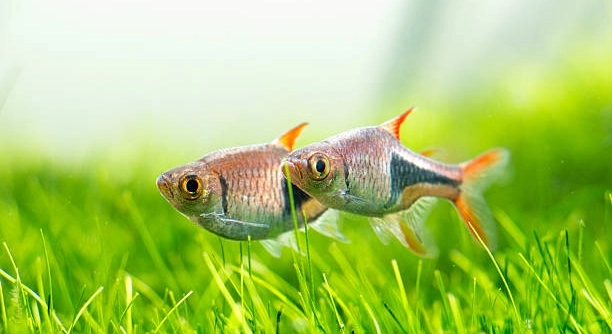
Keeping a community tank peaceful can be tricky, especially with small, active fish like rasboras. Many owners look for companions that are gentle and won’t provoke stress or aggressive behavior in their tank.
Several fish species coexist well with rasboras due to their calm nature and similar environmental needs. Suitable choices include Corydoras, Otocinclus, and small peaceful tetras, which maintain harmony and do not compete aggressively for food or territory in the aquarium.
Choosing the right tankmates ensures a calm, balanced environment where every fish can thrive and display natural behaviors without tension or conflict.
Corydoras Catfish
Corydoras catfish are small, bottom-dwelling fish that naturally stick to the lower areas of the tank. They are very peaceful and rarely disturb other species, including rasboras. Their social behavior makes them ideal for groups, as they prefer to be in schools of at least three or more. Corydoras help clean leftover food from the substrate, which keeps the tank cleaner without creating stress for other fish. They are hardy and adapt well to standard water conditions, making them low-maintenance companions. Their gentle nature and calm movements ensure rasboras can swim freely without feeling threatened. Additionally, Corydoras rarely compete aggressively for food, which reduces tension in the tank. Their small size and soft, rounded fins make them safe for delicate species like rasboras.
They thrive best in soft, slightly acidic water with a fine substrate to protect their barbels.
Corydoras are active during the day and provide constant movement at the bottom of the tank. They appreciate hiding spots like plants or small caves, which also help rasboras feel secure. Because they stay mostly at the bottom, they do not interfere with mid-level swimming fish, maintaining a peaceful aquarium dynamic. Feeding is easy, as they accept sinking pellets, flakes, and occasional live food. Observing their gentle behavior adds interest and variety without increasing tank tension.
Otocinclus
Otocinclus catfish are tiny algae eaters that rarely bother other tank inhabitants.
These fish are perfect for keeping algae under control in a rasbora tank. They are small, slow-moving, and shy, which keeps them from disturbing other fish. Otocinclus thrive in groups and prefer well-planted tanks with clean water and stable conditions. They consume soft algae from leaves and surfaces without damaging plants, making them excellent additions for maintaining a tidy tank. Their peaceful temperament ensures rasboras remain relaxed while they graze. Feeding requires occasional supplements, such as blanched vegetables, to keep them healthy. Keeping water parameters consistent is important, as they are sensitive to sudden changes. Their presence encourages natural interactions in the tank without adding aggression or stress.
Otocinclus also reproduce a calm atmosphere, allowing rasboras to swim actively in the mid-levels without disruption. Careful attention to their diet and water quality ensures they remain healthy and active. With proper maintenance, these algae eaters help reduce cleaning efforts, complementing the tank’s ecosystem efficiently. Observing them feeding is subtle but adds interest and encourages natural behavior in all tank inhabitants. They integrate smoothly with plants, driftwood, and hiding spots, promoting a well-balanced, peaceful environment. Their compatibility with rasboras comes from their small size, non-aggressive nature, and tendency to avoid competition for territory or food, making them a low-stress addition to any community tank.
Harlequin Rasbora
Harlequin rasboras are peaceful mid-level swimmers that coexist easily with other small, calm fish. They are social and do best in schools, which helps maintain a balanced and harmonious tank environment.
Their small size and non-aggressive nature make them compatible with other rasboras and similar species. They are active during the day, gracefully moving through the tank while maintaining minimal conflict. Harlequins enjoy well-planted tanks with open swimming spaces and subtle hiding spots, which support natural behavior and reduce stress. They feed on a variety of flakes, pellets, and occasional live food, which makes feeding straightforward and helps keep the group healthy.
Maintaining stable water conditions is key for harlequin rasboras, as they are sensitive to sudden changes in temperature or pH. Adding a gentle filter and moderate lighting promotes a calm environment. They appreciate the presence of other peaceful species, such as Corydoras or Otocinclus, and adapt well to shared spaces. Their schooling behavior creates a visually pleasing display while ensuring every fish feels secure and comfortable, minimizing territorial disputes or aggressive tendencies in the tank.
Neon Tetra
Neon tetras are small, colorful fish that maintain calm interactions in a community tank. Their peaceful temperament ensures they do not disturb rasboras or other gentle species.
These fish prefer to swim in schools of six or more, which enhances their safety and reduces stress. Neon tetras thrive in mid-level areas of the tank, avoiding competition with bottom dwellers. They require clean water, stable temperatures, and moderate lighting to remain healthy and vibrant. Their diet is simple, including flakes, micro-pellets, and occasional frozen foods, supporting consistent growth and color development.
Neon tetras are highly adaptable and integrate seamlessly into planted aquariums. Their presence adds visual interest with minimal disruption. They prefer calm water currents and appreciate gentle filtration. The combination of peaceful behavior, small size, and bright coloration makes them excellent companions for rasboras. Proper attention to diet and environment ensures a healthy, low-stress aquarium where all species coexist harmoniously, enhancing the tank’s overall aesthetic and maintaining a balanced aquatic ecosystem.
Cherry Barb
Cherry barbs are small, calm fish that stay peaceful around rasboras. Their gentle temperament and moderate activity make them easy to keep in community tanks.
They thrive in groups of five or more, which encourages natural schooling behavior. Their coloration adds a subtle pop of red, enhancing the tank’s visual appeal without causing stress to other fish.
Kuhli Loach
Kuhli loaches are slender, eel-like bottom dwellers that avoid confrontation. They spend most of their time hidden in sand or among plants, emerging mainly to feed. Their shy, non-aggressive nature ensures rasboras and other mid-level swimmers remain undisturbed. They help clean leftover food from the substrate, contributing to tank cleanliness.
White Cloud Mountain Minnow
White Cloud Mountain Minnows are hardy, peaceful fish that swim in schools. They prefer cooler water but adapt well to standard tropical tanks. Their small size and calm demeanor allow them to coexist with rasboras without competition for territory or food, maintaining harmony in a community setup.
Bamboo Shrimp
Bamboo shrimp are gentle filter feeders that do not bother rasboras. They remain mostly stationary, using their fan-like appendages to catch food particles from the water, adding a unique dynamic without creating stress in the aquarium.
What tank size is best for rasboras and peaceful fish?
A tank of at least 20 gallons is ideal when keeping rasboras with other peaceful species. This provides enough swimming space for mid-level swimmers and bottom dwellers while reducing territorial stress. Larger tanks also make it easier to maintain stable water conditions and prevent overcrowding.
How many companions can I keep with rasboras?
Rasboras do best in schools of six or more, so companions should be similarly small and peaceful. Mixing Corydoras, Otocinclus, harlequin rasboras, and small tetras in the right numbers keeps the tank balanced. Avoid overstocking, as this can lead to stress, poor water quality, and health issues.
Are rasboras compatible with larger fish?
Rasboras are generally not suited for tanks with aggressive or much larger fish. Larger fish can stress or even injure them. Sticking to small, gentle species ensures safety and allows all fish to exhibit natural behaviors without fear.
What water parameters work best?
Most peaceful fish compatible with rasboras thrive in slightly acidic to neutral pH, around 6.5–7.5, with temperatures between 72–78°F. Stable water quality is crucial, as sudden changes in temperature or pH can stress fish and increase susceptibility to disease. Regular monitoring and partial water changes help maintain stability.
What should I feed my peaceful tank?
A balanced diet includes high-quality flakes or pellets, supplemented with live or frozen foods like daphnia, bloodworms, and brine shrimp. Bottom dwellers like Corydoras and Kuhli loaches benefit from sinking pellets, while filter feeders like bamboo shrimp require fine particulate food. Offering a varied diet supports growth, color, and overall health.
Do I need hiding spots?
Yes, plants, driftwood, and caves help reduce stress and provide safe spaces for shy species like Otocinclus and Kuhli loaches. Mid-level swimmers like neon tetras and harlequin rasboras benefit from open swimming space with scattered cover. Proper layout balances activity with security.
How often should I clean the tank?
Partial water changes of 20–30% once a week are sufficient for most peaceful tanks. Avoid over-cleaning the substrate to preserve beneficial bacteria. Regular filter maintenance ensures good water quality without disrupting tank balance. Observing fish behavior can indicate if water quality needs extra attention.
Can I mix multiple schooling species?
Yes, combining species like harlequin rasboras, neon tetras, and white cloud mountain minnows works well if tank space is adequate. Keep each species in appropriate numbers to maintain their natural schooling behavior. Proper spacing prevents stress and helps each species thrive.
What signs show stress in rasboras?
Indicators include erratic swimming, hiding excessively, loss of color, or refusal to eat. Stress often results from poor water quality, aggressive tankmates, or overcrowding. Addressing the underlying cause promptly improves health and restores peaceful interactions.
Are peaceful shrimp and snails compatible?
Yes, species like bamboo shrimp, cherry shrimp, and nerite snails coexist well with rasboras. They add interest and help clean the tank without competing for territory. Keep in mind that small shrimp may be eaten if the tank includes very small or hungry fish, so observe interactions carefully.
How do I maintain long-term harmony?
Consistent water quality, proper feeding, and a balanced population are essential. Avoid sudden changes in temperature or pH, and provide enough space for each species to swim and hide. Careful observation and routine maintenance ensure a stable, peaceful environment where all tank inhabitants can thrive.
Is it necessary to quarantine new fish?
Quarantining new arrivals for at least two weeks helps prevent the spread of disease to an established tank. Observe behavior, check for visible signs of illness, and maintain stable water conditions during this period. This practice protects both new and existing fish.
What lighting is best for a peaceful tank?
Moderate lighting works well for planted tanks and most peaceful species. Bright light can stress shy fish, while too little light can reduce plant growth. Maintaining a consistent day-night cycle supports healthy behavior and natural activity patterns.
Can I keep live plants with rasboras?
Yes, live plants benefit both water quality and fish behavior. Rasboras and other peaceful fish enjoy swimming around dense foliage. Plants provide hiding spots and encourage natural exploration. Choose hardy species like Java fern, Anubias, or floating plants to reduce maintenance needs.
Do peaceful fish require special filtration?
Gentle filtration that avoids strong currents is best. Many bottom dwellers and small mid-level swimmers prefer calm water. Sponge filters or adjustable flow filters are ideal, keeping water clean without stressing delicate species. Regular maintenance ensures optimal function and tank stability.
How can I prevent aggression in a mixed tank?
Keep compatible species, avoid overcrowding, and provide enough space and hiding spots. Introducing new fish slowly and monitoring interactions helps maintain harmony. Balanced feeding routines and careful observation reduce stress and minimize conflict.
This FAQ covers the most important points for keeping rasboras and their peaceful companions healthy, safe, and stress-free, supporting a balanced and calm aquarium environment.
Keeping a peaceful aquarium with rasboras and compatible fish requires careful planning and observation. Rasboras are small, gentle fish that thrive in calm environments. Choosing tankmates with similar temperaments is essential to prevent stress and maintain harmony. Species such as Corydoras, Otocinclus, harlequin rasboras, and neon tetras coexist well because they avoid aggression and occupy different areas of the tank. Bottom dwellers clean the substrate, while mid-level swimmers like rasboras explore open spaces without competing for territory. By understanding each species’ natural behavior, you can create a balanced tank where all fish feel safe and can exhibit their natural movements. Providing proper schooling conditions for social species encourages confidence and reduces anxiety, while gentle interactions among tankmates prevent territorial disputes and aggression.
Water quality is another key factor in keeping rasboras and other peaceful fish healthy. Consistent monitoring of temperature, pH, and ammonia levels prevents sudden changes that can stress or harm fish. Partial water changes, careful filtration, and avoiding overcrowding are necessary for maintaining a stable environment. Live plants and hiding spots help fish feel secure and encourage natural behaviors. Even seemingly small details, such as the type of substrate or placement of decorations, can affect how comfortable your fish feel. Maintaining stable water parameters and providing an environment that suits both mid-level and bottom-dwelling species ensures long-term health. Healthy fish are active, colorful, and interactive, which creates a visually pleasing and calm aquarium for any hobbyist.
Feeding and diet also play a major role in a peaceful tank. A balanced diet that suits all tank inhabitants prevents competition and stress. Sinking pellets or flakes are ideal for bottom dwellers, while mid-level fish enjoy standard flakes or small live foods. Occasional treats like frozen or live brine shrimp can add variety and improve color and vitality. Observing how each species feeds ensures no fish are left out, and adjusting food quantities prevents overfeeding, which can compromise water quality. Patience, observation, and consistent care are essential when managing a mixed tank. Over time, a peaceful community of rasboras and compatible companions can flourish, creating a balanced and calming environment that is enjoyable to watch and easy to maintain. With the right choices in species, habitat, and care, any aquarium can become a stable, harmonious space where every fish thrives.

Hello,
If you enjoy the content that we create, please consider saying a "Thank You!" by leaving a tip.
Every little bit helps us continue crafting quality advice that supports the health, happiness, and well-being of pets around the world, for pets of all shapes, sizes, and species.
We really appreciate the kindness and support that you show us!