
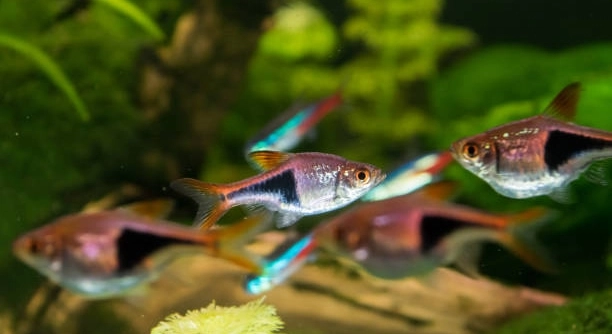
Do you love creating serene aquariums but find it challenging to design a space that suits your rasboras’ lively nature? A well-planned aquascape can transform your tank into a balanced and visually appealing environment.
The best aquascaping ideas for rasboras focus on natural layouts, gentle currents, and plants that provide both hiding spots and open swimming areas. Incorporating driftwood, smooth stones, and low-maintenance plants ensures their habitat remains healthy and stimulating.
Exploring these concepts will help you craft a beautiful tank that supports your rasboras’ activity and natural behavior. The right design makes their environment thrive and shine.
Minimalist Plant Layout
Creating a minimalist aquascape for rasboras allows their natural colors to stand out. Start with a simple substrate, such as fine sand or smooth gravel, to create a clean base. Use only a few plants, like Java fern or Anubias, placed strategically to avoid overcrowding. Driftwood or small rocks can be added sparingly to give depth and a natural feel without cluttering the tank. Open swimming space is crucial because rasboras are active swimmers and need room to move freely. Keep decorations low-profile so light reaches the plants evenly. Minimalist layouts are easier to maintain, reducing algae growth and making water changes simpler. Using subtle variations in plant height creates visual interest while maintaining simplicity. The key is balance between planted areas and open space, giving your rasboras room to explore while keeping the tank elegant and calming. Less is more in this approach, and it highlights the fish beautifully.
Minimalist layouts reduce stress for rasboras while keeping maintenance simple and water quality stable, making them ideal for small tanks.
Focusing on fewer plants and decorations ensures light reaches every part of the tank, promoting healthy growth. Place taller plants toward the back and shorter ones in front. Small driftwood pieces add texture and hiding spots without dominating the tank. Regular trimming prevents overcrowding and keeps the layout neat. Choosing hardy plants reduces the risk of decay affecting water quality. Minimalist design allows you to observe rasboras’ behaviors clearly and creates a serene visual effect. With minimal effort, this style balances aesthetics, fish health, and ease of maintenance, making it a practical and attractive option.
Floating Plant Cover
Floating plants create shaded areas that help rasboras feel secure while enhancing tank aesthetics. They also reduce light intensity, which controls algae growth naturally.
Using floating plants such as duckweed, frogbit, or water lettuce can soften the aquarium’s appearance. Their roots offer shelter for young or timid fish, giving them safe spots to hide. Floating plants also absorb excess nutrients from the water, improving overall water quality. Positioning these plants over certain areas creates gentle shadows that mimic natural environments. Regular thinning prevents them from blocking too much light and ensures plants below still thrive. Combined with a few low-growing stem plants or moss on driftwood, floating plants contribute to a layered and balanced aquascape. The movement of rasboras beneath these plants creates a dynamic yet calming scene, giving the tank a lively and natural feel. Floating plant cover integrates function and style, supporting fish health while maintaining a visually appealing layout that feels organic and natural.
Driftwood and Rock Focal Points
Driftwood and rocks give structure to a rasbora tank, creating natural hiding spots and resting areas. They break up open swimming space and provide visual interest without overwhelming the layout.
Using driftwood pieces with smooth surfaces prevents injury to delicate rasboras. Position rocks to form caves or crevices where fish can retreat if stressed. Combining driftwood and rocks creates a naturalistic appearance that mimics riverbeds. Avoid overcrowding; leave plenty of open swimming space for active rasboras. Secure larger rocks to prevent shifting, which could harm fish or damage plants. Driftwood can also release beneficial tannins, slightly lowering pH and softening water, which many rasbora species prefer. Balance size and placement carefully for a functional and attractive aquascape.
Driftwood and rocks serve dual purposes: aesthetic appeal and practical shelter. By thoughtfully arranging these elements, you create a dynamic environment where rasboras can explore safely while maintaining a harmonious tank design. Proper selection and placement ensure long-term stability and health for both plants and fish.
Carpet Plant Base
A carpet of low-growing plants like dwarf hairgrass or Monte Carlo enhances a natural feel and offers grazing areas. Dense carpeting adds depth and contrast to taller plants and decorations.
Carpet plants create a lush, green foreground that makes the tank appear fuller and more vibrant. Rasboras benefit from low plants, which provide cover near the substrate while leaving open water above for swimming. Trimming ensures even growth and prevents overshadowing nearby plants. Healthy carpeting stabilizes the substrate, preventing erosion during cleaning or water changes. Combining carpet plants with scattered rocks or driftwood adds texture, creating a layered look that feels alive. Consistent lighting and nutrients support rapid growth and maintain vibrant coloration.
Dense carpet planting improves overall tank health by supporting biological balance. It enhances aesthetics while giving rasboras natural resting and grazing spots. With proper care, carpets create a stable, attractive base that complements midground and background plants, making the tank visually appealing and functionally beneficial for the fish.
Background Stem Plants
Background stem plants like Vallisneria or Hygrophila provide height and cover at the rear of the tank. They create a natural backdrop that contrasts with open swimming areas and foreground plants.
These plants grow quickly and can be trimmed to maintain desired height. They help absorb excess nutrients, reducing algae growth. Dense background planting gives shy rasboras safe spots, while maintaining visibility in the main swimming area.
Midground Bushy Plants
Bushy midground plants such as Cryptocoryne or Bacopa fill the space between carpet plants and taller backgrounds. They offer hiding spots and contribute to a layered, natural appearance in the tank.
Seasonal Plant Variation
Changing plant types seasonally can refresh the tank’s look and stimulate natural behaviors. Rasboras may explore new growth and adapt to varied cover.
Floating Moss Accents
Floating moss creates small sheltered areas near the surface. It softens lighting and adds texture, enhancing both aesthetics and fish comfort.
FAQ
How do I choose the right plants for rasboras?
Choose plants that provide both cover and open swimming space. Hardy species like Java fern, Anubias, Cryptocoryne, and Vallisneria work well. Consider growth rate, lighting requirements, and whether the plant prefers shaded or bright areas. Floating plants can also help create hiding spots for timid fish. Avoid sharp or rough plants that could injure delicate fins. Think about layering: taller plants in the back, mid-height in the middle, and short carpeting in the front. This layout supports natural behavior and keeps the tank visually balanced while allowing rasboras freedom to swim.
Can I mix different rasbora species in one tank?
Yes, many rasbora species are peaceful and can coexist if tank size allows. Ensure similar water parameters, such as temperature, pH, and hardness. Provide enough swimming space, plants, and hiding spots to reduce territorial behavior. Some species may school differently, so introducing them in small groups helps minimize stress. Avoid mixing rasboras with aggressive or much larger fish that could harass them. Observing behavior after introduction is important. Adjusting decorations or plant density may help maintain harmony. Compatible species create dynamic movement and a lively display without conflict.
How often should I trim and maintain plants?
Trimming frequency depends on plant growth rate and species. Fast-growing plants may need weekly trimming, while slower species require less frequent maintenance. Remove dead or decaying leaves promptly to prevent water quality issues. Prune tall plants to maintain height balance and allow light to reach lower layers. Carpeting plants may need regular trimming to avoid overgrowth, which can shade other plants. Cleaning driftwood and rocks occasionally helps prevent algae buildup. Routine maintenance promotes healthy plants, stable water conditions, and a visually appealing aquascape that supports rasboras’ active behavior.
Do rasboras require specific water conditions?
Rasboras thrive in soft to moderately hard water with a slightly acidic to neutral pH. Temperature should generally be between 22–28°C (72–82°F), depending on the species. Stable water conditions are crucial, so avoid sudden changes. Regular water changes help maintain quality. Using natural substrates, driftwood, and live plants can help mimic their natural environment. Monitor water parameters with a reliable test kit to ensure safety. Balanced water conditions reduce stress, support vibrant coloration, and encourage natural schooling and foraging behavior.
Can I use artificial plants instead of live ones?
Artificial plants are an option, but they do not provide the same benefits as live plants. Live plants improve water quality by absorbing nutrients and producing oxygen. They also encourage natural behavior and provide more varied hiding spots. If using artificial plants, ensure they are soft and smooth to prevent fin damage. Combine them with rocks or driftwood for a more natural appearance. Artificial plants require cleaning to prevent algae buildup. While they can reduce maintenance, they do not fully replicate the functional benefits of live plants for rasboras’ health and comfort.
What is the best lighting setup for a rasbora tank?
Moderate lighting is generally sufficient. Too much light can promote algae growth, while too little slows plant growth. LED lights with a timer provide consistent illumination and reduce stress for fish. Adjust intensity based on plant type and placement. Floating plants may reduce light for lower layers, so position lights accordingly. A balanced day-night cycle helps rasboras maintain natural behavior and coloration. Lighting also enhances the tank’s visual appeal by highlighting plants, decorations, and the fish’s colors without causing excessive algae issues.
How do I prevent algae in an aquascaped tank?
Algae prevention starts with balanced lighting, proper plant density, and regular water changes. Avoid overfeeding, as excess food contributes to nutrient buildup. Fast-growing plants absorb nutrients before algae can take advantage. Introducing algae-eating species, like snails or small shrimp, can help control growth. Manual removal during maintenance keeps algae from spreading. Monitor water quality, especially nitrates and phosphates, to maintain a healthy ecosystem. Consistent care ensures plants thrive, rasboras remain comfortable, and algae is kept under control without chemicals that could harm fish.
Is it necessary to have a filter with aquascaping?
Yes, a filter maintains water clarity, removes debris, and supports beneficial bacteria. Choose one appropriate for tank size and flow preference; rasboras prefer gentle currents. Filters reduce maintenance frequency and help stabilize water conditions. Consider using sponge pre-filters to protect small fish. Proper filtration ensures healthy fish, vibrant plants, and a balanced environment for long-term tank stability.
Can I breed rasboras in a planted tank?
Yes, a well-planted tank supports breeding by offering hiding spots for eggs and fry. Dense plants like moss or fine-leaved species give secure areas for egg laying. Slightly elevated temperature and stable water parameters encourage spawning. Separate fry from adults to prevent predation. Maintaining clean water and gentle filtration promotes healthy development. Breeding in a planted setup mimics natural conditions, improving success rates and supporting natural behavior.
How do I balance aesthetics with fish health?
Prioritize swimming space, hiding spots, and natural plant arrangements. Avoid overcrowding decorations or plants. Combine carpet, midground, and background layers for depth while leaving open areas. Choose plant species that thrive in your conditions. Regular maintenance ensures water quality. A balance of visual appeal and functional habitat promotes vibrant, healthy rasboras.
Creating an aquascape for rasboras is about balancing beauty and functionality. Every element in the tank should serve a purpose, whether it is a plant, rock, or piece of driftwood. Plants provide cover and hiding spaces, while rocks and driftwood offer resting areas and natural textures. Open swimming spaces are just as important, giving these active fish room to move freely. Careful placement of each item ensures that the tank feels natural while supporting the fish’s behavior and health. The combination of foreground carpeting, midground bushy plants, and taller background plants creates depth, making the aquarium visually appealing. Floating plants add gentle shade and shelter, completing the layered effect. By thoughtfully arranging these elements, you create a space where rasboras can thrive, and the overall design looks organized and harmonious. Simple layouts can be as effective as complex designs if they focus on functionality and visual balance.
Maintenance is key to keeping both the plants and the fish healthy. Regular trimming prevents plants from overgrowing and blocking light, while removing decaying leaves reduces nutrient buildup that can cause algae. Water quality should be monitored consistently, with partial water changes to maintain stable conditions. Filters help keep the water clean and provide gentle circulation, which is important for rasboras. Lighting should be moderate and balanced to support plant growth without encouraging excessive algae. Even small details, like securing rocks or positioning driftwood safely, contribute to a stable and safe environment. The goal is to create a tank that looks natural, functions well, and supports long-term health for both plants and fish. Simple maintenance routines, combined with careful observation of fish behavior and plant growth, ensure the aquascape remains a healthy and attractive space.
Every tank is unique, and finding the right combination of plants, decorations, and layout requires experimentation and patience. Rasboras respond well to environments that offer both safety and space, so it is important to consider their needs when planning your aquascape. A minimalist design can highlight the fish’s colors and movements, while more layered setups provide richer textures and hiding areas. Seasonal changes in plant growth or adding new species can refresh the tank without disturbing the balance. By paying attention to both aesthetics and the practical needs of your rasboras, you can create an aquascape that is visually pleasing and functional. Over time, you will learn how to adjust plants, decorations, and water conditions to best suit the fish while maintaining a harmonious and healthy environment. This approach ensures that your aquarium remains a calming, lively, and beautiful habitat for your rasboras for years to come.

Hello,
If you enjoy the content that we create, please consider saying a "Thank You!" by leaving a tip.
Every little bit helps us continue crafting quality advice that supports the health, happiness, and well-being of pets around the world, for pets of all shapes, sizes, and species.
We really appreciate the kindness and support that you show us!