
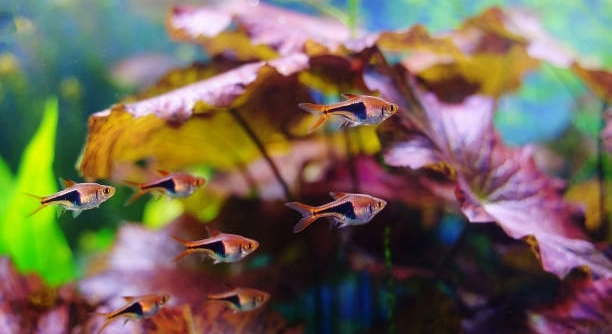
Many aquarium owners enjoy keeping rasboras for their peaceful nature and vibrant colors. These small fish are sensitive to their surroundings, making water quality an important factor in their daily care and overall health.
Rasboras can detect changes in pH relatively quickly. Their bodies respond to shifts in water chemistry, affecting behavior, activity levels, and stress. Rapid pH fluctuations can be harmful, making stable water conditions essential for their well-being.
Monitoring water conditions regularly is important for keeping rasboras healthy and active in home aquariums. Small adjustments can have a significant impact on their comfort and longevity.
How Rasboras React to PH Changes
Rasboras are small, sensitive fish that rely on stable water conditions to stay healthy. Even minor shifts in pH can change their behavior. You may notice they swim closer to the surface, hide more, or become less active when the water becomes slightly acidic or alkaline. These reactions are their way of coping with stress, signaling that the environment is not ideal. Observing their behavior closely can help identify water issues before they become serious. Rapid pH changes are especially stressful because the fish have little time to adapt. Over time, consistent exposure to unstable pH can affect their growth, appetite, and immune system. Maintaining a balanced aquarium with regular testing allows rasboras to remain calm and display natural behaviors, like schooling and exploring. Using pH stabilizers carefully and performing partial water changes can help minimize stress and create a safe environment for these delicate fish.
Rasboras are quick to show discomfort when water conditions shift unexpectedly. Their behavior is a reliable indicator of pH instability.
Keeping rasboras healthy means understanding their sensitivity. Observing their swimming patterns, feeding habits, and social interactions can reveal how they react to minor or major pH shifts. Sudden changes can make them retreat, show stress signs, or stop eating, which is why careful water monitoring is crucial. Gradual adjustments, rather than abrupt changes, help them acclimate. Using proper test kits and keeping track of readings provides a clear picture of water health. This way, you can respond promptly to prevent long-term health problems. A stable environment supports their natural activity, bright colors, and overall well-being, making your aquarium a lively and safe place.
Maintaining Stable PH Levels
Regular monitoring of your aquarium water is essential for rasboras’ health and comfort. Small daily checks prevent sudden stress.
Keeping pH stable requires more than just occasional testing. Water chemistry can shift due to feeding, plant decay, or tap water changes. Using a reliable test kit helps track fluctuations over time, allowing for gradual corrections rather than sudden interventions. Partial water changes with treated water and careful adjustments using buffering agents can keep pH levels within the optimal range of 6.5 to 7.5 for most rasboras. Consistency is key—large swings can lead to stress, weakened immunity, or unusual behavior. In addition to pH, monitoring temperature, ammonia, and nitrates contributes to a healthy environment. Keeping the tank clean, avoiding overfeeding, and choosing stable water sources also prevent sudden changes. Observing the fish daily provides insight into their comfort and health. By maintaining a stable and balanced habitat, rasboras can thrive, display vibrant colors, and interact naturally, making your aquarium both lively and safe.
Signs of PH Stress in Rasboras
Rasboras under pH stress may change their swimming patterns, eat less, or hide frequently. Colors can appear duller, and they might group tightly or avoid certain areas of the tank. Watching these behaviors helps detect problems early before serious health issues arise.
Behavioral changes are often the first indication of pH stress. Rasboras may swim erratically, linger near the surface, or remain motionless. Appetite loss is another sign, as stressed fish often refuse food or eat minimally. Over time, these behaviors can affect growth and vitality. Observing interactions within the school is also important—fish may become aggressive or unusually withdrawn, showing discomfort with their environment. Tracking these signs and correlating them with pH readings allows timely adjustments, helping maintain a stable habitat.
Physical signs also reveal pH stress. Fin clamping, labored breathing, and subtle color changes indicate that water chemistry is affecting their health. Rapid or frequent shifts in behavior suggest that the tank’s pH is inconsistent. Immediate water testing and adjustments are necessary when multiple stress signs appear. Providing hiding spots and maintaining consistent feeding schedules can reduce stress, but long-term stability comes from careful monitoring and controlled changes. Recognizing these signs early ensures rasboras remain active and healthy, reducing the risk of illness and supporting overall well-being in the aquarium.
Preventing PH Fluctuations
Maintaining stable pH requires regular testing, partial water changes, and careful use of buffers. Avoid sudden chemical additions or untreated tap water, as these can destabilize the tank. Consistency is critical to prevent stress in rasboras.
Choosing the right water source and using conditioning agents are essential steps. Tap water can vary in pH, so testing it before adding it to the tank prevents abrupt changes. Gradual water changes, typically 10–20% weekly, help maintain stable conditions without shocking the fish. Adding pH buffers slowly and in measured amounts avoids rapid shifts. Monitoring temperature, hardness, and ammonia levels also supports stability. Regular maintenance, including cleaning substrate and filters, prevents chemical buildup that can influence pH. Combining careful observation with consistent practices ensures that rasboras stay comfortable and healthy over time.
Feeding and tank management play a role in pH stability. Overfeeding leads to decaying food, which can alter water chemistry. Plants and decorations can also influence pH, so selecting compatible species and maintaining cleanliness matters. Regularly removing excess debris and checking for algae growth keeps water quality consistent. Observing fish behavior during these routines allows early detection of stress. Simple measures like slow water changes, appropriate buffering, and careful monitoring of all environmental factors create a balanced habitat. A stable pH environment supports healthy growth, vibrant colors, and natural behavior, ensuring rasboras thrive in a peaceful, well-maintained aquarium.
Tools to Monitor PH
Regular testing with a reliable pH meter or test strips helps detect changes early. Keeping a log of readings allows you to track patterns and spot sudden shifts before they stress your rasboras.
Digital meters provide accurate results, while liquid test kits are affordable and simple to use. Both methods let you adjust water conditions promptly, ensuring the tank stays stable and safe for your fish.
Gradual Adjustments for Stability
When pH changes are necessary, make small adjustments over time rather than sudden shifts. Adding treated water in 10–20% increments or slowly introducing pH buffers allows rasboras to acclimate without stress. Rapid changes can cause erratic behavior, reduce appetite, and weaken their immune system. Gradual correction ensures that water chemistry remains consistent while supporting natural activity, feeding habits, and overall health. Monitoring behavior during these adjustments provides insight into how well the fish are coping. Combining patience with careful observation helps maintain a stable environment, reducing risk of long-term health issues and supporting vibrant, active rasboras.
Common Mistakes to Avoid
Skipping regular testing or making abrupt water changes can harm rasboras. Small, consistent care routines prevent stress and maintain tank stability.
FAQ
How quickly can rasboras sense a change in pH?
Rasboras are sensitive to their environment and can notice changes in pH within a few hours. Even small shifts may alter their behavior, such as hiding, swimming near the surface, or reducing activity. Quick detection by the fish makes it important to monitor water regularly to prevent stress.
What are the signs of pH stress in rasboras?
Behavioral changes are usually the first signs. Rasboras may swim erratically, stop eating, or group tightly. Physical signs include clamped fins, duller colors, and rapid gill movement. Observing these symptoms early helps prevent long-term health issues.
What is the ideal pH range for rasboras?
Most rasboras thrive in slightly acidic to neutral water, around 6.5 to 7.5 pH. Maintaining this range supports natural behavior, vibrant coloration, and healthy feeding patterns. Consistency is more important than exact precision, as sudden shifts are more harmful than slight deviations.
How can I stabilize pH in my tank?
Stability comes from regular testing, careful water changes, and using buffers or conditioners when necessary. Avoid abrupt chemical additions or untreated tap water. Small, consistent adjustments over time allow rasboras to acclimate without stress. Monitoring behavior during adjustments ensures the changes are safe.
Can diet affect pH levels?
Yes, overfeeding or leaving uneaten food to decay can lower pH, creating acidic conditions. Plant matter and waste also influence water chemistry. Regular cleaning, portion-controlled feeding, and removing debris help maintain a balanced environment for rasboras.
Is it safe to use pH buffers regularly?
Buffers can be safe if used according to instructions. Sudden or excessive use can create harmful spikes, so gradual application is key. Observing fish behavior during adjustments ensures they are not stressed and helps maintain long-term stability in the tank.
How often should I test my aquarium water?
Frequent monitoring is recommended, at least twice a week for small tanks or sensitive species. More frequent testing may be necessary after water changes, new additions, or adjustments. Keeping a log of readings helps identify trends and prevent rapid pH swings.
What role does tank maintenance play in pH stability?
Clean tanks reduce the risk of chemical buildup from waste, uneaten food, and decaying plants. Regular substrate cleaning, filter maintenance, and partial water changes prevent fluctuations. A well-maintained tank supports a healthy environment and reduces stress on rasboras.
Can temperature affect pH detection in rasboras?
Yes, water temperature influences metabolism and behavior. Higher temperatures can make rasboras more sensitive to pH changes, while cooler water may slow responses. Keeping temperature consistent supports overall stability and helps the fish tolerate minor shifts without stress.
How do I handle sudden pH drops?
If a sudden drop occurs, perform a partial water change with treated water and check all sources for contamination. Use pH buffers sparingly and gradually. Observe fish closely for signs of stress, and avoid adding chemicals in large doses, which could worsen the problem.
Can decorations or substrate influence pH?
Yes, some rocks, gravel, and driftwood can alter pH over time. Testing new additions before placing them in the tank prevents unwanted shifts. Choosing inert materials or adjusting gradually helps maintain a stable environment without stressing rasboras.
How long does it take for rasboras to recover from pH stress?
Recovery depends on the severity and duration of exposure. Minor stress from small fluctuations may resolve within days, while prolonged or extreme changes can take weeks. Providing stable water, proper feeding, and a calm environment supports faster recovery and prevents relapses.
Are young rasboras more sensitive to pH changes than adults?
Yes, juvenile rasboras are generally more sensitive. Their immune systems and stress tolerance are lower, making consistent monitoring and gradual changes even more critical for young fish. Adults handle minor fluctuations better but still require stable conditions for optimal health.
Can multiple species in one tank affect pH stability?
Different species produce waste at varying rates and may prefer different water chemistry. Mixing species requires careful monitoring to maintain a balanced pH that suits all inhabitants. Regular testing and thoughtful stocking decisions prevent conflicts and stress-related problems.
Is it necessary to adjust pH if it’s slightly outside the ideal range?
Small deviations are usually tolerable if the change is gradual. Rapid swings are more harmful than slight differences from the ideal. Monitoring fish behavior and maintaining stability is more important than constantly aiming for a perfect number.
What tools are best for measuring pH accurately?
Digital pH meters provide precise readings and are easy to track over time. Liquid test kits and strips are simpler and affordable but may be less accurate. Keeping a consistent method ensures reliable monitoring and helps detect subtle changes early.
How can I prevent pH-related stress long-term?
Regular maintenance, consistent feeding, careful water changes, and gradual adjustments are essential. Observing behavior, using reliable test methods, and maintaining stable environmental conditions reduce stress and support the long-term health of rasboras.
Rasboras are small, delicate fish that rely heavily on stable water conditions to remain healthy and active. Their sensitivity to pH changes means that even small fluctuations can affect their behavior and overall well-being. Observing how they swim, feed, and interact with each other provides valuable insight into how comfortable they are in the aquarium. If rasboras begin hiding more often, swimming erratically, or losing interest in food, it usually indicates that the water chemistry is not ideal. Maintaining a consistent environment with regular monitoring helps prevent stress and ensures that the fish remain vibrant and healthy. Paying attention to their behavior is one of the simplest ways to protect them, as it allows early detection of potential issues before they escalate into more serious health problems.
Consistency in aquarium care plays a major role in keeping rasboras thriving. Regular water testing for pH, as well as other factors like ammonia, nitrites, and temperature, helps identify small problems before they become serious. Gradual adjustments to water chemistry are always better than sudden changes, as rasboras respond poorly to abrupt shifts. Small, routine water changes, proper filtration, and careful feeding habits all contribute to a balanced environment. Avoid overfeeding, and remove uneaten food promptly, as decaying matter can alter water chemistry and create stress for the fish. Even minor steps, like cleaning the substrate and checking decorations for effects on water quality, can make a significant difference. Consistent care reduces the risk of stress-related illnesses and allows rasboras to display their natural behaviors, such as schooling, exploring, and maintaining bright colors.
Long-term stability is key to keeping a rasbora tank healthy and enjoyable. Using reliable tools like digital pH meters or test kits ensures accurate monitoring, and keeping a log of readings can help track trends over time. Choosing the right water source and gradually introducing any adjustments creates a safe environment for the fish. While rasboras are resilient, they thrive best in a stable and predictable environment. Attention to detail, careful observation, and patience are essential for maintaining water quality. Over time, these small but consistent practices help create a peaceful, healthy tank where rasboras can flourish. By focusing on stability, observation, and gradual adjustments, you provide an environment that supports their well-being, natural behavior, and long-term health.

Hello,
If you enjoy the content that we create, please consider saying a "Thank You!" by leaving a tip.
Every little bit helps us continue crafting quality advice that supports the health, happiness, and well-being of pets around the world, for pets of all shapes, sizes, and species.
We really appreciate the kindness and support that you show us!