
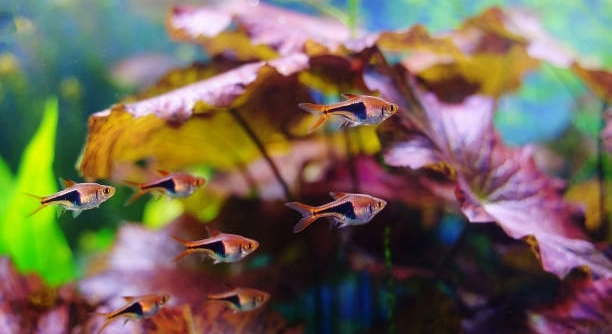
Observing Rasbora social behavior can be fascinating, especially when watching their interactions in a community tank. These small fish display unique patterns of schooling, hierarchy, and movement that reveal their natural instincts. Learning to notice these patterns enhances aquarium enjoyment.
Rasbora social dynamics are best understood by observing their schooling, territory preferences, and interactions. Fish exhibit dominant and subordinate behaviors, group cohesion, and communication signals. Careful attention to these factors allows aquarists to support a balanced and healthy community environment.
Watching these subtle behaviors can transform a simple tank into a lively display of natural fish interactions, making observation both rewarding and informative.
Understanding Schooling Behavior
Rasboras naturally form tight schools, which provides them safety and comfort. Observing how they move together helps reveal group cohesion and individual personalities. Some fish will take the lead, guiding movement, while others follow closely. Changes in schooling patterns can indicate stress, illness, or environmental changes. Noticing these shifts helps maintain a healthy tank. Lighting, water flow, and tank size all influence their coordination. Smaller groups may appear less synchronized, while larger schools display more intricate patterns. Watching their formation, spacing, and synchrony can reveal the balance between dominant and subordinate members. This behavior also affects feeding, as coordinated groups often eat more efficiently, leaving less competition for slower fish. Over time, you’ll notice favorite spots within the tank where the school tends to gather, which can reveal comfort zones. Tracking these habits enhances observation and allows for targeted care adjustments to ensure Rasboras remain active, healthy, and socially engaged.
Schooling is not just movement; it reflects social structure, safety, and environmental comfort within the tank.
Careful observation of schooling patterns helps prevent conflict, improve feeding efficiency, and ensure a balanced group dynamic for all tank inhabitants.
Recognizing Hierarchy and Dominance
Dominant Rasboras often assert themselves by occupying prime areas and leading group movement.
Hierarchy in a Rasbora school is subtle but important for social balance. Dominant fish may chase or block others, while subordinates avoid confrontation. Recognizing who leads and who follows helps understand interactions during feeding and swimming. Dominance affects access to shelter, with leaders often claiming the safest spots. Observing repeated interactions identifies patterns, which can guide tank setup to reduce stress. For instance, adding more hiding spots ensures subordinates are not cornered. Water conditions, group size, and species mix influence dominance behavior. Consistent observation allows adjustments to tank design and care routines to support healthy social balance, minimizing aggression and ensuring all fish thrive. Understanding hierarchy also explains why some individuals may appear stressed or isolated, which is not always a health issue but a social one. Providing a well-structured environment promotes natural behavior, supporting both dominant and subordinate members, and maintaining overall harmony within the school.
Observing Feeding Interactions
Rasboras show distinct behavior during feeding, often revealing social hierarchy and personality traits. Some fish quickly dart to the food, while others wait their turn. Watching these patterns helps identify dominant and shy individuals within the group.
Feeding times provide a clear view of social dynamics. Dominant Rasboras often claim the most accessible food, nudging others aside or chasing them away. Subordinate fish may hang back, waiting for opportunities or smaller scraps. Noticing which fish consistently get more or less food helps in adjusting feeding practices. Offering multiple feeding spots or spreading food evenly reduces competition and stress. Over time, patterns emerge showing which individuals are bold, which are timid, and how the group maintains balance during mealtime. Careful observation ensures all fish receive proper nutrition and helps identify any aggressive tendencies that might need addressing.
Watching interactions during feeding also highlights cooperation and conflict resolution. Some Rasboras allow others to feed nearby without confrontation, reflecting stable social bonds. Others may repeatedly challenge peers, which signals adjustments are needed in tank space, hiding spots, or food distribution. These feeding behaviors also reveal preferred positions in the tank, timing of movement, and individual responsiveness. By noting these subtleties, you can tailor the environment to support fair access to resources, reduce stress, and encourage healthy group behavior. Observing these interactions regularly ensures your Rasboras remain active, engaged, and socially balanced.
Identifying Stress Signals
Rasboras display physical and behavioral cues when stressed, including hiding, erratic swimming, or color fading. Recognizing these signs helps maintain a healthy tank environment.
Stress in Rasboras often arises from overcrowding, poor water quality, or aggressive tank mates. Fish may separate from the school, avoid feeding, or show reduced activity. Monitoring these behaviors and addressing water parameters, tank layout, and group composition is essential. Stress can also affect immunity, making fish more prone to disease. Providing plants, hiding spots, and proper schooling numbers reduces tension. Recognizing early signs allows intervention before issues escalate, supporting both individual fish and overall school stability.
Subtle signals, like fin clamping, rapid gill movement, or refusal to swim in open areas, indicate discomfort. Environmental adjustments, such as rearranging decorations, reducing light intensity, or adding gentle water flow, can alleviate stress. Social stress may also be mitigated by adjusting group size or introducing compatible species. Keeping a consistent routine in feeding, cleaning, and water checks reinforces stability. Observing these stress indicators regularly ensures that all Rasboras remain active, healthy, and maintain natural social behaviors, which is crucial for a thriving aquarium.
Monitoring Territory Use
Rasboras naturally establish preferred areas in the tank, often returning to specific spots repeatedly. Observing these patterns reveals their comfort zones and social preferences within the group.
Territorial behavior is subtle but important. Some fish claim open swimming areas, while others favor corners or dense plant clusters. Recognizing these preferences helps prevent conflicts and ensures a balanced environment.
Watching Mating Displays
Mating behaviors include chasing, circling, and fin flaring. Observing these displays provides insight into pair bonding, readiness to spawn, and social status within the group.
Tracking Movement Patterns
Individual Rasboras develop predictable routes and speeds when swimming in the tank. Tracking these patterns helps identify leadership roles, preferred positions, and overall group cohesion.
FAQ
How many Rasboras should I keep together?
Rasboras are schooling fish and feel most comfortable in groups of six or more. Smaller groups may lead to stress and timid behavior, while larger schools encourage natural movement and social interaction. A well-sized group also reduces aggression among dominant individuals.
What is the best tank size for observing social behavior?
A minimum of 20 gallons is recommended for a small school of Rasboras. Larger tanks allow more room for schooling, territorial claims, and hiding spots. Sufficient space ensures fish can express natural behaviors without overcrowding, which can lead to stress or dominance issues.
How can I tell if my Rasboras are stressed?
Signs of stress include hiding, rapid gill movement, clamped fins, and erratic swimming. Avoiding the school or refusing food are also indicators. Stress often results from poor water quality, aggressive tank mates, or insufficient hiding spots. Observing these behaviors early allows for prompt intervention.
How should I feed Rasboras to minimize conflict?
Feed small amounts several times a day and spread food across multiple locations. This reduces competition and ensures all fish receive nutrition. Watching feeding interactions helps identify dominant and shy individuals, allowing adjustments to feeding strategy to maintain group harmony.
Do Rasboras need plants or decorations?
Yes, live or artificial plants, rocks, and hiding spots are essential. They provide shelter for timid fish, establish territories, and reduce stress. Plants also improve water quality and give fish areas to explore, which encourages natural behaviors like schooling and territory establishment.
Can Rasboras coexist with other species?
Rasboras generally get along with peaceful species of similar size. Avoid aggressive or large fish that may stress or harm them. Tank mates should also have compatible swimming levels to prevent conflicts and allow observation of natural social behavior.
How do I recognize dominant and subordinate fish?
Dominant Rasboras lead movement, claim prime areas, and feed first. Subordinate fish follow the school, yield space, and may hide more often. Watching repeated interactions over time helps identify social roles, which is crucial for understanding group dynamics and maintaining balance.
What environmental factors affect social behavior?
Water temperature, flow, lighting, and tank layout all impact behavior. Stable conditions promote healthy schooling and reduce stress. Sudden changes or poor water quality can trigger aggression, hiding, or erratic movement, interfering with natural social patterns.
How do I encourage healthy interaction in a Rasbora school?
Provide enough space, hiding spots, and consistent care routines. Maintain proper group size, avoid aggressive species, and feed evenly. Observing and adjusting tank conditions ensures each fish can express natural behaviors, strengthening cohesion and minimizing stress.
Can I observe mating behavior without breeding the fish?
Yes, mating displays such as chasing, circling, and fin flaring occur even without breeding conditions. These behaviors reveal social hierarchy, readiness, and interaction patterns, offering insight into dynamics without requiring spawning.
How long should I watch to understand social patterns?
Regular observation over several days or weeks is ideal. Short-term watching may miss subtle behaviors, while consistent tracking reveals patterns in schooling, feeding, territory, and hierarchy. This ongoing attention supports better care and deeper understanding of the fish.
Are there signs of illness linked to social behavior?
Yes, isolated swimming, lethargy, and color fading may indicate illness. Changes in social behavior often precede physical symptoms, so careful monitoring helps detect health issues early, allowing timely treatment and preventing spread within the group.
What is the impact of lighting on social behavior?
Moderate, consistent lighting encourages natural activity and schooling. Too bright or fluctuating light may stress the fish, while dim lighting can reduce visibility and activity. Proper lighting helps maintain normal interactions and allows easier observation of social dynamics.
How do I know if my tank is well-balanced for Rasboras?
A balanced tank shows active schooling, minimal aggression, and fair feeding. Fish occupy different areas without constant chasing, and stress signs are rare. Observing movement, territory, and interactions over time confirms a stable and harmonious environment.
Can social behavior indicate long-term health?
Yes, active schooling, balanced feeding, and normal interactions reflect well-being. Deviations such as isolation, aggression, or stress behaviors may indicate environmental or health issues. Monitoring these patterns helps maintain both immediate comfort and long-term health of the Rasbora school.
How often should I check social dynamics?
Daily brief observations, combined with longer weekly sessions, provide a clear picture. Frequent monitoring allows early detection of stress, aggression, or illness, and helps in adjusting tank conditions to maintain a stable, healthy, and socially active school.
Observing Rasbora social dynamics can be both calming and informative. These small fish display fascinating behaviors that reflect their natural instincts and social structures. By watching schooling patterns, feeding interactions, and territory use, you gain insight into how each fish interacts with others. Over time, these observations reveal dominant and subordinate roles, preferred spots in the tank, and how individuals respond to environmental changes. Paying attention to these details allows you to provide better care, ensure a balanced environment, and promote the overall well-being of your Rasbora school. Every subtle movement, chase, or circling behavior can tell a story about their comfort, health, and social bonds.
Maintaining a healthy tank is essential to supporting natural behaviors. Water quality, tank size, decorations, and group composition all influence how Rasboras interact. Providing sufficient hiding spots, spreading food evenly, and monitoring light and flow can reduce stress and prevent conflicts. Observing fish during feeding or swimming highlights their social hierarchy and helps you identify if adjustments are needed. For example, noticing shy fish consistently being blocked from food allows you to modify feeding locations or increase hiding areas. Similarly, seeing a dominant fish repeatedly chase others may indicate the need for more space or additional tank decorations. Consistent monitoring ensures that all members of the school remain active, healthy, and comfortable, which supports natural behavior patterns and prevents long-term stress or illness.
Rasboras are social creatures, and careful observation strengthens your understanding of their interactions. Tracking their movement, schooling, feeding, and mating displays provides valuable insight into their personalities and group dynamics. Recognizing stress signals early, such as hiding, erratic swimming, or color changes, allows timely intervention before issues escalate. Social behaviors also indicate long-term health and overall satisfaction in the tank. By observing and responding to these patterns, you create an environment where each fish can thrive and express natural behaviors. Over time, this attention transforms a simple aquarium into a dynamic and engaging space, reflecting the complexity of Rasbora interactions and ensuring a balanced, harmonious community.

Hello,
If you enjoy the content that we create, please consider saying a "Thank You!" by leaving a tip.
Every little bit helps us continue crafting quality advice that supports the health, happiness, and well-being of pets around the world, for pets of all shapes, sizes, and species.
We really appreciate the kindness and support that you show us!