
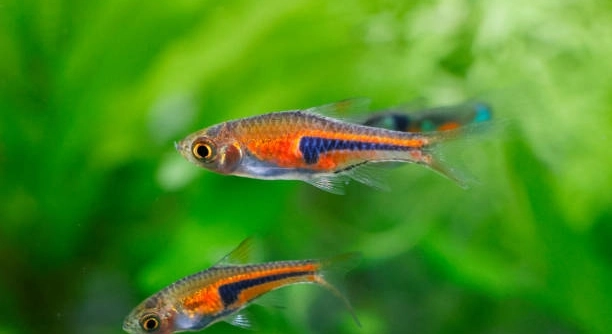
Have you ever watched a school of rasboras move together and wondered if certain fish guide the group through shared spaces, gentle turns, and daily routines within calm community aquariums during peaceful home tank settings?
Rasboras do not form fixed leader roles, instead exhibiting decentralized schooling behavior where movement emerges from local interactions. Minor temporary initiators may appear, but direction changes rely on shared sensory cues, group cohesion, and collective responses rather than hierarchy structures.
By examining observation studies, environmental factors, and subtle social cues, this article clarifies how rasboras coordinate movement without formal leadership.
How Rasboras Coordinate Movement
As a woman who has kept rasboras for years, I notice their schooling relies on constant awareness rather than command. Each fish adjusts speed and direction based on neighbors nearby. Visual cues, lateral line sensing, and spacing guide movement. When one fish reacts to light, food, or disturbance, others follow almost instantly. This response spreads through the school like a ripple, creating smooth turns without planning. No single rasbora maintains control for long periods. Instead, leadership shifts momentarily depending on position and stimulus. This shared system reduces risk and confusion. It also allows the group to adapt quickly to changes in the tank. Consistency comes from cooperation, not dominance. Over time, this behavior keeps the school compact, calm, and efficient during feeding, resting, and exploration. Such patterns appear stable across ages, tank sizes, and mixed species setups, supporting observations made during quiet evenings of routine care and daily personal observation.
Temporary initiators often swim at the front simply because of placement. Their role fades quickly once the group aligns. This fluid structure prevents stress and supports survival. From my experience, stable water conditions enhance this natural coordination, especially in planted community tanks with predictable lighting and feeding schedules each day.
Scientific observation supports these patterns. Studies on schooling fish show decentralized decision making improves reaction time. Rasboras benefit from safety in numbers without fixed rank. Energy use stays balanced because no fish bears constant responsibility. This system also limits aggression. In home aquariums, keepers may misinterpret brief leading movements as authority. In reality, these moments reflect immediate response, not status. Recognizing this helps maintain realistic expectations. It also encourages aquarists to focus on environment quality, group size, and calm maintenance routines. Such understanding promotes respectful care practices aligned with natural behavior rather than forced structure within shared aquarium settings overall.
Do Individual Rasboras Ever Lead
Individual rasboras may appear bold during feeding or exploration. These moments are brief and situational. Position, hunger, or curiosity explains the behavior. I have noticed the same fish rarely repeats this role consistently, reinforcing the absence of true leadership across different days, tank layouts, and social groupings observed over time.
Rather than searching for a dominant fish, it is more accurate to observe how the school responds as a whole. Rasboras rely on shared signals, spacing, and synchronized motion. This creates stability without hierarchy. In my tanks, changes in flow, lighting, or feeding patterns influence movement more than any individual fish. When stress appears, the group tightens. When calm, spacing increases. These responses happen collectively. Providing adequate group size supports this system. Small numbers reduce coordination and increase erratic swimming. Tank layout also matters. Open swimming areas allow smoother alignment, while dense decor can interrupt flow. Consistent routines further support natural behavior. Sudden changes may cause scattered movement. By respecting these needs, keepers allow rasboras to display authentic schooling dynamics. Understanding this structure leads to better care decisions and healthier fish over time, without forcing assumptions about leadership roles that do not naturally exist. This perspective shifts focus toward observation and patience. I find this approach rewarding. It encourages calm maintenance habits, thoughtful stocking, and respect for species behavior. Over months, the school becomes predictable, balanced, and visually harmonious within the aquarium environment based on consistency, proper care, and an appreciation for subtle group interactions observed during daily routines there.
Environmental Factors That Influence Schooling
Schooling behavior in rasboras changes with water flow, lighting, and tank layout. Strong currents tighten formations, while calm water allows spacing. Consistent lighting reduces startle responses. I have seen stable environments support smoother movement and fewer sudden breaks within the school during routine daily observation in my own aquariums settings.
Tank size plays a direct role in how rasboras maintain coordination. Limited space forces frequent corrections, increasing visible hesitation. Larger tanks allow gradual adjustments and sustained alignment. Plant placement also matters. Dense plants interrupt sightlines, while open areas promote cohesion. I adjust decor slowly and observe reactions over days. When structure feels predictable, the school settles. Abrupt rearranging causes scattered movement. These responses highlight reliance on shared cues rather than any guiding individual. Providing stable physical conditions supports natural schooling patterns without intervention. This approach improves calm behavior and visual harmony across long term aquarium care routines for home keepers.
Water quality subtly affects group behavior. Fluctuating temperature or chemistry increases alertness and breaks alignment. Stable parameters encourage relaxed spacing and synchronized swimming. I test regularly and keep changes gradual. Feeding consistency matters as well. Irregular schedules trigger rushing and uneven movement. Predictable feeding reduces competition. Over time, the school develops reliable patterns. These observations align with research on collective behavior. Environmental consistency shapes responses more than personality traits. Attention to these details strengthens group stability and reduces stress indicators within the aquarium environment during long term care practices observed by attentive keepers maintaining balanced tanks consistently over time periods.
Why Leader Roles Do Not Persist
Rasboras lack biological traits that support fixed leadership. Their neural responses favor rapid copying over command. Any fish reacting first simply occupies a forward position momentarily. I notice this shifts constantly during swimming. Once direction stabilizes, roles dissolve. This system prevents dominance, limits conflict, and ensures equal energy use across the group. Such dynamics remain consistent regardless of age, size, or minor individual differences observed over extended periods within stable home aquarium settings routinely maintained.
Without persistent leaders, rasboras depend on collective awareness to stay cohesive. This reduces vulnerability and supports fast reaction to disturbances. I have seen schools respond instantly to shadows or vibrations without hesitation. The signal spreads through proximity and motion. No instruction is required. This approach works best in appropriate group sizes. Too few fish disrupt feedback loops. Larger groups stabilize behavior. Keeper intervention should focus on environment, not behavior control. Stable lighting, gentle flow, and consistent routines encourage natural coordination. Recognizing this removes the urge to label dominant fish. Instead, it promotes respect for species design and realistic care expectations. This understanding has improved my long term success maintaining calm, healthy schools in shared aquarium systems through consistent observation and patient routine care practices overall.
The Role of Group Size in Schooling
Rasboras show clearer schooling when kept in appropriate group sizes. I have found six or more individuals reduce hesitation and scattered swimming. Small groups struggle to maintain alignment. Adequate numbers allow shared cues to circulate quickly, supporting smooth turns, calm spacing, and predictable movement patterns across daily aquarium observation periods.
Group size also affects stress response and feeding behavior. In my tanks, larger schools approach food evenly and retreat together. Smaller groups rush unpredictably. Balanced numbers reduce competition and promote confidence. This stability reinforces collective movement, making leadership unnecessary and keeping interactions consistent throughout regular maintenance routines during long care.
How Security Shapes Collective Behavior
Schooling efficiency improves when rasboras feel secure. Cover from plants, stable lighting, and gentle flow encourage consistent spacing. I notice calmer groups react less sharply to movement outside the tank. Stress disrupts alignment and increases random darting. Providing predictable conditions allows shared cues to guide motion smoothly. Over time, the school settles into reliable patterns that repeat daily. These patterns emerge naturally through repetition, not control, reinforcing cohesion and reducing unnecessary energy use during swimming, feeding, and resting. This consistency supports health, reduces injury risk, and makes long term observation more enjoyable for attentive aquarium keepers like me overall consistently.
Personal Observations From Long Term Care
Observing rasboras without assigning leader roles changes how care decisions are made. I focus less on individual behavior and more on group response. This mindset encourages patience. It also supports tank setups that prioritize balance, predictability, and respect for natural schooling dynamics over extended periods of quiet daily aquarium observation.
FAQ
Do rasboras ever have a permanent leader in the school?
Rasboras do not form permanent leaders. In my experience, the fish at the front of the school changes constantly depending on positioning, feeding, or reaction to light and movement. Any momentary “leader” is simply responding first, not controlling the group. Over time, all fish take turns being at the front naturally, without dominance or hierarchy developing. This temporary positioning allows the school to react quickly to stimuli without one fish using excessive energy or creating conflict. I have noticed this pattern consistently across multiple tanks with different group sizes and setups.
How many rasboras should I keep to encourage proper schooling behavior?
Keeping at least six rasboras supports natural schooling. Smaller groups tend to break formation more easily and show erratic swimming. In my tanks, groups of eight to twelve maintain smooth, coordinated movements. Adequate numbers allow signals to propagate efficiently, creating consistent turns and spacing. This reduces stress and helps maintain calm interactions during feeding or environmental changes. Too few fish disrupt feedback loops, while very large groups may crowd the tank, so balance is important. I focus on matching group size with tank dimensions and decor, ensuring each fish can move freely while staying connected to the school.
Does tank layout affect leadership or schooling behavior?
Yes, layout impacts movement patterns but not leadership. I have observed that open areas allow smooth alignment, while dense plants or obstacles interrupt sightlines, causing temporary splits. Fish adjust quickly, but no single individual “takes charge.” Proper layout with open swimming paths and strategically placed hiding spots supports cohesive, calm schooling. Adjusting decor gradually helps rasboras adapt without stress. Sudden rearrangement triggers erratic movement, which can be mistaken for leadership struggles. I have found that maintaining consistent flow, lighting, and planting creates predictable conditions, allowing the school to behave naturally without intervention.
Can feeding habits influence who appears to lead?
Feeding can temporarily place certain fish at the front. I notice the hungriest or boldest rasboras often swim first toward food, prompting others to follow. This behavior is situational and changes each feeding. It does not indicate dominance but reflects immediate response. Regular feeding schedules and evenly distributed food reduce competition, keeping all fish engaged without persistent “leaders.” Over months of observation, I have seen that group cohesion remains strong, and movement patterns return to normal after feeding. Predictable routines make these behaviors easy to monitor and prevent stress-related aggression or erratic swimming.
Do environmental stressors cause a leader to emerge?
Stressors such as sudden light changes, loud noises, or water disturbances may place one fish at the front temporarily. I have noticed that when startled, the first fish to move may lead briefly, but the role shifts quickly once the school stabilizes. Stress does not create lasting leadership, only a momentary front-runner for safety. Calm, stable water conditions reduce these incidents. By observing responses during minor stress, I have learned that the school’s cohesion relies on collective reactions, not any dominant individual. Supporting a peaceful, consistent environment maintains alignment and reduces unnecessary energy use.
How can I observe schooling without assuming leadership exists?
Watching the group as a whole is key. I focus on patterns, spacing, and synchronization rather than who is at the front. Noting how motion spreads through the school reveals shared cues. Small shifts in position are natural, not signs of hierarchy. Patience and repeated observation highlight that movement is a collective behavior. Over time, I have seen schools become predictable, calm, and visually harmonious without needing to assign roles or track individual fish. This perspective allows me to appreciate natural dynamics while planning tank layout, feeding, and maintenance routines effectively.
Are certain rasboras more likely to initiate movement?
Occasionally, a fish may react slightly faster to light, food, or flow. In my tanks, this changes day to day. These initiators do not retain influence. Their brief positioning at the front allows quick group adjustment, but energy and attention are shared equally. Watching multiple days demonstrates the fluidity of these roles. Temporary leaders are situational, not a permanent feature. Understanding this prevents overinterpreting bold or fast fish as dominant, which improves care decisions and tank management over time.
Does tank size influence temporary leadership?
Yes, tank size affects how often certain fish appear at the front. Smaller tanks force frequent corrections, making initiators more visible. Larger tanks allow gradual alignment, spreading responsibility evenly. In my experience, moderate tank sizes with adequate swimming space provide the best observation of natural schooling behavior. The group adjusts collectively without hierarchy, creating a balanced, stress-free environment. Proper size ensures cohesion, minimizes collisions, and encourages calm, predictable movement patterns.
Can mixing rasbora species affect schooling and apparent leadership?
Mixing species may change spacing and reaction speed but does not create true leaders. I have seen faster species move ahead temporarily, but alignment returns once the group stabilizes. Shared cues still dominate behavior. Observing mixed tanks emphasizes that temporary initiators are situational, not hierarchical. Respecting natural tendencies and ensuring compatible species reduces stress and maintains smooth schooling, supporting long-term health and harmony.
What is the most important factor for maintaining healthy schools?
Consistent care, stable water conditions, appropriate group size, and predictable routines are key. I prioritize calm environments, regular feeding, and open swimming areas. Observing the school as a unit, not individuals, reinforces natural coordination. This approach prevents stress, supports cohesion, and ensures the rasboras swim, feed, and rest smoothly without forced leadership or conflict over time.
Rasboras are fascinating fish because of how naturally they move together in schools. From my experience keeping them, their coordination relies entirely on group dynamics rather than individual dominance. Each fish responds to the movement and positioning of its neighbors, adjusting speed and direction as needed. This behavior allows the school to change course smoothly, react quickly to disturbances, and maintain cohesion without any single fish in control. I have noticed that even when one fish moves to the front temporarily, its role is fleeting, and the next fish quickly takes the lead depending on position, curiosity, or reaction to food. The pattern repeats continuously, creating the appearance of organized movement, but it is truly a shared effort among all members. Over time, observing this in my aquariums has shown me how subtle cues and social awareness drive the school’s behavior more than any individual traits. This insight makes watching them both calming and educational, highlighting the beauty of collective behavior in a small home tank setting.
Group size and environmental conditions are essential for supporting natural schooling patterns. In my tanks, keeping at least six rasboras helps maintain smooth, synchronized movement, while smaller groups tend to break formation and show more erratic swimming. Adequate space, stable water conditions, gentle flow, and predictable lighting contribute to a sense of security, which allows the school to operate efficiently. Dense plants and sudden rearrangements may interrupt alignment temporarily, but with gradual adjustments, the school regains cohesion quickly. Consistent feeding routines further support calm and balanced interactions. I have learned that providing these conditions reduces stress, prevents unnecessary energy expenditure, and helps maintain visual harmony in the aquarium. Understanding the importance of environmental stability encourages more thoughtful aquarium management. It also demonstrates that the school’s behavior is shaped by collective needs and external factors rather than fixed leadership, reinforcing the idea that patience and observation are more effective than attempting to identify or influence a “leader” fish.
Ultimately, the lack of permanent leadership in rasboras highlights how social fish can function effectively through shared responsibility and decentralized decision-making. By focusing on group interactions, I have gained a clearer understanding of their natural behavior and how to care for them in ways that respect their instincts. Observing their synchronized swimming, collective responses to stimuli, and fluid role changes provides insight into the efficiency of cooperative behavior in small communities. This perspective also influences how I approach tank maintenance, feeding, and habitat design, emphasizing calm, stable, and predictable conditions. Rather than searching for dominant individuals, I focus on supporting the school as a unit, ensuring each fish has space, safety, and consistent routines. Over months of observation, this approach results in healthy, relaxed, and visually balanced schools that display their natural patterns without stress or conflict. Seeing the school thrive reinforces the value of understanding behavior at the group level and appreciating the subtle dynamics that make rasboras such captivating and harmonious aquarium inhabitants.

Hello,
If you enjoy the content that we create, please consider saying a "Thank You!" by leaving a tip.
Every little bit helps us continue crafting quality advice that supports the health, happiness, and well-being of pets around the world, for pets of all shapes, sizes, and species.
We really appreciate the kindness and support that you show us!