
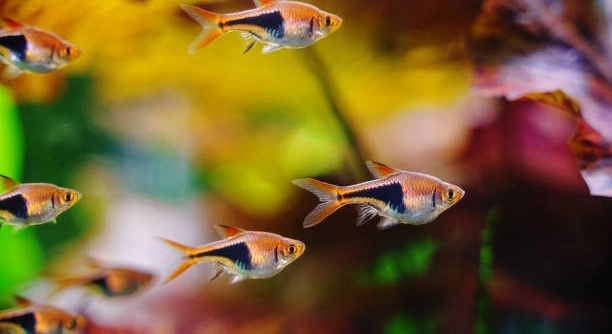
Do you ever find yourself watching your Rasboras and wondering how they respond to sudden movements around them or in the water?
Rasboras tend to swim away from movement rather than toward it. This response is part of their natural instinct to avoid threats and stay safe in their environment.
Understanding this behavior can help you create a calmer, safer habitat for your Rasboras and improve the way you interact with them.
Why Rasboras React to Movement
Rasboras are small, peaceful fish that prefer calm environments. Their natural habitat includes slow-moving streams with plenty of cover, which means they are used to staying alert for sudden changes. When they sense quick movement, especially from above or nearby, they often scatter or hide. This is a natural defense mechanism, helping them avoid predators. In home aquariums, things like tapping on the glass, fast hand movements, or sudden lighting changes can trigger this same reaction. While it might seem like they’re being overly sensitive, this behavior helps them stay safe. Over time, some Rasboras may get used to gentle movements, especially during feeding or cleaning, but they usually still react to unexpected motion. Understanding this helps you create a more stable and relaxing environment.
This flight response is not aggression or fear toward you. It’s simply how Rasboras protect themselves in unfamiliar or fast-changing situations.
If you want your Rasboras to feel comfortable, it’s best to move slowly around their tank and avoid unnecessary disturbances.
How to Help Your Rasboras Feel Safe
Rasboras thrive in peaceful, steady environments with consistent lighting, gentle filtration, and plenty of hiding spots.
If your Rasboras are frequently darting around the tank or hiding, it could be due to stress caused by too much movement nearby or an unstable setup. Start by reviewing your tank’s placement—avoid areas with heavy foot traffic or loud noises. Use plants, rocks, or driftwood to give them places to retreat when startled. Make sure the lighting isn’t too bright or flickering, and keep your movements slow and predictable when feeding or cleaning. A well-planted tank not only offers shelter but also reduces light reflections that might confuse or scare them. Over time, Rasboras may start to feel more secure and display more natural, relaxed behavior. They may even come closer during feeding once they trust their surroundings. Being mindful of their needs will help them settle in and thrive without the constant stress of reacting to fast movement.
Signs Your Rasboras Are Uncomfortable
If your Rasboras are darting around often, hiding more than usual, or showing duller colors, they might be feeling stressed or unsafe. These small signs can be easy to miss but often point to discomfort in their environment.
Sometimes, Rasboras will hover in corners or behind decorations instead of swimming openly. You might also notice them flinching when you walk by or turn on a light. This kind of behavior usually means they’re on high alert. If their colors are fading or they stop eating, it could be a sign that the stress has been going on for a while. While occasional hiding is normal, consistent changes like these mean something needs adjusting. Watching their daily behavior closely helps catch problems early and keeps them feeling safe in their tank.
Unusual schooling behavior can also be a red flag. Rasboras are social and usually swim in groups. If one or more separate from the group for long periods or stay motionless, it may show that they’re stressed or unwell. A healthy group of Rasboras will swim together calmly, explore the tank, and come up to the front when they see movement they recognize, like feeding time. Disruptions to this behavior are usually linked to discomfort or stress in their surroundings.
Small Changes That Make a Difference
Adding more plants and decorations gives Rasboras safe places to hide, which helps reduce stress. It also helps break up any light reflections that may be bothering them.
You don’t have to completely redo your setup to make your Rasboras feel better. Sometimes, just adjusting the tank lighting to make it less harsh or moving the tank away from busy areas of the home can create a big improvement. Try to avoid tapping on the glass or sudden hand movements near the tank. Feeding them at the same time each day also builds trust and routine. Rasboras do best when their environment is predictable. If they feel safe, they’ll be more active, show brighter colors, and behave more naturally. Taking time to understand their needs can lead to a calmer and healthier tank overall.
When Movement Becomes a Problem
Fast movement near the tank can cause Rasboras to panic, which may lead to injury if they swim into the glass or decorations. This kind of stress can also weaken their immune system over time.
Children or pets moving around the tank often can keep Rasboras on edge. Keeping the tank in a quieter space helps.
Understanding Their Natural Behavior
In the wild, Rasboras live in slow-moving streams and shaded waters where sudden movement usually means danger. Their instincts tell them to hide or swim away when they sense quick changes around them. In a home setting, these instincts don’t go away. They react to sudden shadows, noise, or vibrations as if a predator is nearby. That’s why it’s important to handle their environment gently. When they feel secure, they’ll return to their normal behavior—schooling calmly, exploring their space, and approaching during feeding time. Observing these habits helps you better understand what they need to stay comfortable.
What to Avoid Around Their Tank
Avoid slamming doors, tapping on the glass, or using bright lights that suddenly switch on. These things can scare your Rasboras and make them feel unsafe.
Do Rasboras always swim away from movement?
No, Rasboras do not always swim away from movement, but their natural instinct is to react cautiously to sudden or fast motion. If the movement is slow and predictable, such as during feeding, they may actually swim toward it. However, abrupt changes in their environment often trigger a flight response as a defense mechanism. Over time, with gentle interaction and a stable environment, some Rasboras may become less skittish and more comfortable approaching slow movements. Still, their basic nature is to avoid anything that seems like a potential threat.
Why do Rasboras dart quickly when someone approaches the tank?
Rasboras dart quickly because they perceive fast or unexpected motion as a threat. In the wild, sudden movements often mean predators are nearby, so they’ve developed this reflex to increase their chances of survival. Even in a safe home tank, their instincts remain strong. This reaction is normal and expected, especially if the fish are not yet fully accustomed to their surroundings or if the tank environment is noisy or busy. Consistent, gentle care helps reduce this behavior over time.
Can Rasboras get used to human presence?
Yes, Rasboras can get used to human presence if the interaction is calm and predictable. Feeding them at regular times and avoiding sudden movements near the tank helps build trust. Over time, they may recognize their caregiver and swim closer during feeding or quiet moments. However, this process requires patience, and some individual fish may always be a bit shy. Maintaining a peaceful tank environment encourages Rasboras to feel safer and more comfortable with human activity.
Does tank size affect how Rasboras respond to movement?
Tank size can influence their behavior, but it’s not the only factor. In smaller tanks, sudden movements can feel more threatening because the fish have less space to escape or hide. Larger tanks with plenty of plants and decorations offer more places for Rasboras to feel safe and can reduce stress. Regardless of tank size, minimizing fast motions around the tank and creating a stable environment are key to helping Rasboras feel secure.
Are some Rasbora species more sensitive to movement than others?
Yes, some Rasbora species are more sensitive than others. For example, Harlequin Rasboras tend to be more active and may react more noticeably to sudden movements. Other species, like the Chili Rasbora, are smaller and more delicate, often showing stronger avoidance behavior. Knowing the species-specific traits helps in creating the best environment for each type. In all cases, gentle care and stable conditions help reduce stress caused by movement.
What are the best ways to reduce stress from movement in a Rasbora tank?
To reduce stress from movement, place the tank in a quiet area away from heavy foot traffic and loud noises. Use plenty of live or artificial plants and decorations to provide hiding spots. Avoid tapping the glass or making fast, sudden movements near the tank. Consistent lighting and regular feeding times also help create a predictable routine, which makes Rasboras feel safer. Gradual changes are easier for them to handle than sudden shifts in their environment.
Can bright lighting make Rasboras more sensitive to movement?
Bright lighting can increase Rasboras’ sensitivity to movement because it creates sharper shadows and reflections that may startle them. Strong light can also cause stress and make the tank feel less secure. Using softer, diffused lighting or adding floating plants to filter the light helps reduce these effects. A more natural light setup mimics their natural habitat and makes them feel calmer and less likely to react to every movement.
Is it normal for Rasboras to hide after a sudden movement?
Yes, it’s normal for Rasboras to hide after a sudden movement. Hiding is their way of feeling protected when startled. In the wild, quick hiding helps avoid predators. In captivity, this behavior shows they are reacting to what they see as a threat. If hiding happens frequently or for long periods, it may indicate ongoing stress. Adjusting the environment and reducing sudden stimuli will encourage them to come out more often.
How long does it take for Rasboras to stop reacting strongly to movement?
The time it takes varies depending on the individual fish and their environment. Some Rasboras may calm down within a few days to weeks if the tank is stable and interactions are gentle. Others might take months to feel fully comfortable. Patience and consistency are key. Reducing sudden changes and creating a secure habitat helps speed up this process.
Should I worry if my Rasboras never approach during feeding?
If your Rasboras never approach during feeding, it could mean they are stressed or not fully comfortable in their tank. Healthy Rasboras usually become more confident and come to the front when they recognize feeding time. Evaluate their environment for possible stressors like lighting, tank placement, or water quality. Making small adjustments and feeding regularly can help build their trust and encourage them to be more interactive.
Rasboras are naturally cautious fish that often swim away from sudden movements. This behavior is part of their instinct to stay safe from predators and other threats. Understanding this helps when caring for them in a home aquarium. By knowing why they react this way, you can create an environment that feels safer and more comfortable for them. Simple changes, like moving slowly around the tank and avoiding sudden motions, can make a big difference in how relaxed your Rasboras feel.
Creating a calm tank environment is key to helping Rasboras feel at ease. Adding plants and decorations gives them places to hide when they feel threatened. Keeping the lighting soft and steady reduces sharp shadows and reflections that might scare them. Also, placing the tank in a quiet spot with less foot traffic helps minimize stress. When Rasboras feel secure, they swim more freely, show brighter colors, and interact more during feeding time. This not only improves their well-being but also makes watching them a more enjoyable experience.
It takes time and patience for Rasboras to adjust to new surroundings and human presence. They may always be a little shy or quick to swim away at first, but with consistent care, many will grow more confident. Avoid tapping on the glass or making fast hand movements near the tank, and stick to regular feeding routines. Watching how your Rasboras behave daily will help you spot when something needs changing. Keeping their needs in mind helps them live healthier, happier lives and brings a peaceful feeling to your aquarium space.

Hello,
If you enjoy the content that we create, please consider saying a "Thank You!" by leaving a tip.
Every little bit helps us continue crafting quality advice that supports the health, happiness, and well-being of pets around the world, for pets of all shapes, sizes, and species.
We really appreciate the kindness and support that you show us!