
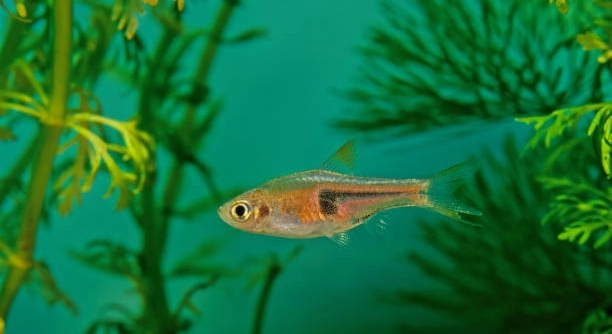
Rasboras are popular aquarium fish known for their vibrant colors and active behavior. Many aquarists add filters to their tanks to maintain clean water and healthy environments. However, filters can sometimes affect rasbora behavior in various ways.
Rasboras may react to filters by showing signs of stress, altered swimming patterns, or avoidance behavior. The water flow and noise generated by filters can impact their comfort, while some may adapt over time, and others might require gradual acclimation to minimize adverse reactions.
Understanding these reactions helps create a more suitable environment for rasboras and supports their wellbeing in home aquariums. This article explores seven common responses to filters and how to manage them effectively.
Increased Activity Around the Filter
Rasboras often become more active near the filter area. The water movement created by the filter can stimulate their natural instincts, encouraging them to swim more vigorously. This increased activity is usually harmless and can indicate that the fish are adjusting well to the environment. However, excessive movement or constant darting can also be a sign of stress. It is important to observe whether this behavior persists or if the fish calm down after some time. Providing hiding spots and plants near the filter can help rasboras feel secure while still benefiting from the water flow. Adjusting the filter flow rate may also reduce excessive agitation. Overall, increased activity near the filter is a common response, but monitoring behavior ensures that the environment remains comfortable for the fish.
This behavior shows the filter’s influence on fish activity and highlights the importance of balanced water flow control.
Adjusting filter flow is key when rasboras show hyperactivity near it. Too strong a current can tire them or cause stress, while too weak may not sufficiently circulate water. Installing plants or decorations near the filter creates safe zones for resting. Watching fish closely after any adjustment helps identify the best balance. Each tank may require different settings depending on size and filter type. The goal is to maintain water quality without disrupting the natural behavior of the rasboras. Patience and careful observation lead to a healthy aquarium where fish can thrive comfortably alongside filtration equipment.
Avoidance Behavior and Hiding
Rasboras sometimes avoid the filter area completely, staying hidden or moving to the far side of the tank. This reaction often happens when the filter creates too strong a current or produces noise that disturbs them. It can be an indication of discomfort or stress, which may affect their health if prolonged. Offering plenty of plants and decorations provides safe spaces for hiding and reduces overall stress. Lowering the filter flow or using quieter equipment can help rasboras feel more at ease.
When rasboras hide to avoid the filter, it suggests that adjustments are necessary to improve their environment.
If rasboras frequently hide away from the filter, tank conditions may need rebalancing. Strong currents force fish to use more energy to swim, which is not ideal for their wellbeing. Continuous exposure to loud or harsh noises can also cause stress and weaken their immune systems. By decreasing flow speed or switching to a filter designed for gentle water movement, the tank becomes more comfortable. Adding dense plants and decorations helps break the water current and provides security. It is essential to ensure that the filter still effectively maintains water cleanliness while minimizing negative impacts on fish behavior. This balance allows rasboras to be active and healthy, avoiding prolonged hiding or stress responses.
Noise Sensitivity
Rasboras can be sensitive to the noise generated by filters. Loud or constant humming may cause discomfort and stress, impacting their behavior and health.
Many filters produce vibrations and sounds that can disturb sensitive fish like rasboras. These noises come from motor operation or water movement within the filter system. When noise levels are high, rasboras might exhibit signs of stress, such as reduced activity or hiding. Choosing a quieter filter or placing the equipment on a vibration-absorbing surface can reduce sound transmission. Regular maintenance also helps prevent excess noise caused by debris or worn parts. Ensuring a peaceful environment supports the well-being of rasboras and promotes natural behavior.
Reducing noise involves selecting quiet filters and minimizing vibrations through proper setup. Monitoring fish response to noise changes helps maintain a calm tank atmosphere.
Changes in Water Quality Perception
Rasboras are highly responsive to shifts in water quality caused by filtration. Sudden changes can lead to behavioral reactions like gasping or erratic swimming.
Filters alter the chemical and physical properties of tank water by removing impurities and circulating oxygen. Rapid fluctuations in parameters such as pH or temperature during filter startups may shock rasboras, triggering visible discomfort. Gradual adjustments and stable water conditions minimize this risk. Frequent testing and consistent maintenance ensure the filter supports a healthy environment. Awareness of how water quality changes affect rasboras enables better management of their habitat.
Understanding their sensitivity helps prevent stress from sudden water changes. Proper filter operation and slow acclimation are essential to keep rasboras comfortable.
Filter Placement Impact
The position of the filter can greatly affect rasbora behavior. Poor placement may create strong currents or disturb their swimming paths.
Filters placed near tank entrances or open swimming areas can cause rasboras to avoid those zones. Positioning the filter outlet toward a tank corner or behind plants helps reduce direct flow impact. Adjusting placement ensures the fish have calm swimming spaces and access to clean water, improving their comfort and activity.
Stress from Sudden Filter Changes
Abrupt changes like turning filters on or off can cause stress reactions in rasboras. They may hide or act erratically when conditions shift suddenly.
Consistent filtration practices and gradual changes help prevent these stress responses. Keeping a regular schedule and slowly adjusting filter settings supports rasbora wellbeing.
Filter Cleaning Effects
Cleaning a filter can temporarily disturb water conditions. Rasboras might react with increased activity or hiding during this time.
Frequent but gentle maintenance minimizes the impact on water stability and fish behavior.
What are common signs that rasboras are stressed by filters?
Rasboras stressed by filters often show behaviors such as hiding excessively, erratic swimming, or gasping near the water surface. They may also become less active or lose their vibrant coloration. Watching for these signs early helps address problems before health declines. Stress can stem from strong currents, loud noise, or sudden changes in water quality caused by filtration.
How can I reduce filter noise to protect my rasboras?
Reducing filter noise begins with selecting a model designed for quiet operation. Place the filter on a soft pad or foam to absorb vibrations. Regularly clean the filter media and parts to prevent clogging, which often increases noise. Also, ensure tubing and connections are secure and not rubbing against tank surfaces. These simple steps create a calmer environment for sensitive rasboras.
Is it okay to turn off the filter at night?
Turning off the filter at night is generally not recommended. Filters maintain water circulation and oxygen levels, which are vital for fish health. Sudden stops can cause drops in oxygen and water quality, stressing rasboras. If noise is a concern, try using quieter equipment or reducing flow rather than switching the filter off.
How often should I clean the filter without disturbing my rasboras?
Filter cleaning frequency depends on tank size, bioload, and filter type. Generally, cleaning every 3 to 4 weeks is adequate. Perform partial cleanings, rinsing filter media in tank water to preserve beneficial bacteria. Avoid over-cleaning or replacing all media at once, which can disrupt water quality and stress fish. Consistent, gentle maintenance balances filtration efficiency with fish comfort.
What filter flow rate is best for rasboras?
A moderate to low flow rate suits rasboras best because they prefer calm waters. High flow can exhaust them and cause stress. Aim for a flow rate that circulates the tank water but does not create strong currents. Adjustable filters or adding flow restrictors can help tailor the environment to their needs.
Can adding plants help with filter effects on rasboras?
Yes, live or artificial plants act as natural barriers, breaking up water flow and providing hiding spots. This reduces stress from strong currents and filter noise. Plants also improve water quality and create a more natural setting, encouraging healthy rasbora behavior.
Why do rasboras sometimes dart away from the filter suddenly?
Sudden darting near the filter can result from abrupt water flow changes or noises caused by debris in the filter. It is a stress or startle response. Keeping the filter clean and stable flow conditions minimizes these disturbances, helping fish feel safer.
Are all types of filters suitable for rasboras?
Not all filters are equally suitable. Sponge filters and gentle hang-on-back filters are often better for rasboras because they provide adequate filtration with low flow and minimal noise. Powerful canister filters might create strong currents unless carefully adjusted. Choosing equipment designed for small, peaceful fish supports their wellbeing.
What should I do if my rasboras keep hiding near the filter?
If hiding persists, try lowering the filter’s flow rate or repositioning the outlet away from open swimming areas. Adding decorations or plants nearby creates sheltered zones. If stress continues, consider a quieter or gentler filter model. Monitoring water parameters ensures that the filter is not causing harmful water changes.
How can I help rasboras adapt to a new filter?
Introduce new filters gradually by running them outside the tank first to stabilize water conditions. Slowly increase the flow rate over several days once installed. Observe rasbora behavior closely during this period and make adjustments as needed. Providing plenty of cover and maintaining stable water parameters eases their transition to the new environment.
Does filter size affect rasbora reactions?
Yes, using an oversized filter can cause excessive water flow, unsettling rasboras. A filter appropriate for the tank size is essential to avoid strong currents and noise. Matching filter capacity to the aquarium ensures efficient water cleaning without disturbing fish comfort.
Filters are essential for maintaining clean and healthy aquarium water. They help remove waste, excess food, and harmful chemicals that can build up over time. For rasboras, having a properly functioning filter is important because these fish thrive in stable, clean water conditions. However, filters can also cause different reactions in rasboras depending on their design, placement, and maintenance. Understanding these reactions helps aquarium owners provide a better environment for their fish.
Many rasboras react to filters through changes in behavior. Some may swim actively near the filter, while others might avoid the area altogether. Noise, water flow, and sudden changes caused by filters can lead to stress, which affects their health. It is important to observe the fish closely to notice any signs of discomfort, such as hiding, erratic swimming, or loss of color. Adjusting the filter flow, positioning it carefully, and adding plants or decorations can reduce negative reactions. Regular and gentle maintenance of the filter also keeps the water stable and safe for rasboras.
Creating a comfortable environment for rasboras means balancing the benefits of filtration with the fish’s needs. Choosing the right filter, controlling flow speed, and minimizing noise help rasboras feel secure and thrive. Taking time to observe and respond to their behavior will lead to a healthier aquarium overall. With the proper care, filters can support the wellbeing of rasboras while keeping the tank clean and inviting. This balance ensures that both fish and equipment work well together.

Hello,
If you enjoy the content that we create, please consider saying a "Thank You!" by leaving a tip.
Every little bit helps us continue crafting quality advice that supports the health, happiness, and well-being of pets around the world, for pets of all shapes, sizes, and species.
We really appreciate the kindness and support that you show us!